
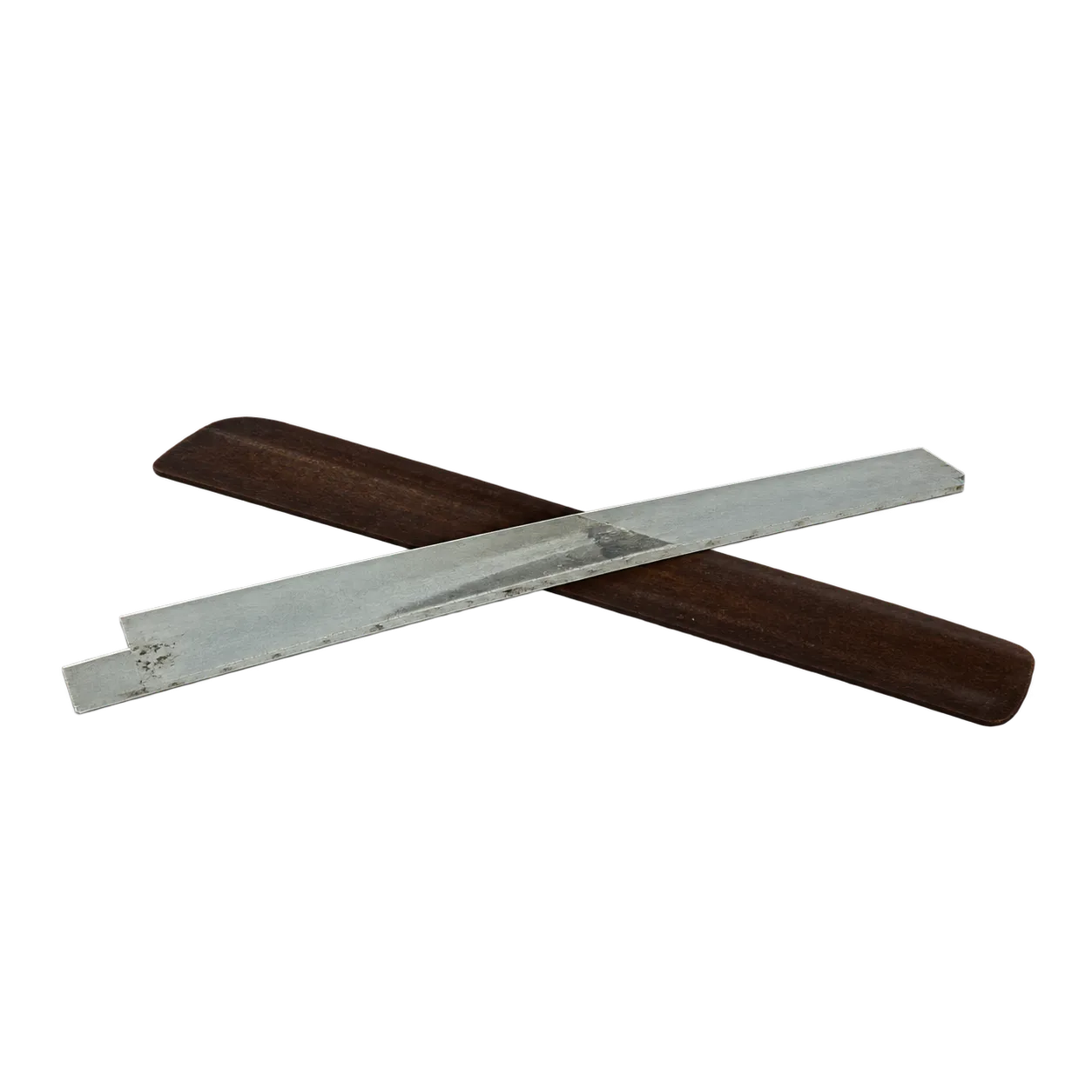
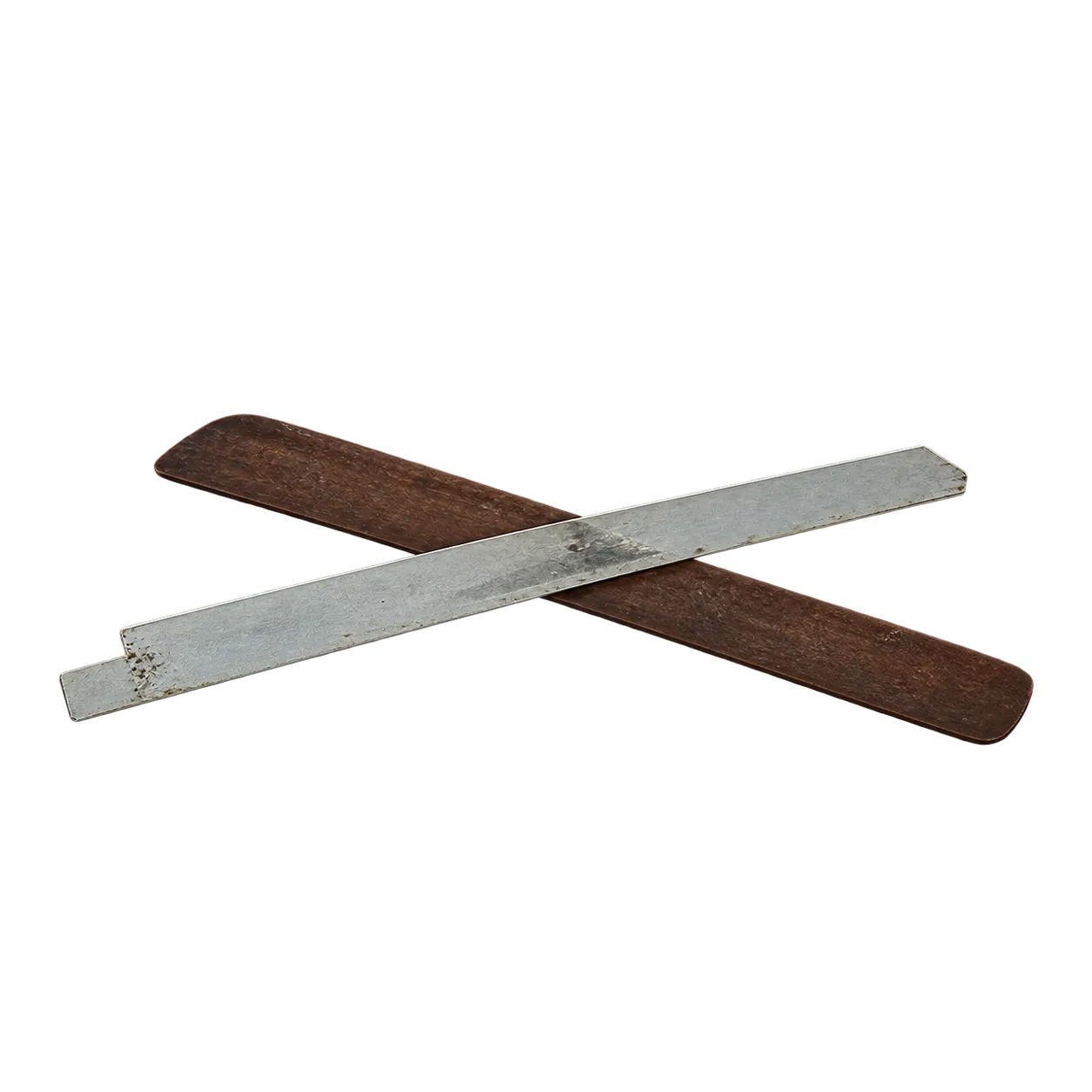
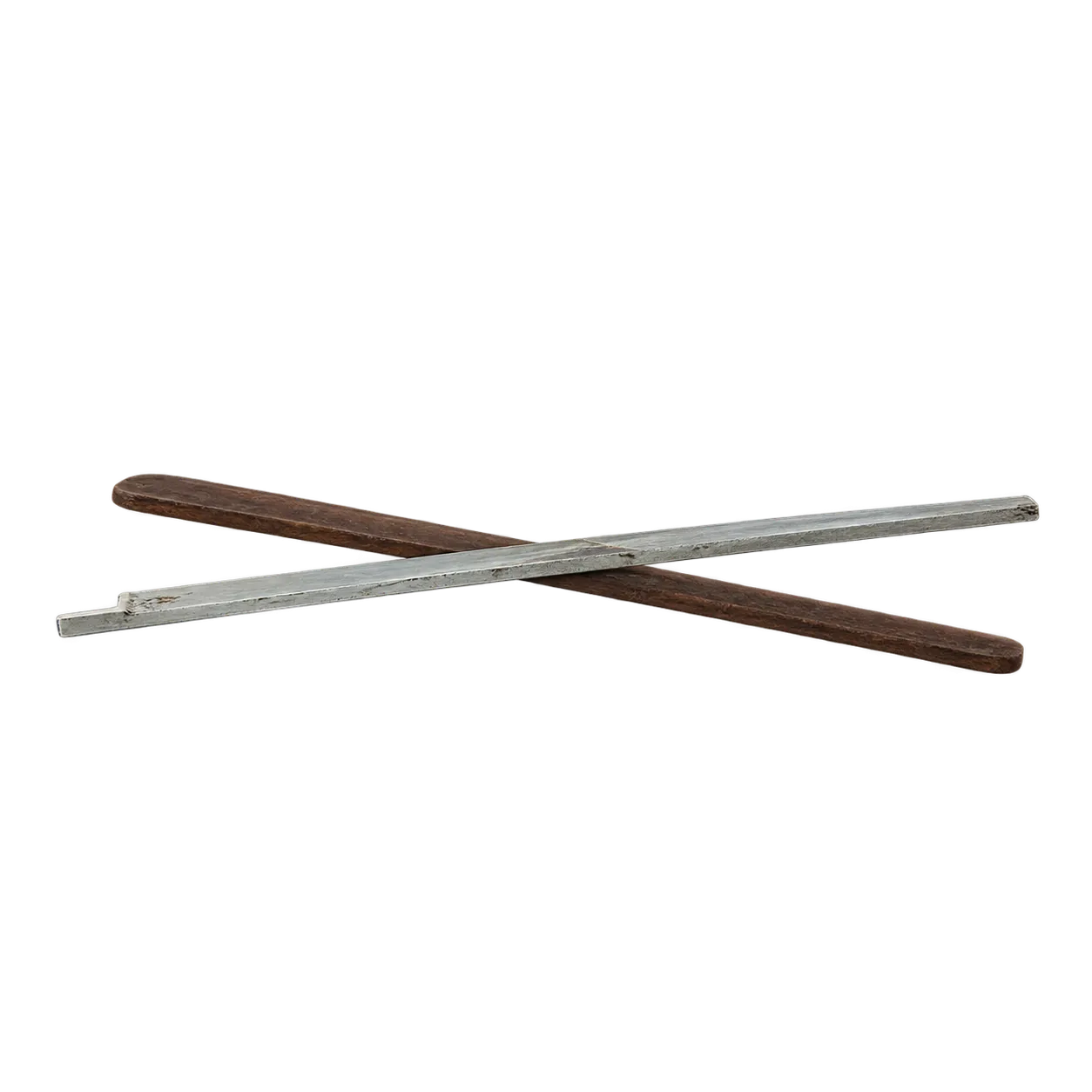
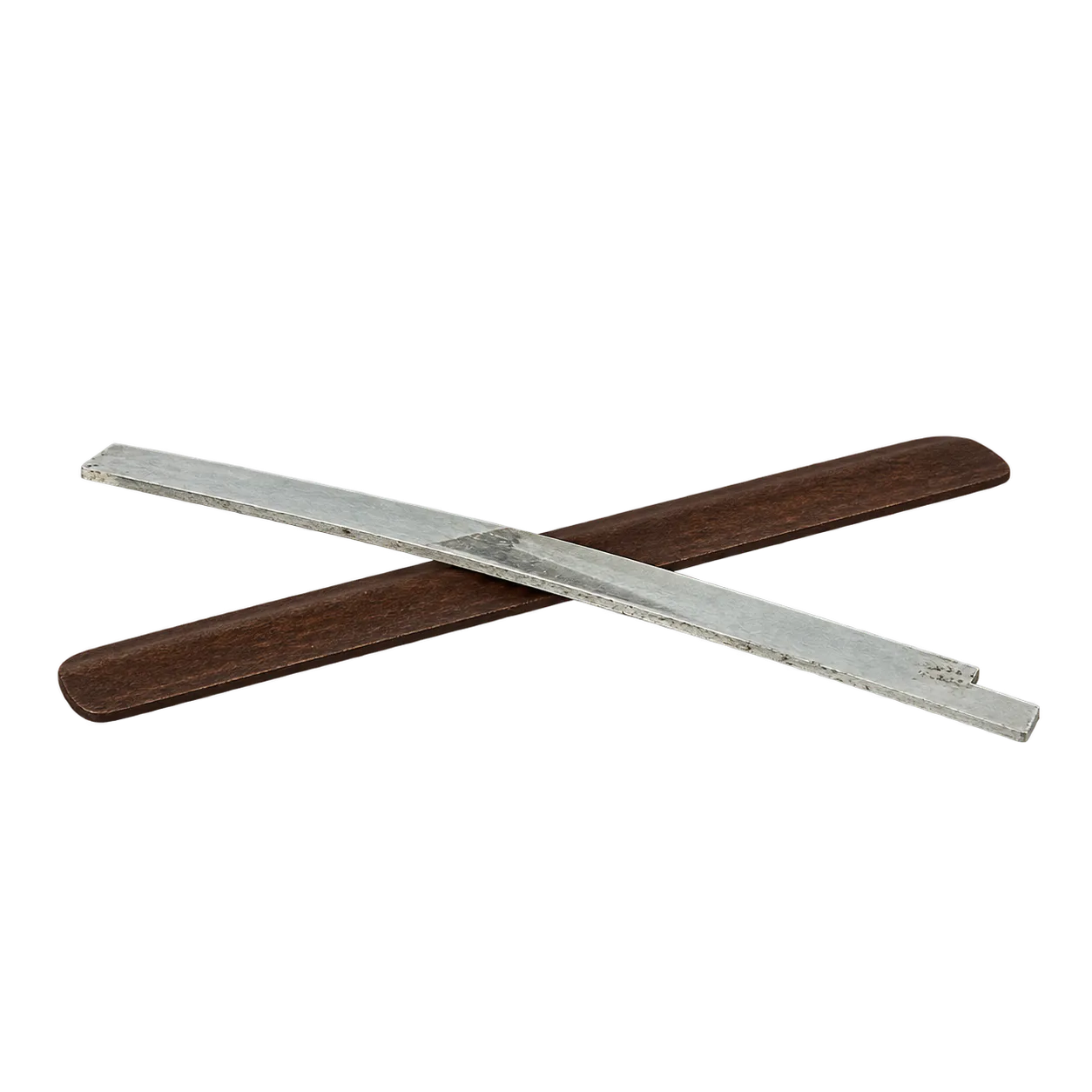
Paediatric orthoptic clinics are the main setting. Children with accommodative or partially accommodative esotropia are measured at every visit, with and without glasses, at distance and near. Those serial measurements decide whether glasses are enough or surgery is needed, and published limits of agreement show that only changes of about 12 Δ or more at larger angles can be trusted as real.
Intermittent exotropia clinics monitor deviations for progression over many months or years. Changes of 10 Δ or more are generally treated as meaningful, and a single bar held the same way at each visit keeps technique consistent between examiners.
Neuro-ophthalmology and stroke services measure esotropia from sixth nerve palsy in primary position and lateral gaze, tracking recovery over weeks and months. Published limits of agreement of about ±10 Δ in this group show why consistent equipment matters.
Strabismus surgery planning uses the largest reliable measurement at distance and near. Confirming the bar's calibration position before those measurements are taken is part of accurate surgical dosing.
Optometry practices with a binocular vision interest can measure decompensated phorias and convergence insufficiency with the low segments, and measure fusional reserves with base-in and base-out steps, recording the break and recovery points at each visit.
The bar suits services that often see angles beyond 45 Δ less well, since some infantile esotropias exceed its range, and it measures horizontal deviations only. Institutional buyers commonly ask for evidence of conformity. The conformity documentation those procurement routes require is issued by the manufacturer and provided by the seller.