
Infants and Very Young Children
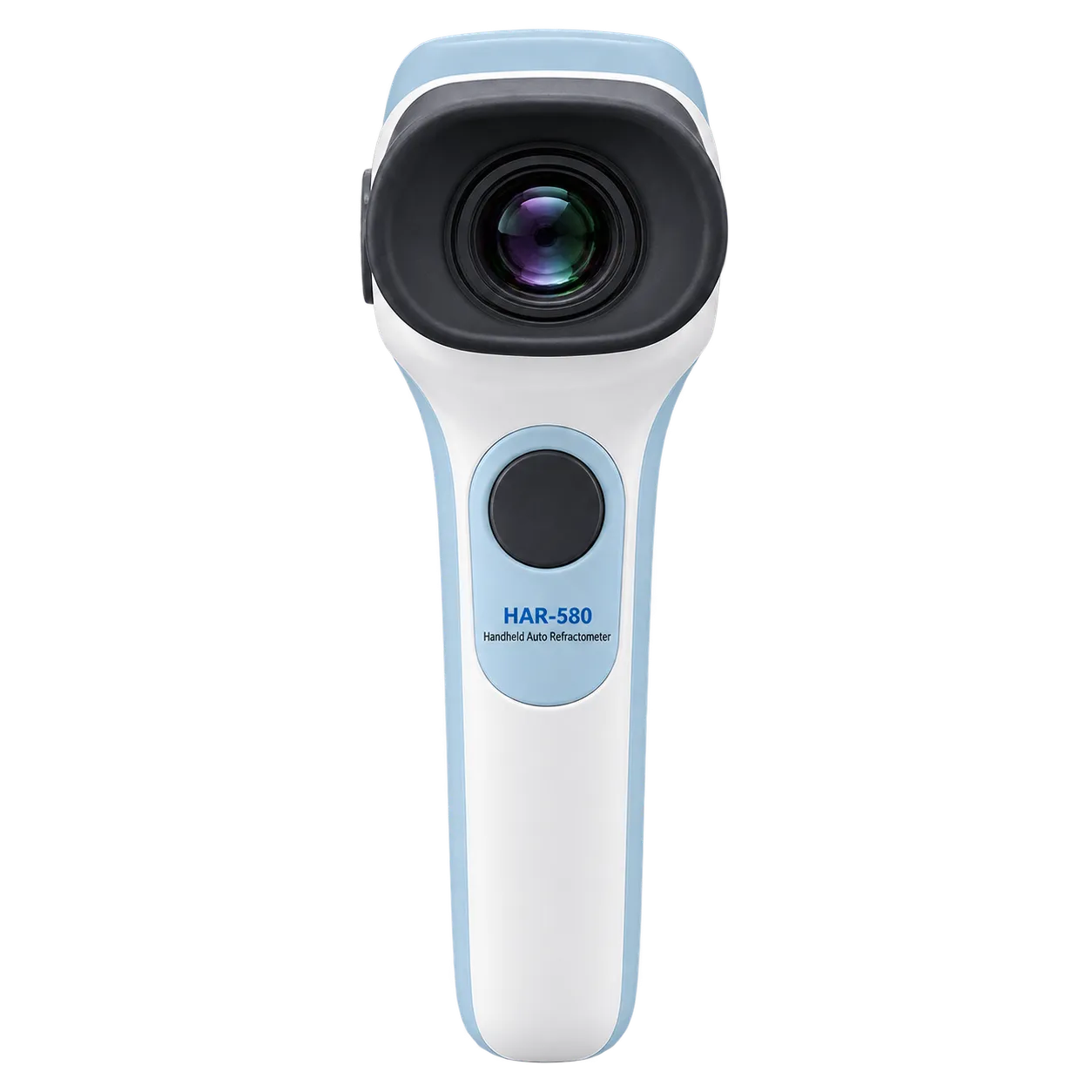
The manufacturer names infants specifically, and the reasoning holds. A one second acquisition needs no fixation held for any length of time, no verbal response and no understanding of what is being asked of the child. An instrument brought to a child in a parent's arms works where a table mounted unit with a chin rest simply cannot. This is where objective screening earns its place most clearly of all, and where the alternative is no reading.
Patients With Disabilities or Communication Difficulties
Disabled patients are also named. Conventional refraction assumes a patient can sit at an instrument, hold a position and answer questions about what they see. Where any of those assumptions fails, an objective handheld reading may be the only refractive information obtainable at all, and having a figure rather than nothing changes what a clinician is able to act upon at that appointment.
Community and Domiciliary Screening
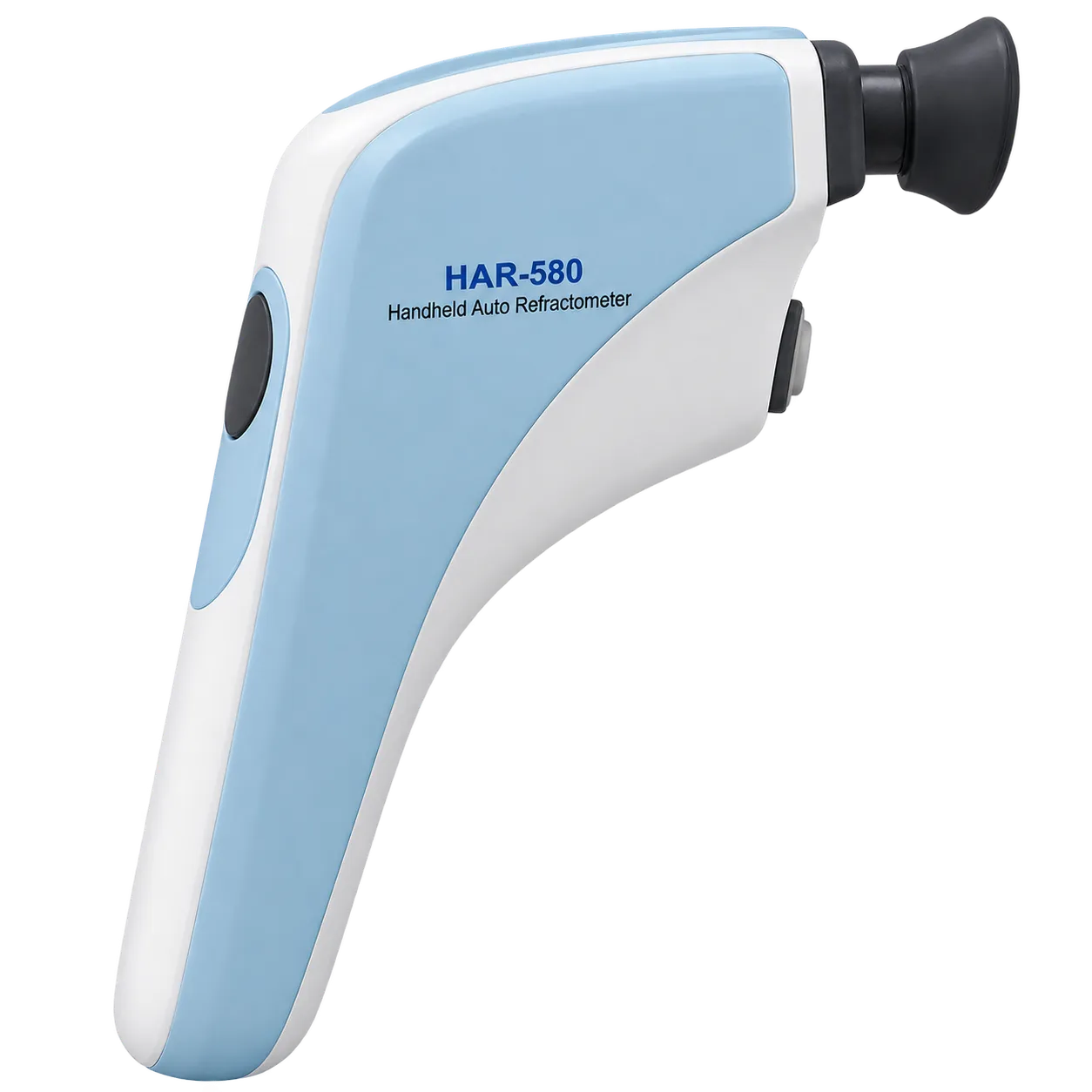
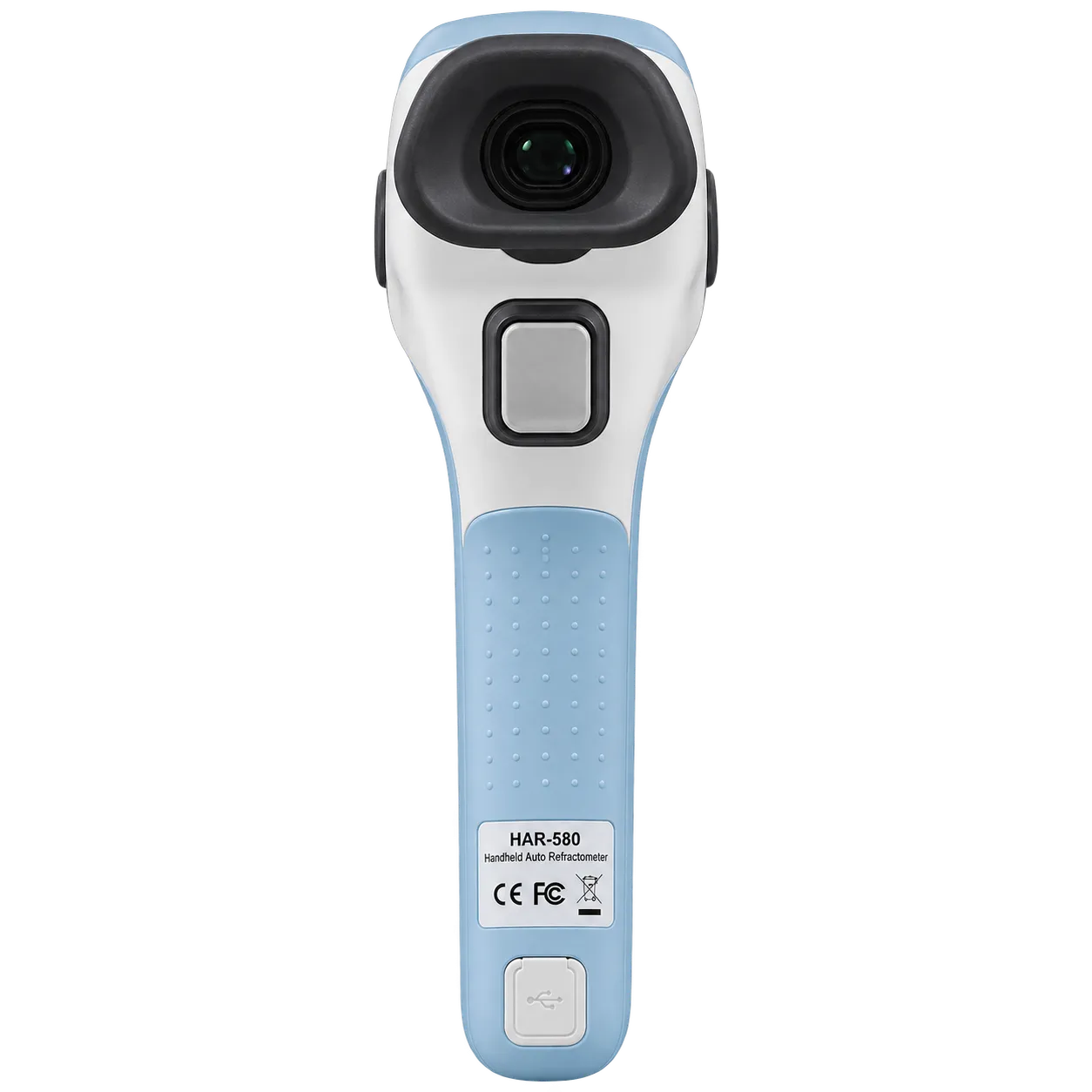
At 360g the instrument travels easily to schools, care homes and private residences. Because the report is handled on a connected computer or tablet, results can be reviewed on the spot and shared onward immediately. For services that see people where they live rather than in a clinic, portability determines whether screening happens at all rather than being deferred indefinitely.
Practice Pre Screening and Referral
In a practice setting the instrument gives a rapid objective figure before fuller testing, and recorded sphere, cylinder and axis values give a referral measured content in place of a general impression. A receiving clinician has something concrete to work from, and a later reading can be compared directly against the original.