
Practices Not Requiring Keratometry
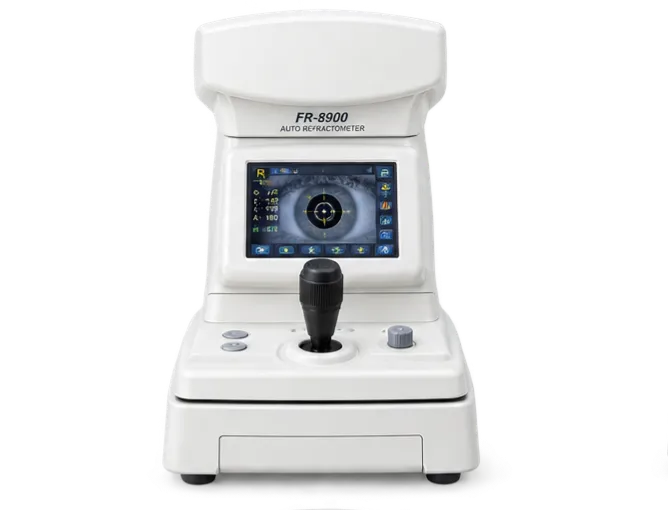
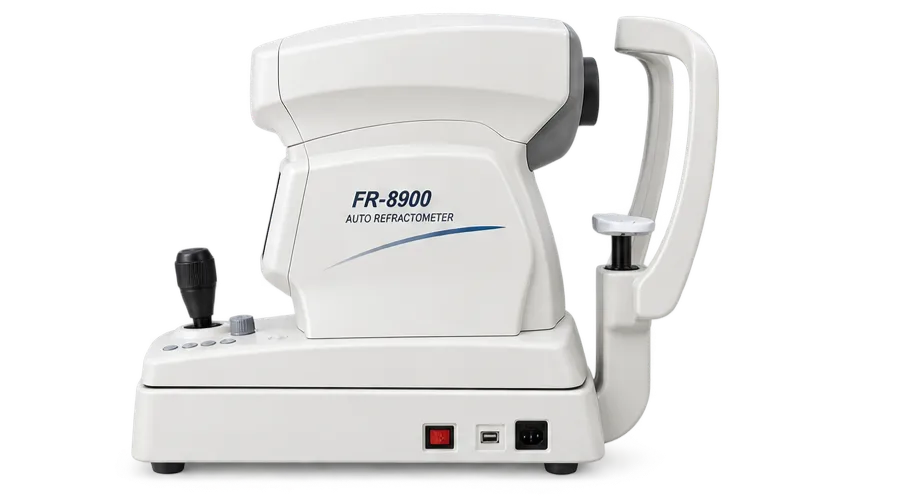
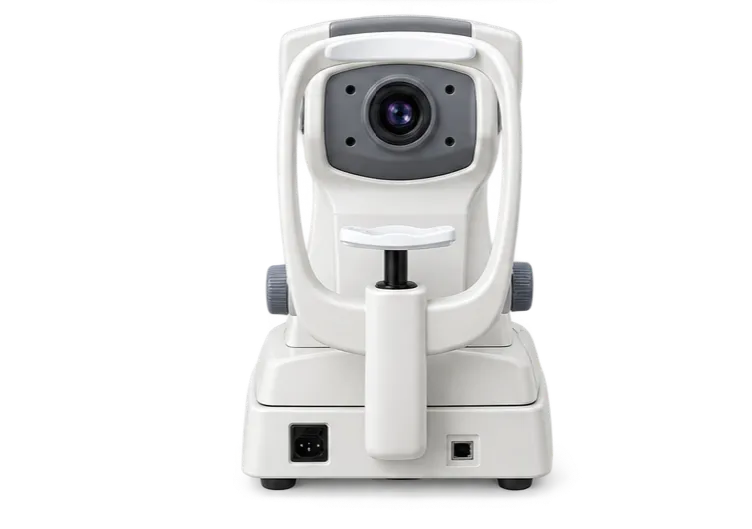
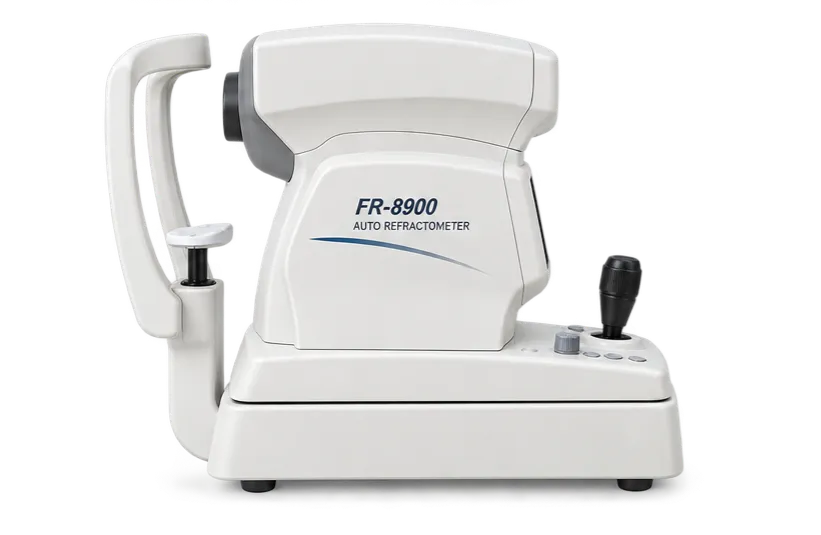
Where corneal curvature is never measured, a refraction only instrument avoids paying for capability that would go unused. Practices fitting contact lenses should consider the keratometry model, which has its own documented figures. Unused capability still costs money. Separate tables make the split clear. Contact lens work needs the other model. Its figures are documented fully. Capability never used still costs. Two tables make choosing straightforward. Function decides the model.
Routine Refraction Work
Sphere to 20 dioptres either way and cylinder to 8 cover the great majority of adult presentations. What is finally prescribed remains a clinical judgement rather than an instrument output. Extremes are uncommon in most practices. Judgement about prescribing stays clinical. Sphere reaches twenty dioptres either way. Cylinder covers eight in both directions. Adult caseloads sit well inside those spans. Extremes are genuinely uncommon. Prescribing stays clinical.
Busy Lists
An automatic fog chart removes accommodative error from the figure produced rather than leaving it to the operator, which matters most where many patients pass through in succession. Fogging removes operator variability entirely. Lists move through more quickly. Many patients pass through in succession. Consistency follows from the automation. Operator input falls considerably here. Accommodative error leaves the reading. Sequences run consistently.
Services Comparing the Two Models
The keratometry model reads a wider sphere range, finer pupil distance and a smaller minimum pupil. Those three figures are what separate the instruments beyond the corneal capability itself. Three figures separate them beyond keratometry. Caseload decides which suits. Wider sphere and finer steps appear opposite. Corneal capability sits there too. Those three differ beyond the corneal rows. Caseload composition decides sensibly. Both are documented fully.