
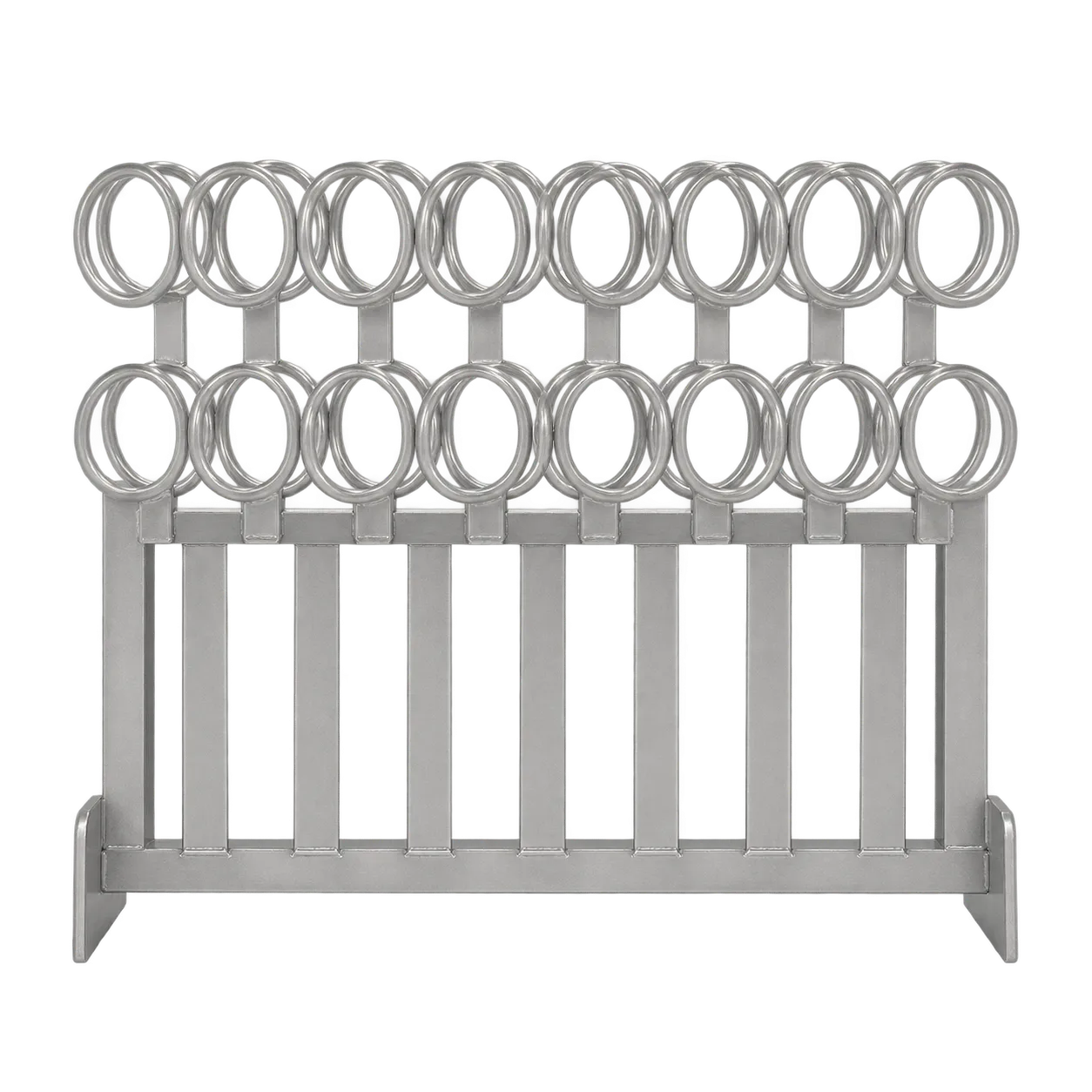
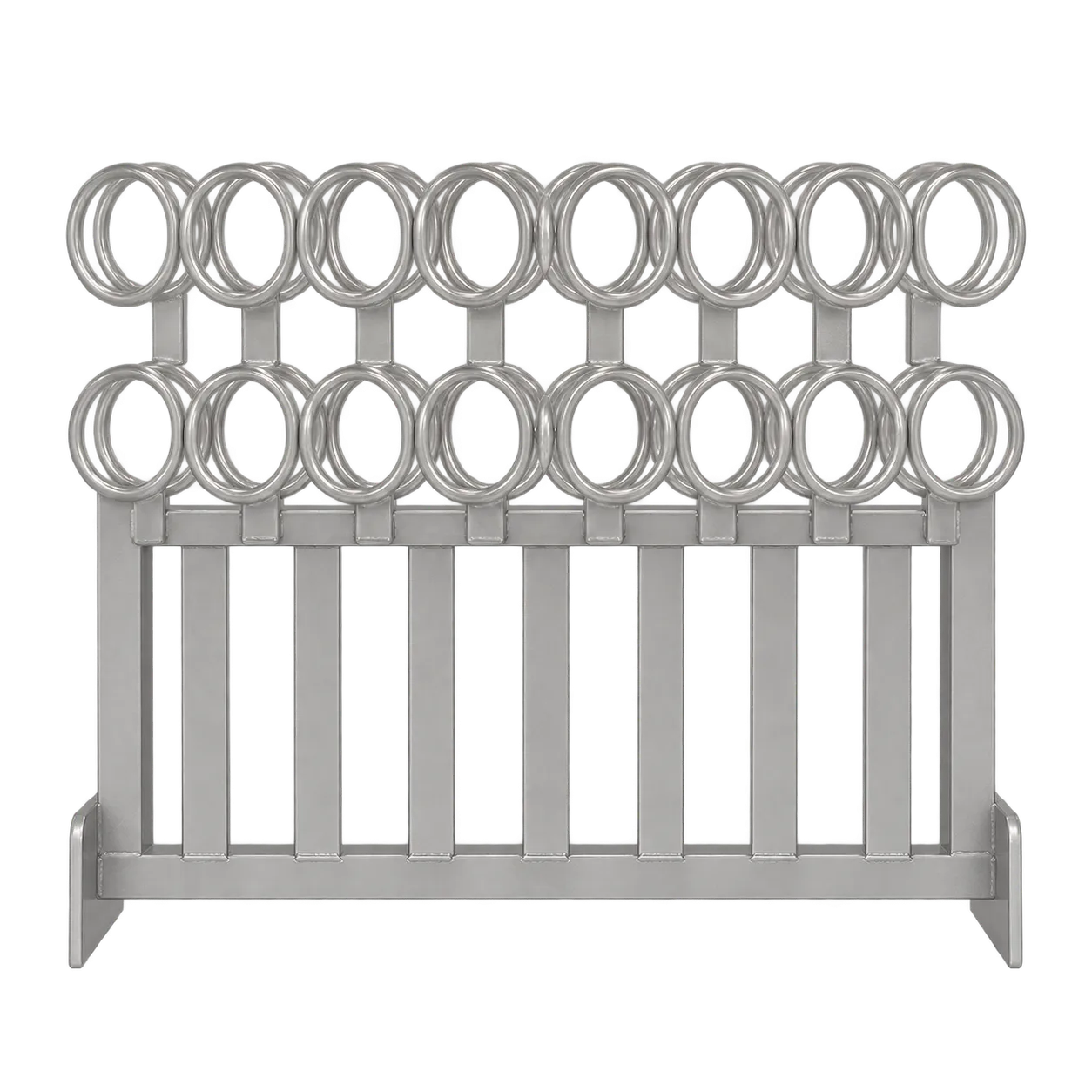
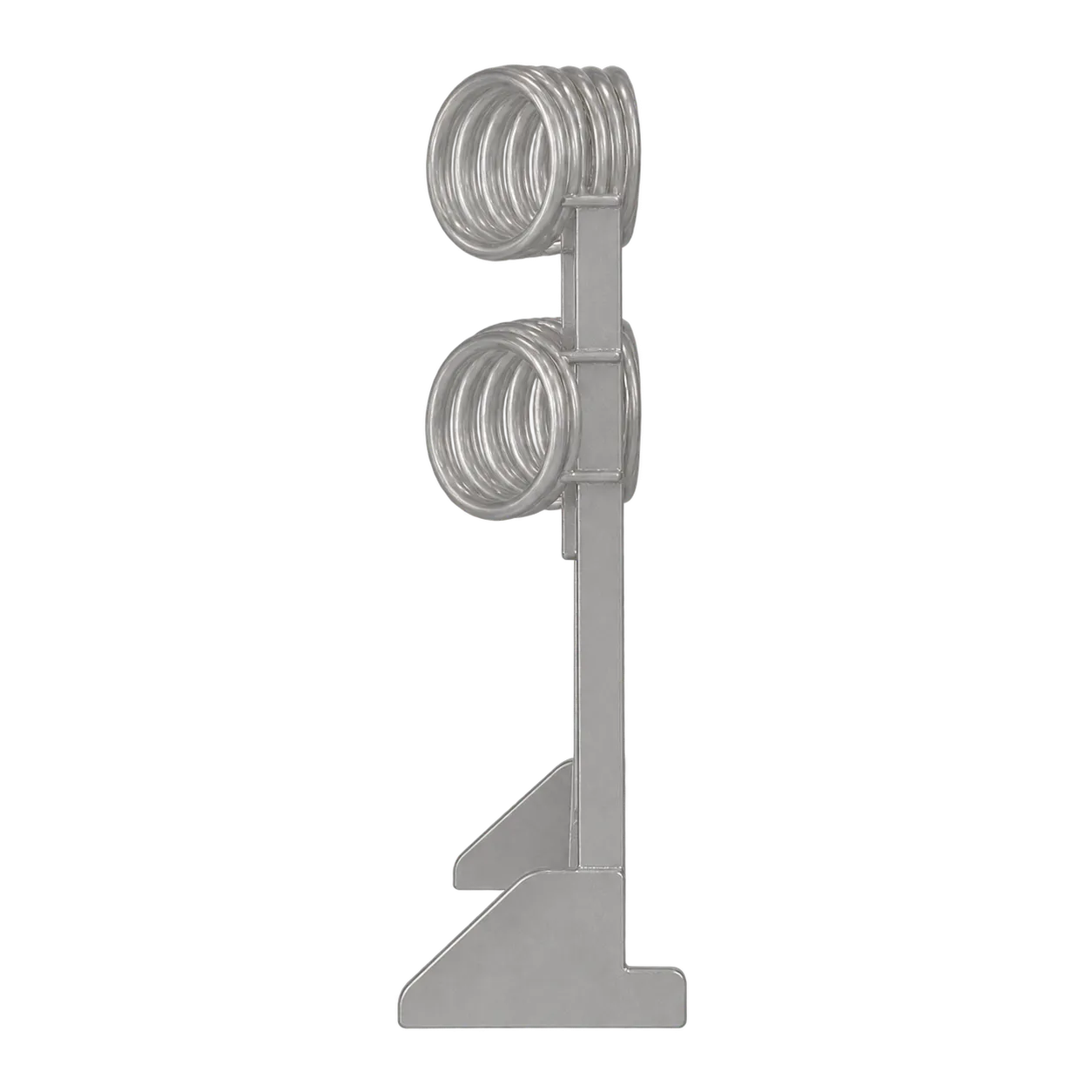
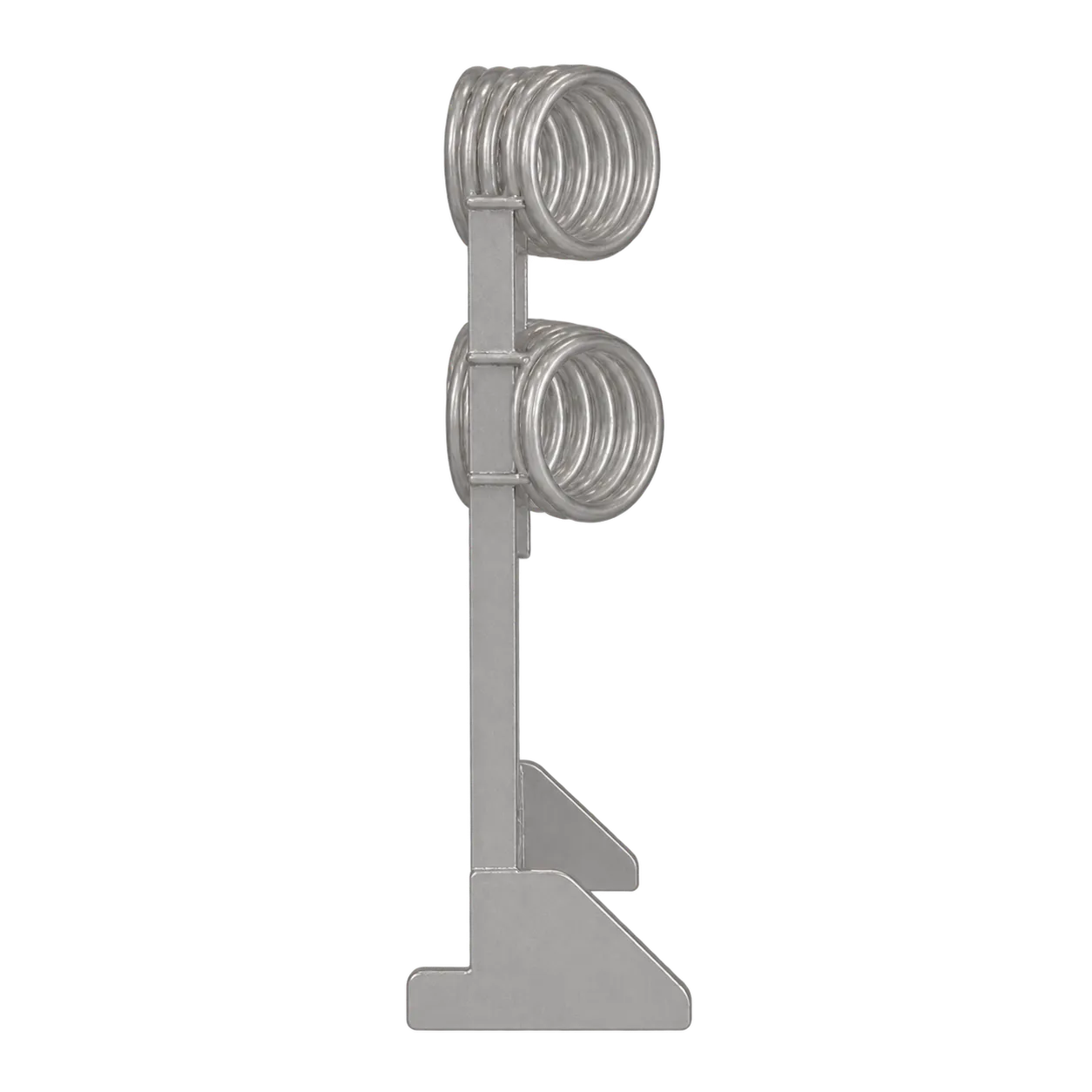
Vision therapy practices are the clearest fit. Therapy programmes step through graded flipper powers as the patient improves, and a rack that holds every power in a fixed place lets the clinician move from one step to the next without searching.
Binocular vision clinics assess accommodation and vergence in the same session. If the collection includes both spherical and prism flippers, the two racks could hold one group each, subject to the seller confirming the contents.
Orthoptic departments see a wide range of patients and may need several powers in one clinic. Keeping them racked by power, in labelled slots, supports quick selection during busy lists.
Teaching clinics can use a full collection to show students how facility results change with power, and the rack helps staff check that every flipper is returned after a session.
Multi-room practices can split the two racks between rooms, or keep them together in a shared testing area, depending on how the collection is divided.
A fixed layout also supports arrival checks. Each flipper can be read on a focimeter, its power recorded against its slot, and the rack labelled to match.
Paediatric clinics working through graded programmes with children can keep the racks out of reach between sessions and set out only the powers needed for each appointment.
The FP-01 is less suited to clinics that need only one or two powers, or that must know the full contents before ordering. Any declaration of conformity is issued by the manufacturer and provided by the seller.