
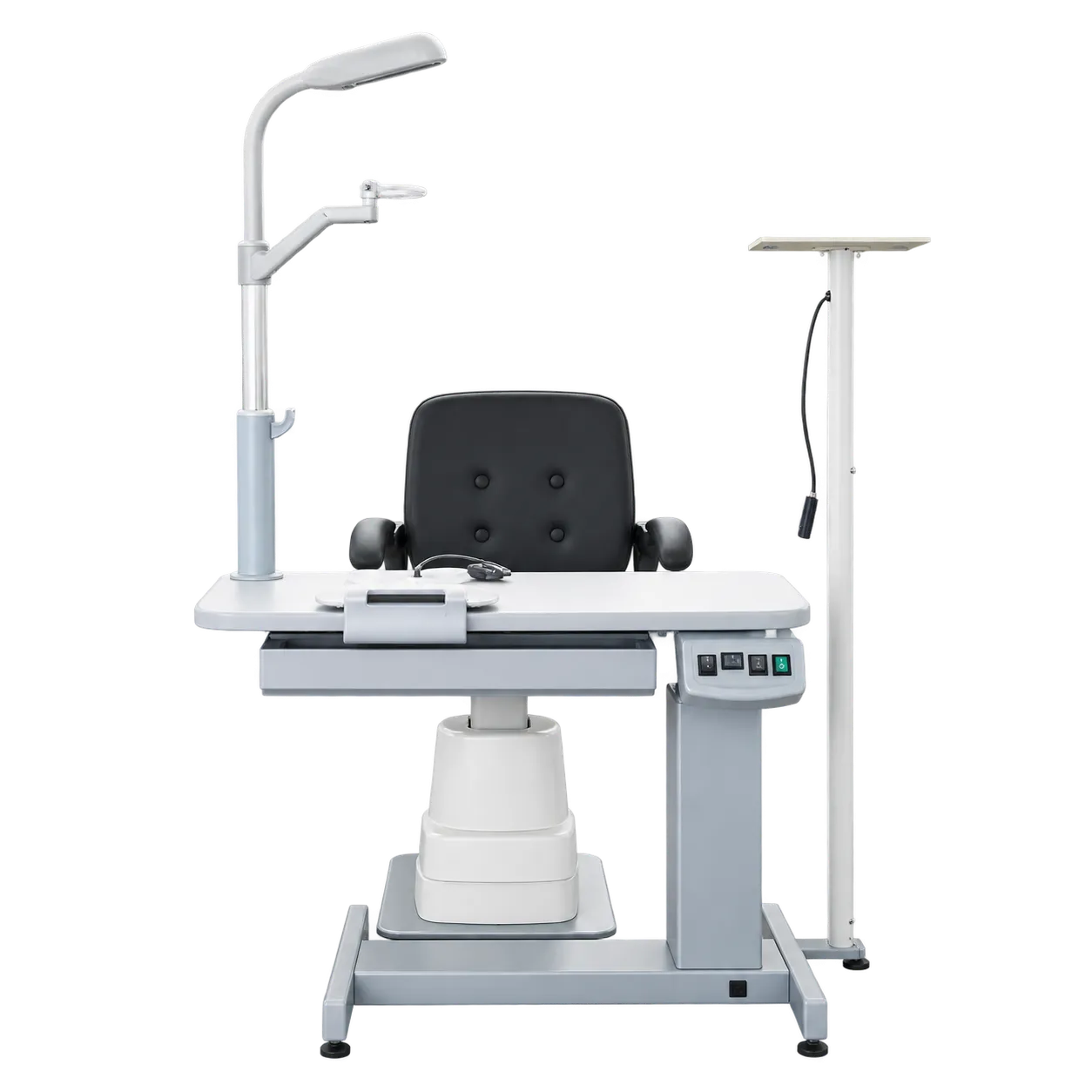
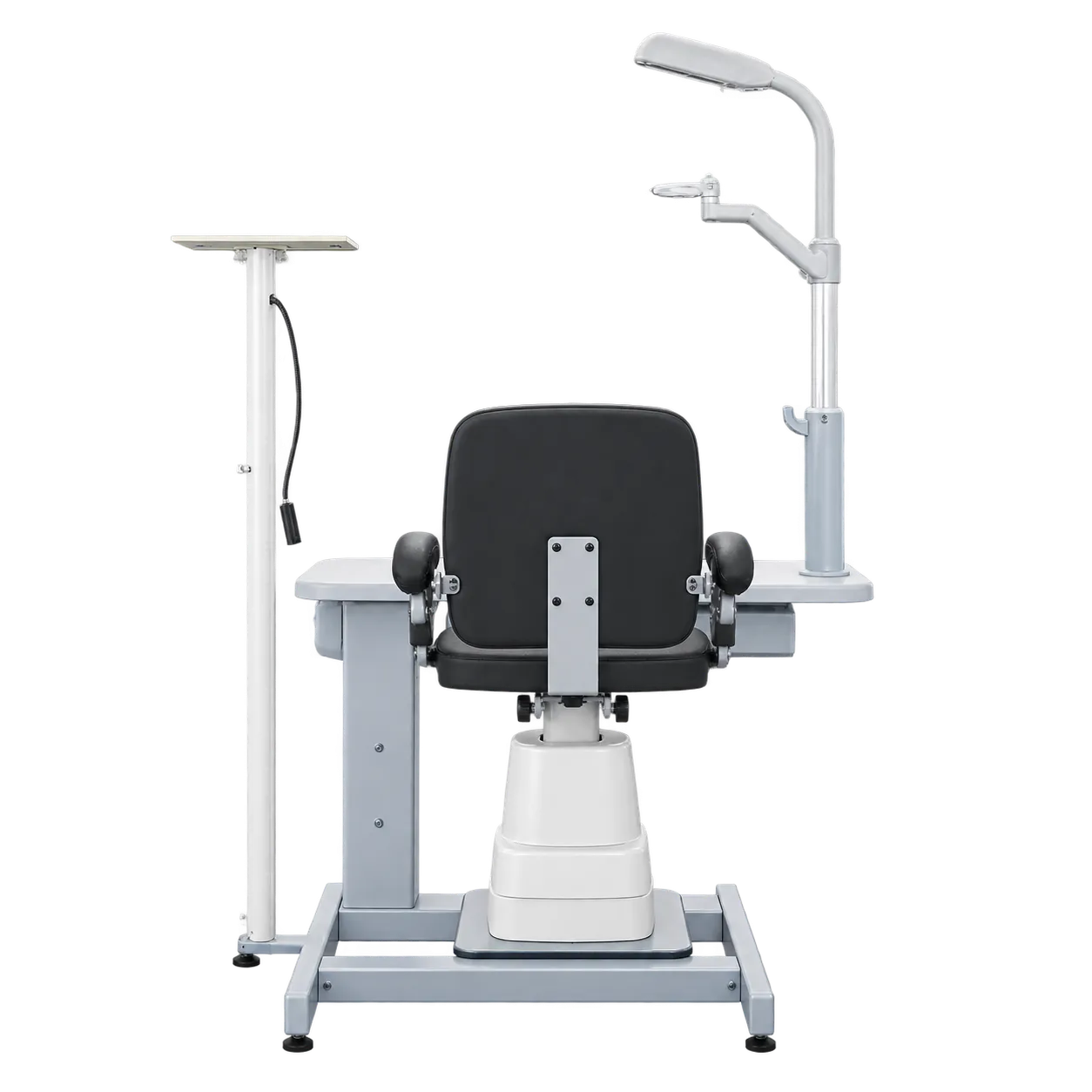
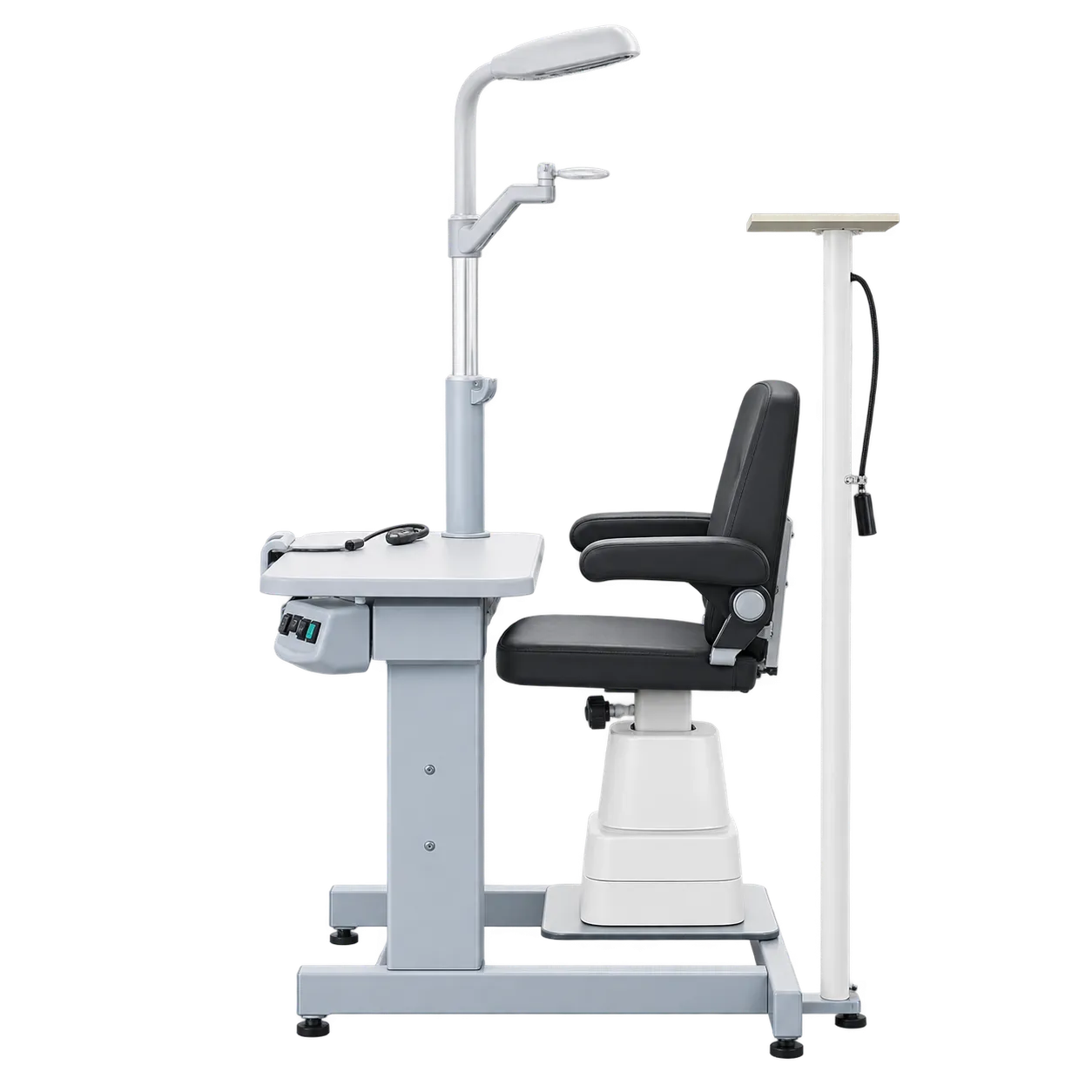
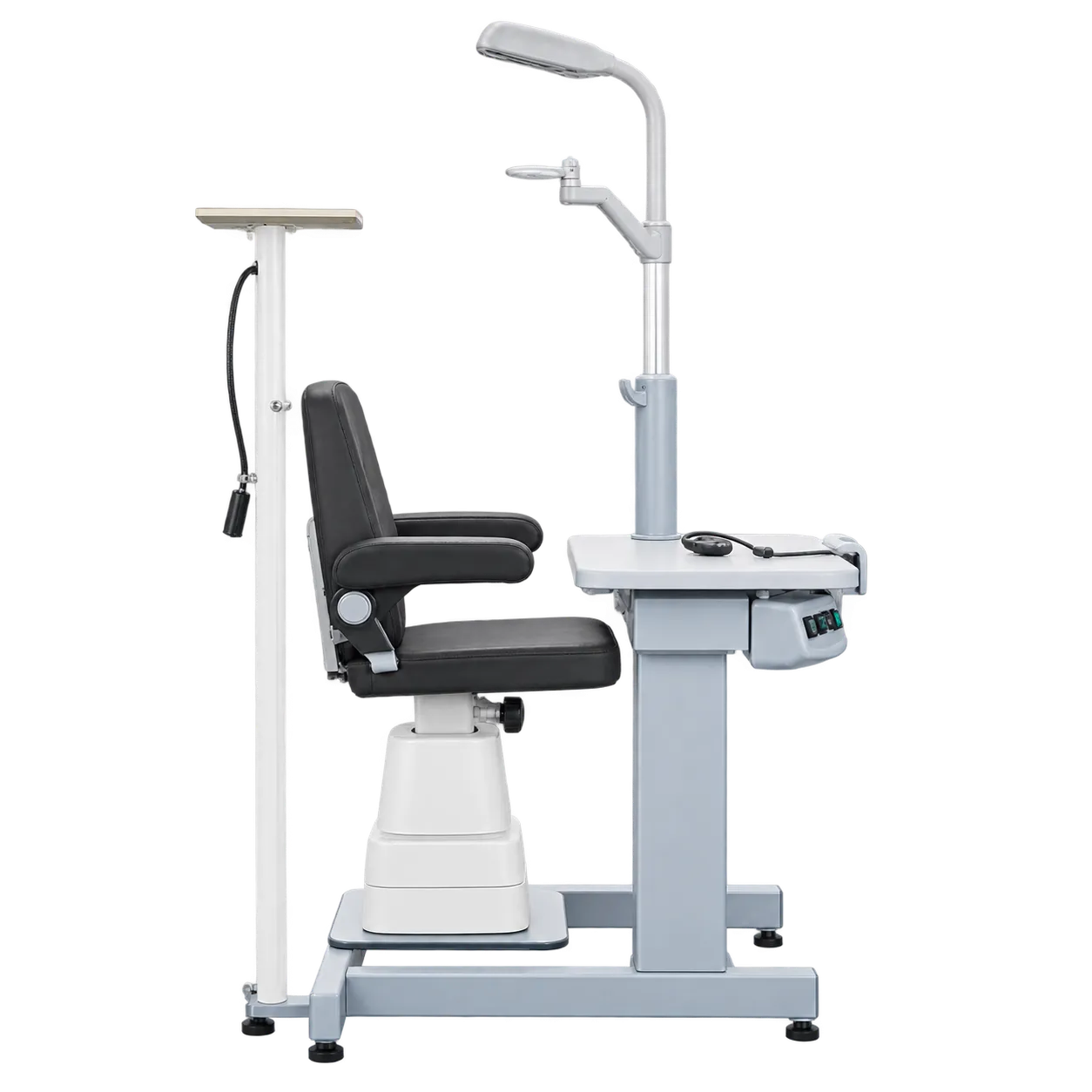
Small consulting rooms benefit from an argument about which floor area is valuable rather than how much there is. The strip against a wall is nearly free; the middle of the room is where the patient walks in, the clinician moves around and a wheelchair turns. A unit projecting a metre forward claims its floor from the expensive part. At 500 mm this one takes it from the cheap part, and the room feels considerably less crowded than the total area alone would predict.
Circulation is what makes a small room workable, and it is the first thing a deep unit consumes. For practices where patients arrive with sticks, frames or companions — which is most practices — preserving the route through the room matters more than the difference between a 500 mm and a 620 mm worktop.
Wall runs suit the shape. At 1180 mm wide the unit wants a continuous stretch of wall, which most consulting rooms have. Rooms broken by doors, windows or corner returns should be measured first, since width is this unit's constraint where depth is everyone else's.
The 440 mm sliding stroke, the longest in this range, partly offsets the reduced worktop depth by bringing a secondary instrument forward when needed. The projector upright shown in the manufacturer's captions carries the chart position without a wall fixing, which suits leased premises.
Two things need settling. No weight is published, unlike most units here, which affects floor loading and delivery. And no stability figure is given for a 1720 mm frame on a 500 mm base — a shallow tall unit distributes mass differently from a deep cabinet, and the question is worth asking directly, particularly with a projector fitted to the upright.