
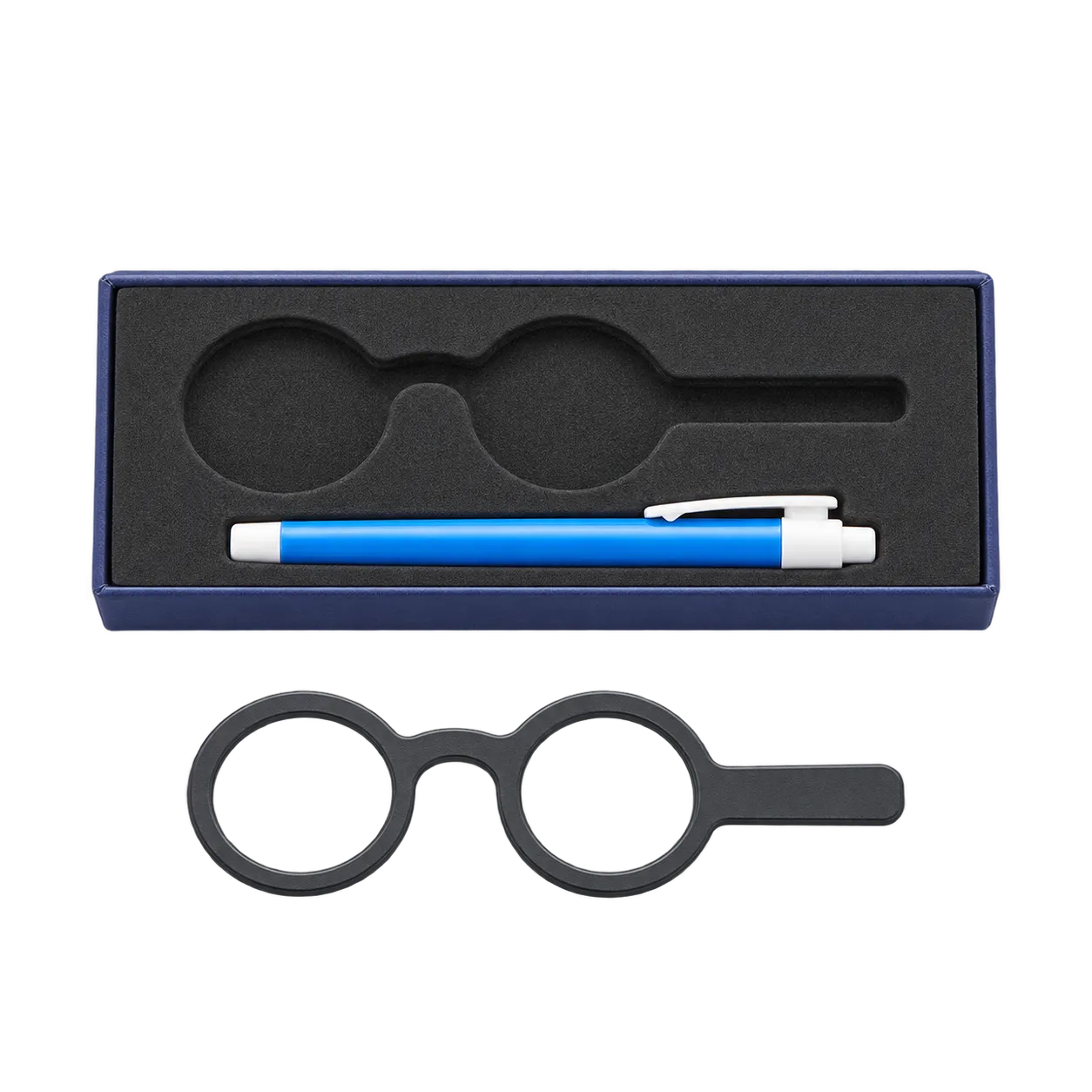
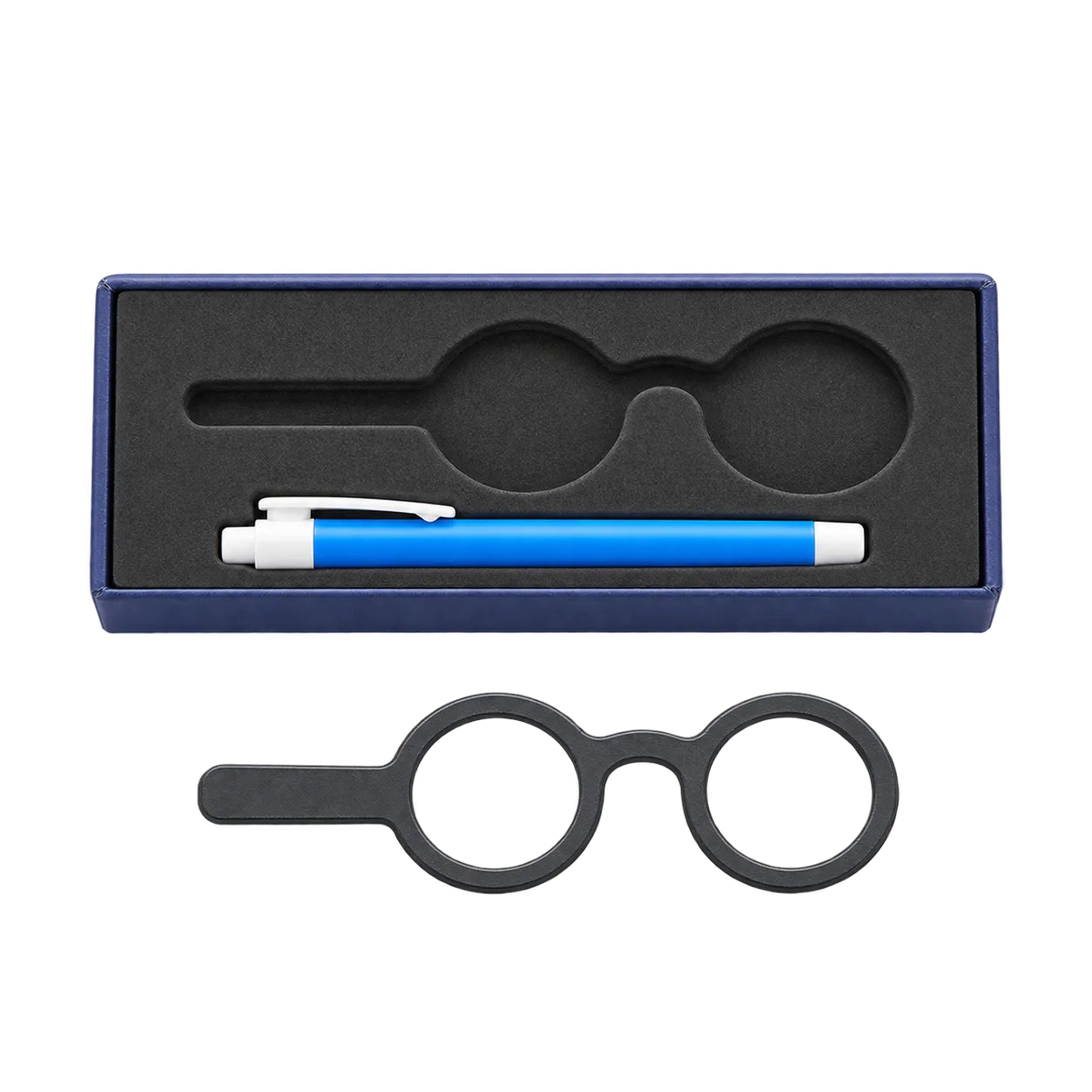
Orthoptic departments are the main setting. In children and adults with strabismus, the Bagolini test helps show whether the eyes are working together, whether one eye is suppressed, and whether a small central scotoma is present, under viewing conditions close to everyday seeing.
Paediatric clinics use the test as part of amblyopia and squint assessment. Because the lenses are almost clear, children see the room normally, and many find the task of describing the lines simple.
Assessment before strabismus surgery often includes a check of retinal correspondence and suppression, and the Bagolini result forms part of that picture alongside cover testing and prism measurements.
Binocular vision clinics in primary care optometry can use the test when investigating symptoms such as intermittent double vision.
Neuro-ophthalmology and eye casualty services investigating new double vision can use the test to show how the two images relate, alongside other binocular measurements.
Monitoring over time is straightforward. Repeating the test at follow-up visits shows whether suppression or correspondence has changed after treatment.
Teaching clinics can use the lorgnette and penlight to show students how each response pattern appears, working through the possible findings one by one.
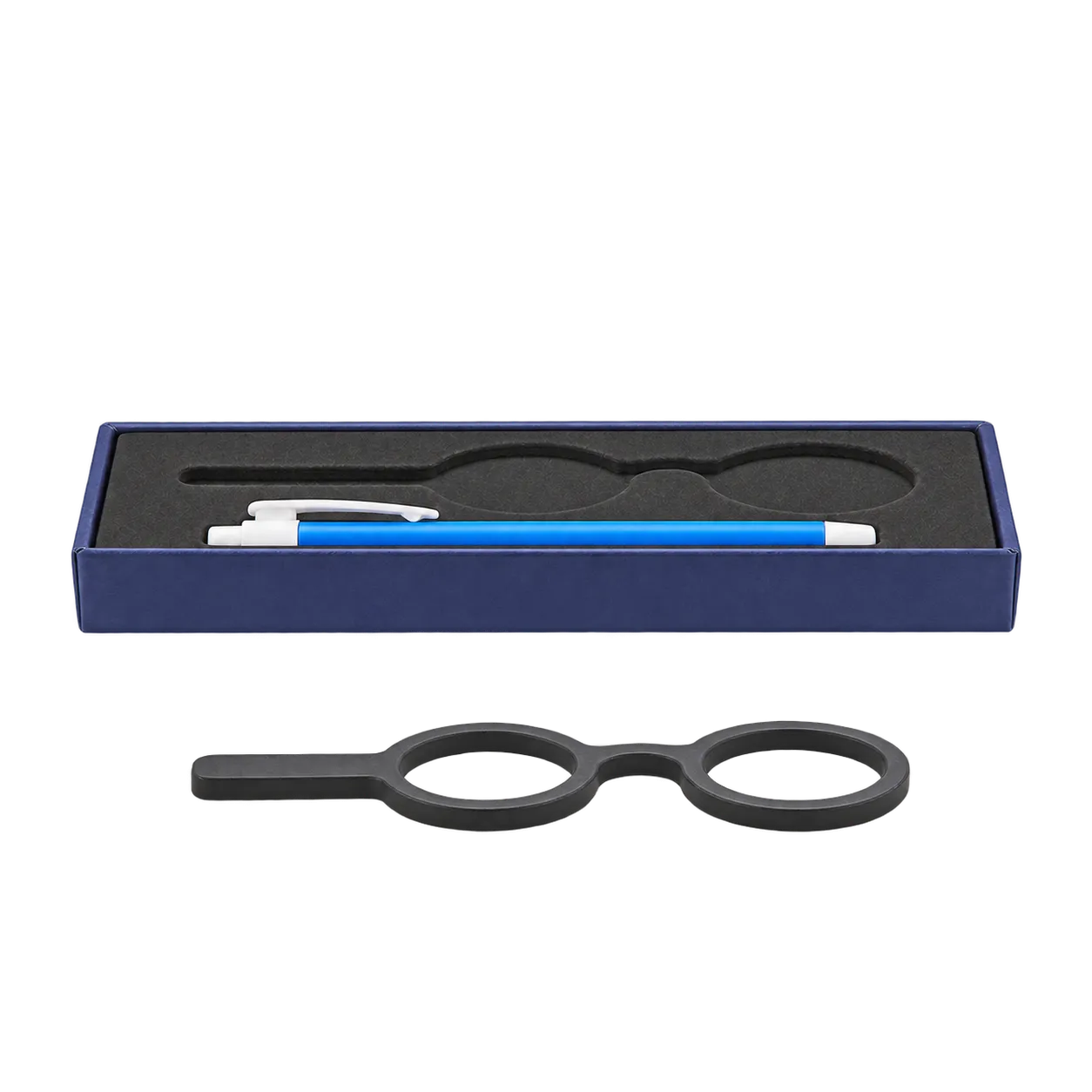
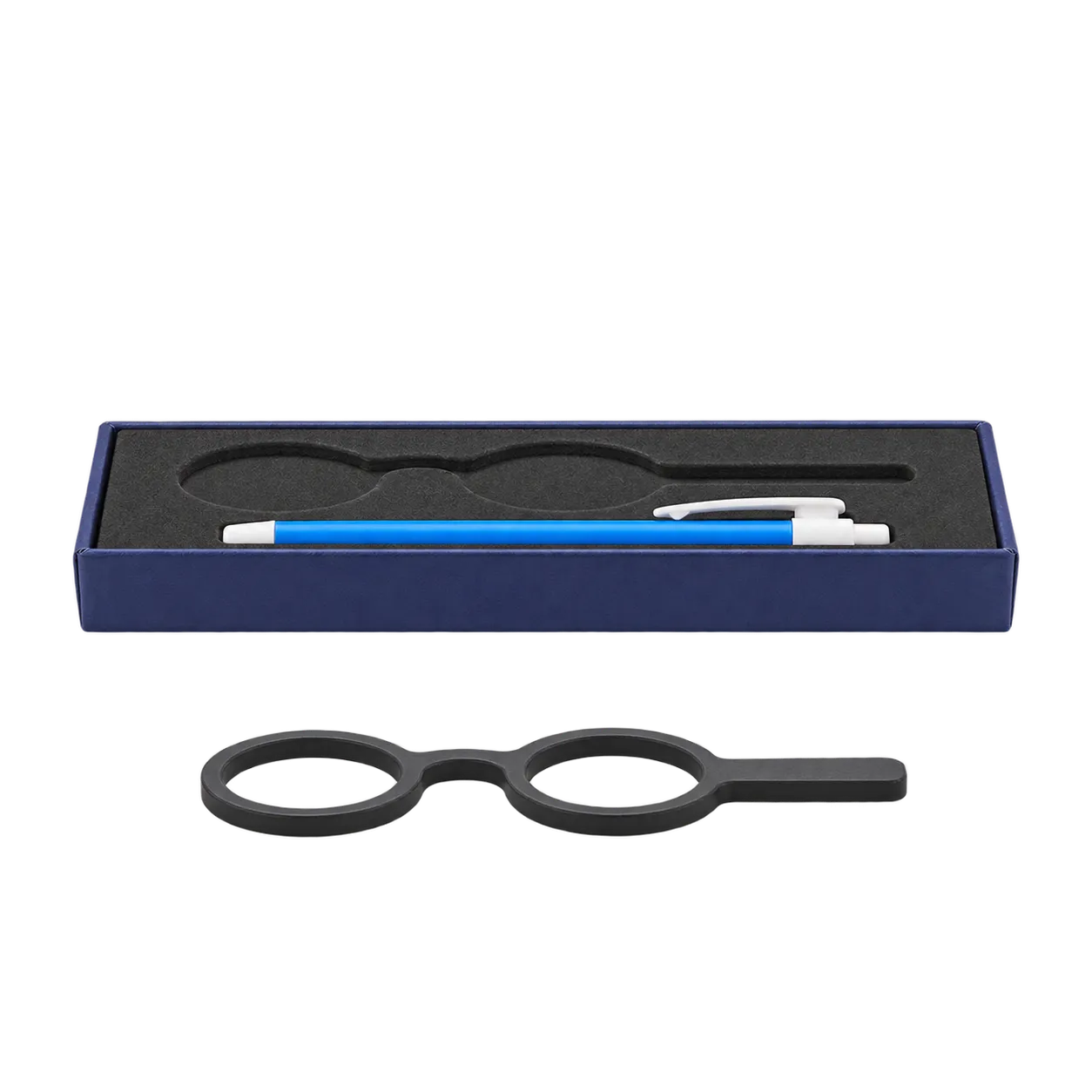
The fitted box keeps the frame, lenses and penlight together, which suits departments where equipment moves between rooms and domiciliary orthoptic visits.
The BL-1 is less suited to clinics that need striation angles, markings and contents confirmed before purchase, since none is published. Any declaration of conformity is issued by the manufacturer and provided by the seller.