
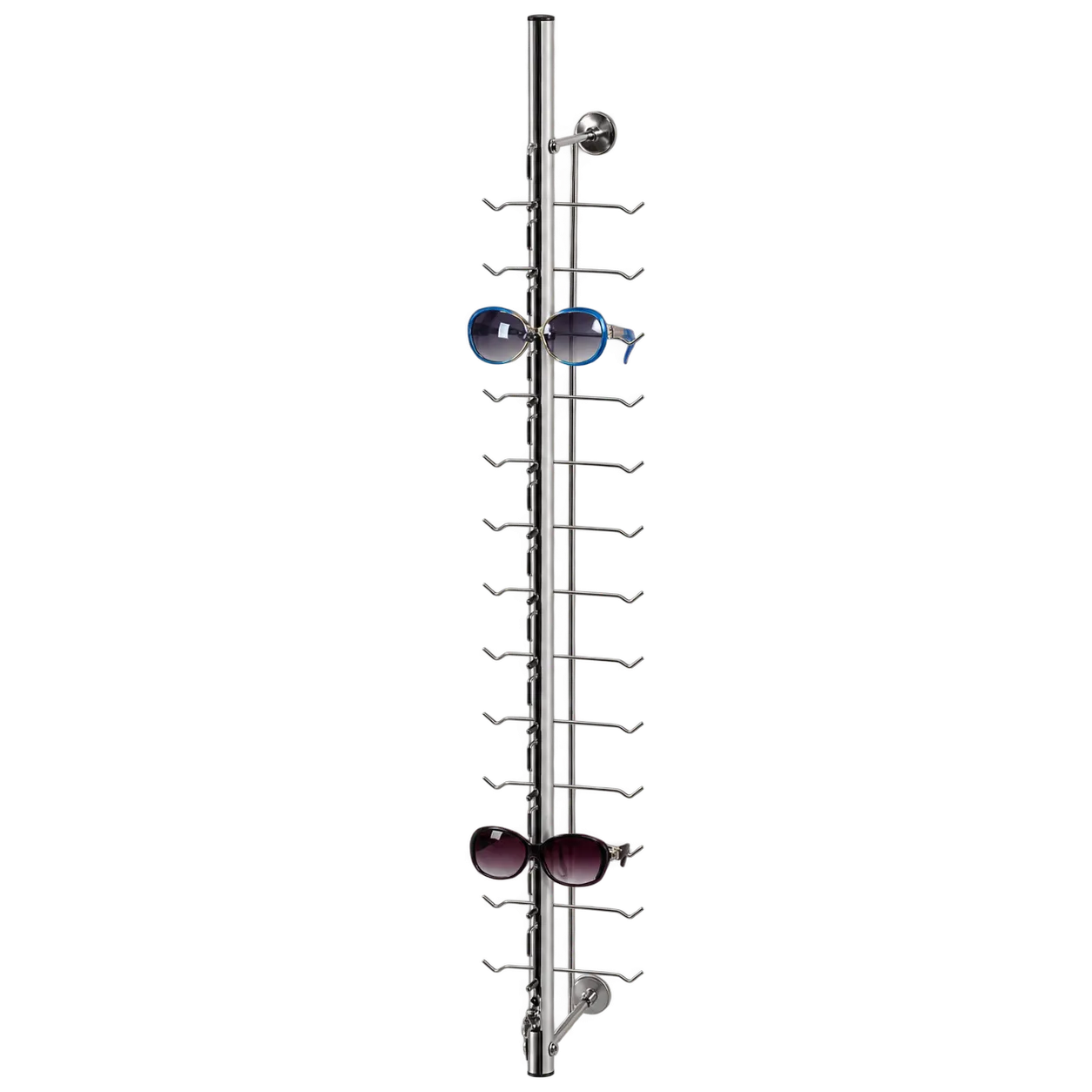
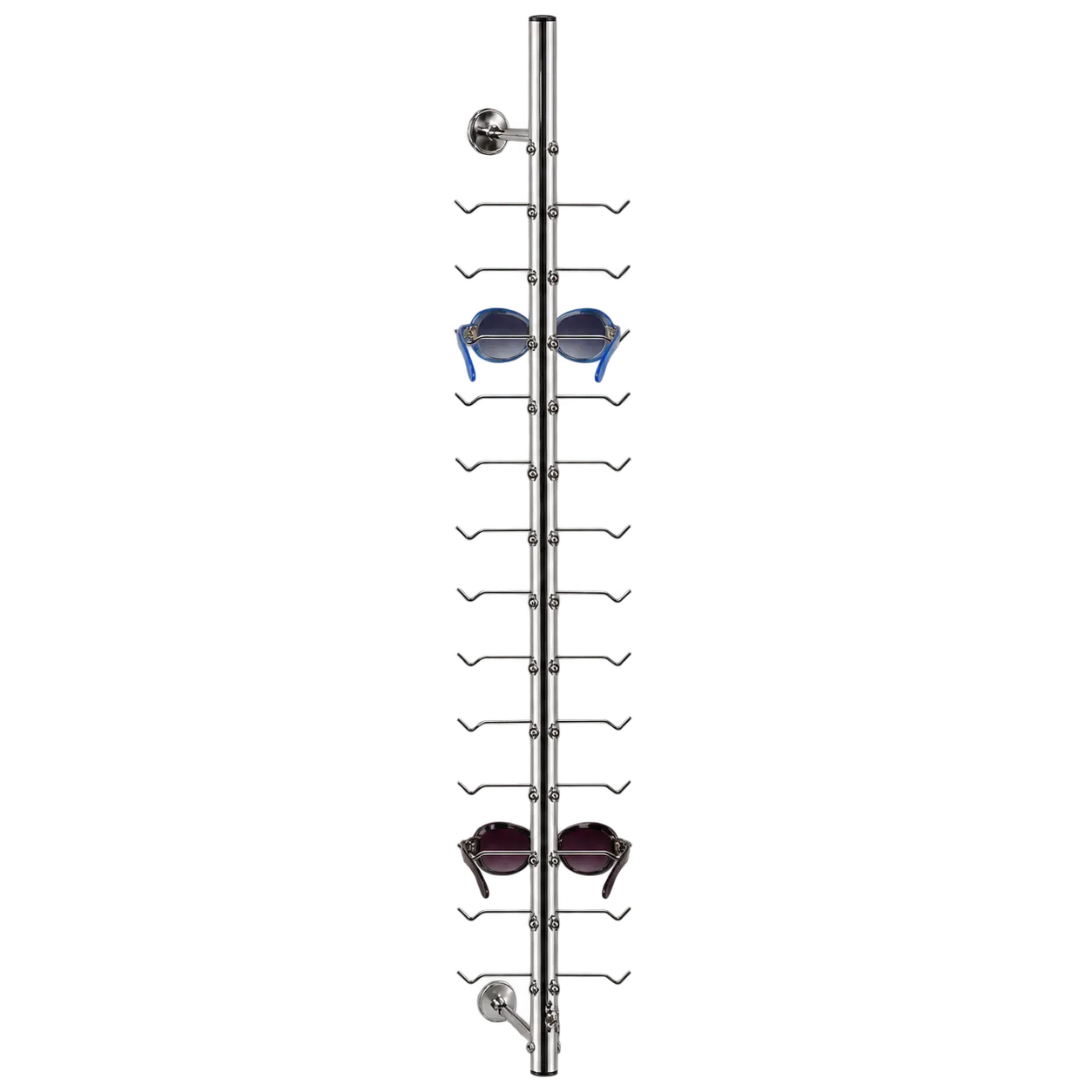

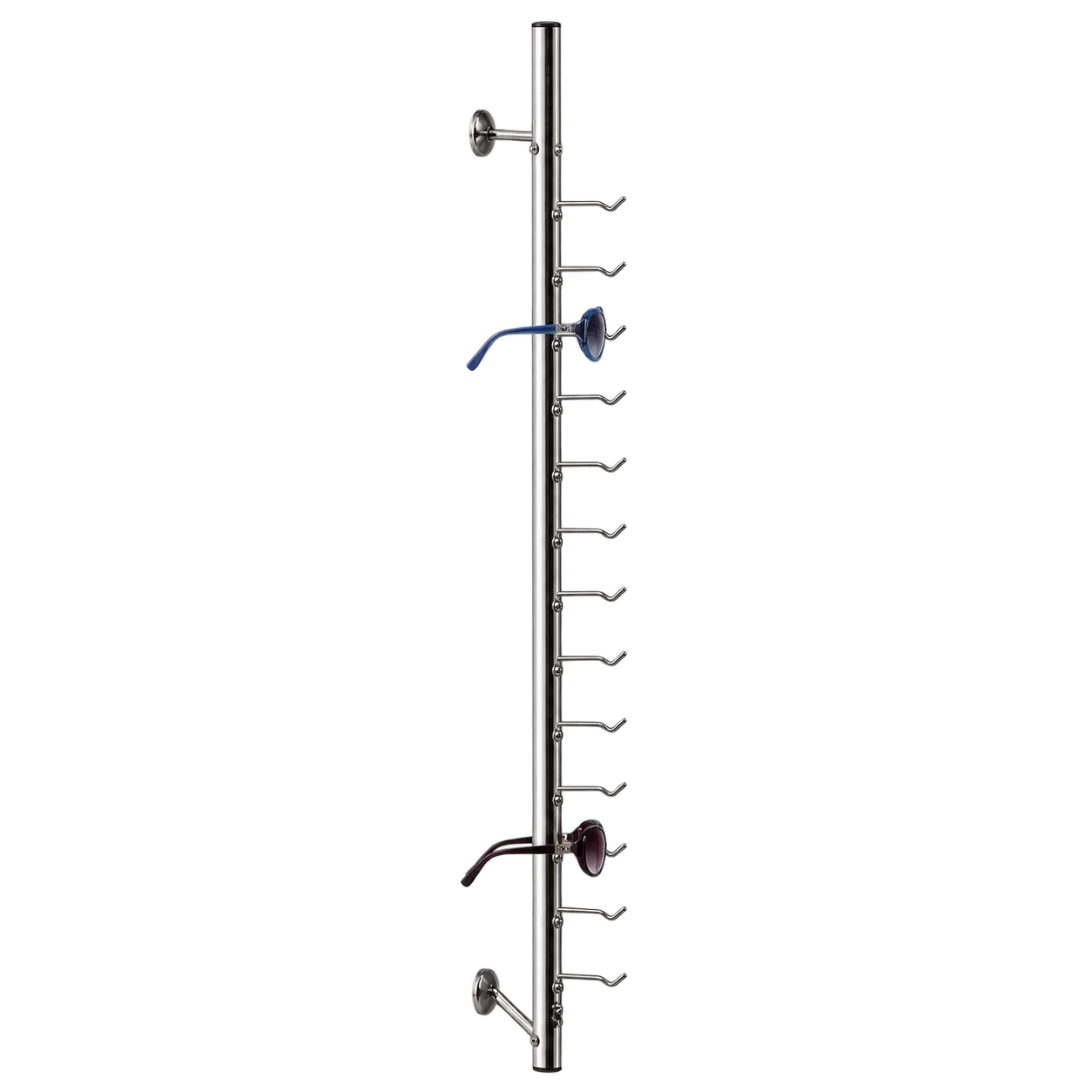
The mechanism decides where the BA-16 belongs. One wire guards the whole column, so the rod suits ranges that are sold a column at a time. Examples are a brand's sunglass collection in an optical practice, a seasonal range in an airport or resort shop, and a run of optical frames near the dispensing desk in an eyecare clinic. Staff open one rod for one customer, lay out a few pairs and close it again. Shops that need each item locked singly are outside its scope.
A simple barrier is a proportionate answer to a common loss. The British Retail Consortium's survey published in March 2025 counted roughly 20 million thefts from UK retailers in a year. A guard wire takes away the quick, unnoticed lift that an open hook allows. It also adds a step for honest customers. Numerator's 2024 survey of over 5,000 US shoppers found 27% would switch store or give up on meeting locked goods, so the mechanism pays where staff are close enough to turn the key promptly.
Using it well takes a short routine. Staff should know which way the key turns, how the guard moves and when to relock, and the fitting instructions cover all three. Mounting height follows the Equality Act 2010 duty on reasonable adjustments and the reach guidance in BS 8300-2. Larger buyers often ask for mechanism details in a tender or fit-out specification. The conformity documentation those procurement routes require is issued by the manufacturer and shared by the enquiry team.