
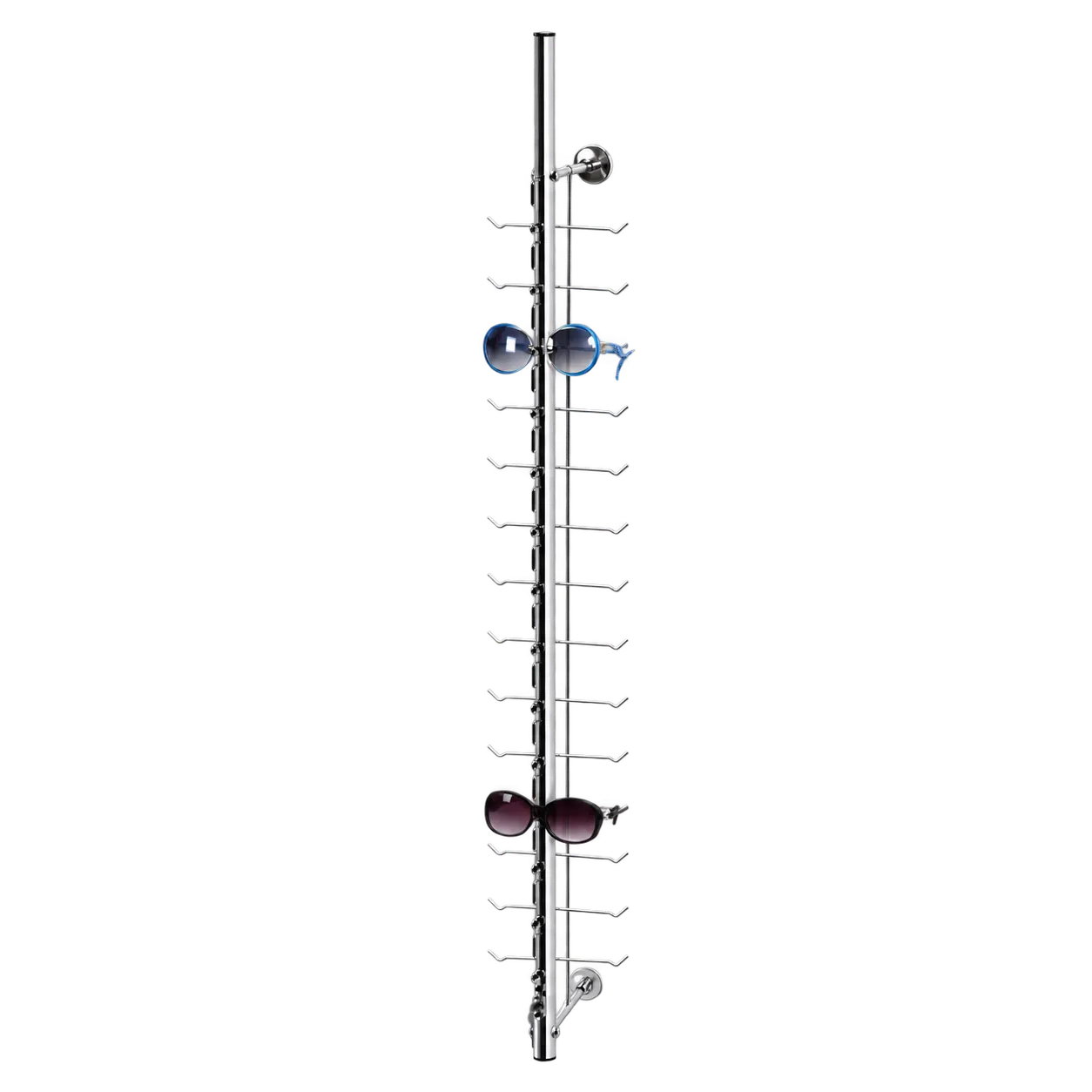
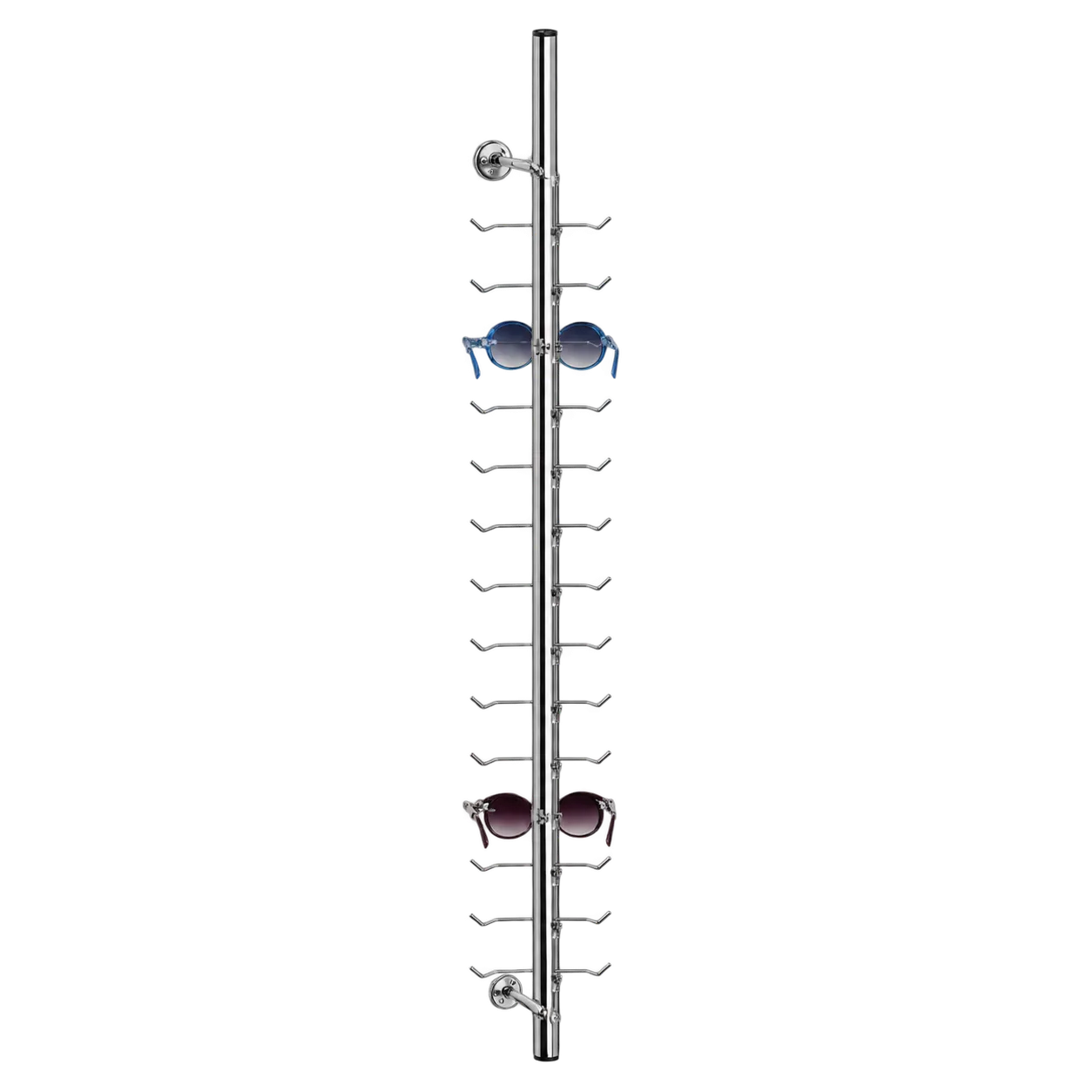
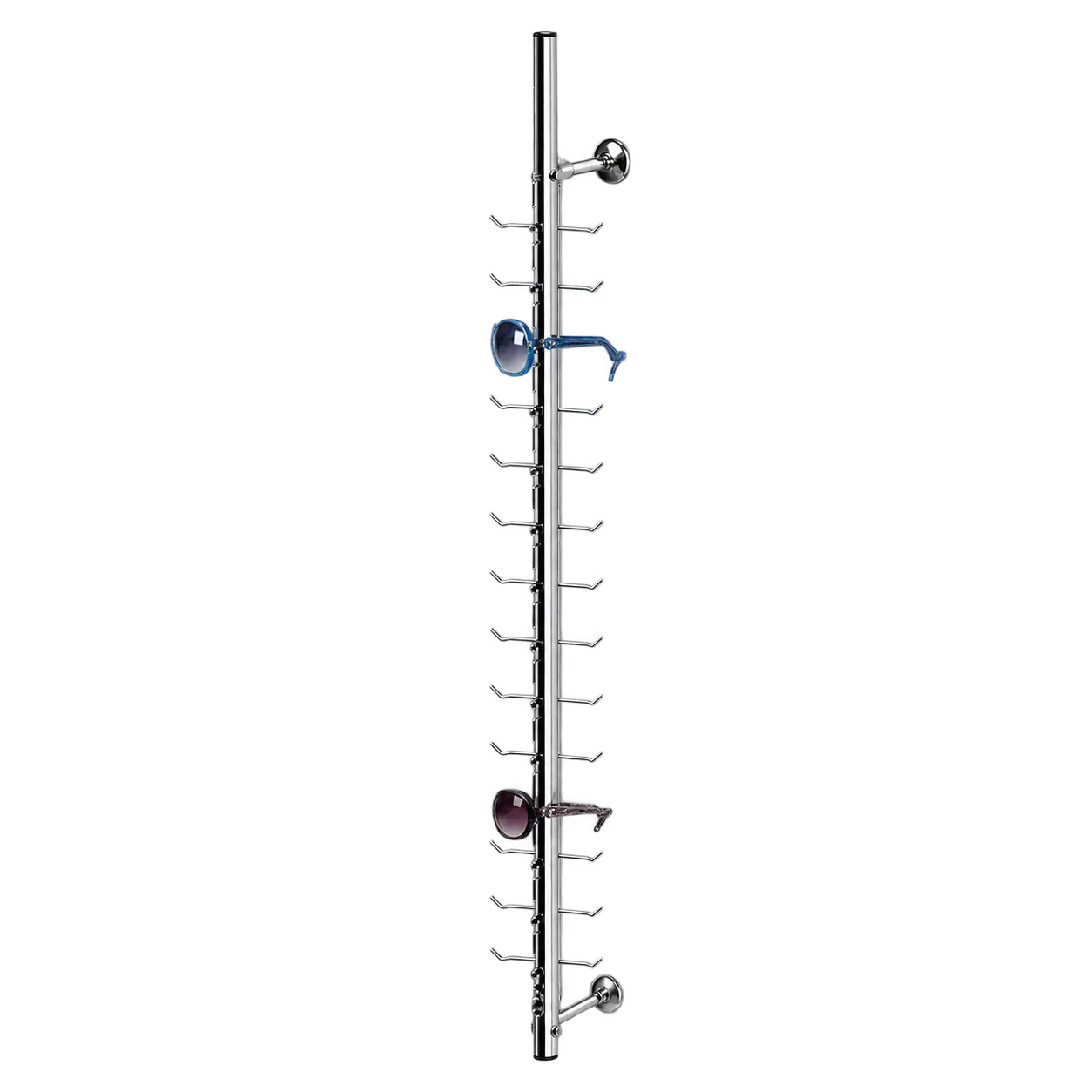
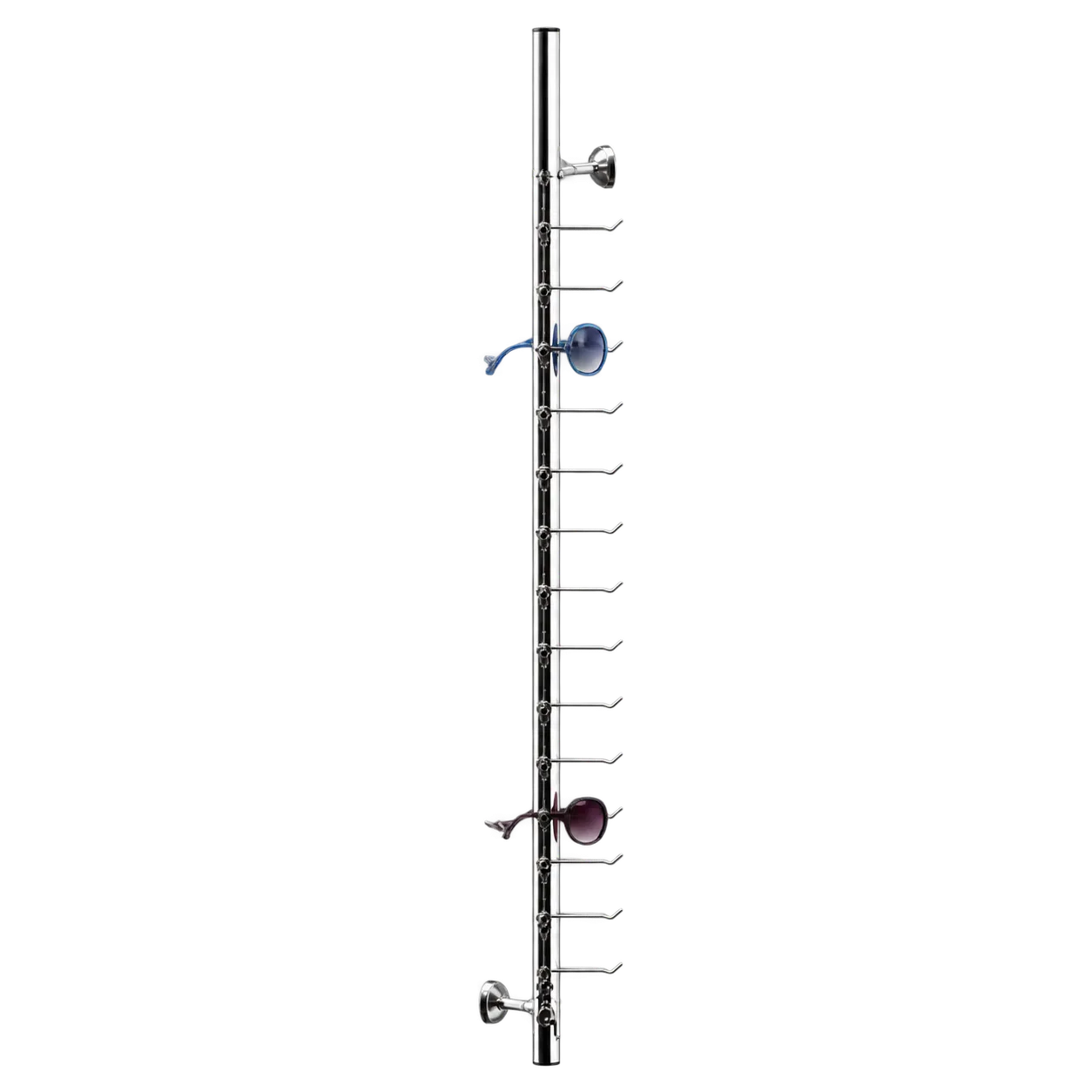
Regulated settings are where the BA-14's light paperwork counts. An optical practice already keeps records for clinical equipment, electrical testing and professional registration, and a hospital or health-centre optical shop answers to an estates department as well. A frame wall that adds nothing to those registers is easier to approve. The rod suits practice refits, shops inside healthcare premises, and chains that need one fixture cleared once for every site. A new practice opening on a tight timetable gains too, because each item needing a test or sign-off before opening day is one more dependency.
Security spending shows why simple measures appeal. UK retailers spent £1.8bn on crime prevention in the year covered by the British Retail Consortium's 2025 survey. A mechanical lock adds no power, monitoring or upkeep to that bill. It does carry a sales risk: in Numerator's 2024 survey of US shoppers, 27% said they would leave or switch store on finding products locked. Light regulation is a reason to choose the rod only where a locked range suits the customers.
The duties that remain deserve attention. In the UK, the Health and Safety at Work etc. Act 1974 places the safety of fixtures on the employer, so wall construction and fixings should be recorded at installation. The Equality Act 2010, with the reach guidance in BS 8300-2, bears on mounting height. Estates teams and chain property departments usually ask for a documentation pack before a fixture is approved. The conformity documentation those procurement routes require is issued by the manufacturer and shared by the enquiry team.