
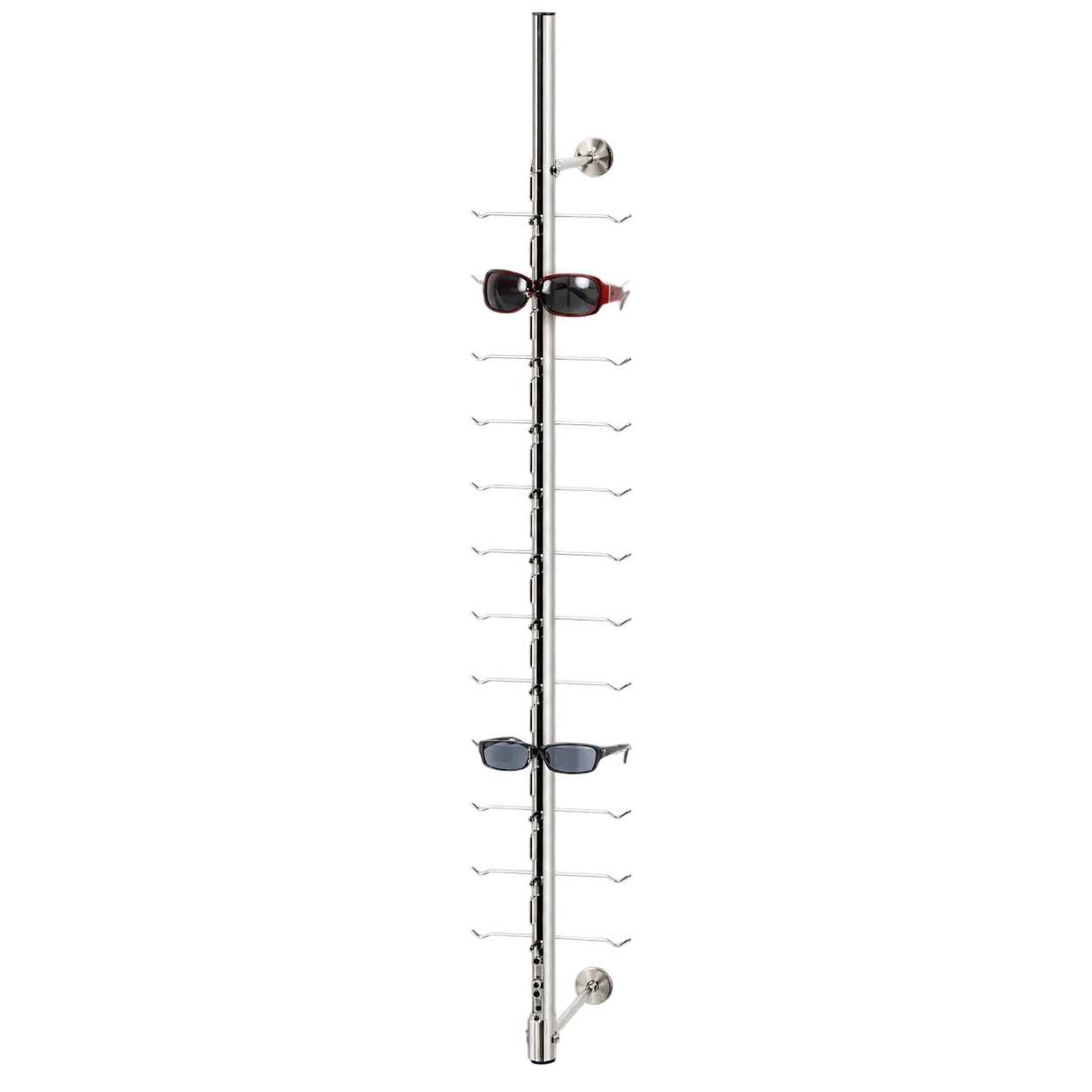
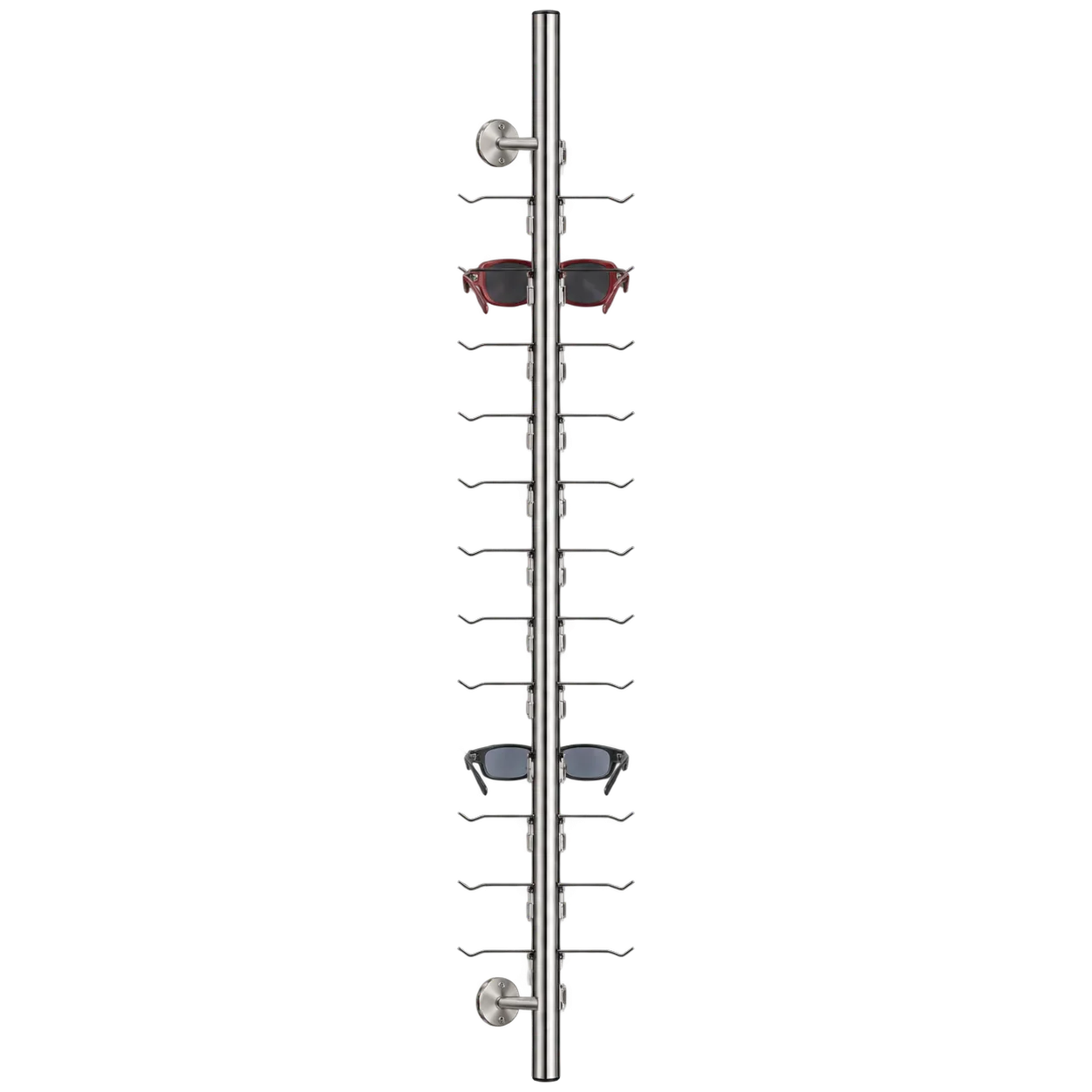
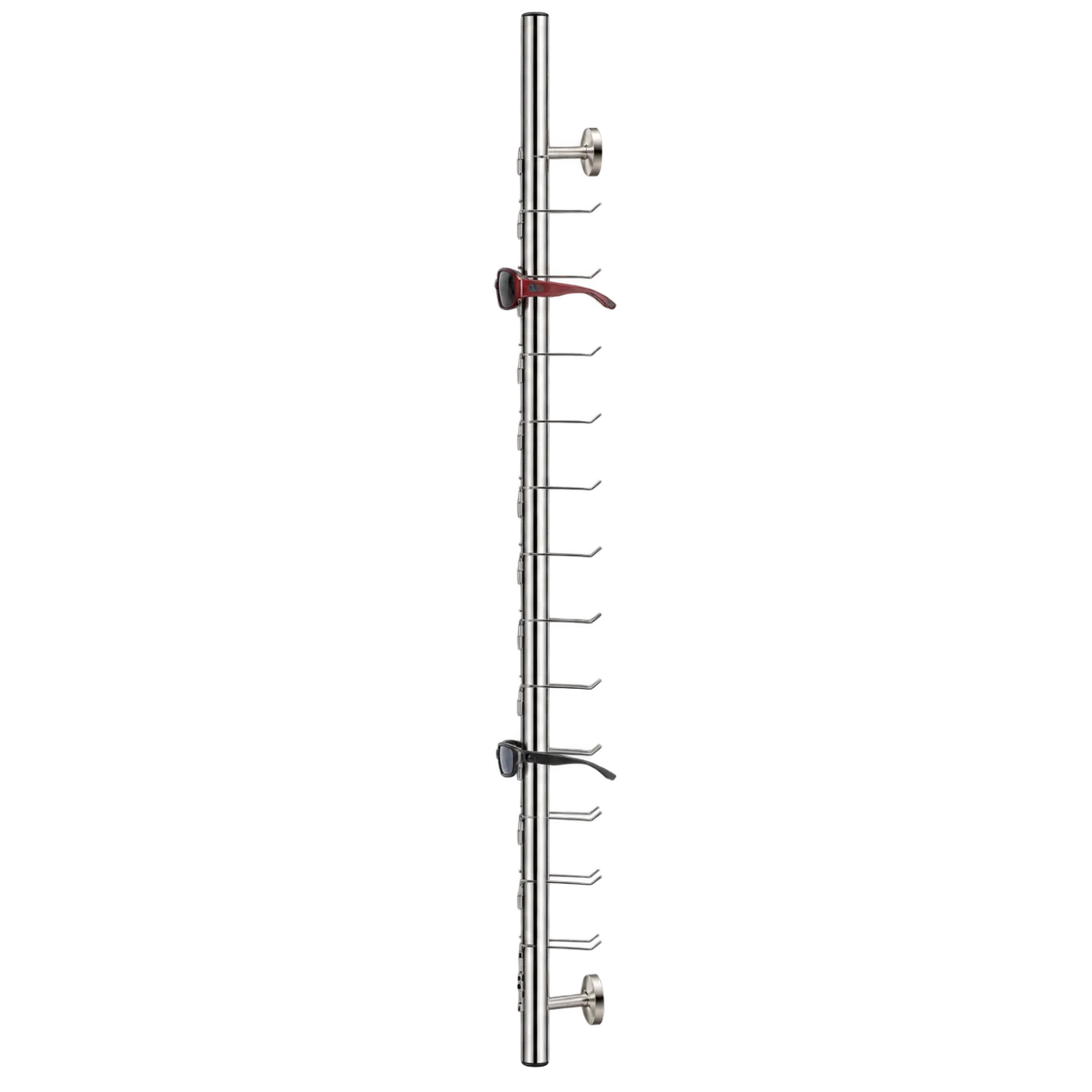
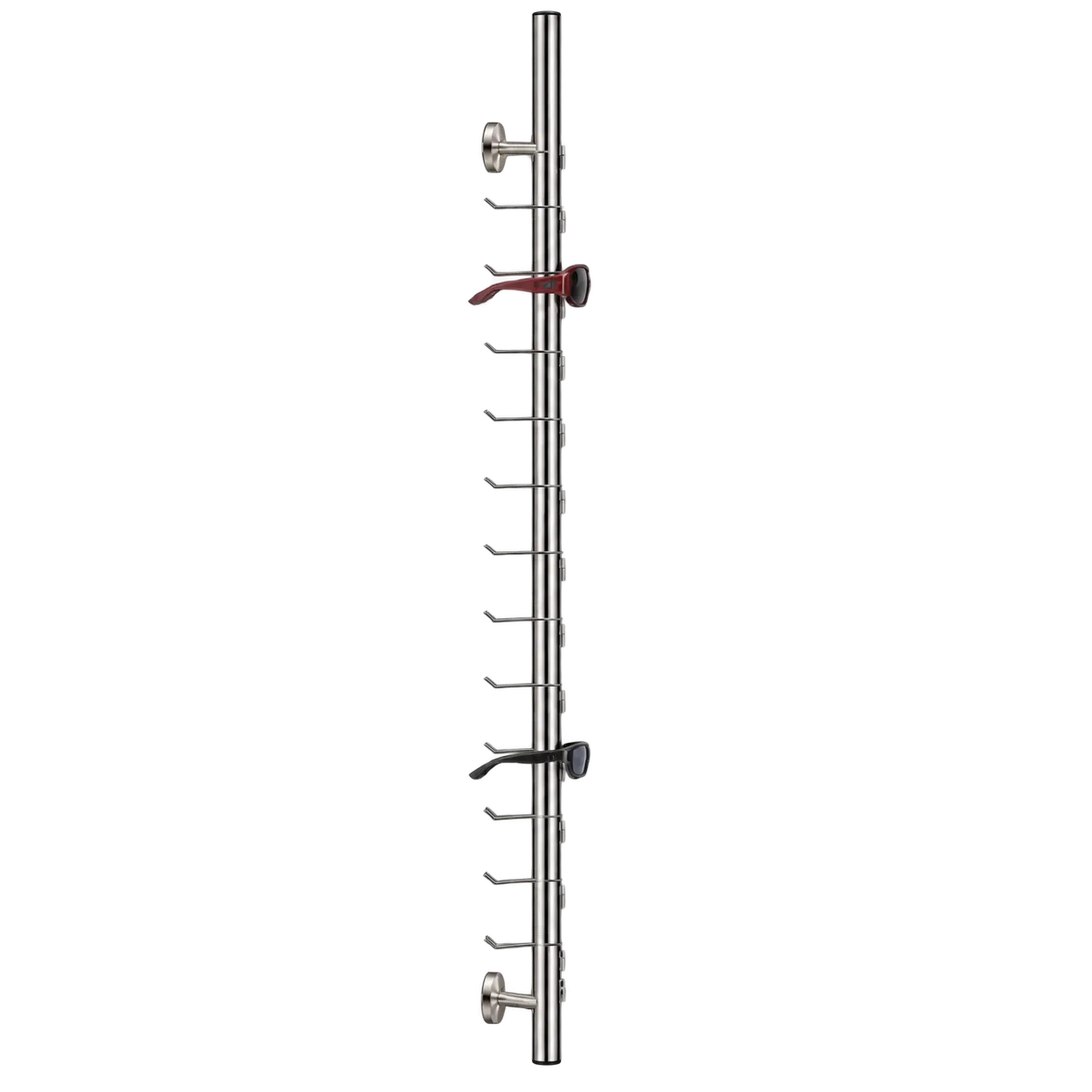
The BA-12 earns its place wherever a few people cover a lot of ground. A two-person optical practice has one colleague in the consulting room for much of the day and the other running reception, dispensing and the frame wall together. A concession in a shopping centre may have a single member of staff for long stretches. Locking the wall lets that person collect a patient, take a call or complete a dispense, and the stock is as they left it when they turn round.
The evidence on staffing and theft sits on both sides. The British Retail Consortium's survey published in March 2025 recorded more than 2,000 incidents of violence and abuse against UK retail staff each day. A physical lock gives staff one less reason to confront anyone at the wall. Against that, a lock costs time at every sale. Numerator's 2024 survey of US shoppers found 62% usually wait for an employee when goods are locked and 27% leave or switch store, so thin staffing can turn a lock into lost sales.
Employers have duties here as well. The Health and Safety Executive's guidance on lone working, INDG73, asks employers to assess and manage the risks to people who work alone, and shop staff are among them. A locked wall is one control among several and does not replace that assessment. Practice groups and concession operators often specify fixtures centrally through a store standard or tender. The conformity documentation those procurement routes require is issued by the manufacturer and shared by the enquiry team.