
Practices Considering Keratometry
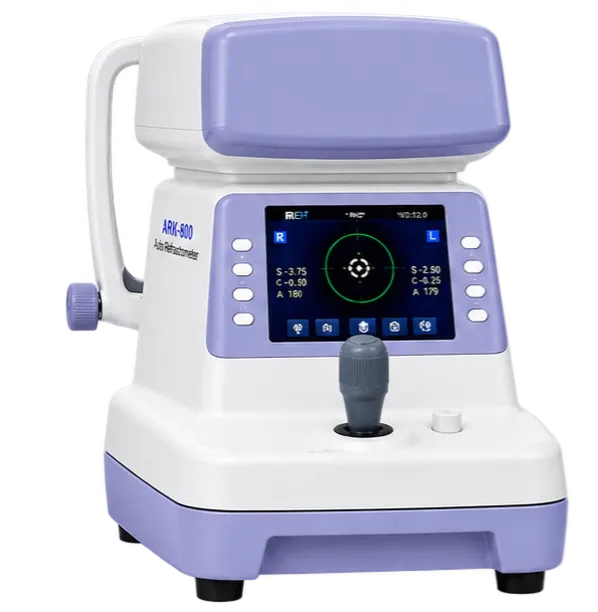
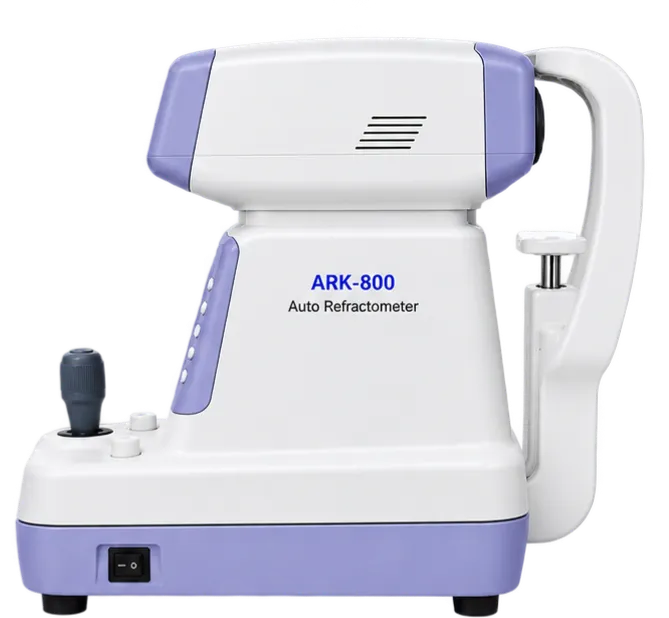
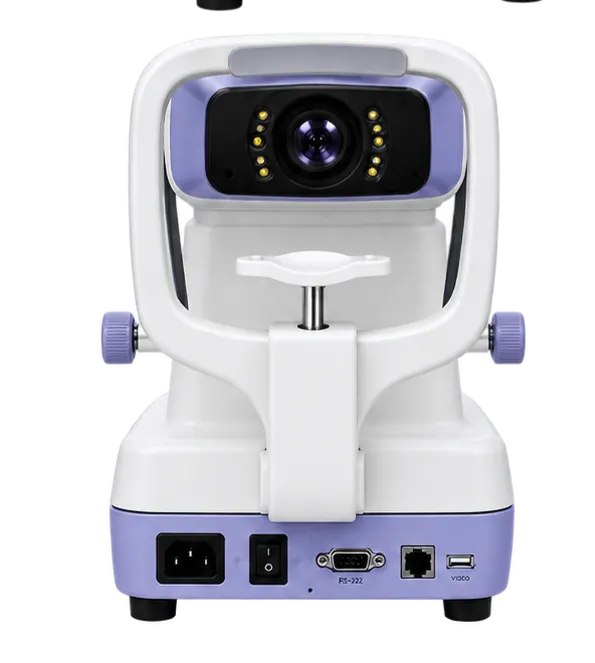
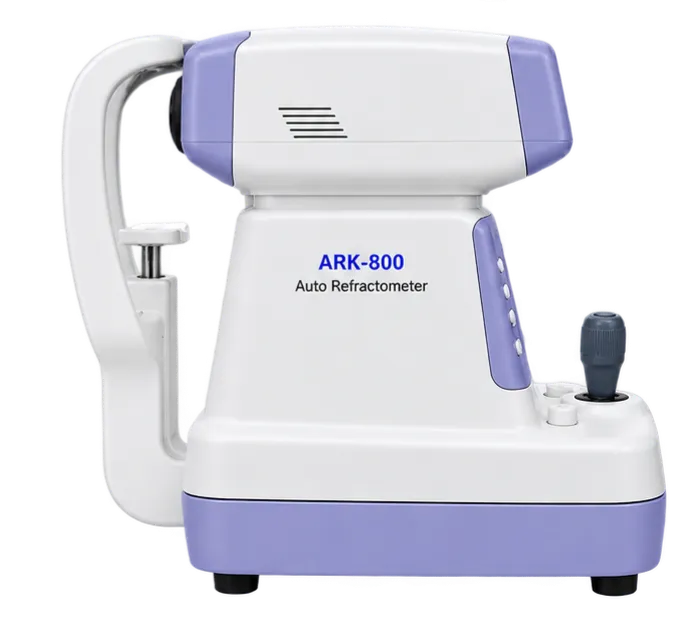
Anyone choosing this over the refraction-only model is buying the corneal capability, and the card does not describe it. The specification should be obtained before purchase rather than after, since it is the only reason the two models differ in price. Price difference rests upon that capability. Asking beforehand costs nothing at all. Corneal capability is what separates the models. Requesting the figures precedes commitment. Buying blind serves nobody well. A simple question resolves it entirely.
Routine Refraction Work
On the refraction side the instrument is fully documented and covers the great majority of adult presentations. Sphere to 20 dioptres either way and cylinder to 8 suit ordinary caseloads, with prescribing remaining a clinical judgement. Ordinary caseloads are covered comfortably. Judgement about prescribing stays clinical. Refraction is documented in full here. Adult caseloads sit well inside those spans. Sphere reaches twenty dioptres either way. Cylinder covers eight in both directions.
Busy Lists Needing Speed
Automatic fogging, automatic pupil distance measurement and automatic capture mean little operator input per patient, which suits a practice refracting many people in succession. Operator input falls to positioning alone. Consistency follows across a full list. Many patients pass through in succession. Automation keeps the sequence moving. Fogging and capture both run automatically. Little input is needed per patient.
Services Comparing Specifications
A comparable instrument in this manufacturer's range documents four corneal rows explicitly. That comparison is worth making, because it shows the figures exist and can be supplied on request. Documentation rather than capability is lacking. The figures can be requested directly. Four rows appear on the comparable card. The same figures should be obtainable. Comparison across the range is instructive. Absence here looks like an omission.