
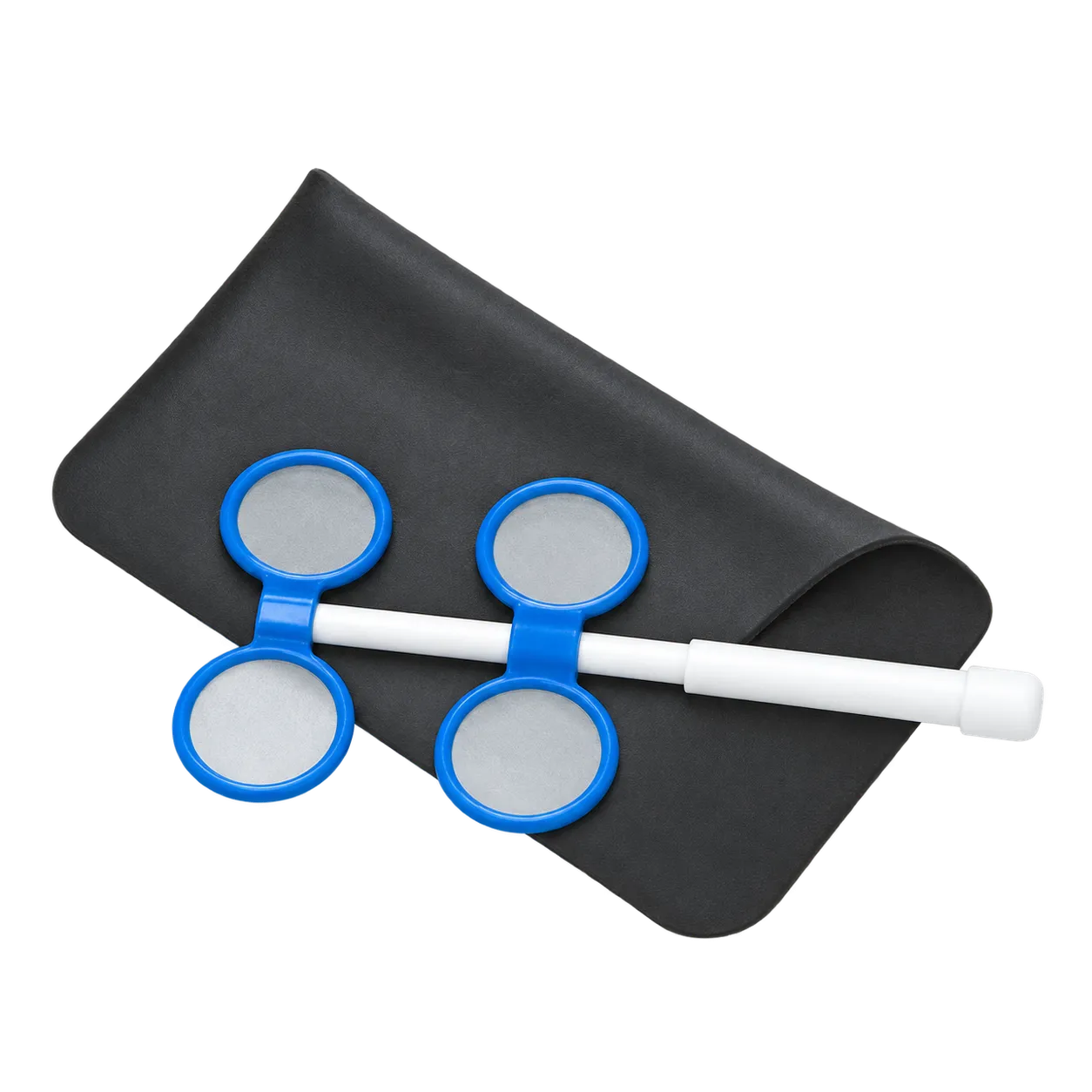
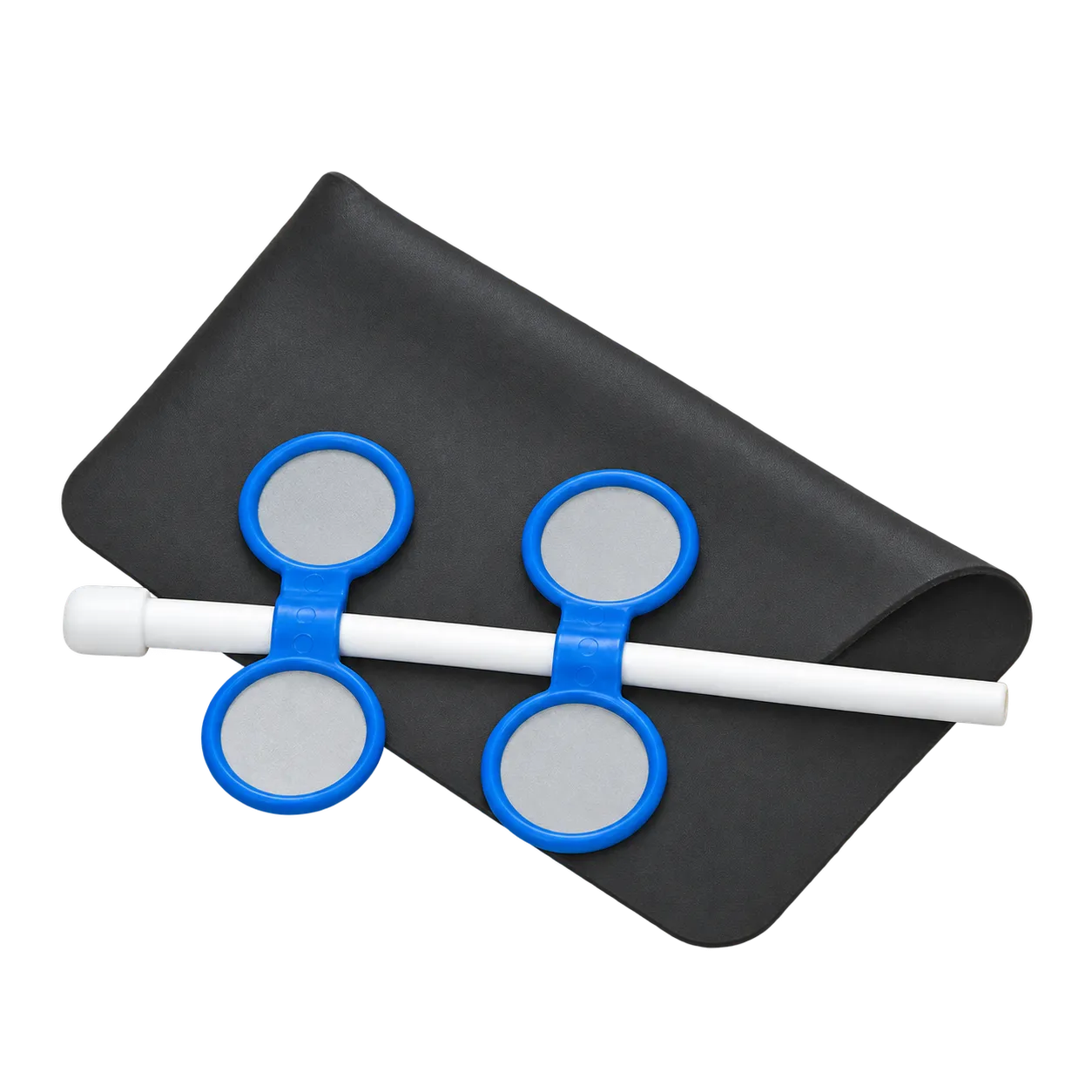
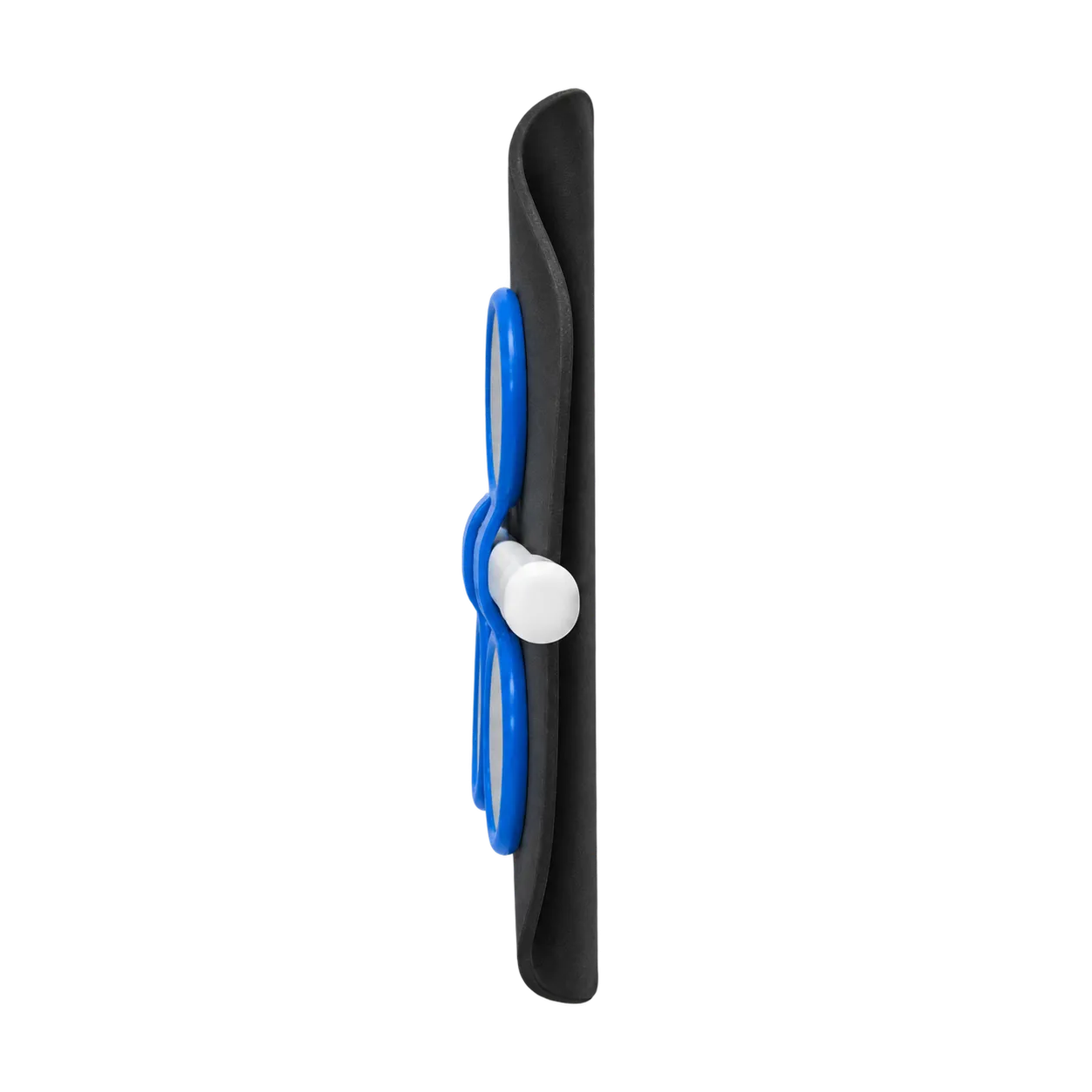
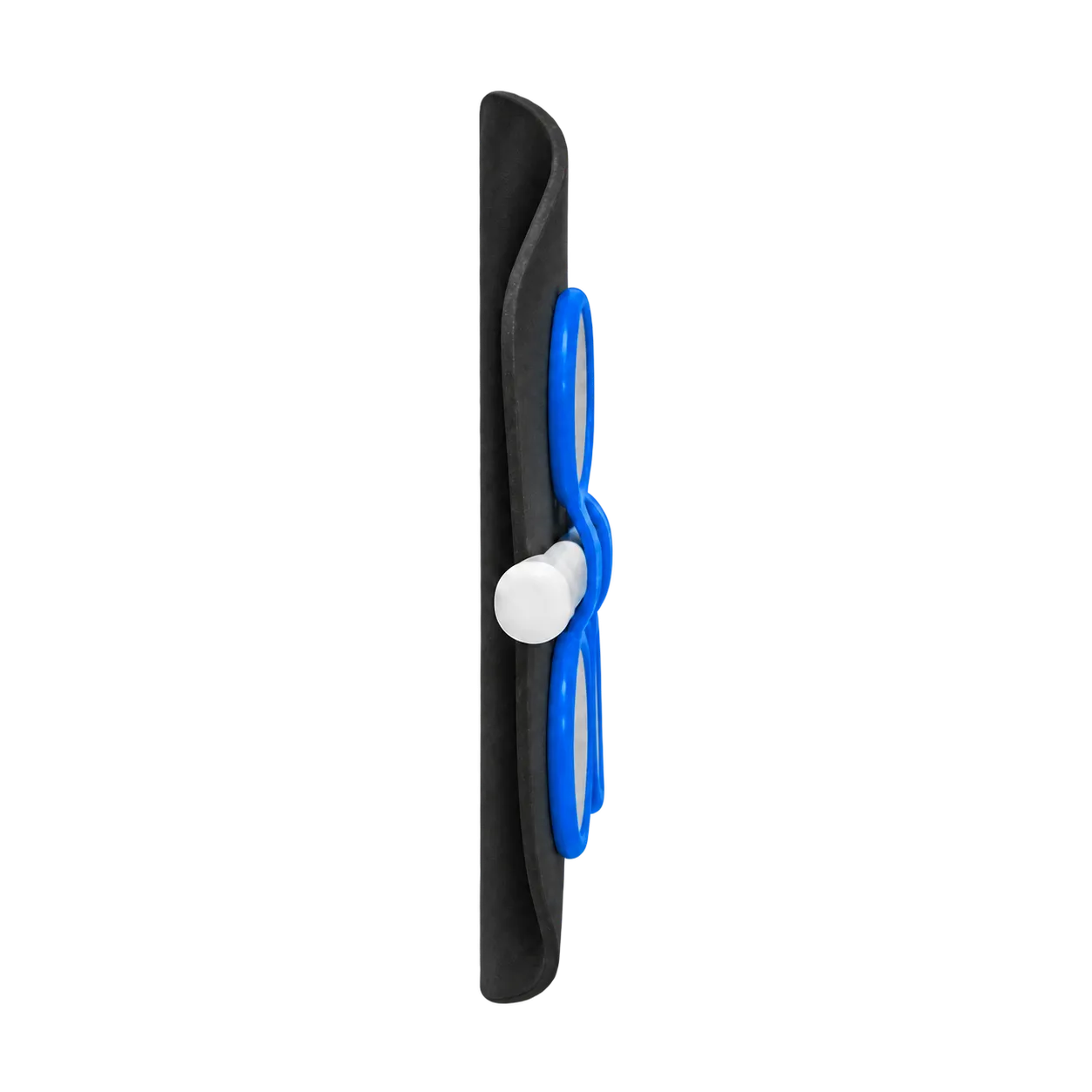
Primary care optometry is the main setting. Patients reporting near blur, eyestrain or difficulty sustaining reading often have accommodative facility measured as part of a binocular vision assessment, and a ±2.00 D flipper allows the test to be done quickly at the near point with the patient's own reading material or a standard card.
Paediatric and school-age assessments use facility testing when a child struggles with reading or close work. Results are compared with age norms, and reduced facility may point to accommodative infacility, which is often managed with vision therapy.
Binocular vision and orthoptic clinics use flippers alongside cover tests, near point of convergence and vergence measurements, building a picture of how accommodation and vergence work together.
Presbyopic refraction uses low powers. With a proposed reading addition in place, a ±0.25 D or ±0.50 D flipper lets the patient compare print clarity, helping to settle the final addition for their working distance.
Vision therapy programmes use graded flipper powers for accommodative exercises, starting at a power the patient can clear and increasing it as facility improves. Six powers from 0.25 to 2.0 D support that progression.
Domiciliary and outreach services can carry a flipper in its pouch, since it needs no power or mounting.
The APL-F1 is less suited to clinics that require a documented power tolerance before purchase, or to patients who cannot report print clarity. Any declaration of conformity is issued by the manufacturer and provided by the seller.