
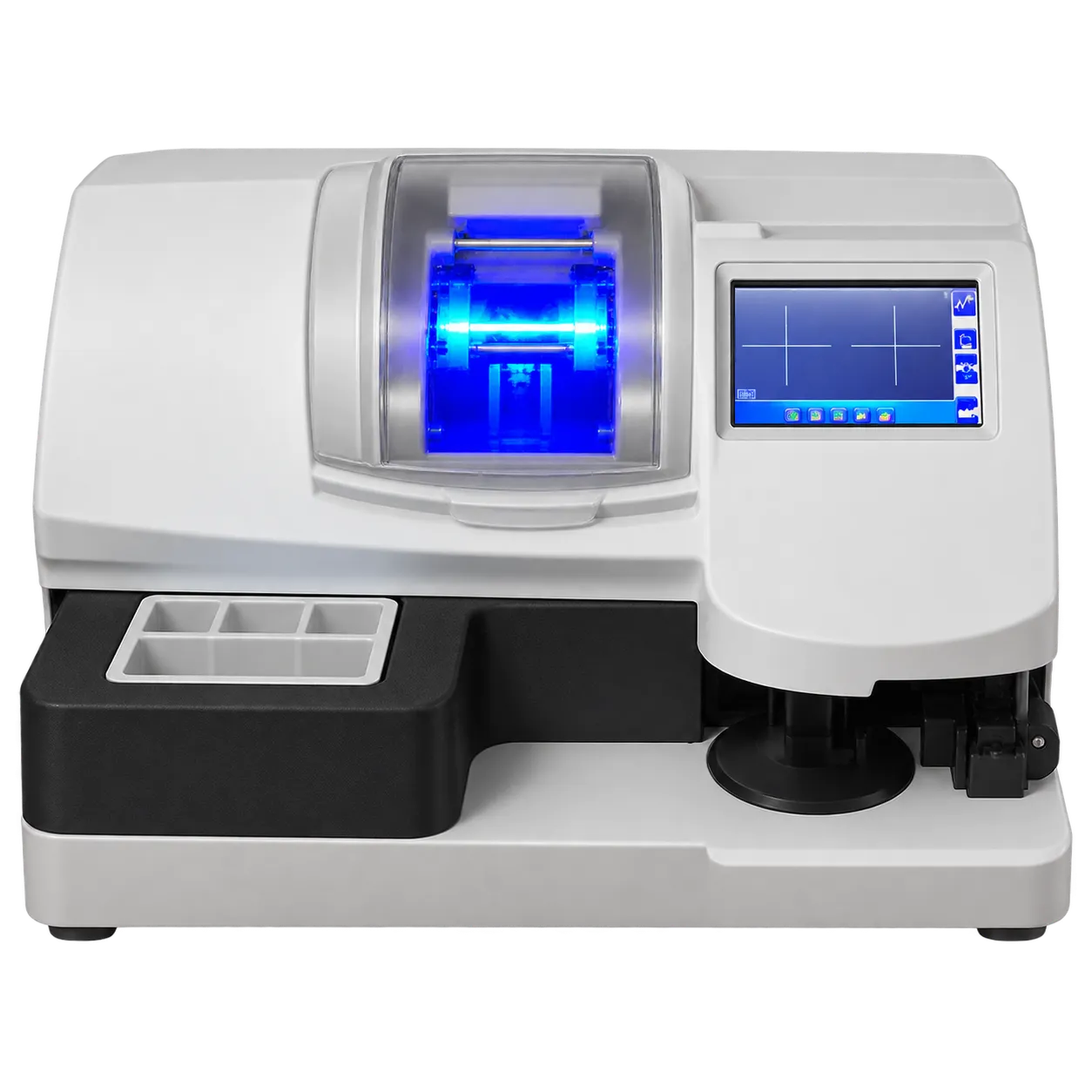
The ALE-1600 is designed for optical practices and laboratories that want scanning, centring and edging in a single machine. An independent optical practice glazing in-house can place it on one bench in the workroom and complete a job there from start to finish. Because the scanner and centre meter share the housing, a single operator can trace the customer's chosen frame, mark the lens centre and cut the edge in one sequence.
Dispensing opticians and optical technicians benefit from the preview interface. Pupillary distance and fitting height are entered on the 7-inch touch screen, and the operator can see the result before any lens material is removed. Shape adjustments by zoom let them refine fit for a particular frame, and the choice of bevel positions helps the edge follow frames with a pronounced curve.
Optical laboratories handling regular orders can make use of the 500-template memory. Shapes for popular frames stay stored through power-off, so a returning style can be recalled for the next job, and external storage containers keep each order's parts together on the bench. The material range covers CR-39, PC, hard coated, high-index, glass and Trivex, so one machine handles a broad mix of prescriptions.
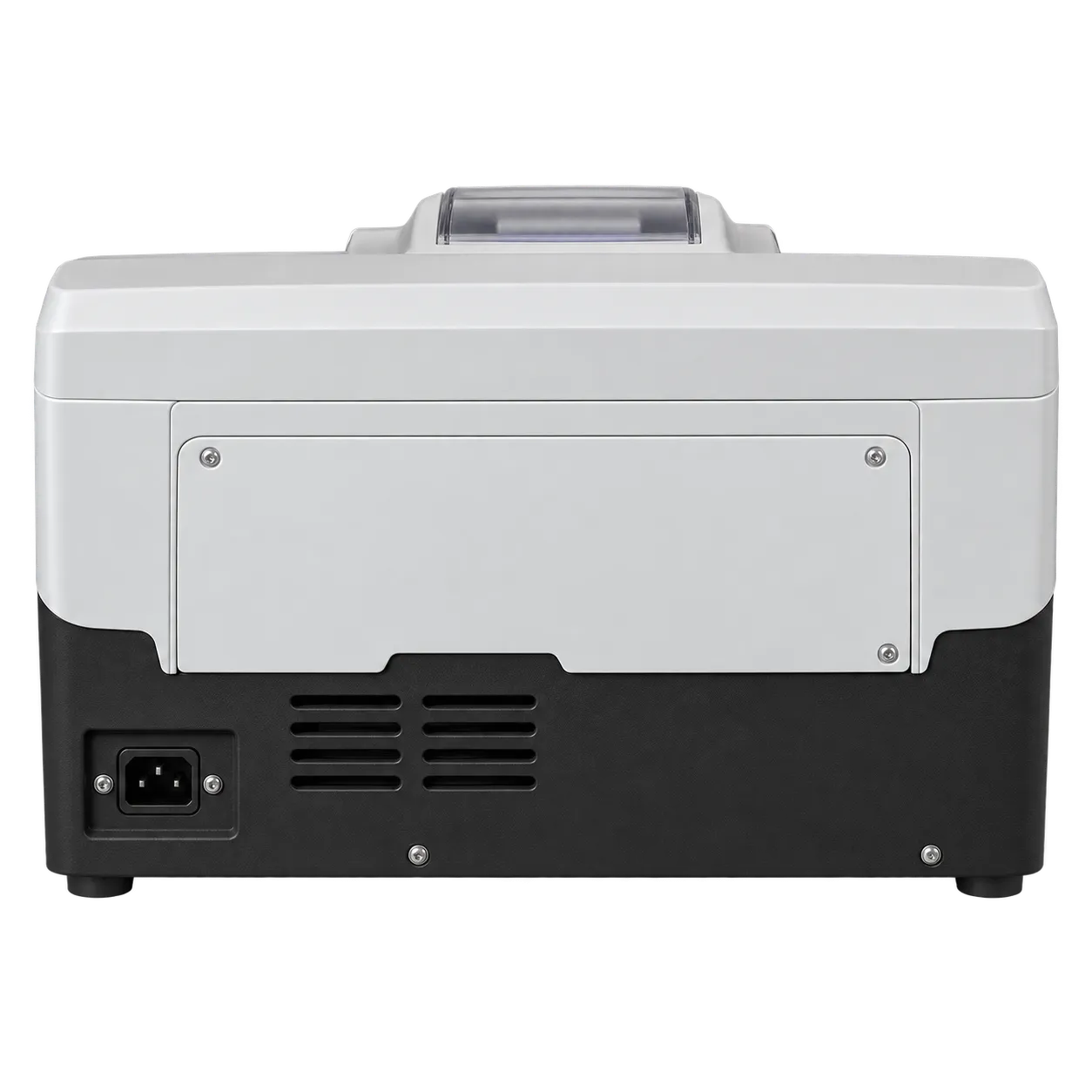
Hospital eye departments and eye clinics with an on-site glazing area can use the ALE-1600 to complete spectacles for patients without separate tracing and edging stations. The built-in pump keeps the set-up to one unit and a mains supply.
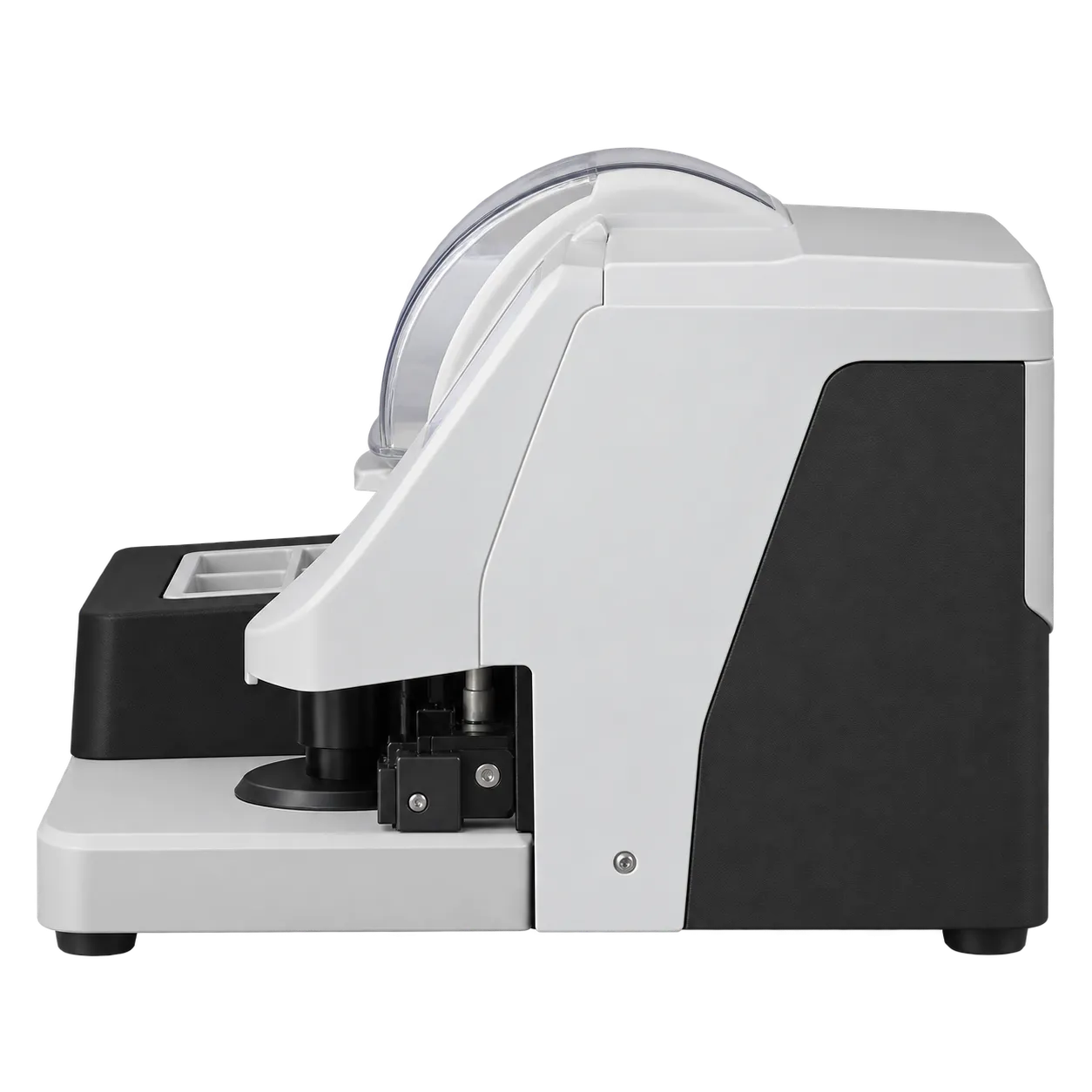
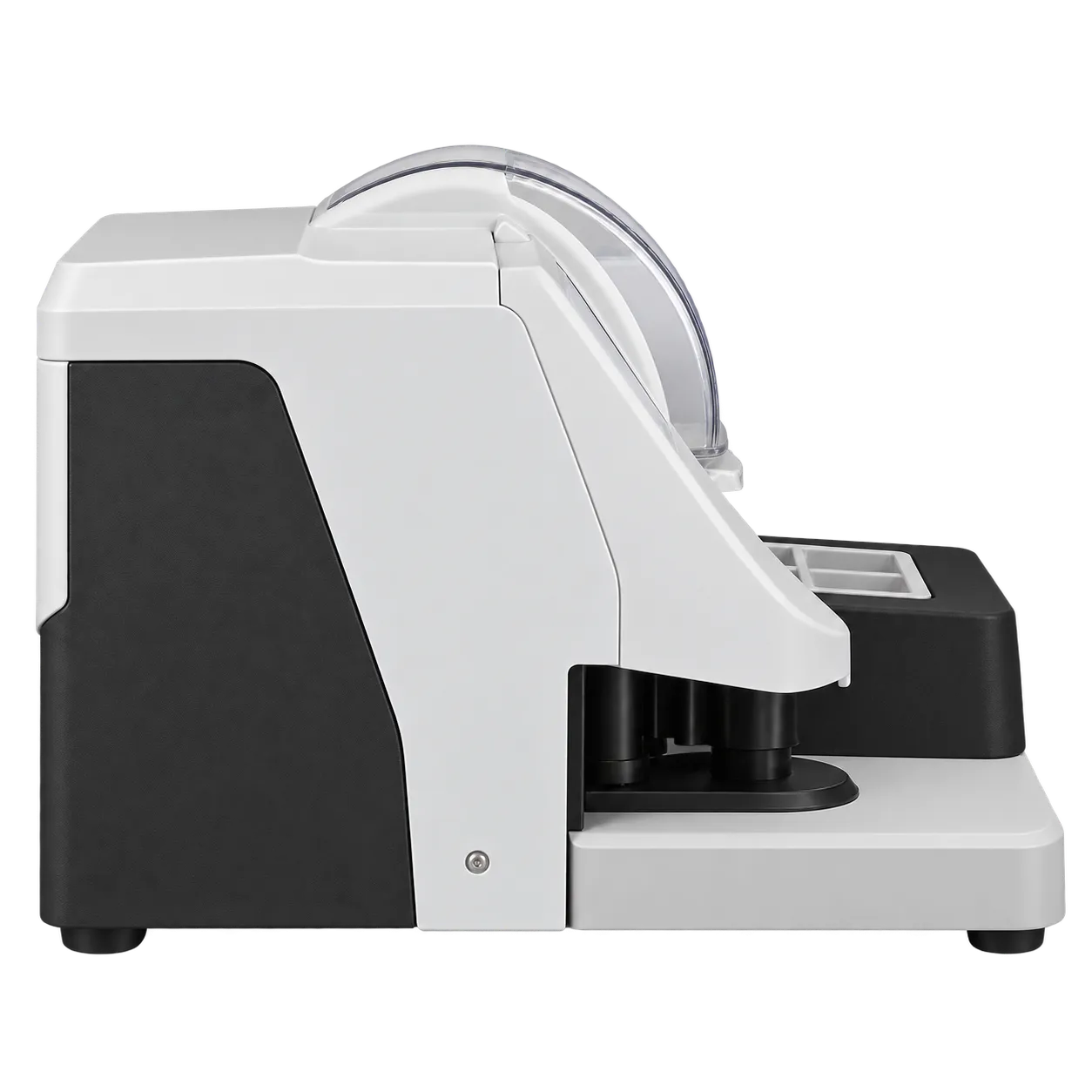
Eyewear retailers opening a workshop in a branch, or adding glazing to a store for the first time, can set the machine up on a single bench. Its 728 × 600 mm footprint and 75 kg weight define the space to plan for.