





The WRA IV M suits people receiving long-term care in their own bedroom or a residential room: older adults living with frailty, people with long-term neurological conditions, and those at the end of life who want to stay at home. Its case is estate and environment. The bed is shaped by the room it goes into, and it shapes that room in return.
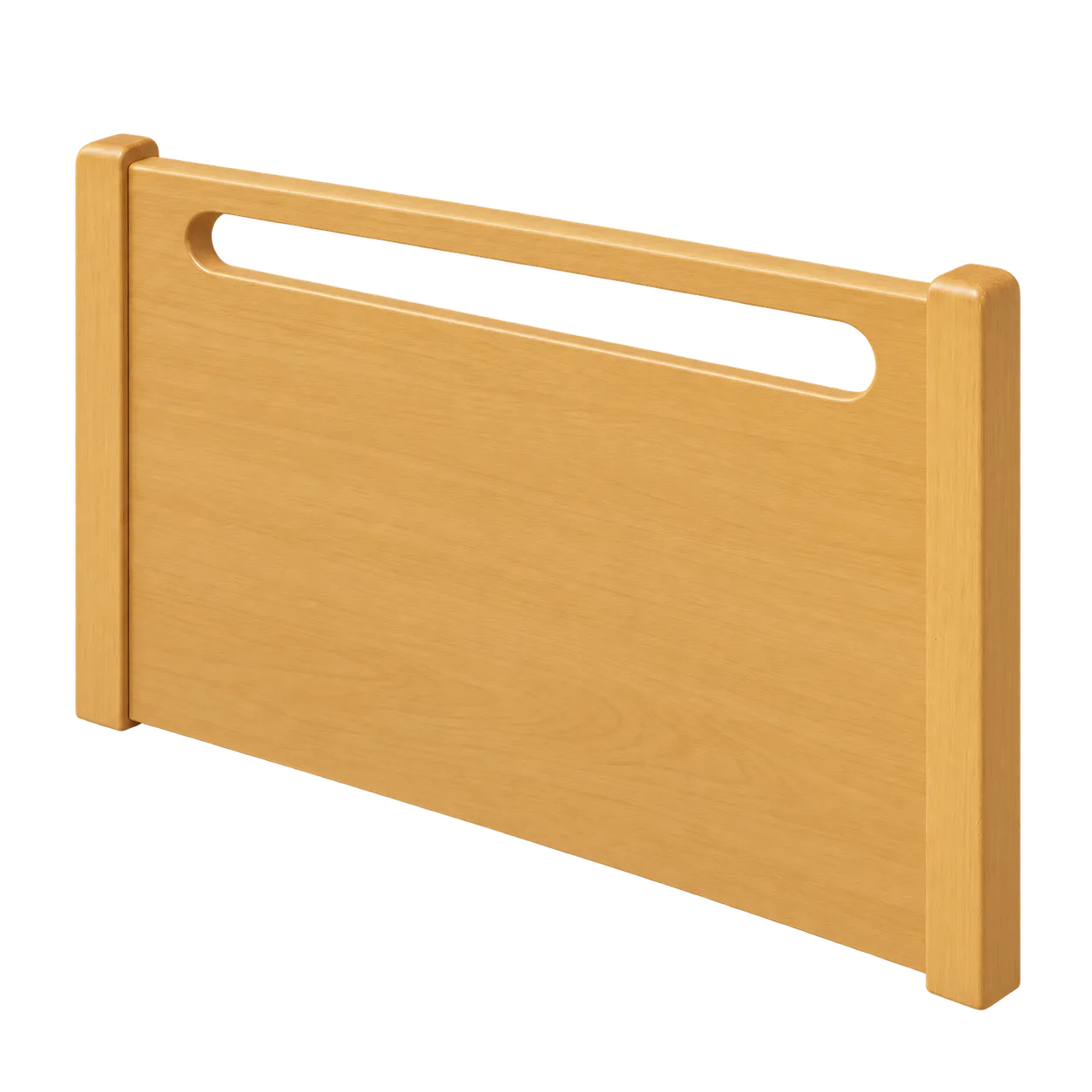
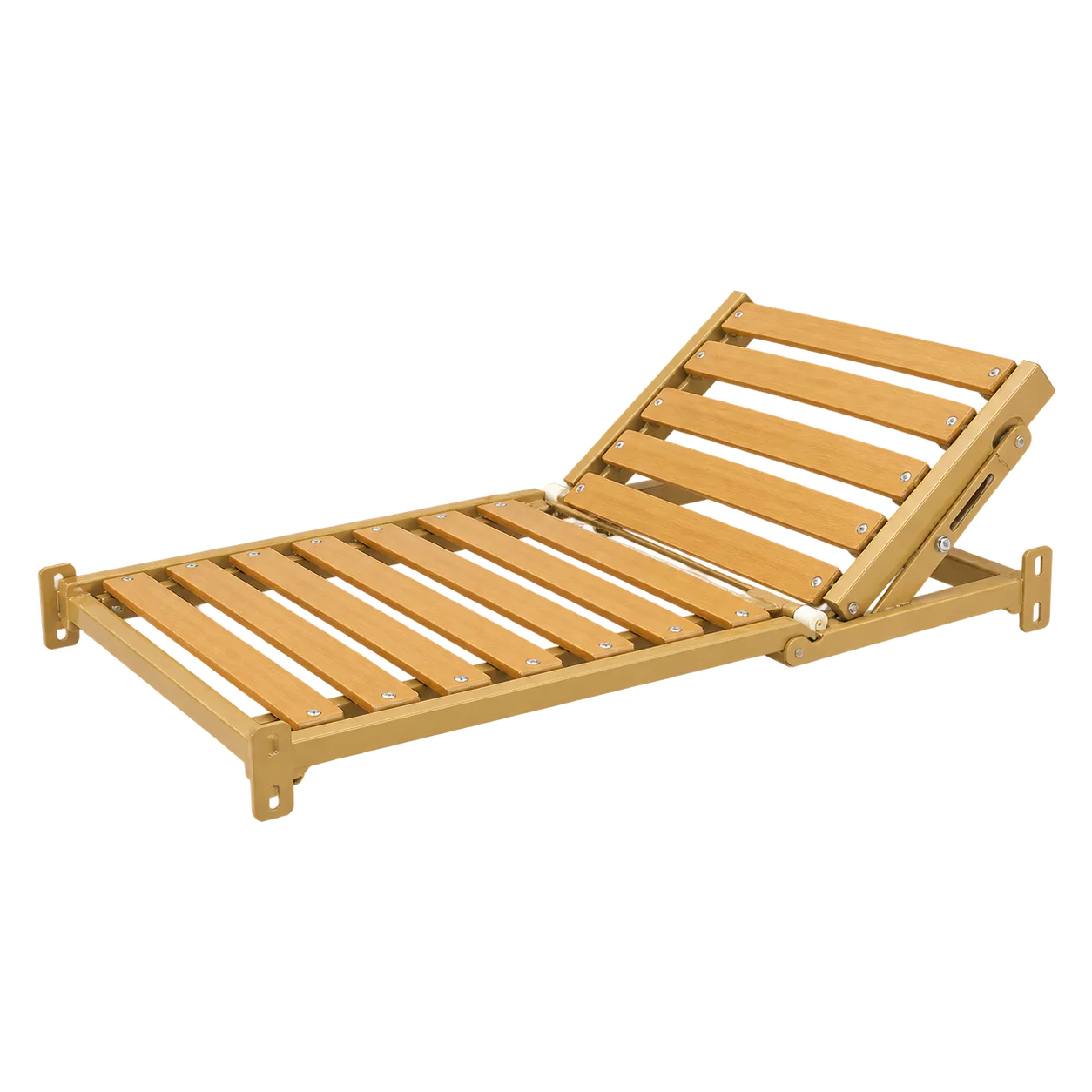
A wood-effect skirt hides the motors and frame, and a shelf on the headboard holds small items within reach. For a person spending most of the day in bed at home, a bed that reads as furniture can make the room feel less like a ward. The 350 mm low setting suits people at risk of rolling out, and the 575 mm upper setting lifts the patient for washing and dressing.
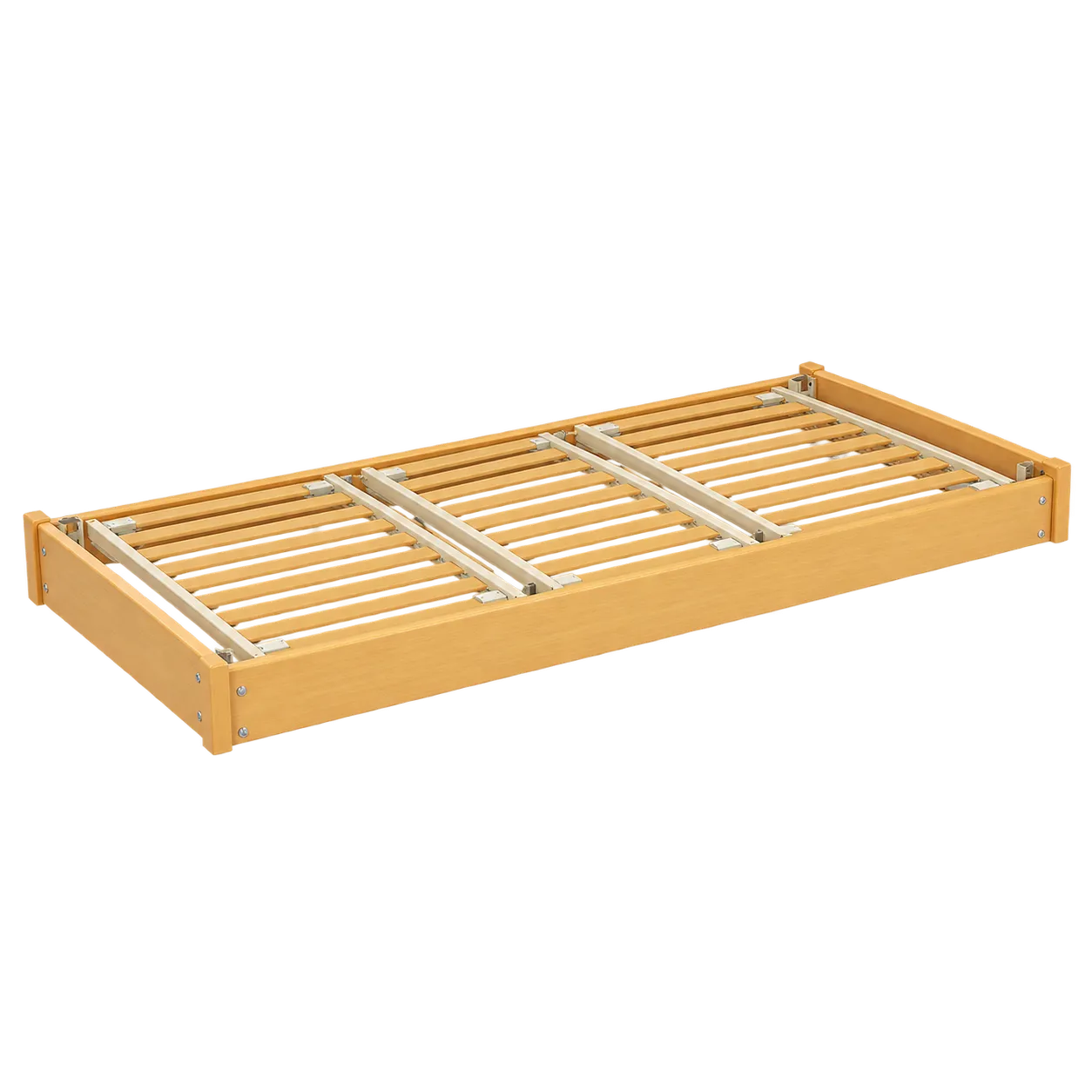
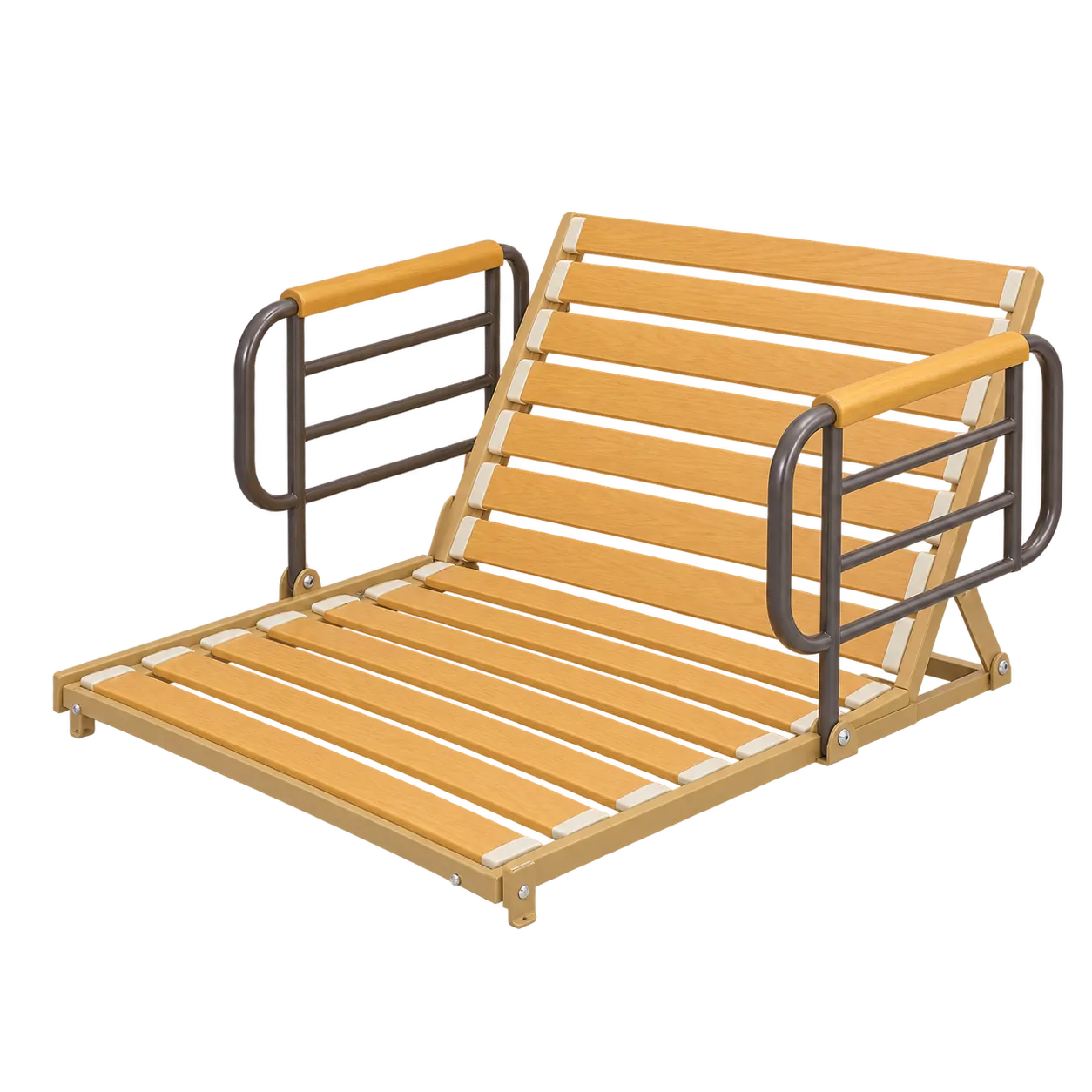
The room must also work for carers. A 2170 × 1025 mm footprint needs standing space on both long sides, a socket within reach of the handset cable, and a clear route through doorways and stair turns. The main estate question lies under the bed. A mobile hoist needs space for its legs under the bed, so measure the clearance or plan for a ceiling or gantry hoist. At 575 mm, some carers will still bend forward, which falls under the moving and handling assessment in the Manual Handling Operations Regulations 1992. Split rails need assessing with the mattress and patient under MHRA bed rails guidance, including the gaps between rails.
Community equipment services, NHS procurement routes and overseas public buyers will each ask for a device class and a declaration of conformity. The conformity documentation those procurement routes require is issued by the manufacturer and shared by the enquiry team.