



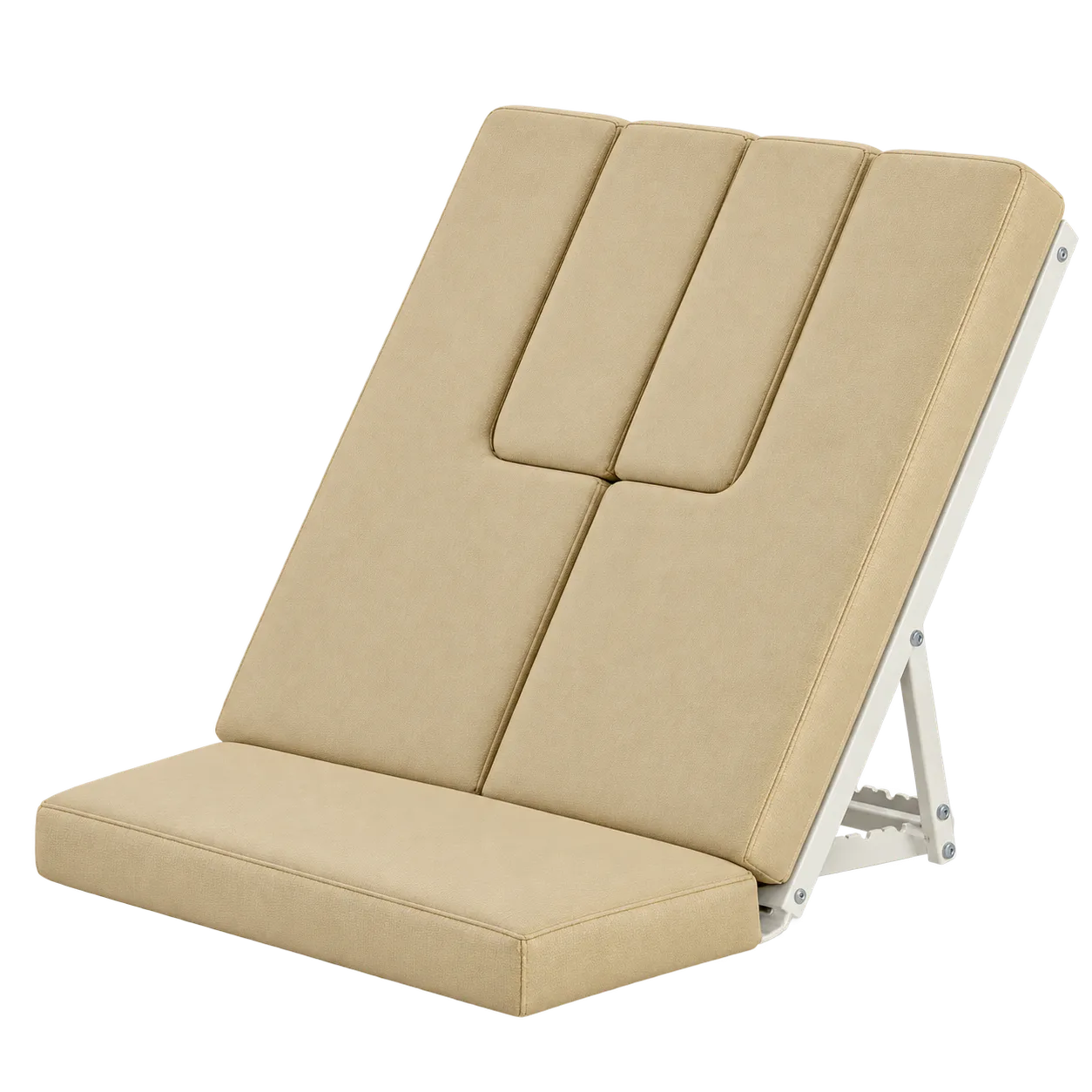
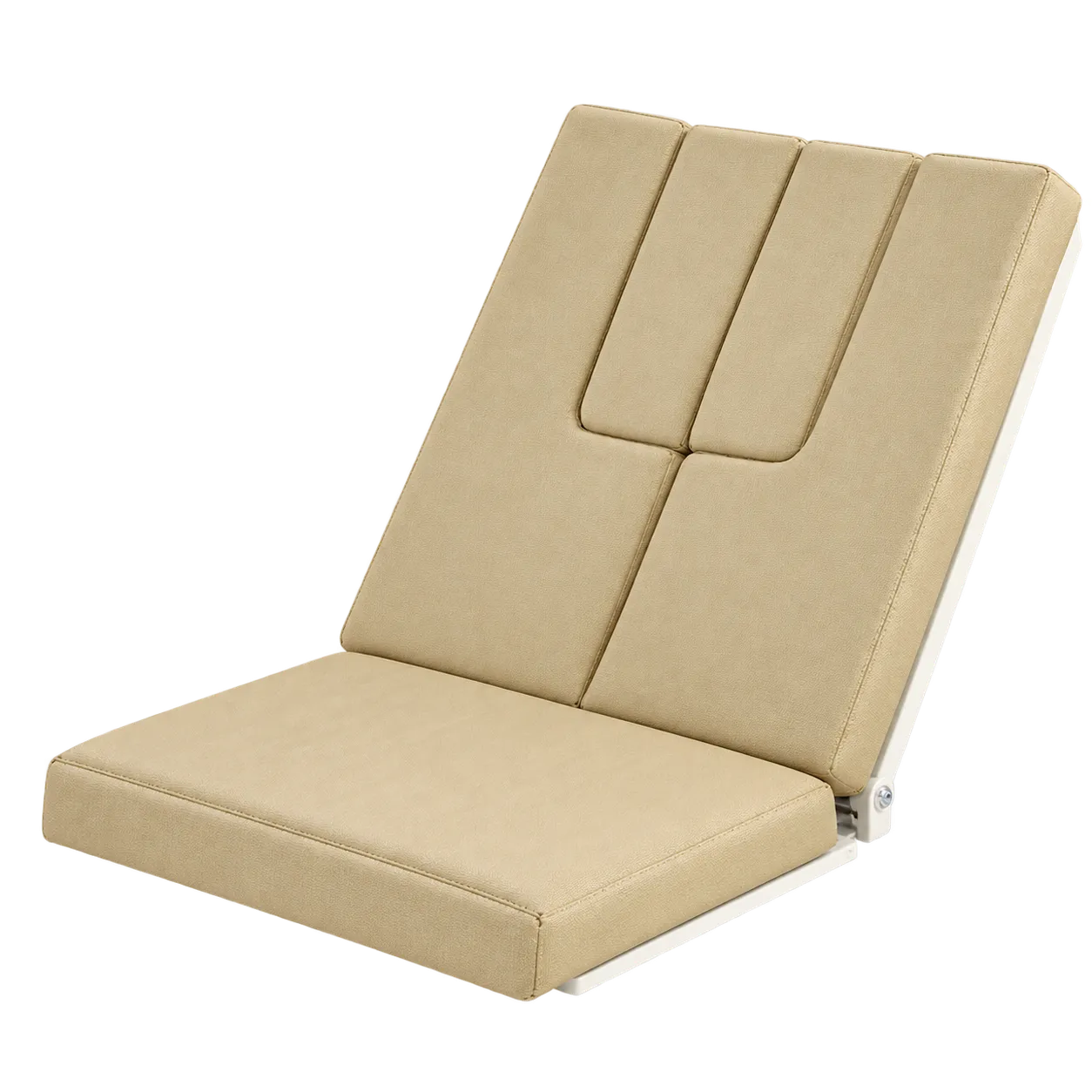
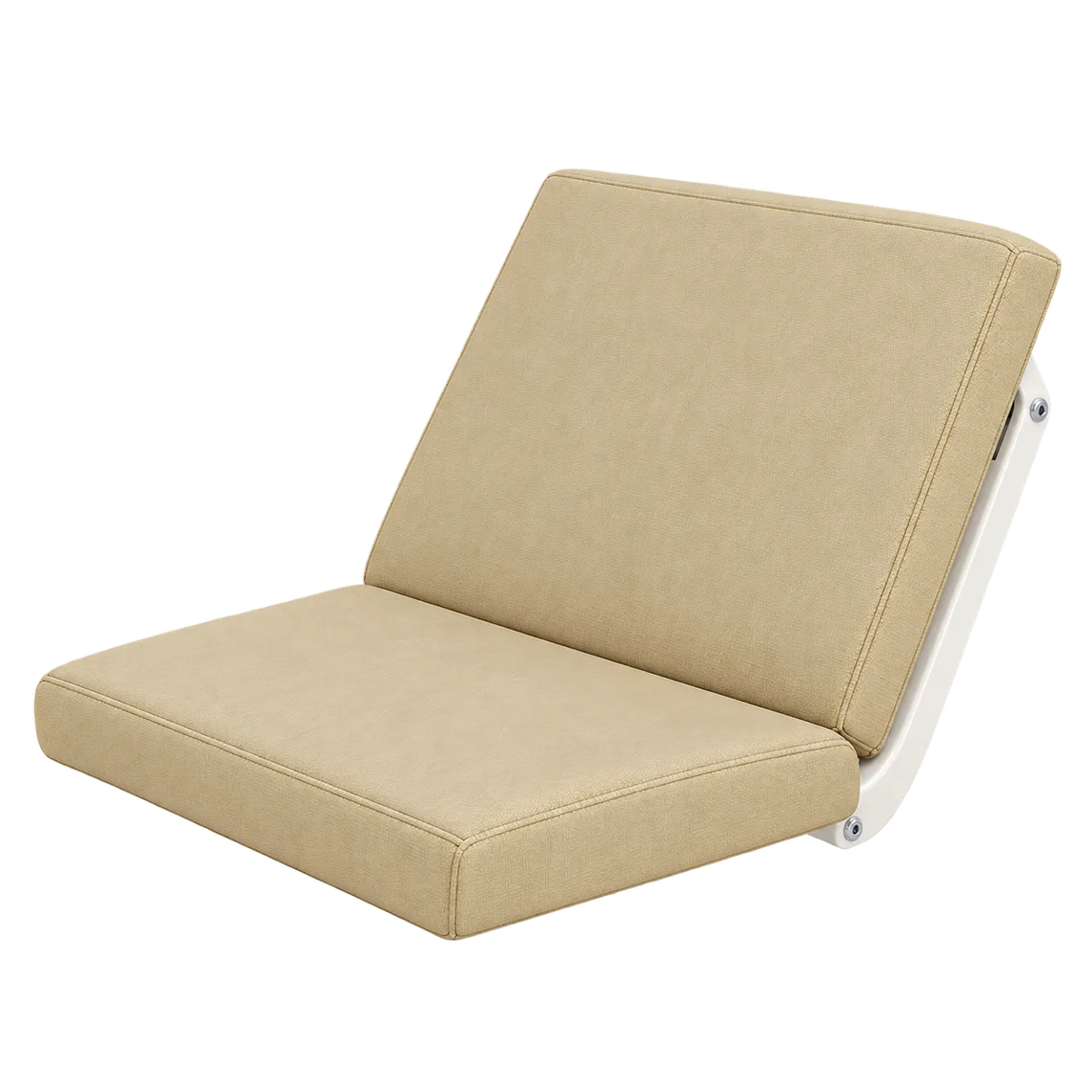
The WRA IV K suits people who spend most of the day in bed but benefit from sitting upright with legs down, and who have difficulty transferring to a chair. That includes frail older adults at home, residents in nursing homes, people with advanced neurological conditions and hospice patients. Its case is mechanism and effect. A leg section that drops toward the floor, paired with a rising backrest, creates an armchair position in bed.
The effect is a change of posture without a transfer. Moving a dependent person from bed to chair often means a hoist, two carers, and time, and HSE guidance under the Manual Handling Operations Regulations 1992 expects that kind of handling to be reduced where possible. Sitting up with legs down in the bed gives some of the same benefits for eating, talking face to face and resting in a different position, while taking the transfer out of the day.
The position brings its own care points. Sitting loads the buttocks and sacrum, and NICE guidance on pressure ulcers sets repositioning at least every 6 hours for adults at risk and every 4 hours at high risk, so time in the chair position fits within that plan. A patient with legs down can slide forward or try to stand, so loop rails, supervision, and falls assessment matter, and MHRA bed rails guidance applies here as in any other position. The fixed 500 mm height leaves carers working at one level. Buyers should also resolve the conflict between the model's title and its function icons, since one includes turning and a bedpan while the other omits them.
NHS procurement routes, community equipment services and public buyers in other markets need a device class and a declaration of conformity. The manufacturer issues the conformity documentation those procurement routes require, and the enquiry team shares it.