
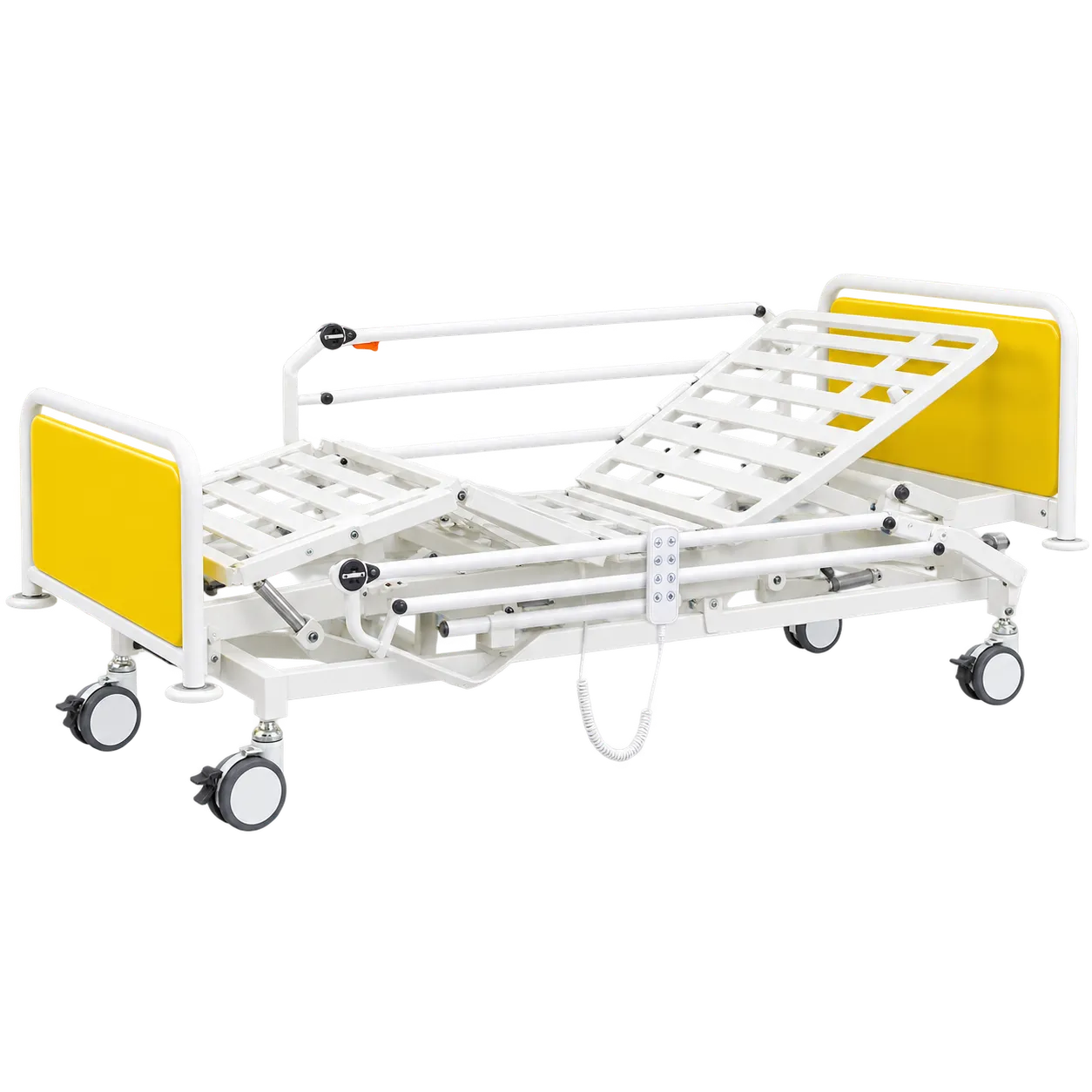
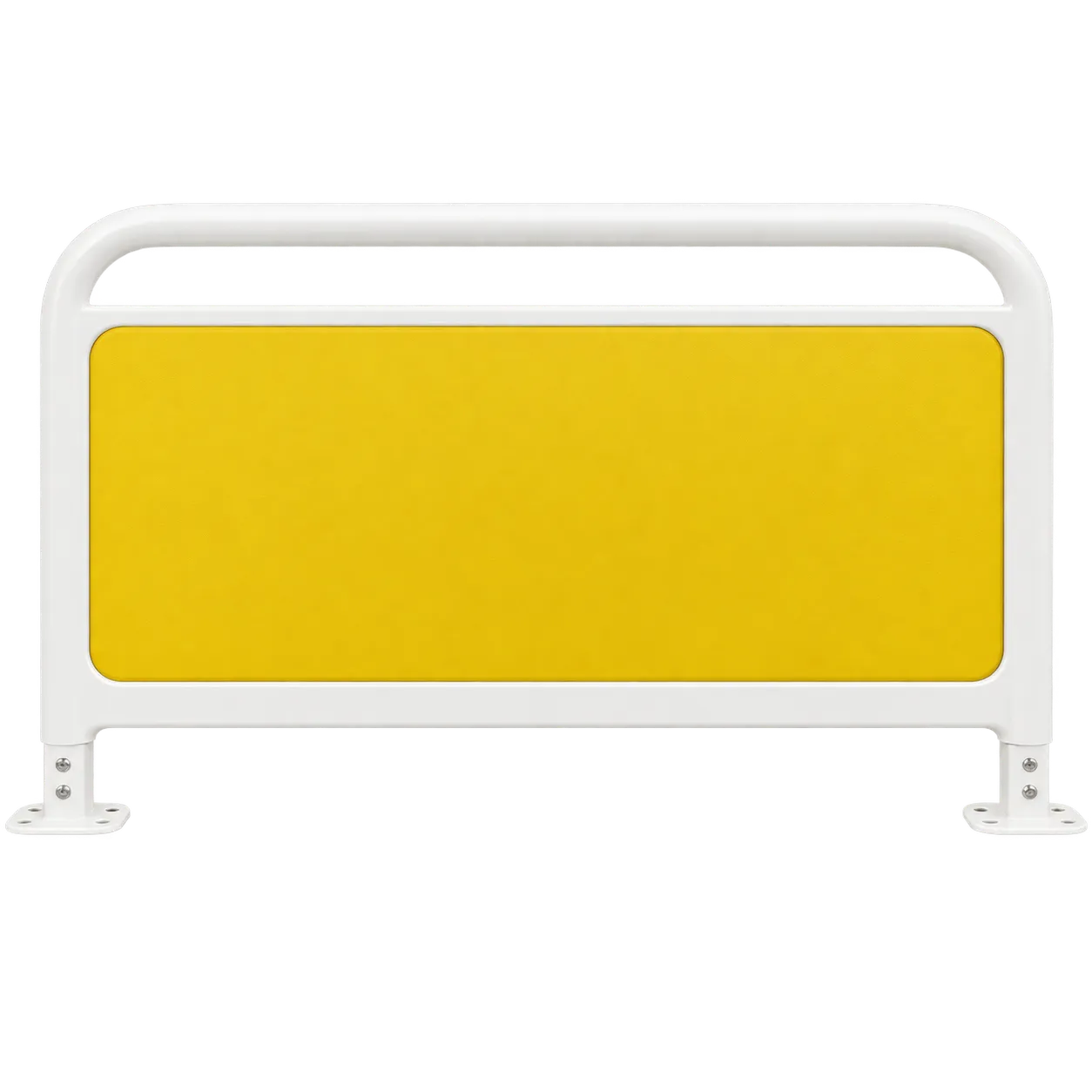
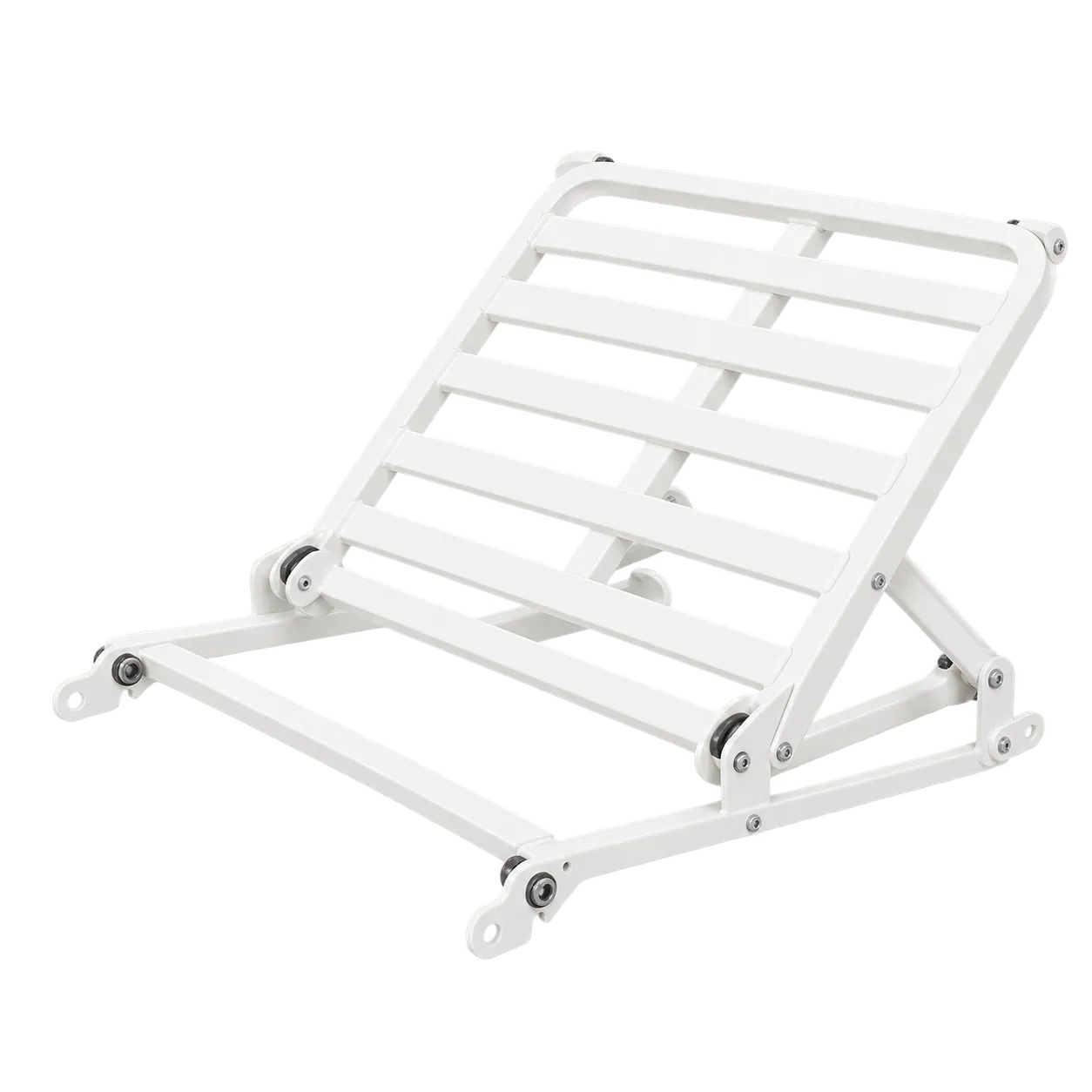
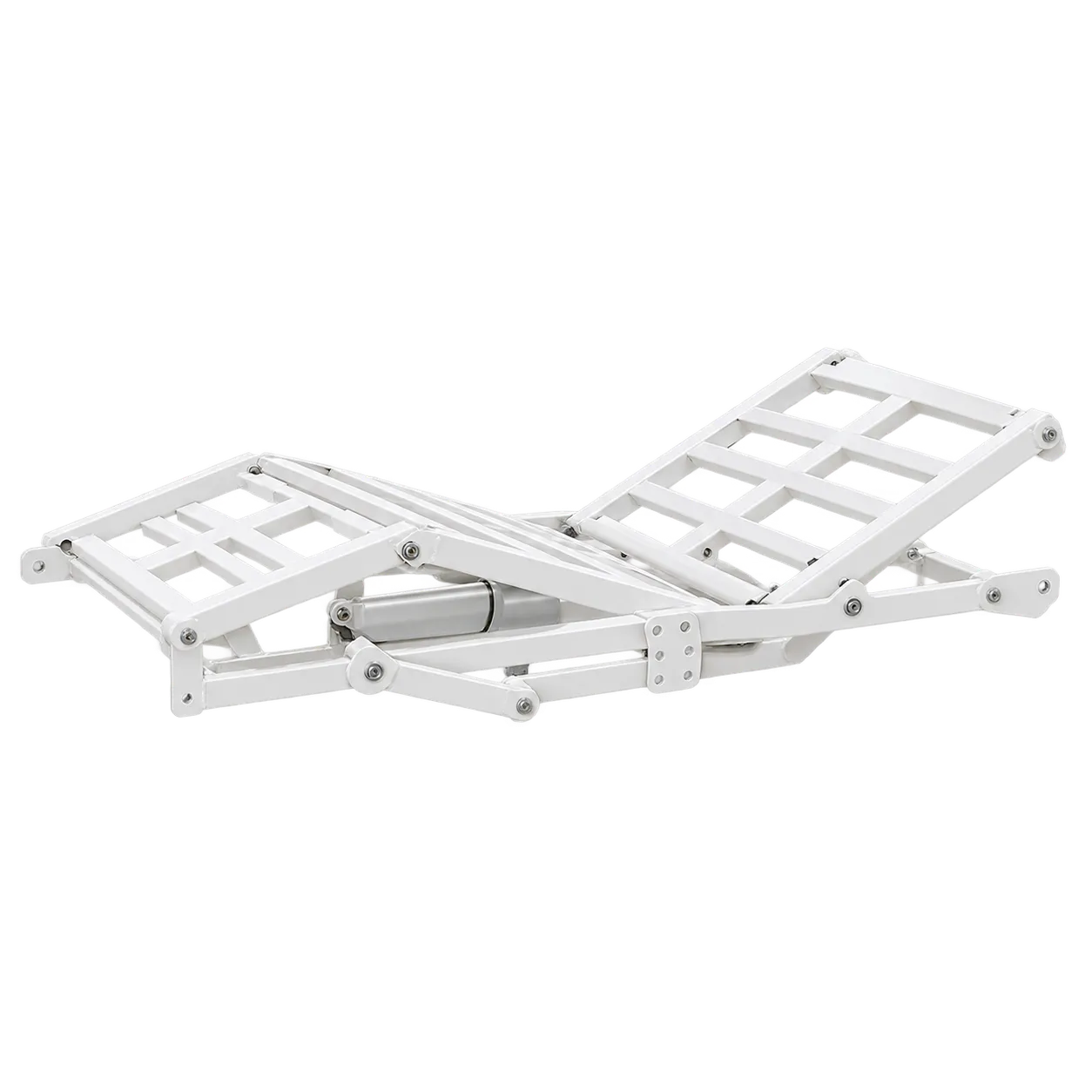
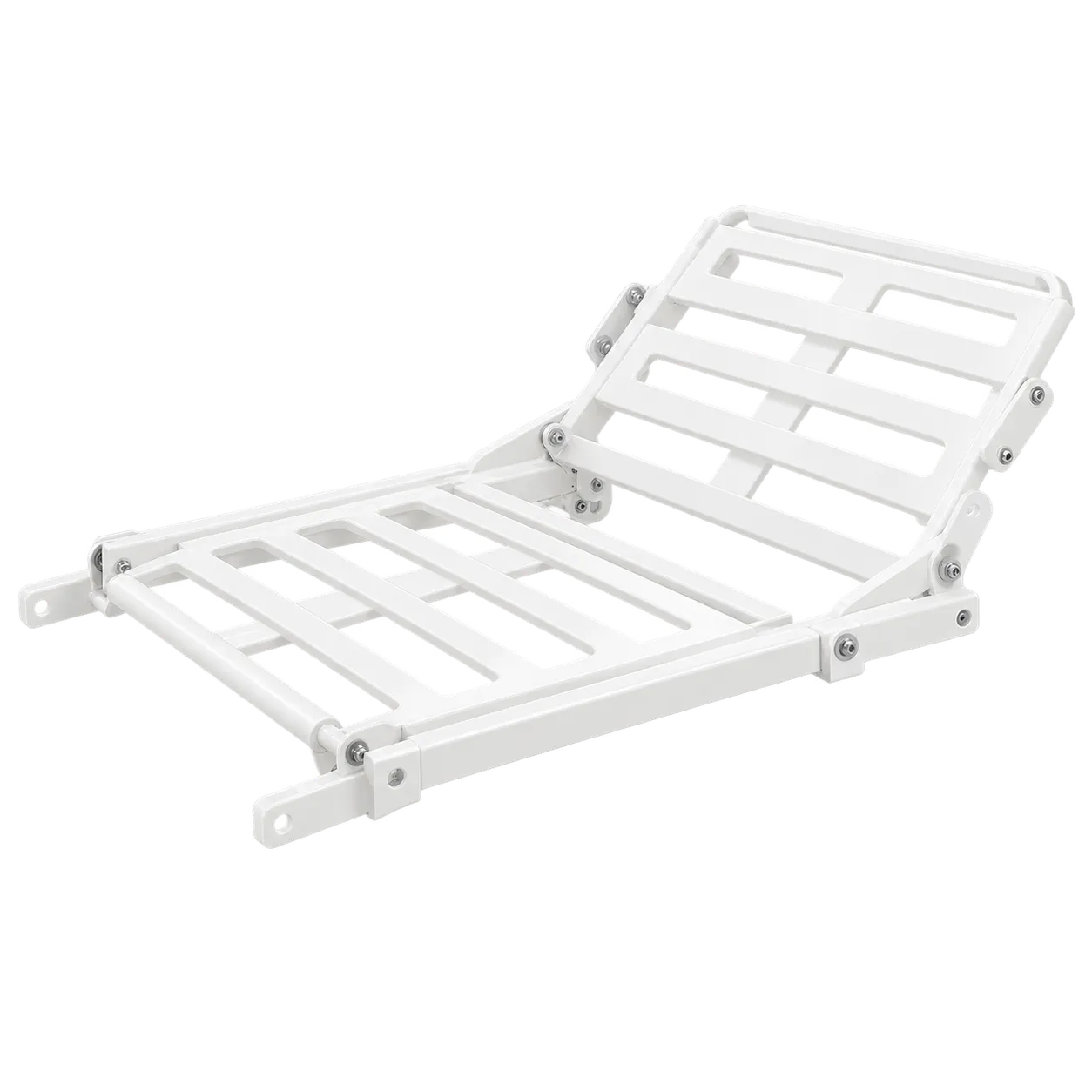
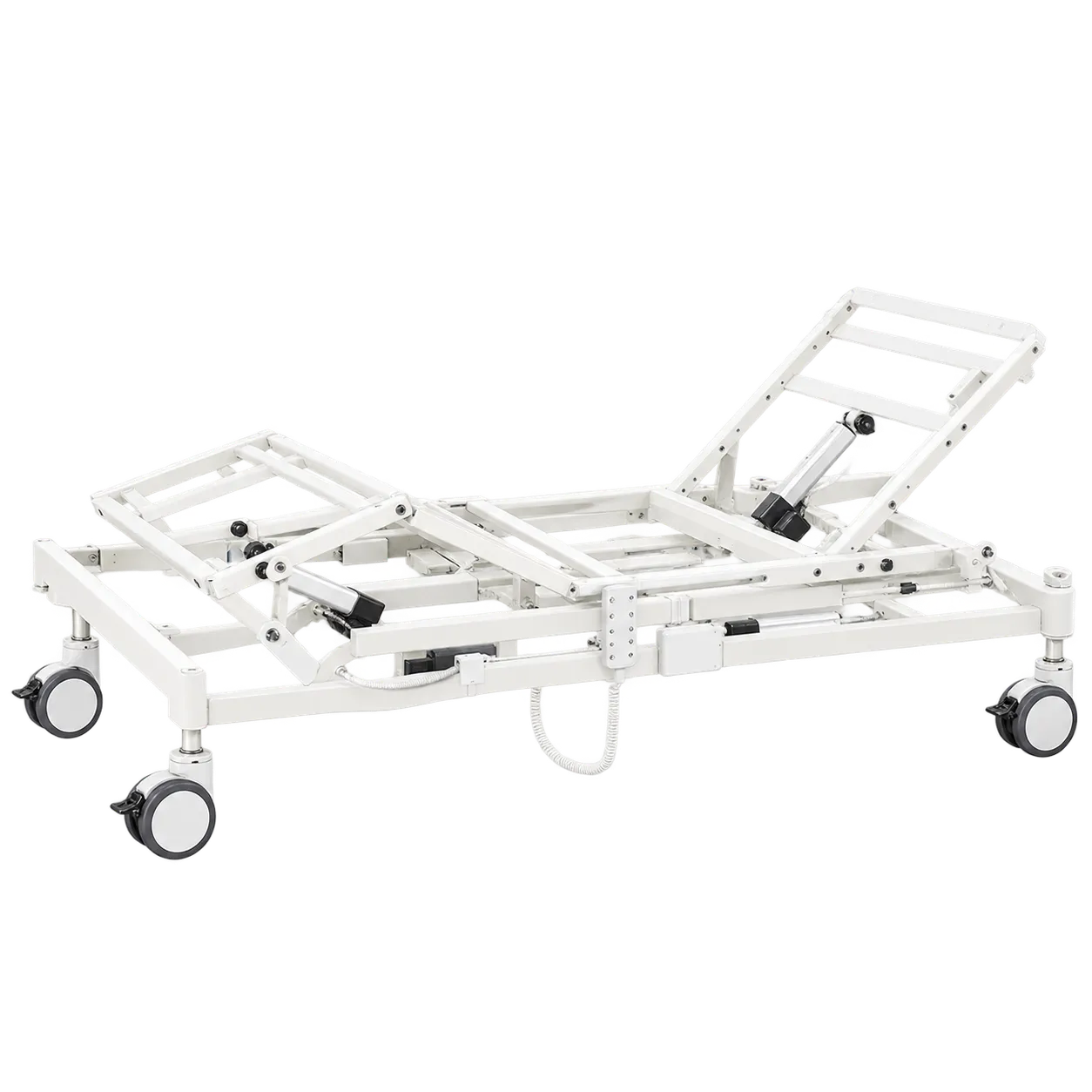
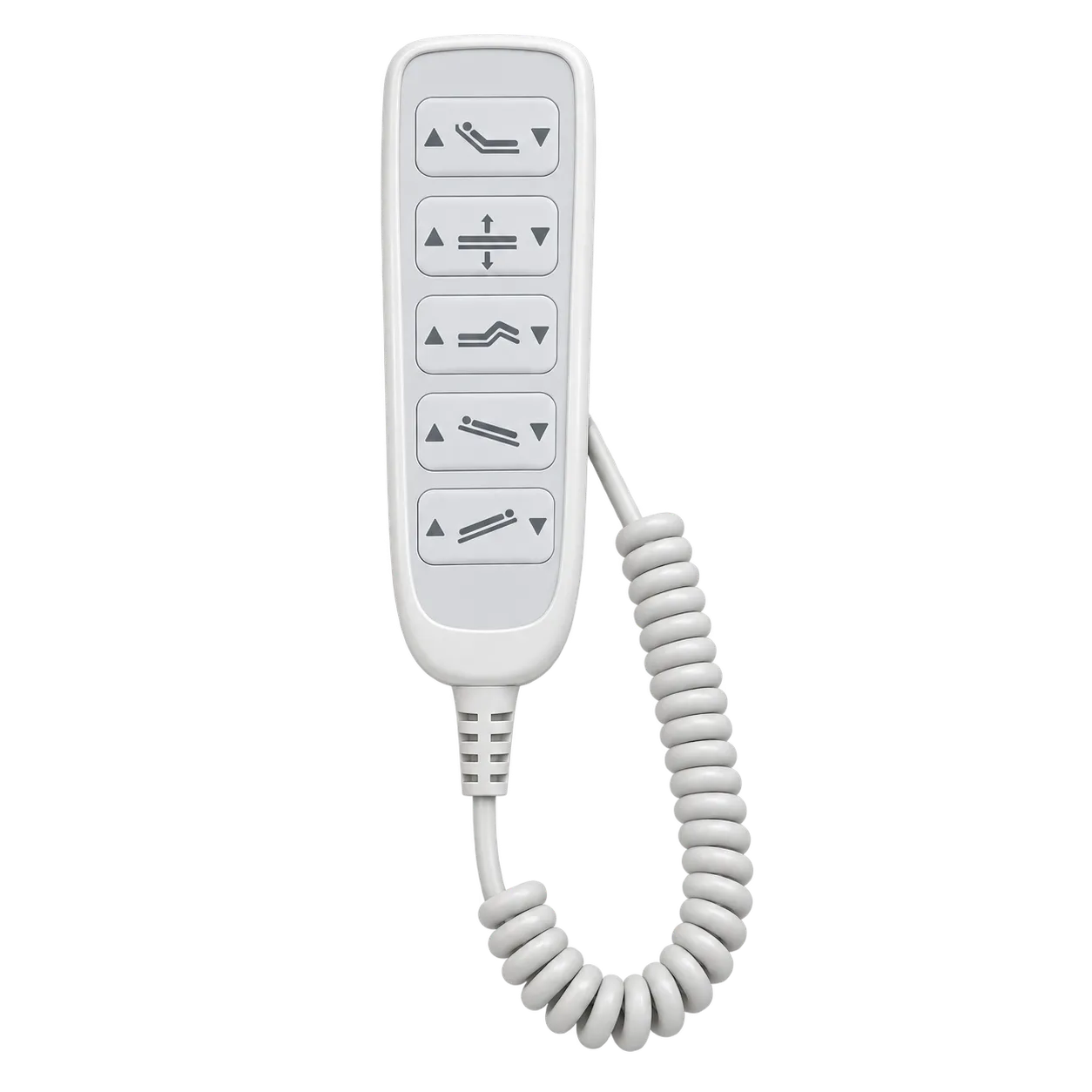
The WRA IV E suits care settings that need five powered positions and have the systems to manage electrical equipment: nursing and residential homes with an equipment register, community hospitals, hospices, and home care services supported by an equipment provider. Its case is regulatory burden, stated plainly. An electric bed gives patients and carers real benefits, but it also adds duties a buyer should plan for before ordering.
Those duties start with electrical safety. The bed is built as medical electrical equipment to IEC 60601-1 and IEC 60601-1-2, with EN IEC 80601-2-52 for beds, and recurrent testing in service normally follows IEC 62353. HSE states that the Electricity at Work Regulations 1989 do not set how often equipment must be tested, only that it is maintained to prevent danger, with the frequency depending on the equipment and its environment. The organisation therefore owns the schedule, the user checks before use and the records.
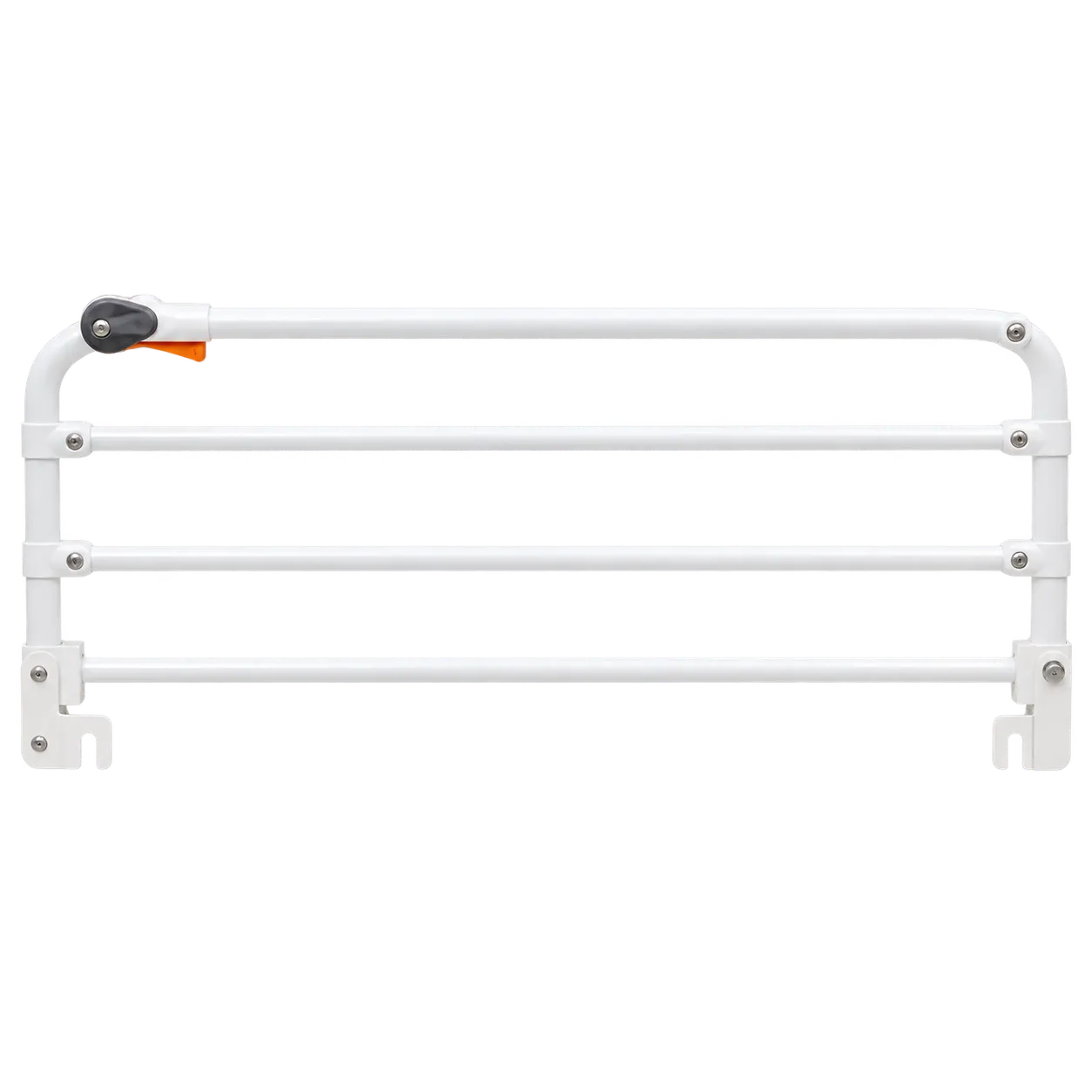
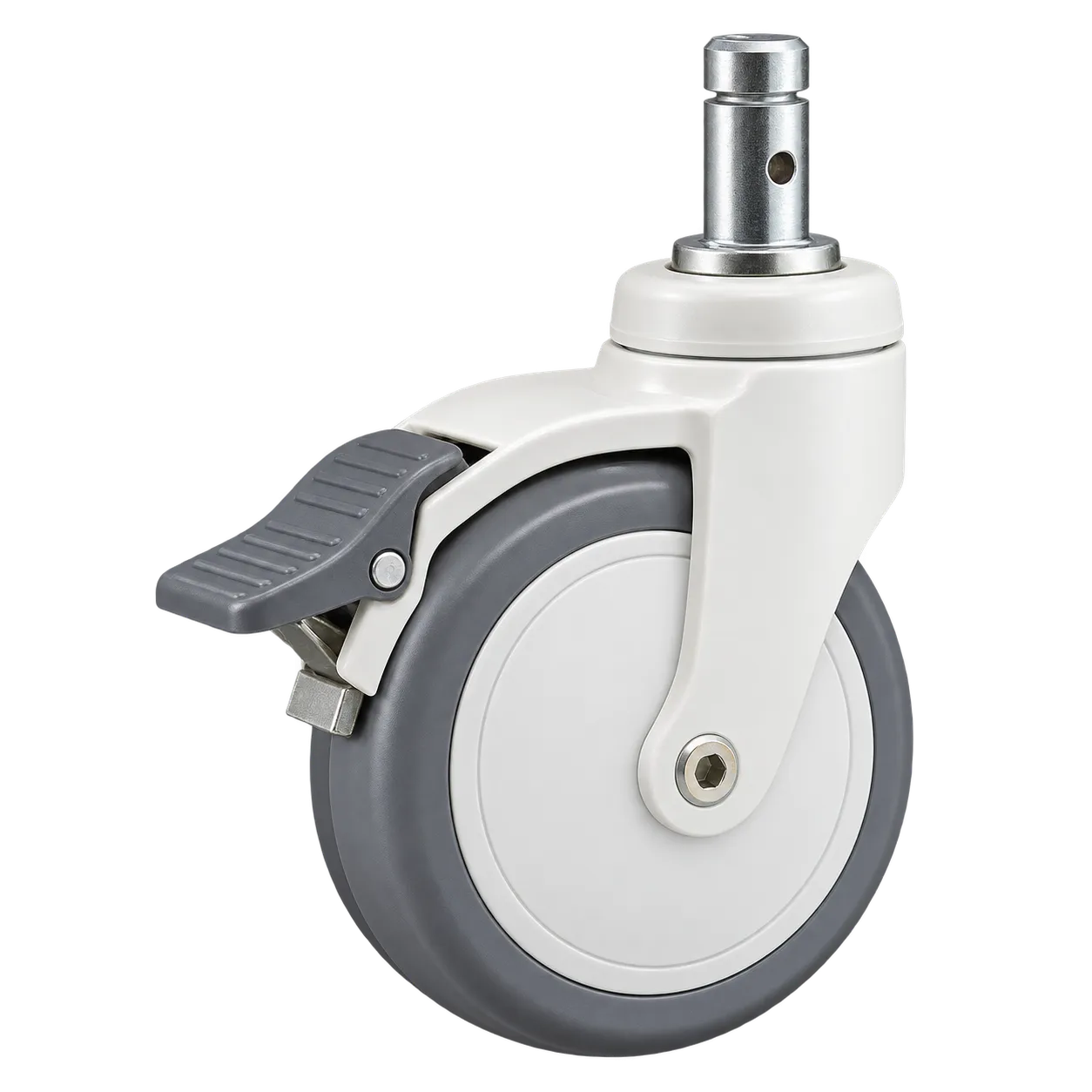
The duties continue through the bed's life. PUWER 1998 covers the mechanical side, including the rails, actuators and castors. Any battery backup ages and needs replacing as planned. At end of life, the WEEE Regulations route the bed to electrical waste. The full-length rails bring MHRA bed rail assessment, with gaps checked against the mattress in use. In return, carers get powered height from 480 to 880 mm, which HSE guidance under the Manual Handling Operations Regulations 1992 links to reduced risk when people are handled in bed.
NHS procurement routes, community equipment services and public purchasers in other markets ask for a device class and a declaration of conformity. The conformity documentation those procurement routes require is issued by the manufacturer and shared by the enquiry team.