
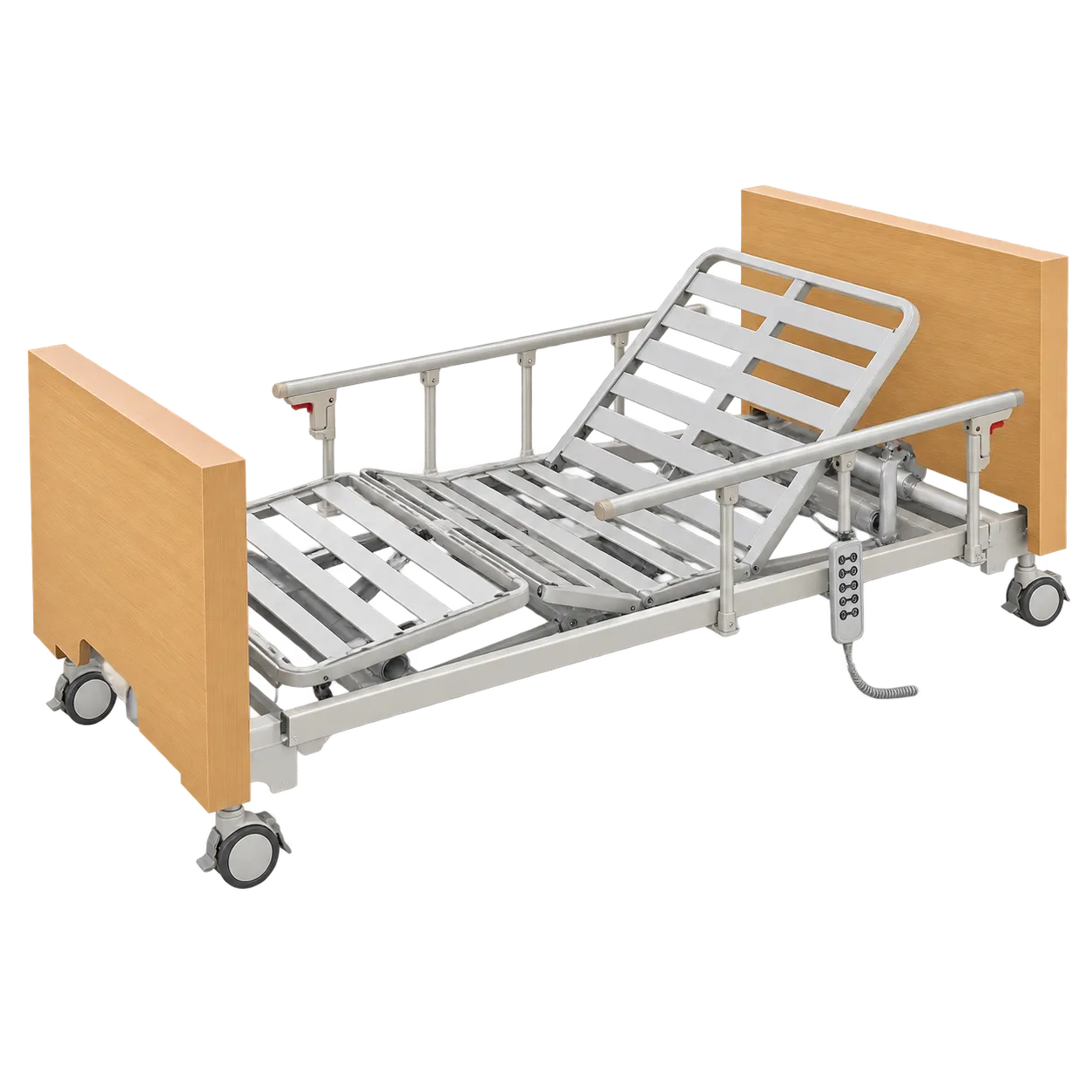
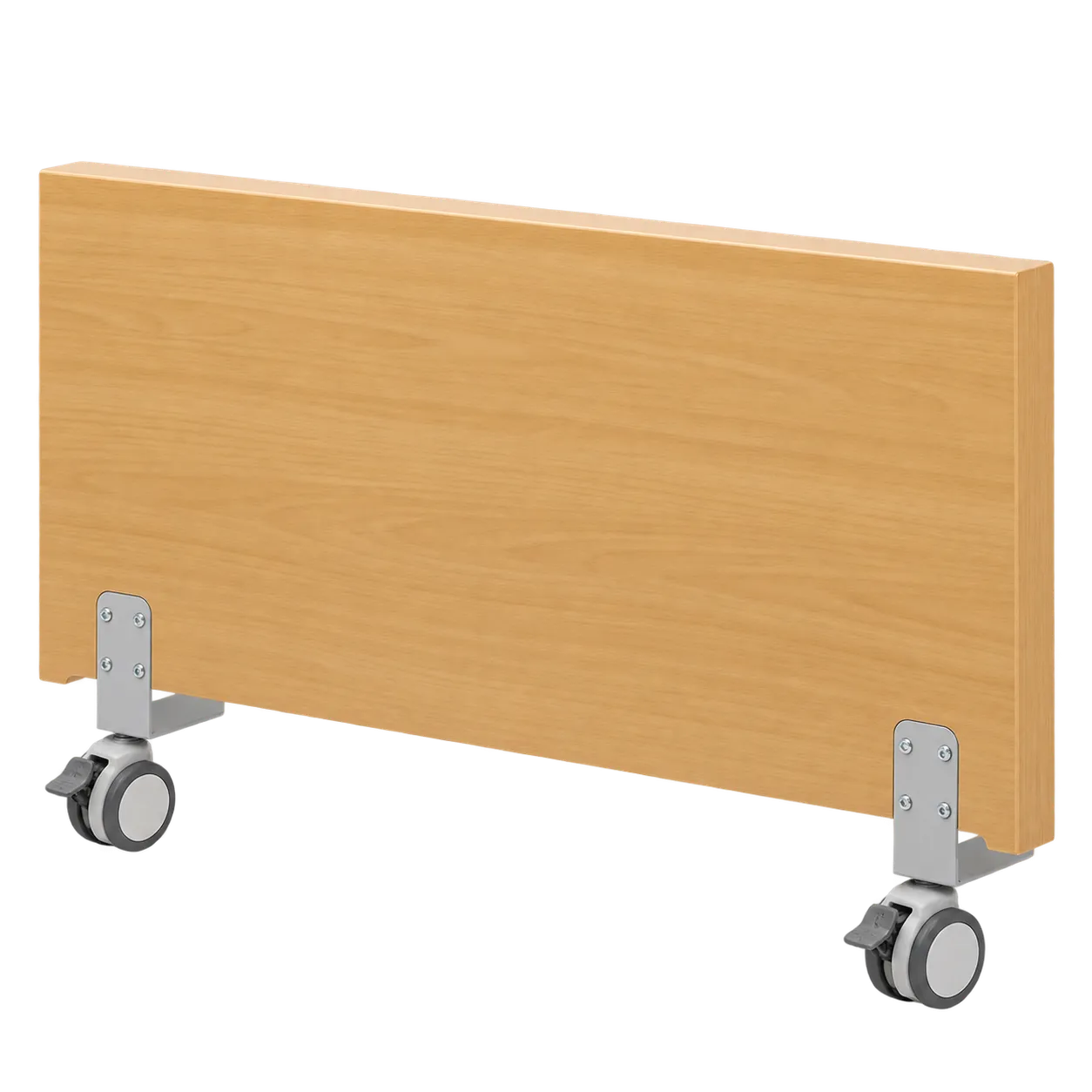
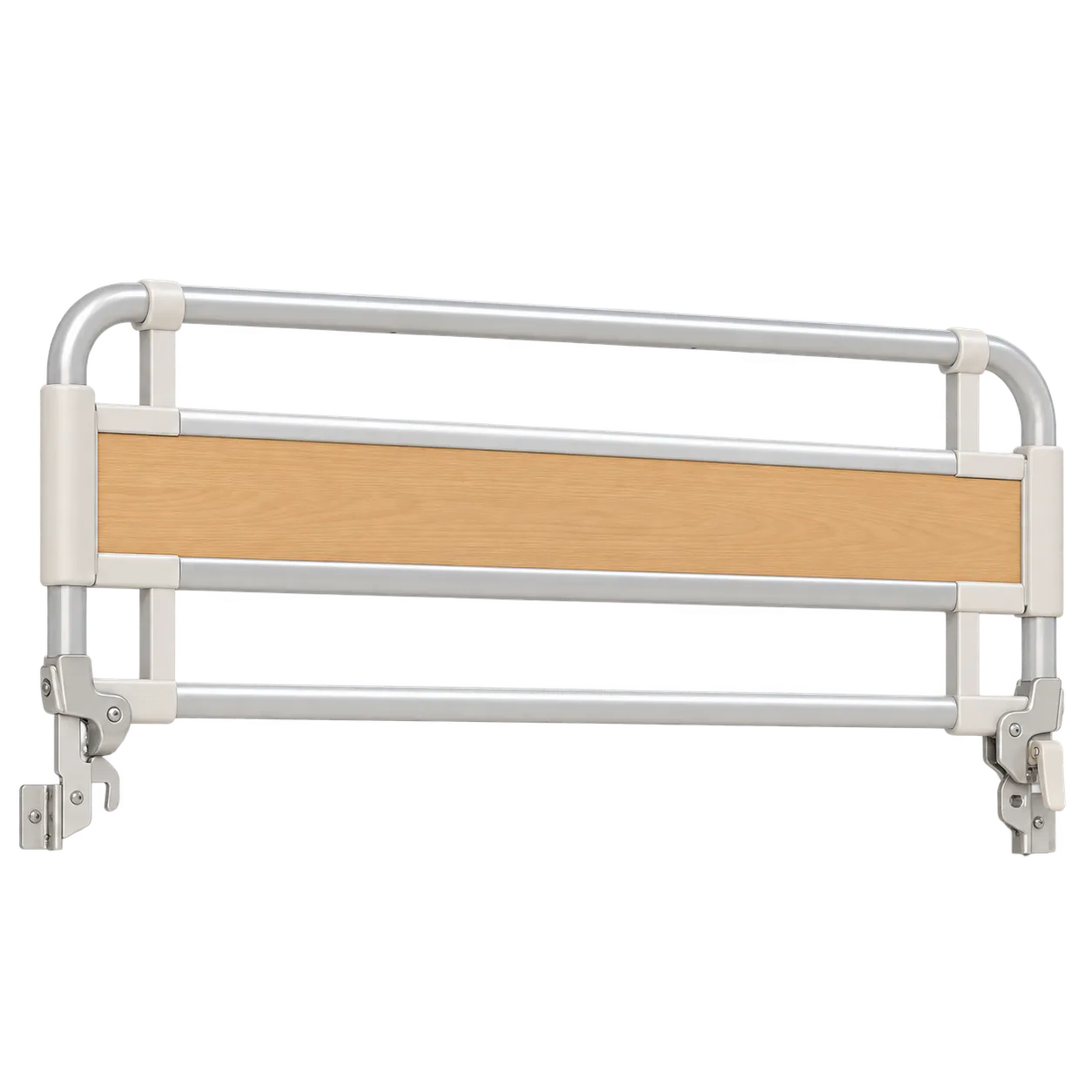
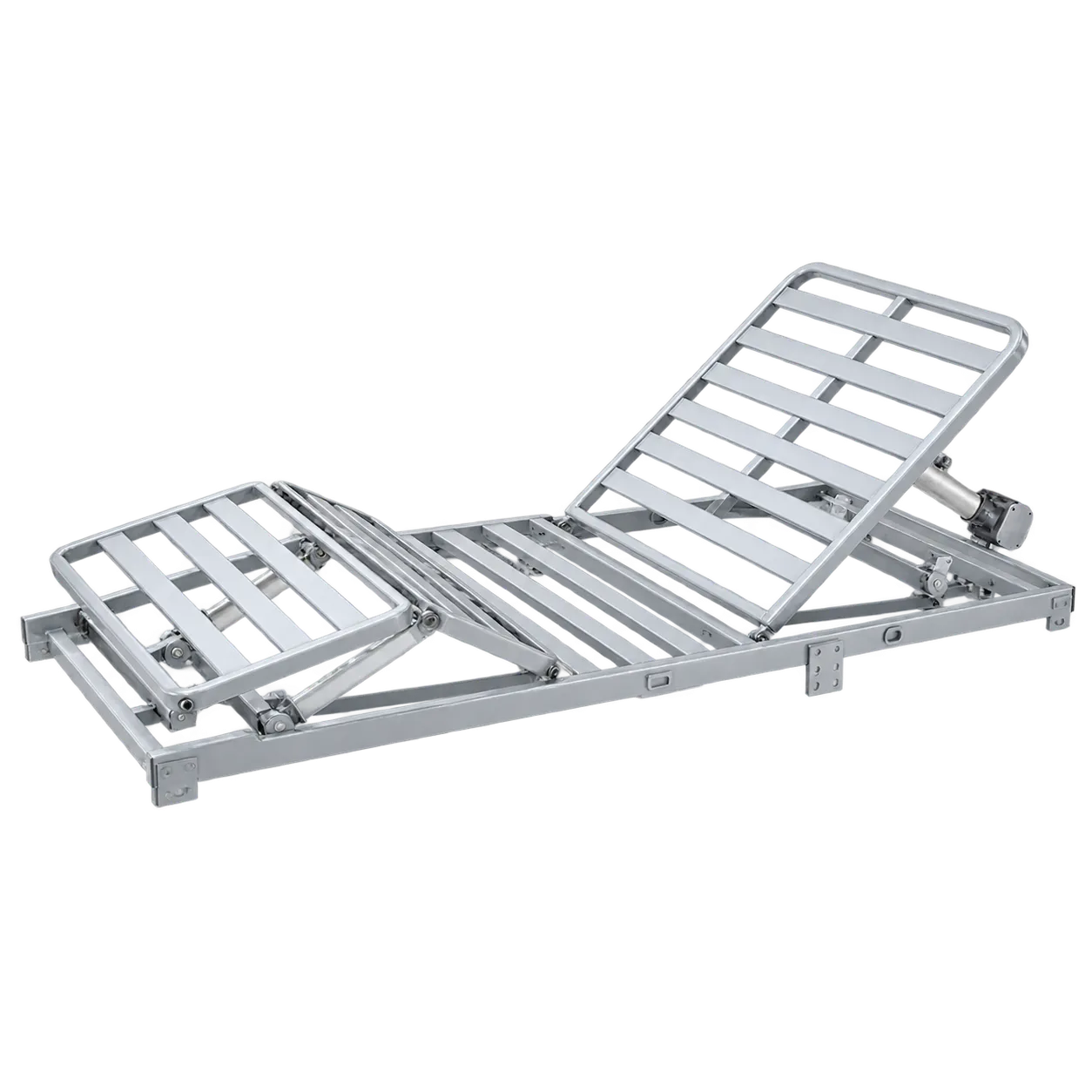
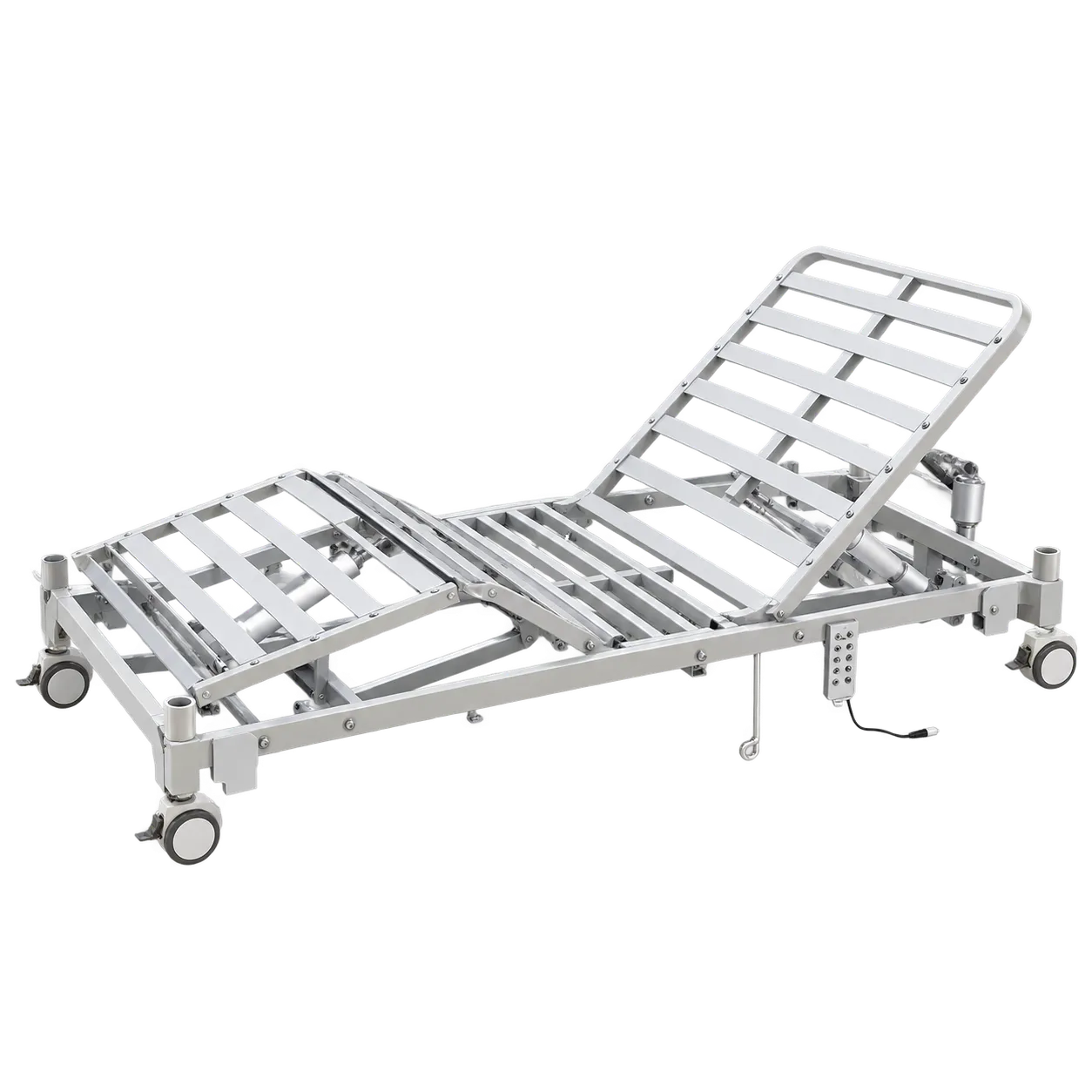
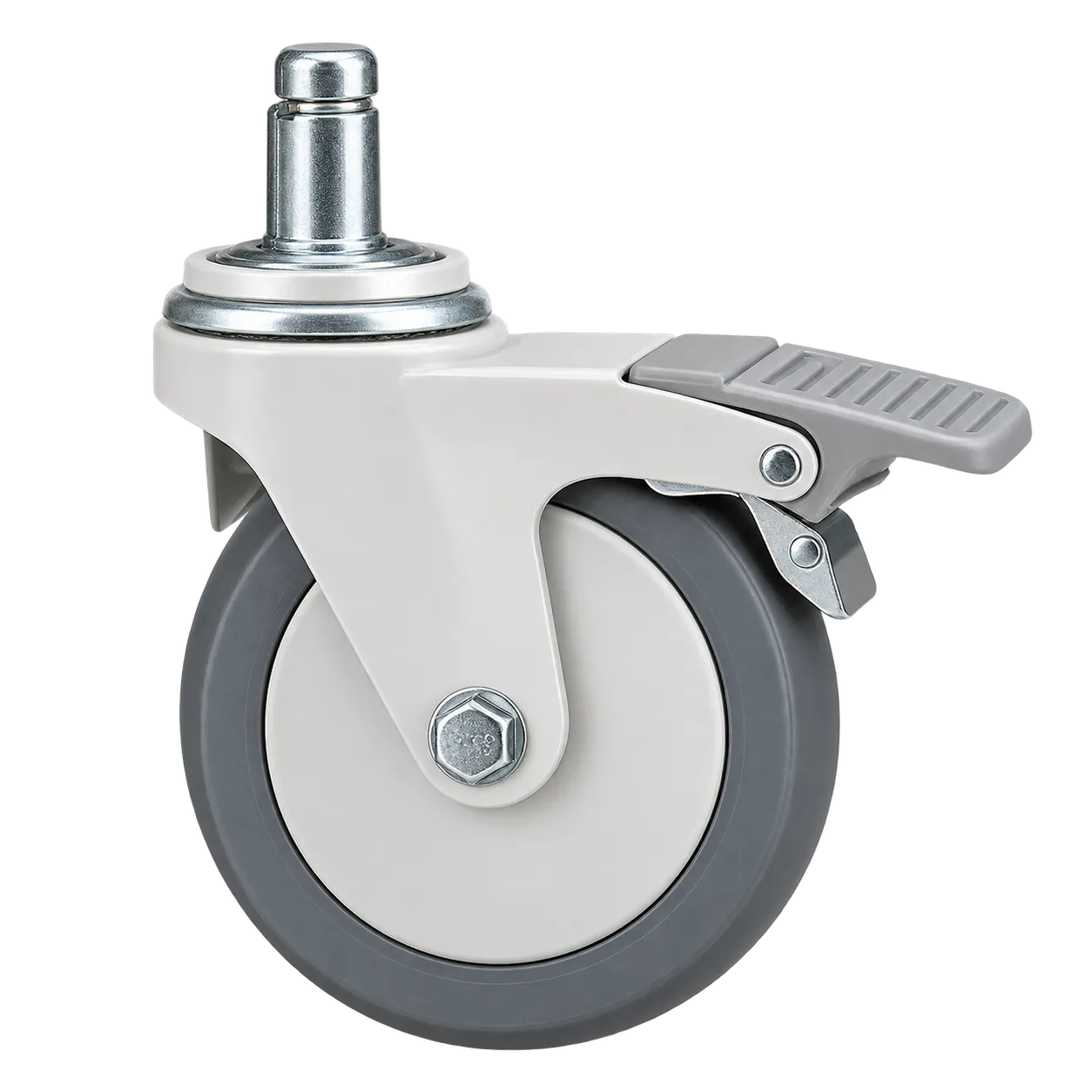
The WRA IV C suits organisations that move and store beds as often as they use them. Community equipment loan stores, hospital-at-home and virtual ward services, respite providers, surge and field capacity, and providers delivering into flats and upstairs bedrooms all fit. Its case is estate and environment. A bed that folds upright on its castors changes the space it needs in storage and the route it can take to reach a patient.
That route matters for the people doing the moving. The Manual Handling Operations Regulations 1992 require employers to avoid hazardous manual handling where reasonably practicable and to reduce the risk where it cannot be avoided. Wheeling one folded unit through a house replaces carrying heavy sections up stairs and reassembling them in a small room. Once in place, the bed unfolds to its working form without tools.
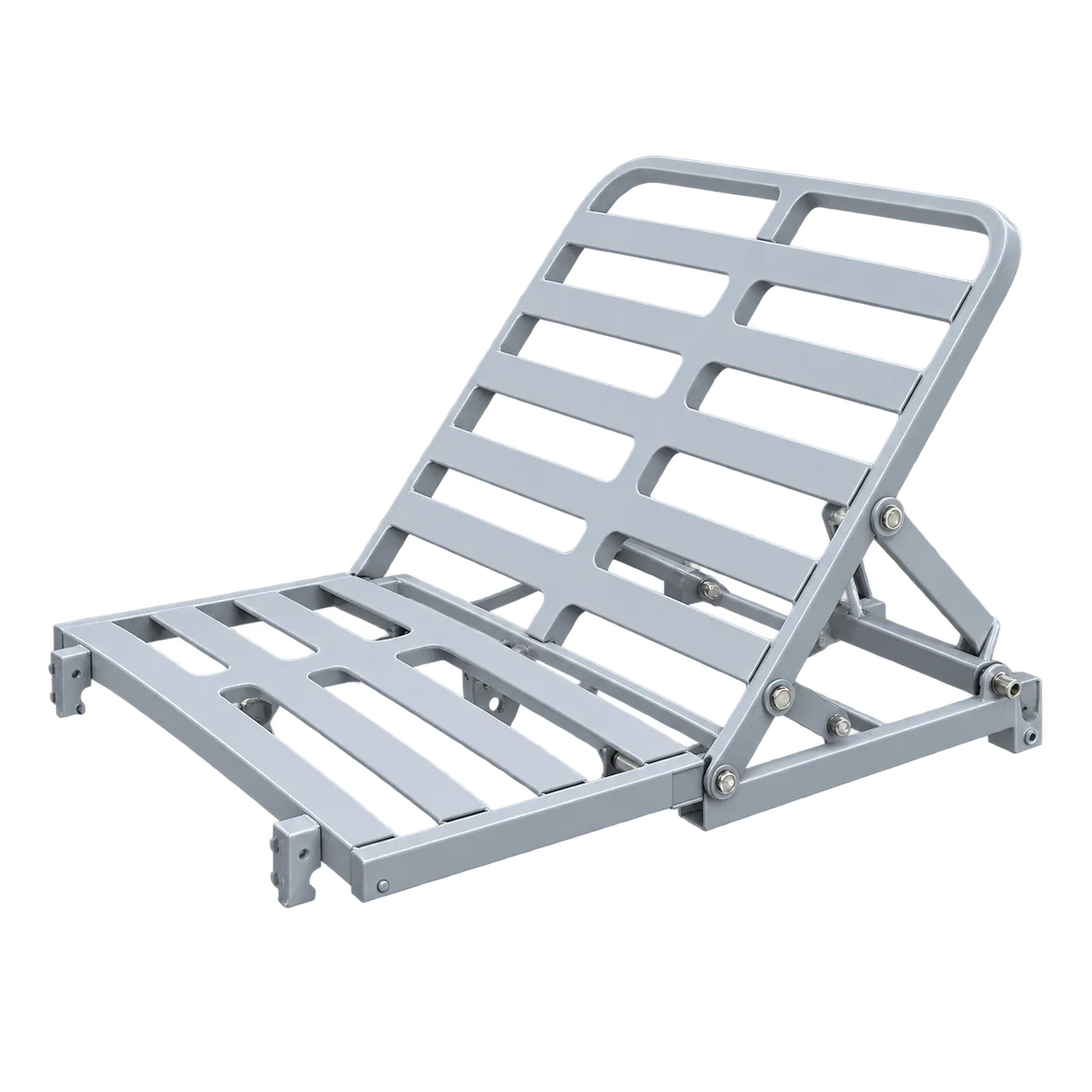
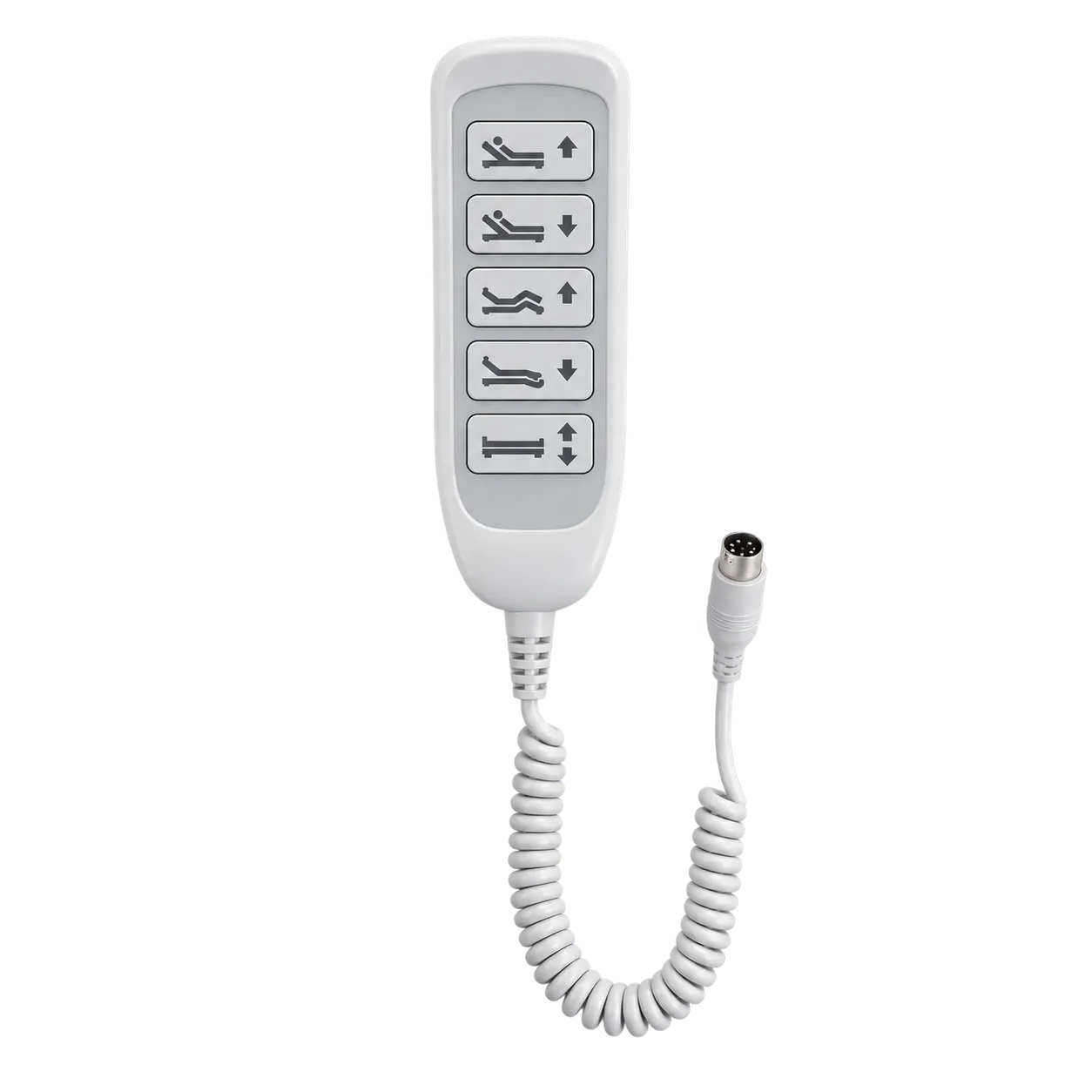
Unfolded, it gives a patient the care positions most home placements need. The backrest and knee rest support sitting up and eating, tilt in both directions helps carers reposition, and the height range from 320 to 720 mm covers a low overnight position and a practical working height for care. The fold brings its own hazard, because a powered folding movement can trap anyone standing close to it. It must be locked out in use and run only with the bed empty. The electrics also mean a plan for power cuts and a schedule of electrical inspection wherever staff use the bed.
NHS procurement routes, community equipment frameworks and public buyers in other markets ask for a device class and a declaration of conformity. The manufacturer issues the conformity documentation those procurement routes require, and the enquiry team shares it.