

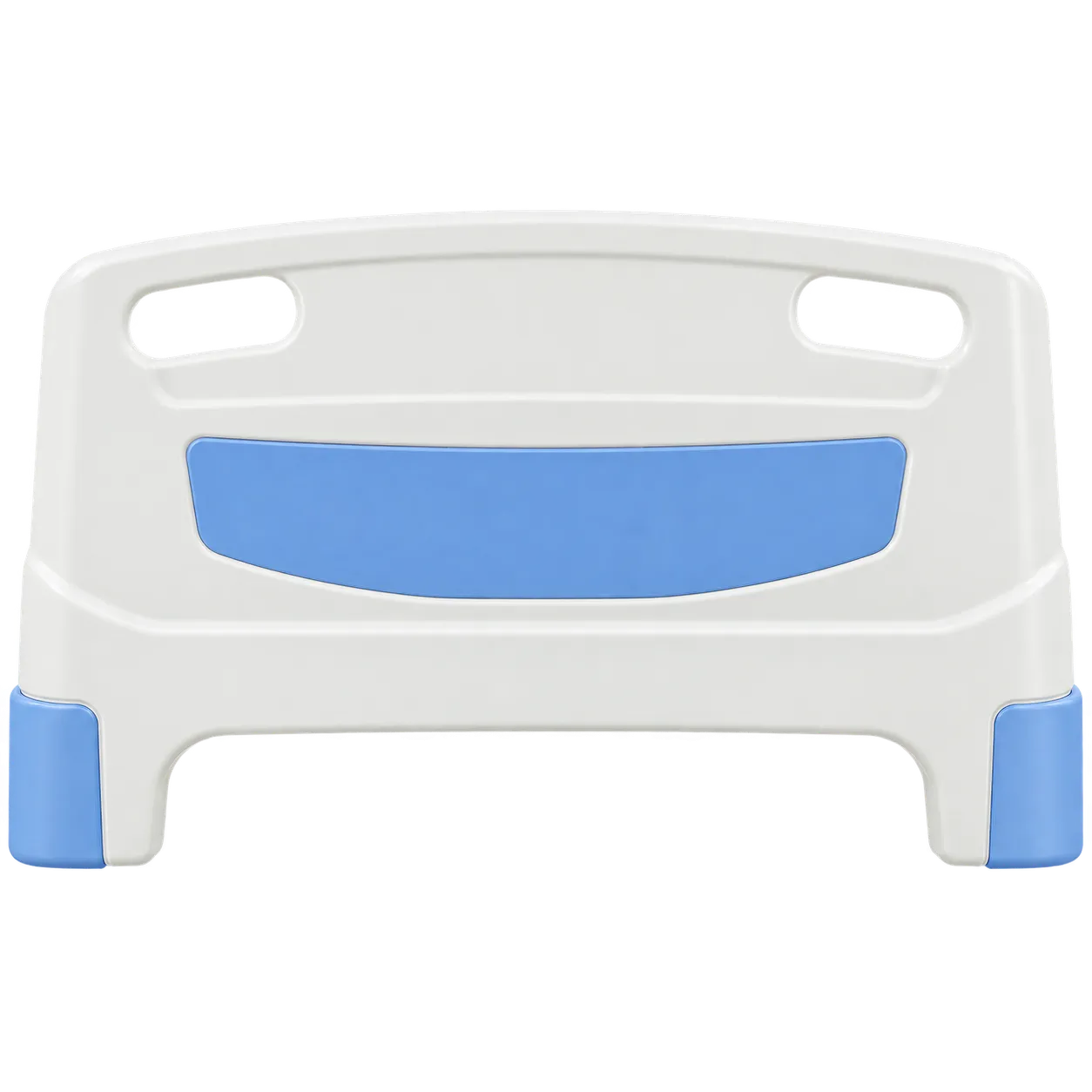

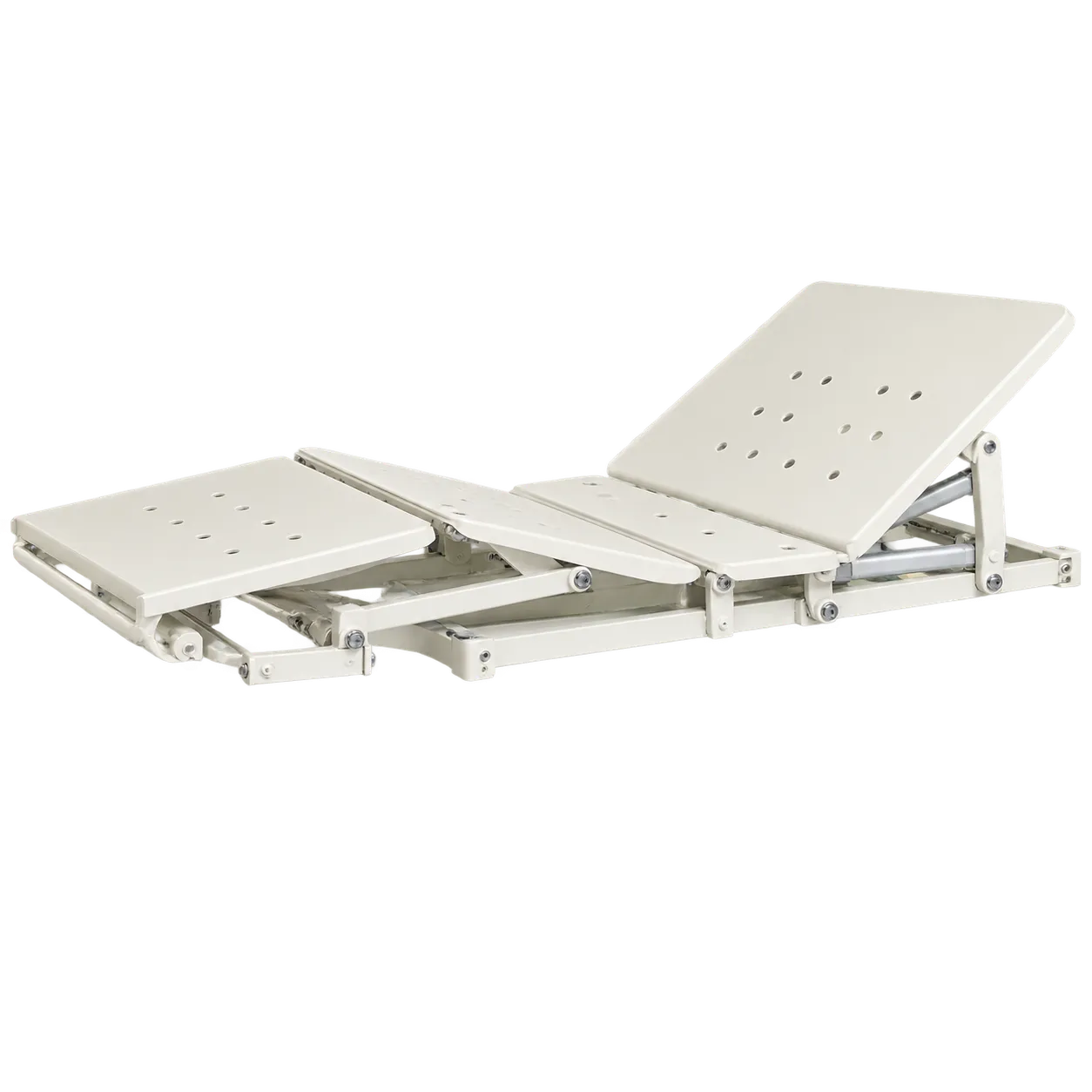
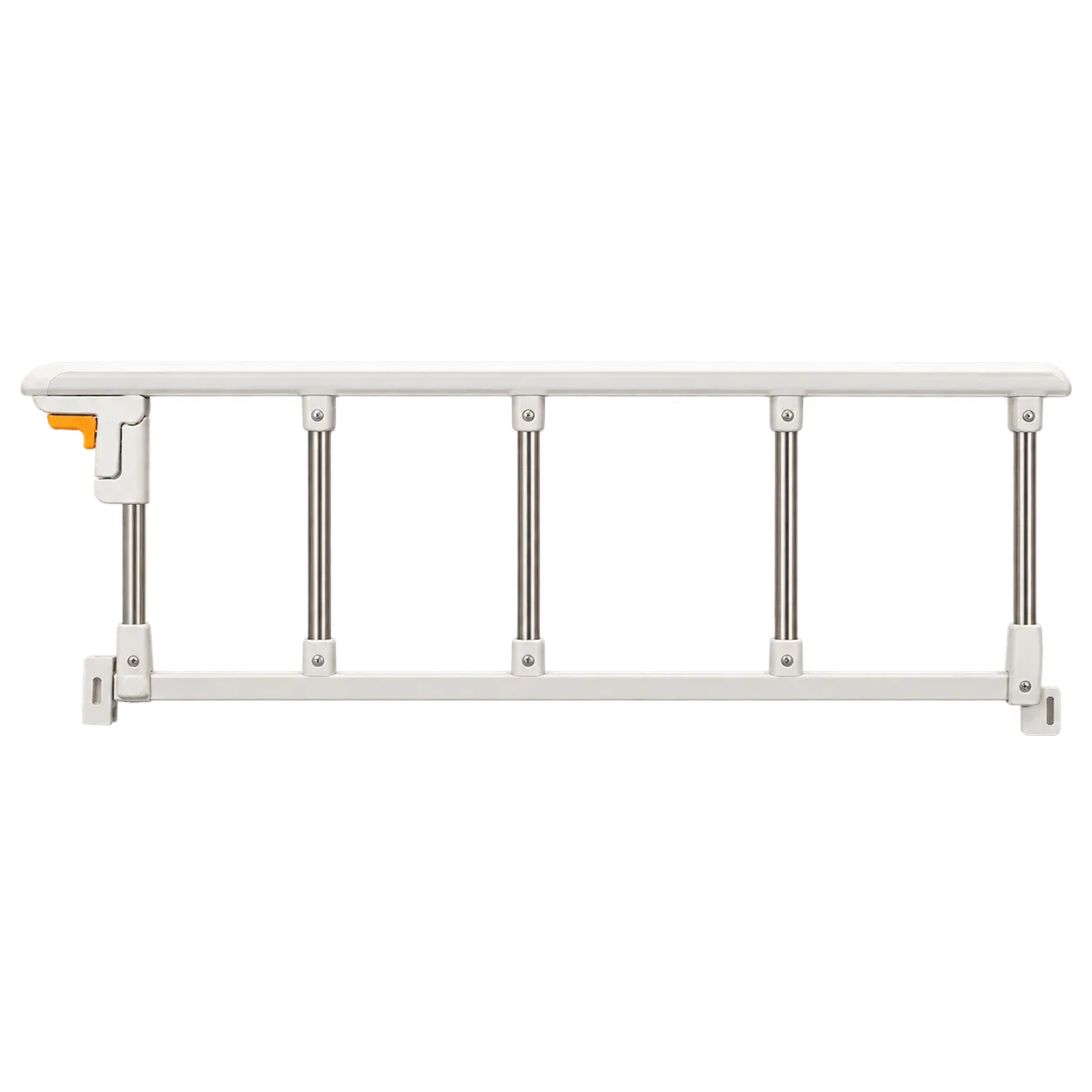


Acute and general wards, and smaller rooms where a 1000 mm frame fits better, are where a five-function electric bed with tilt is used. Motors raise the back and knees, tilt the platform head-down or head-up when a clinician asks, and move it between 485 and 860 mm. A narrow frame suits smaller rooms where the bed must still tilt.
What sets this bed's paperwork apart is the name on its frame. Vanry letters VANRY BED along the base, yet states that importers sell its beds under their own brands, so the bed a provider receives may carry a different name on its label and declaration. For clinical teams that matters when a safety problem arises: a field safety notice will name a maker, a model and serial numbers, and the ward needs to know at once whether its beds are affected. Clinical teams should be able to find each bed's details quickly.
That depends on good records. From the day a bed arrives, its model code, serial number, legal manufacturer and UK Responsible Person belong on the asset register, with its declaration and user instructions filed alongside. MHRA guidance on managing medical devices expects that kind of inventory, and it makes recalls, maintenance and spares far simpler. Engineers servicing the bed rely on the same records. The file should also hold any correspondence about rebranding.
Three physical checks still apply: staff shown the manual CPR release, the post rails compared with MHRA's gap limits once the mattress is on, and each patient matched to the narrow platform. Rebranded or not, each bed should arrive with the same documents. It is not suited to bariatric patients or children. The conformity documentation those procurement routes require is issued by the manufacturer and provided by the seller.