
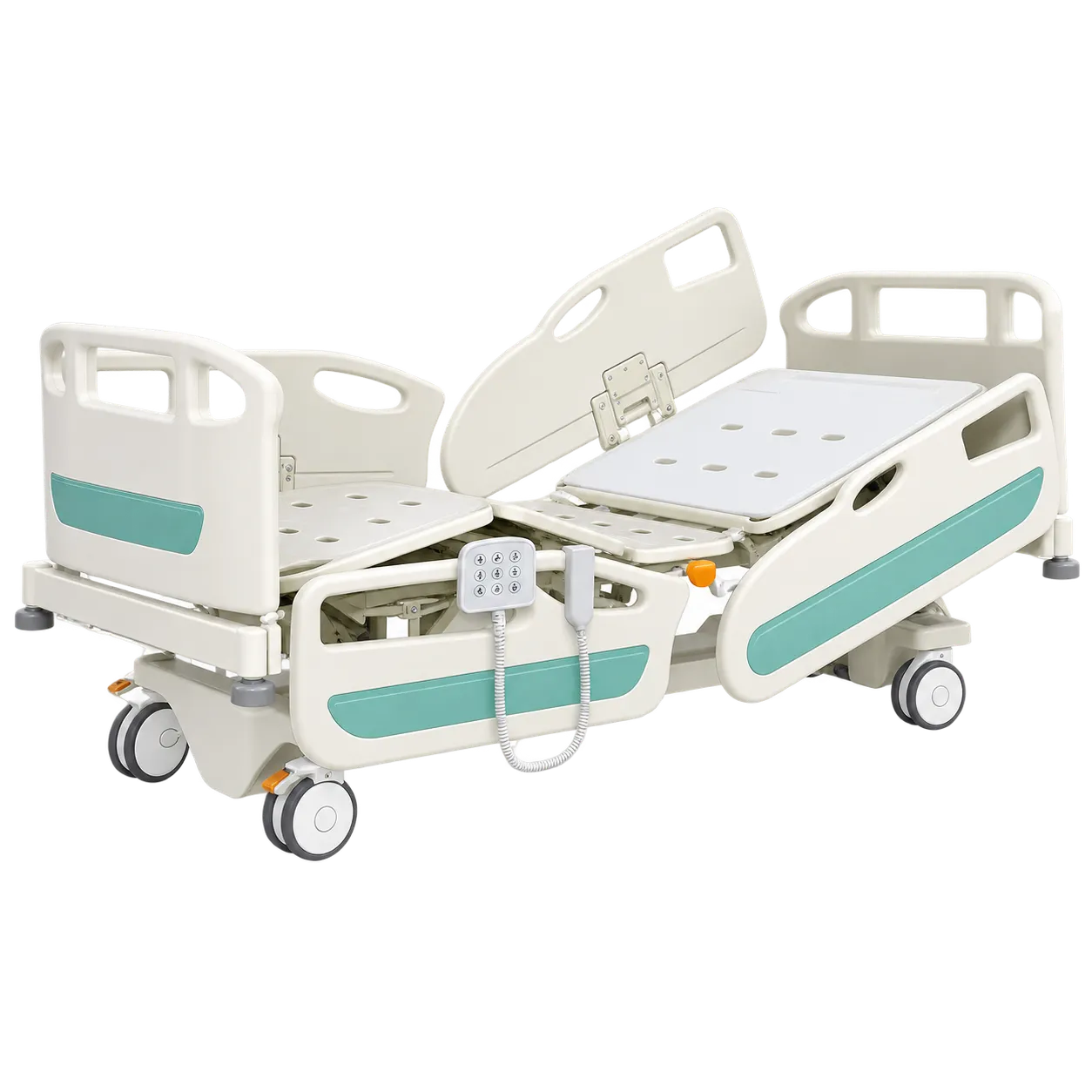


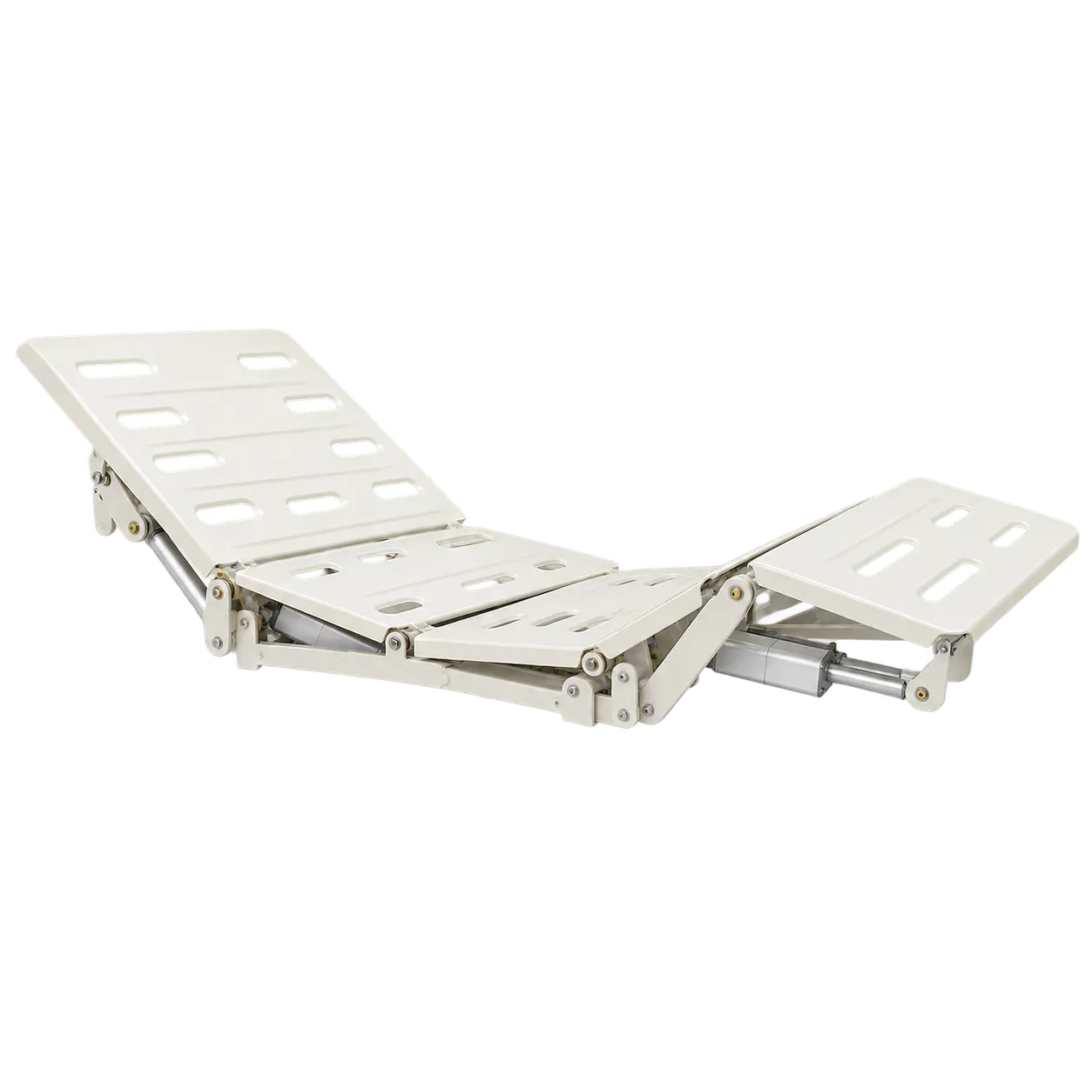

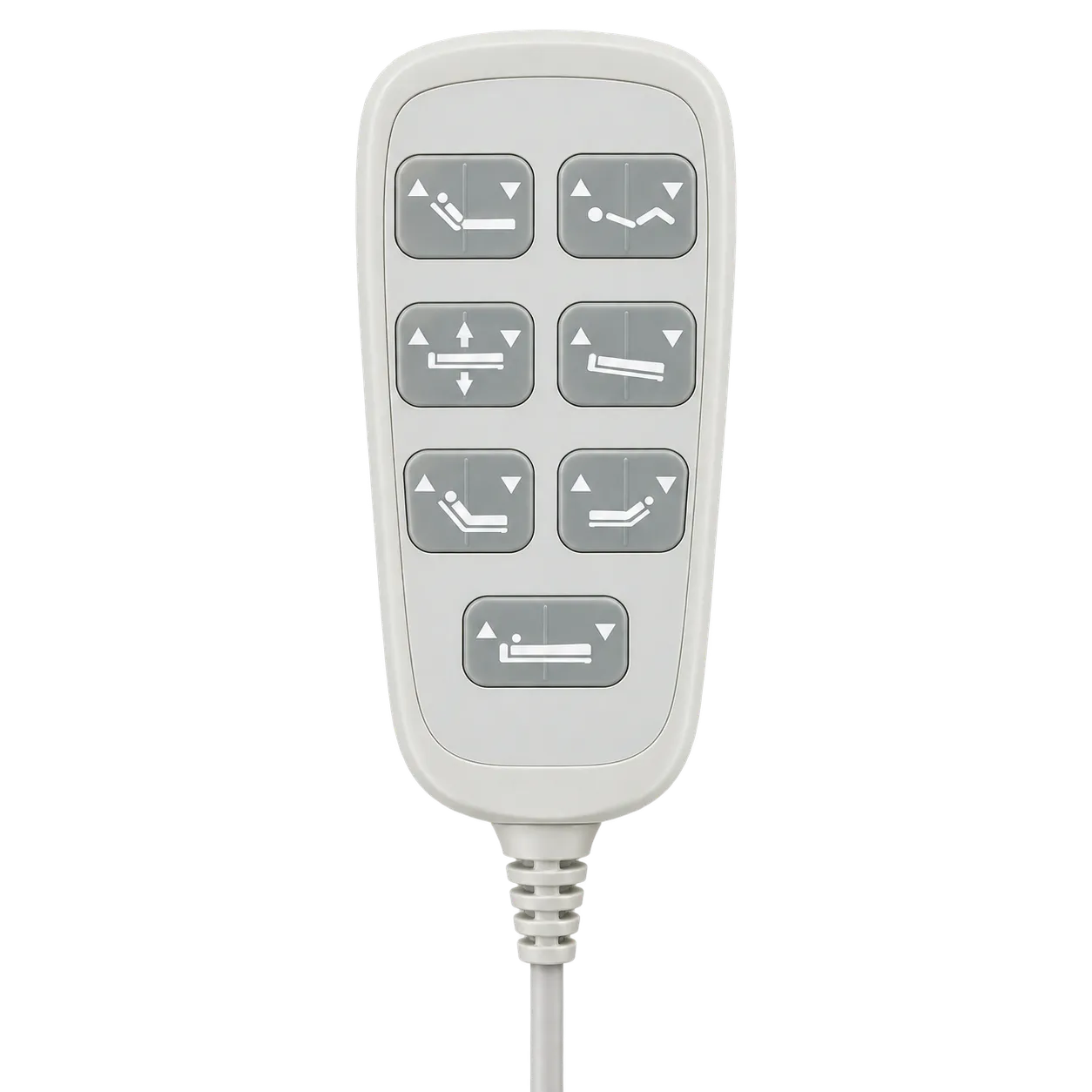

Rehabilitation wards are where a patient handset earns its place. People relearning independence after a stroke, a fracture or a long illness benefit from being able to sit themselves up, settle back and raise their knees, and every movement they make for themselves is one fewer call for help. Occupational therapists and physiotherapists can build handset use into a rehabilitation plan, alongside transfers and sitting balance. A bed that separates what the patient controls from what staff control lets a ward hand over that independence safely.
Surgical and general medical wards serve many alert adults for short stays. Being able to sit up for a meal, a visitor or a conversation with a doctor, without waiting for a nurse, makes a stay more bearable, and it takes a small, steady load off the nursing team. It also helps at night.
Long-stay and elderly care settings use the same arrangement with more caution. Some residents will manage a handset well; others, because of confusion or drowsiness, should have some or all functions locked. The value of the bed there depends on lockout being flexible and on staff reviewing it as a person's condition changes.
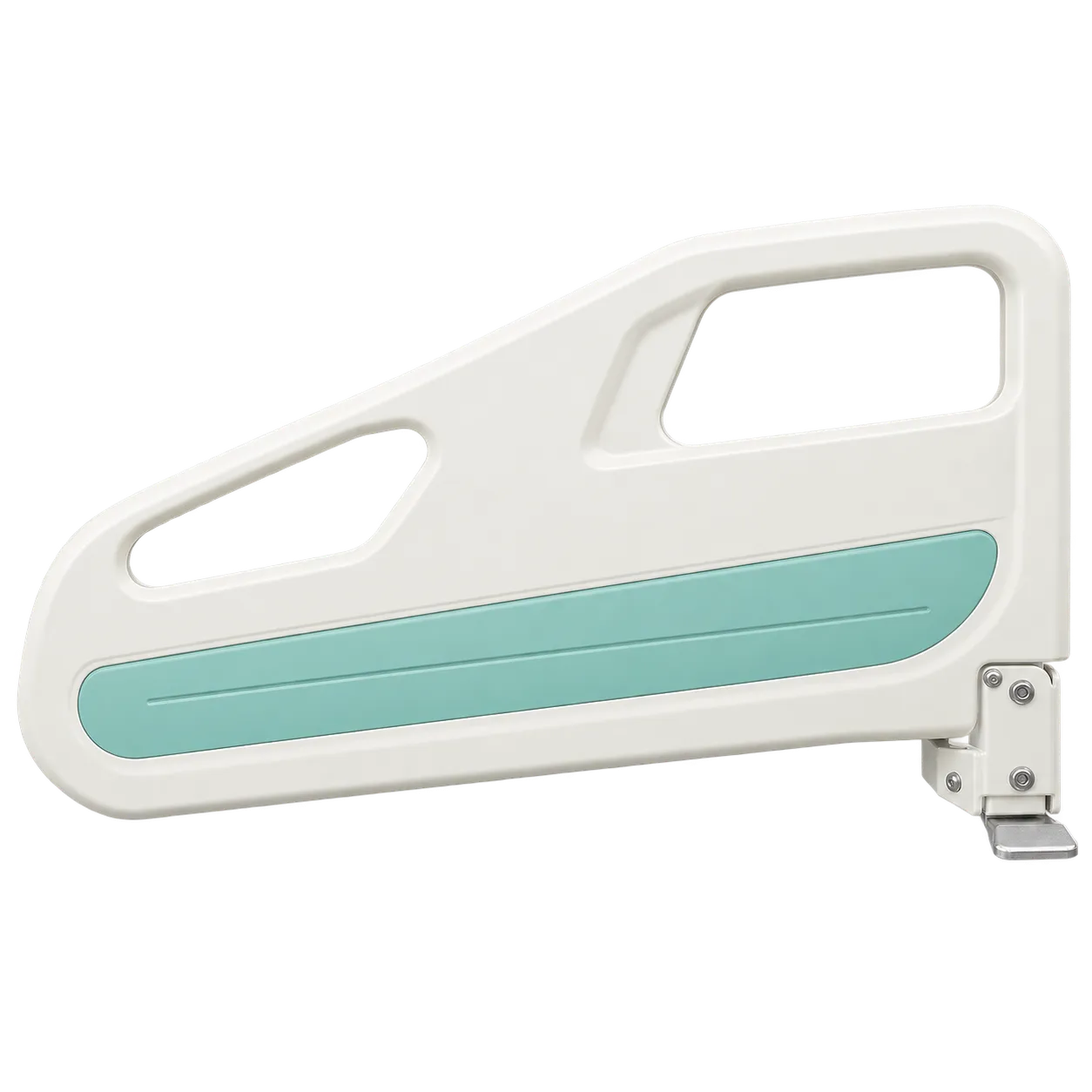
Wherever the handset is used, rail safety comes with it. A patient moving the bed with rails raised changes the gaps around their own body, and the MHRA's 2023 National Patient Safety Alert on entrapment and falls applies to every allocation. The bed is not a specification for children, who fall under a separate standard.
Procurement will ask for the legal manufacturer, the standard edition, the safe working load, rail gap data and the full function list before a purchase proceeds. The conformity documentation those procurement routes require is issued by the manufacturer and provided by the seller.