

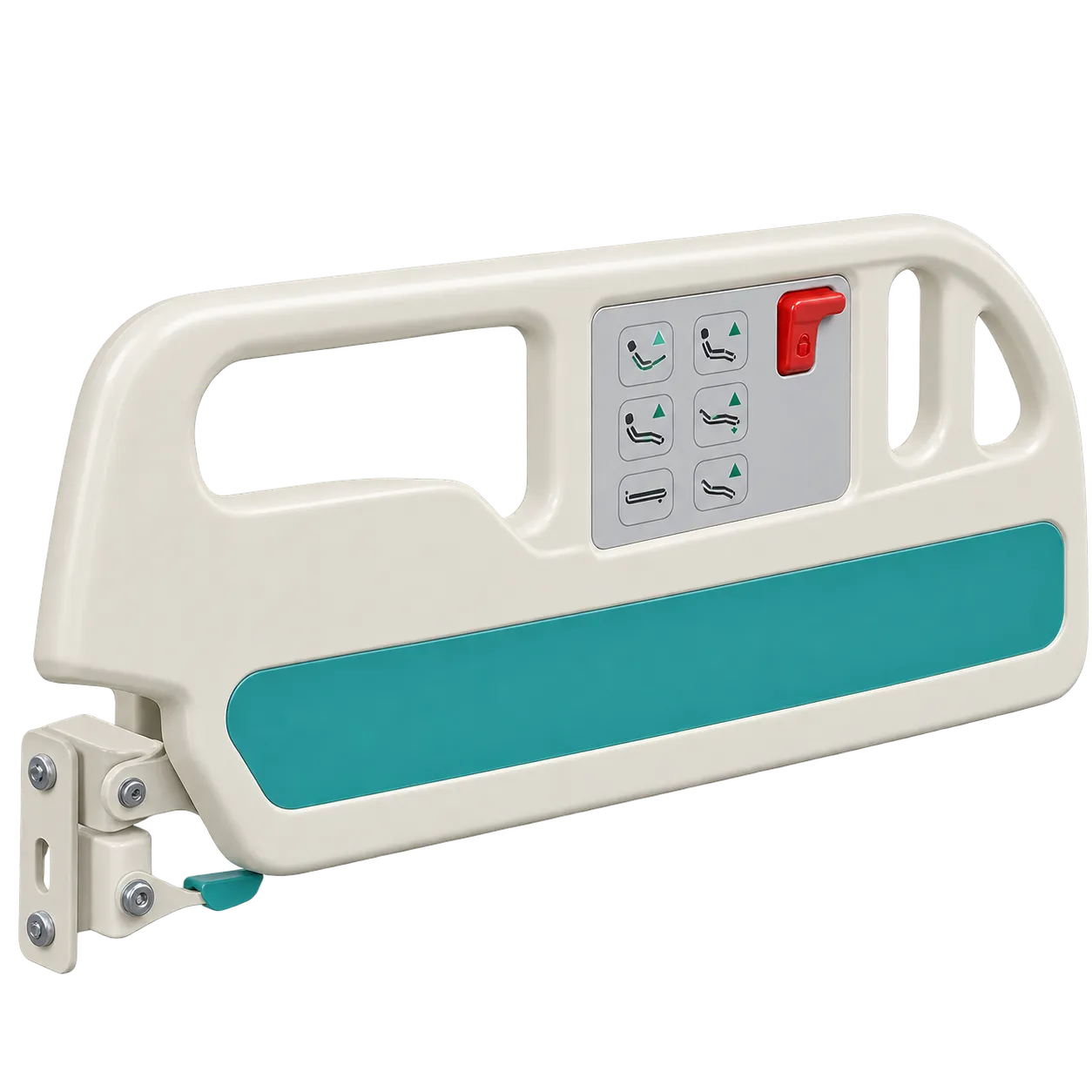
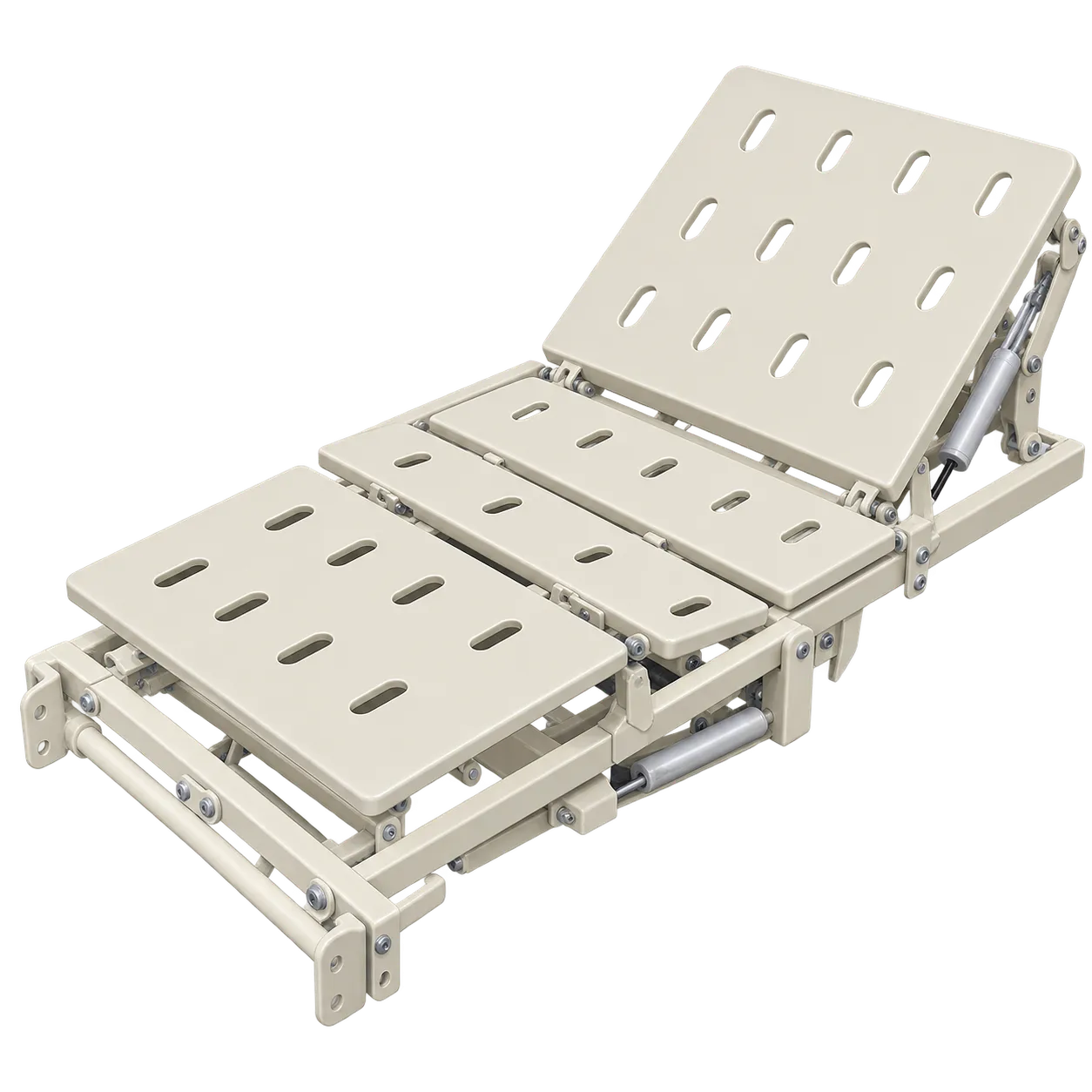
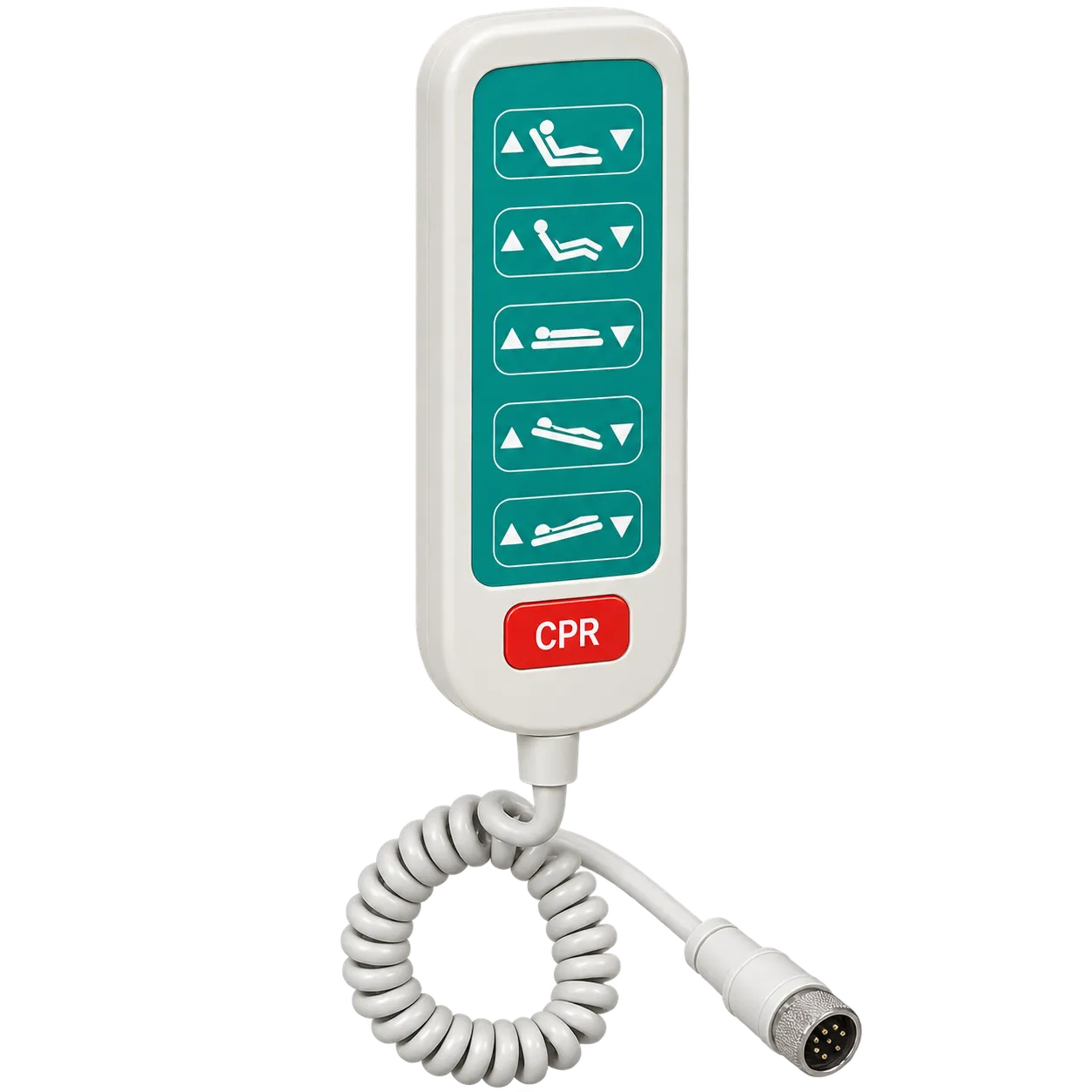
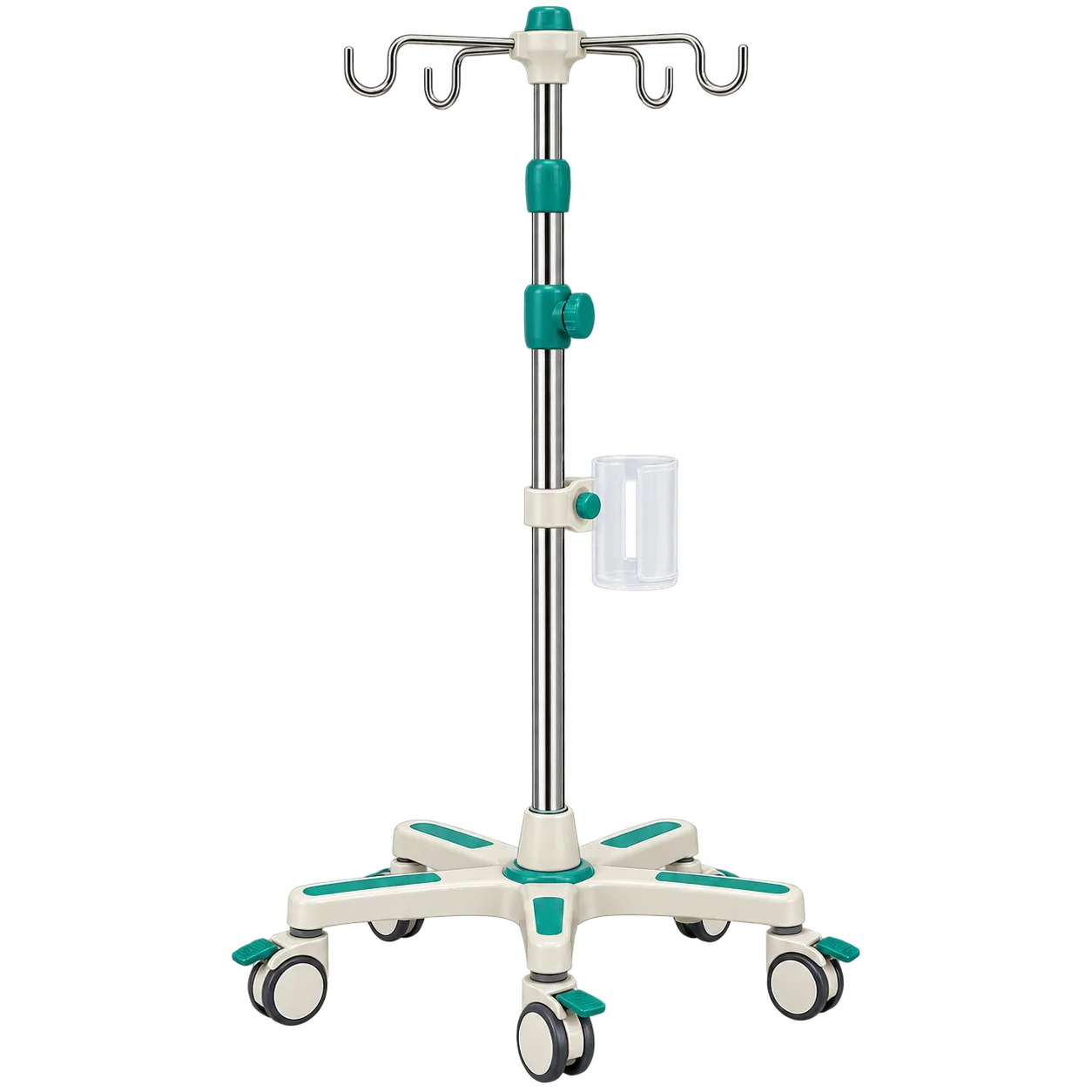
General medical, surgical and acute wards are where a five-function bed fits. Back and knee adjustment support sitting up and preventing a patient sliding down the bed; height adjustment brings the bed down for getting out and up for care; and head-down and head-up tilt, as the photographs suggest, add positioning for circulation, breathing support and some procedures. The 470 mm low setting and 845 mm top give a reasonable range for both patients and staff, subject to the mattress fitted.
Trusts replacing a fleet over several years, and private hospitals planning long equipment lives, are the buyers for whom this page's main question matters most. A bed bought for a long service life is only as good as the parts support behind it, and an overseas manufacturer with private-label distribution needs that support set out in writing: which parts, for how long, at what price and with what lead time.
Sustainability leads and procurement teams will increasingly ask the same questions from another direction. NHS procurement already weights net zero and social value, carbon reduction plans are required, and from April 2027 suppliers report emissions across their supply chains, with product-level footprinting planned from 2028. Manufacturer emissions data, a materials declaration and an agreed take-back route under WEEE all help a supplier answer them.
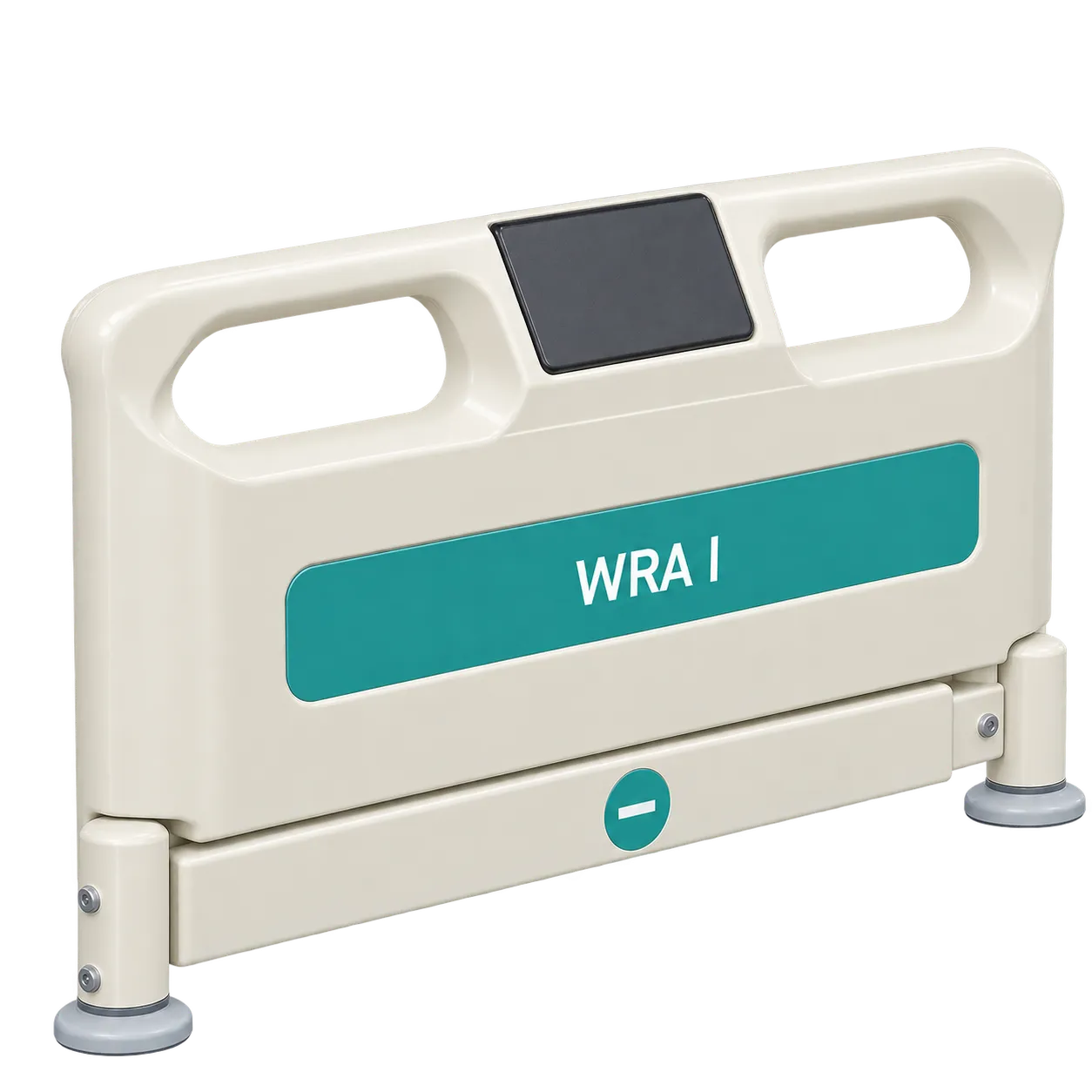
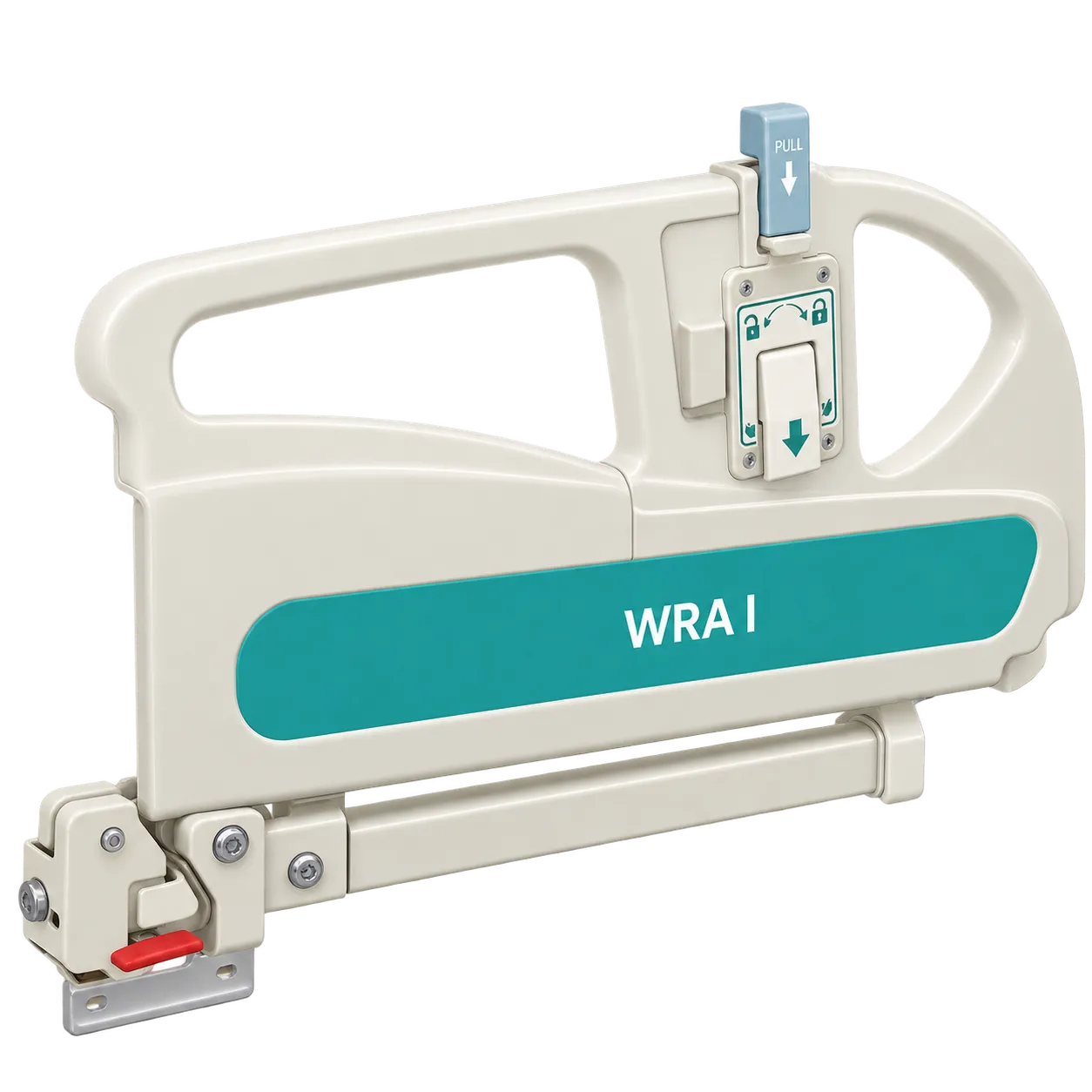
The bed is not a specification for children, who fall under a separate standard, and its rails bring the MHRA's 2023 National Patient Safety Alert on entrapment and falls into every allocation. Where the tilt is used, rail gaps need assessing at the angles achieved. Procurement routes will also ask for the legal manufacturer, the standard edition and the safe working load. The conformity documentation those procurement routes require is issued by the manufacturer and provided by the seller.