



Intensive care and high dependency units are the setting the named positions point to. Respiratory therapy positioning, a cardiac chair that brings a patient upright without a transfer, lateral tilt for pressure relief and personal care, Trendelenburg for circulatory support and an electric CPR position together describe a bed that spends its life under continuous monitoring. In those units the bed is also the place staff turnover shows most clearly, because agency and bank nurses cover shifts at short notice and have to operate unfamiliar equipment safely from the first hour.
Acute medical and coronary care wards use the same positions less intensively. Cardiac chair positioning supports patients with breathing difficulty and those recovering from cardiac events, and the examination position gives a consistent working height for assessment and procedures at the bedside. A ward standardising on one model across bays reduces the number of control layouts staff have to learn, which is where the named positions earn their keep.
Step-down and post-operative recovery areas benefit from the chair and upright positions as patients regain mobility, and from a low platform height at the point of getting out of bed, subject to confirming what the 500 mm figure actually measures.
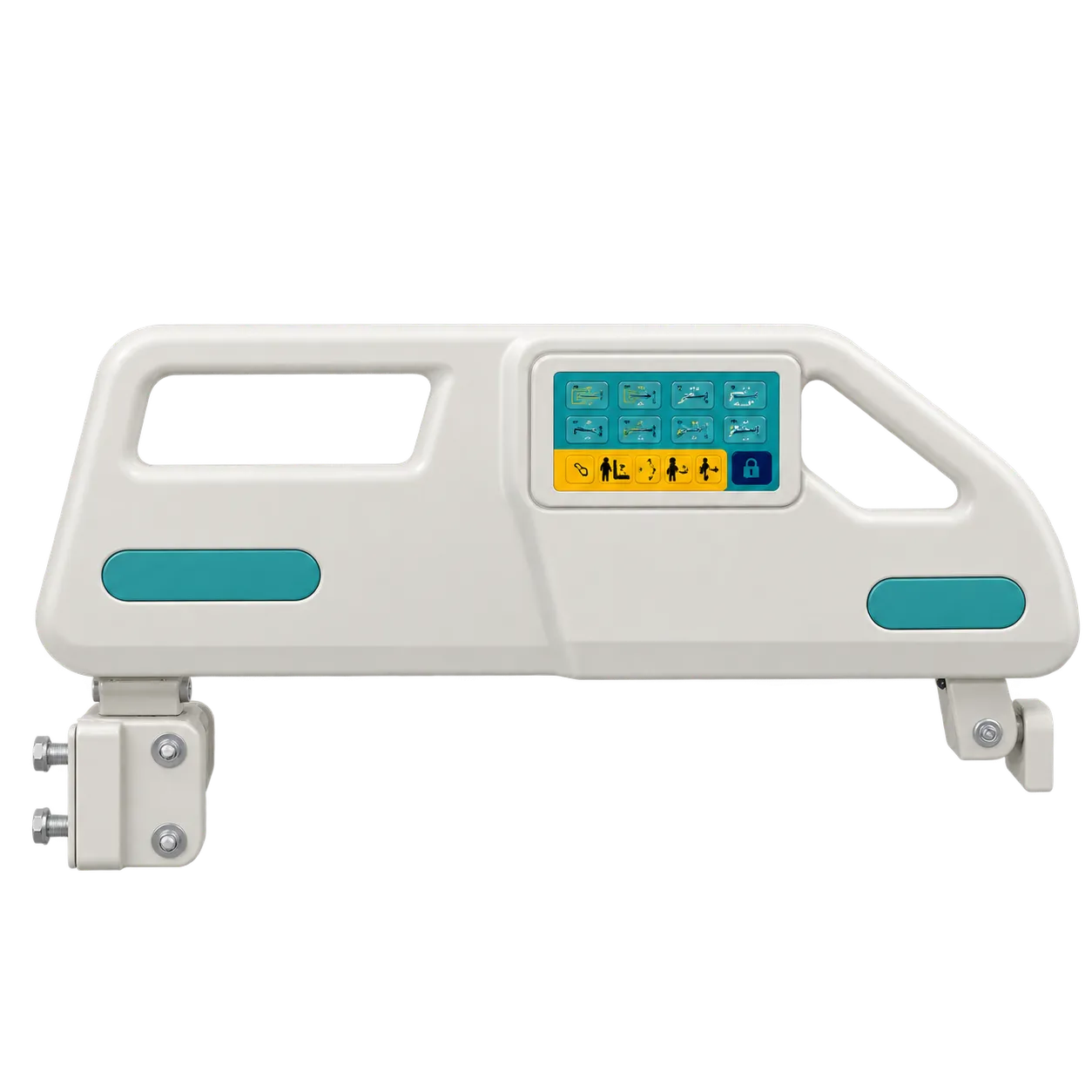
The bed is a heavy specification for long-term care, care home bedrooms or community packages, where most of its positions go unused and its service burden remains. It should not be assumed suitable for children or adults of small stature. Rails and lateral tilt bring the MHRA's 2023 National Patient Safety Alert on entrapment and falls into every allocation.
NHS framework routes and private hospital procurement will ask for the application environment, the safe working load and the entrapment gap data. The conformity documentation those procurement routes require is issued by the manufacturer and provided by the seller.