




Supported living, respite and lower-dependency residential care are where a two-function bed with a fixed height fits best. Residents who can sit up, stand and transfer with little help benefit from electric back and knee sections, which let them sit up for meals, reading and visitors without anyone winding a crank. The consistent height also helps someone practising getting in and out of bed independently, and therapists may prefer it when teaching transfers.
The manual handling picture decides where it should not go. Every hands-on task happens at 500 mm plus the mattress, so washing, dressings, bed-making and repositioning involve more bending for taller carers. The Manual Handling Operations Regulations 1992 require that risk to be assessed and reduced, and where residents need frequent hands-on care or hoist transfers, a bed that rises to a comfortable working height is usually the safer choice for staff. Providers with mixed needs often keep some height-adjustable beds alongside beds like this one.
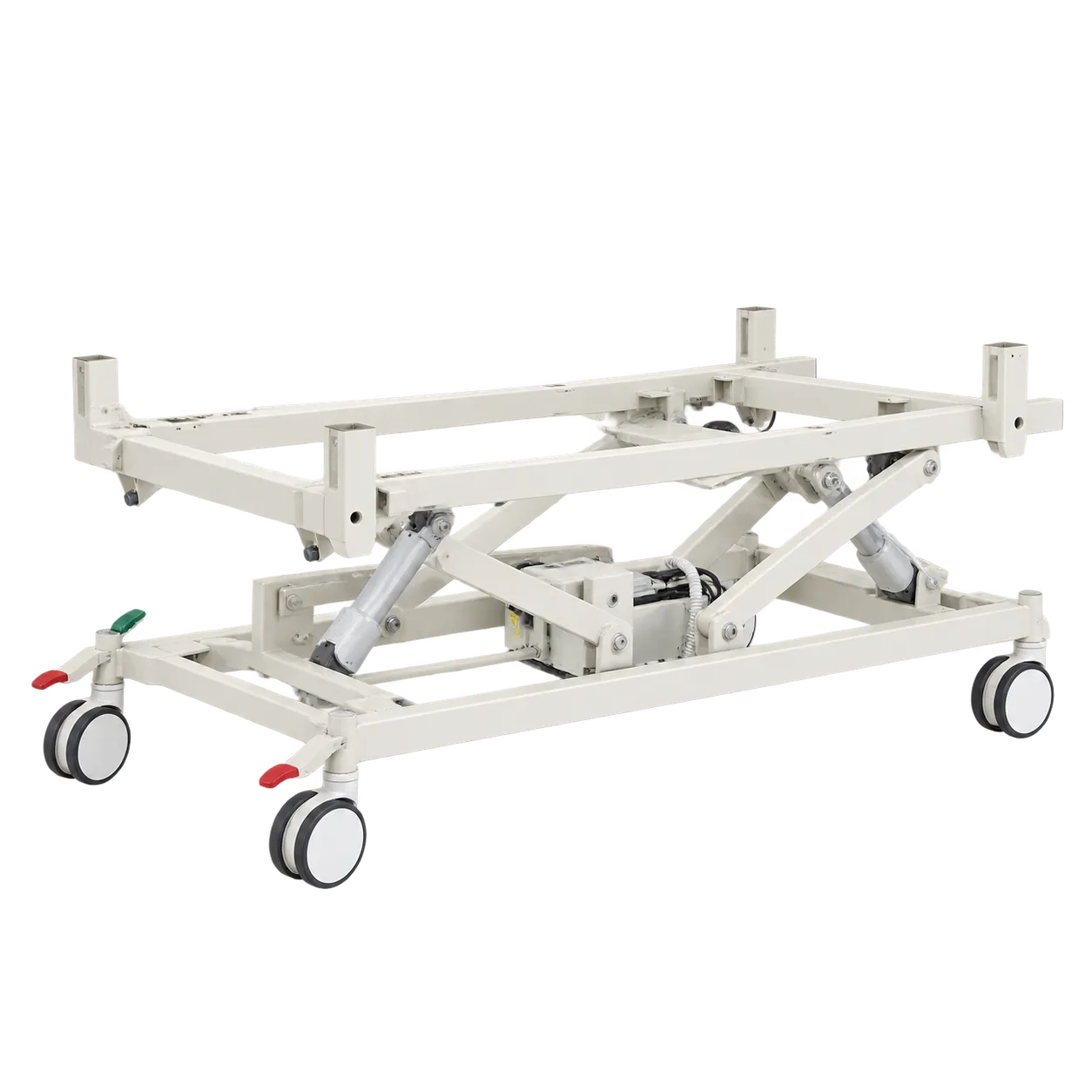
Hoist use needs particular thought. A mobile hoist needs space beneath the bed for its legs, and the clearance under this frame is not published, so measure it before planning hoist transfers. Equally, the true sitting height with the chosen mattress should be checked against the residents who will use the bed, since it may be high for shorter people.
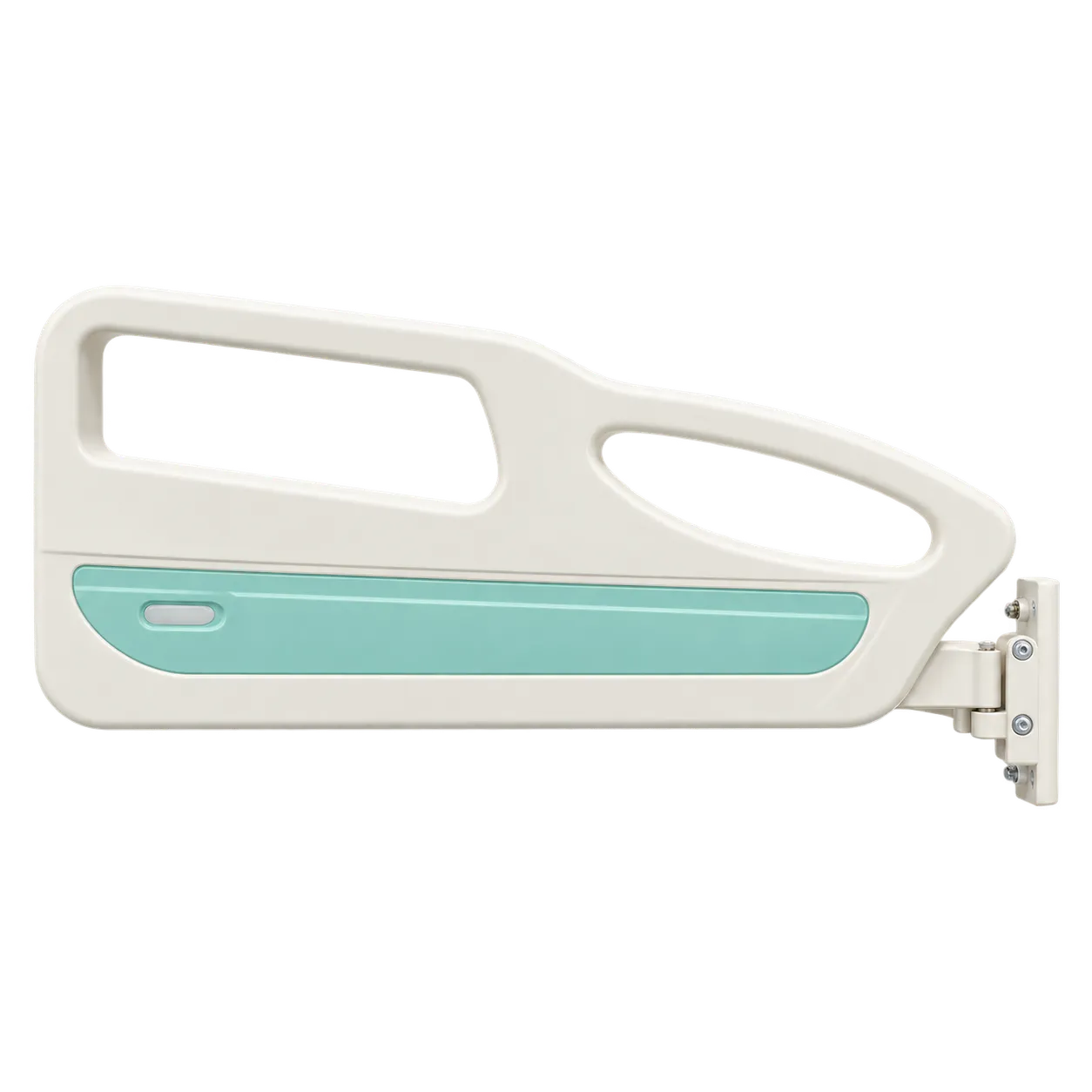
The bed is not a specification for children, who fall under a separate standard. Its split rails bring the MHRA's 2023 National Patient Safety Alert on entrapment and falls into every allocation, with the mattress in use. Procurement will ask for the legal manufacturer, the standard edition, the safe working load and rail dimensions. The conformity documentation those procurement routes require is issued by the manufacturer and provided by the seller.