
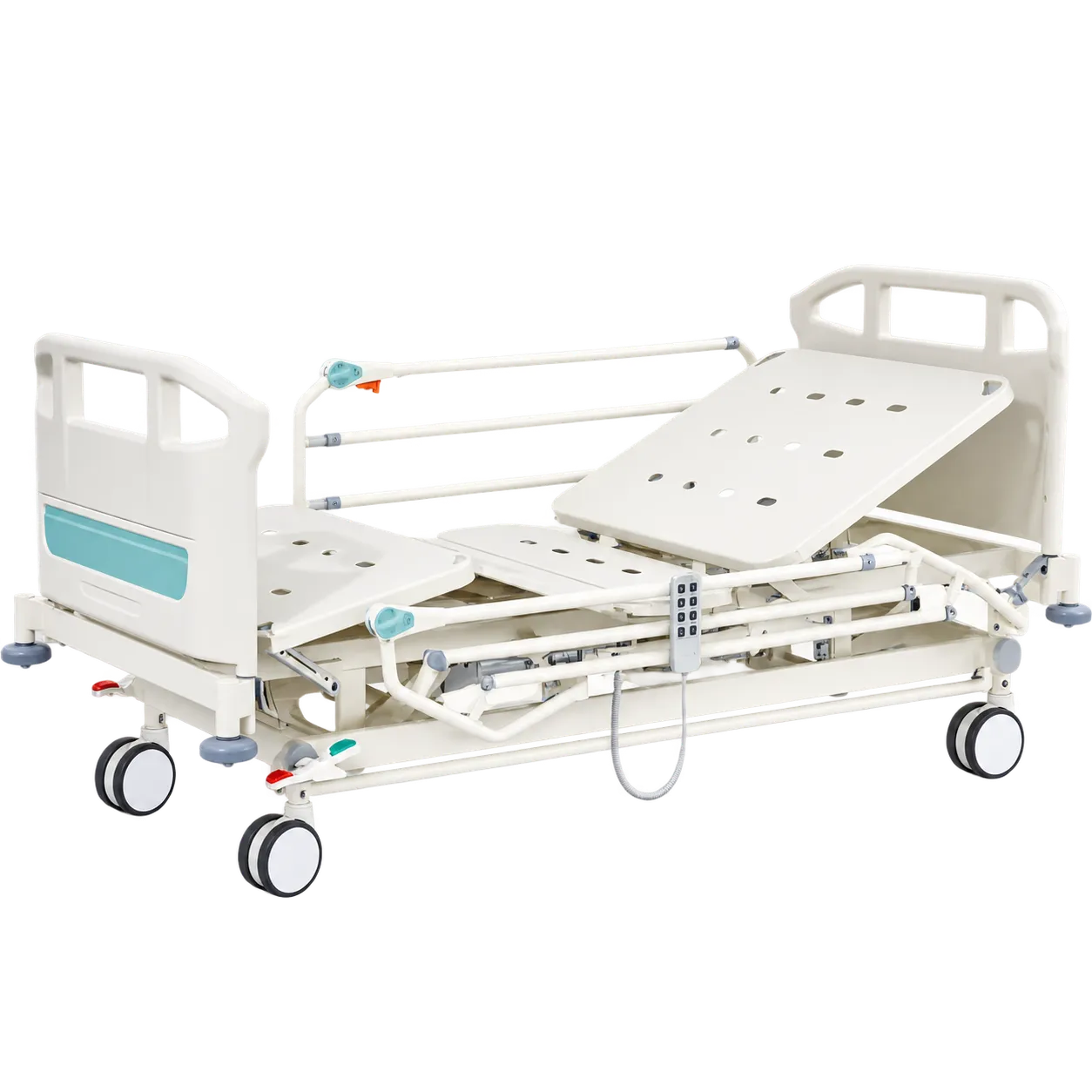
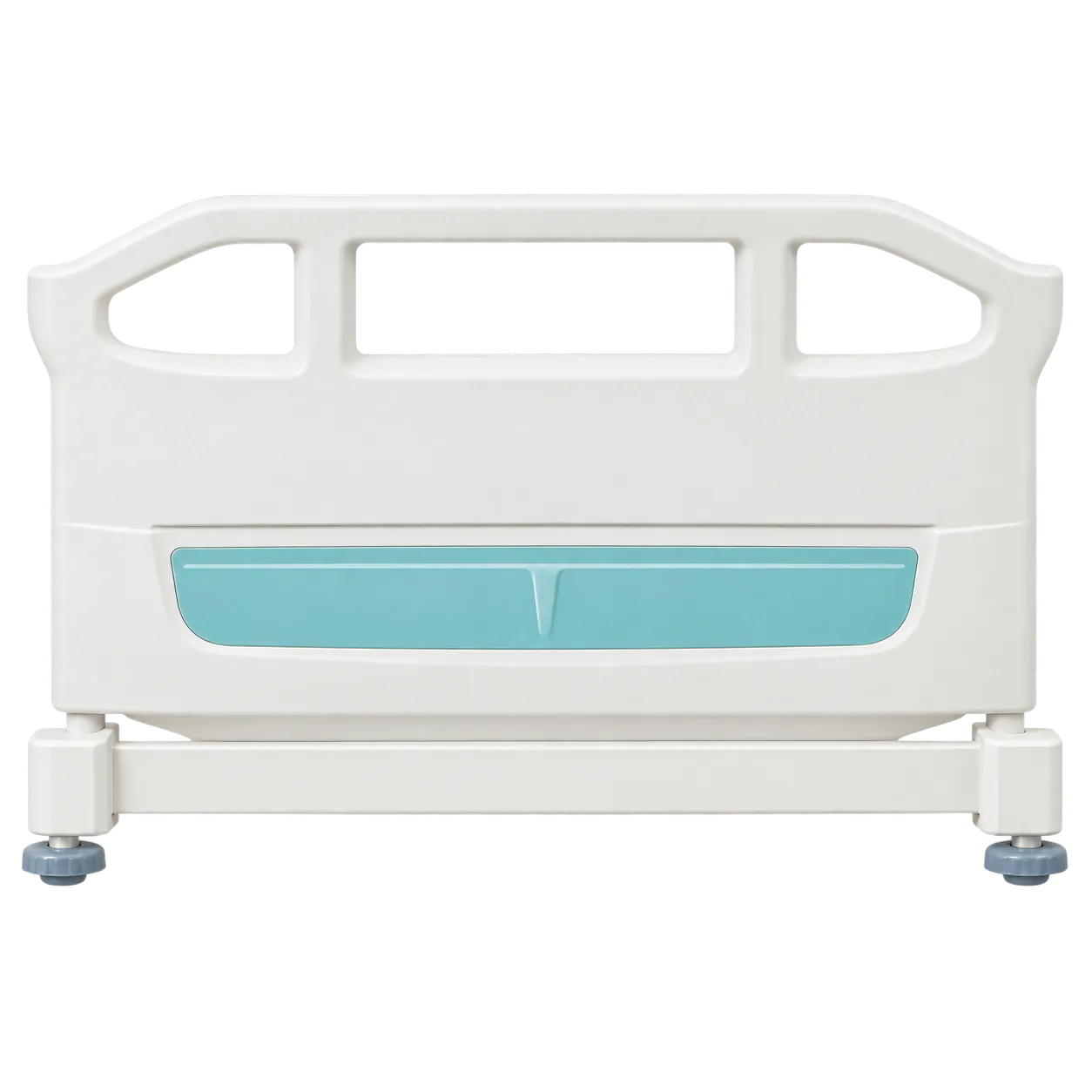
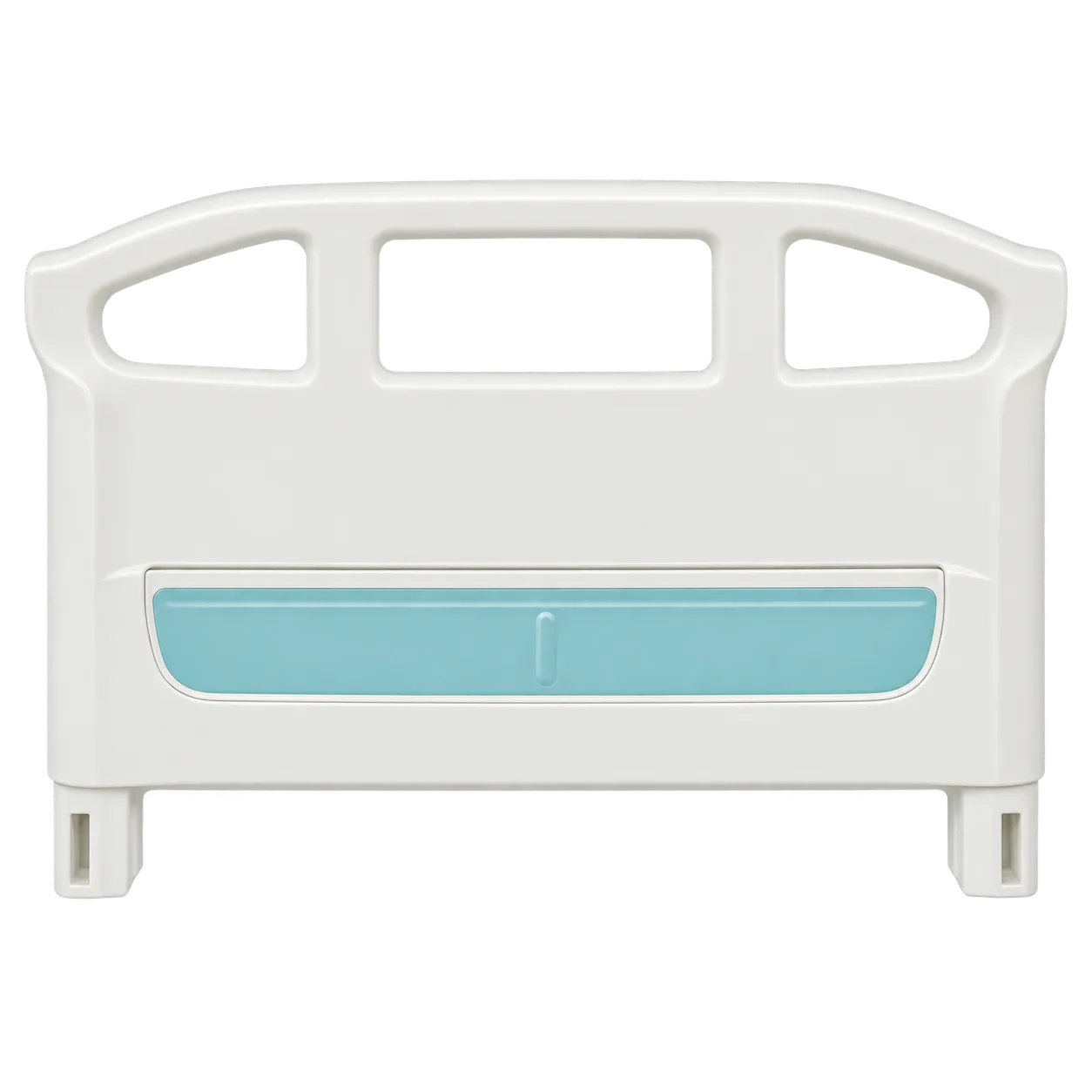
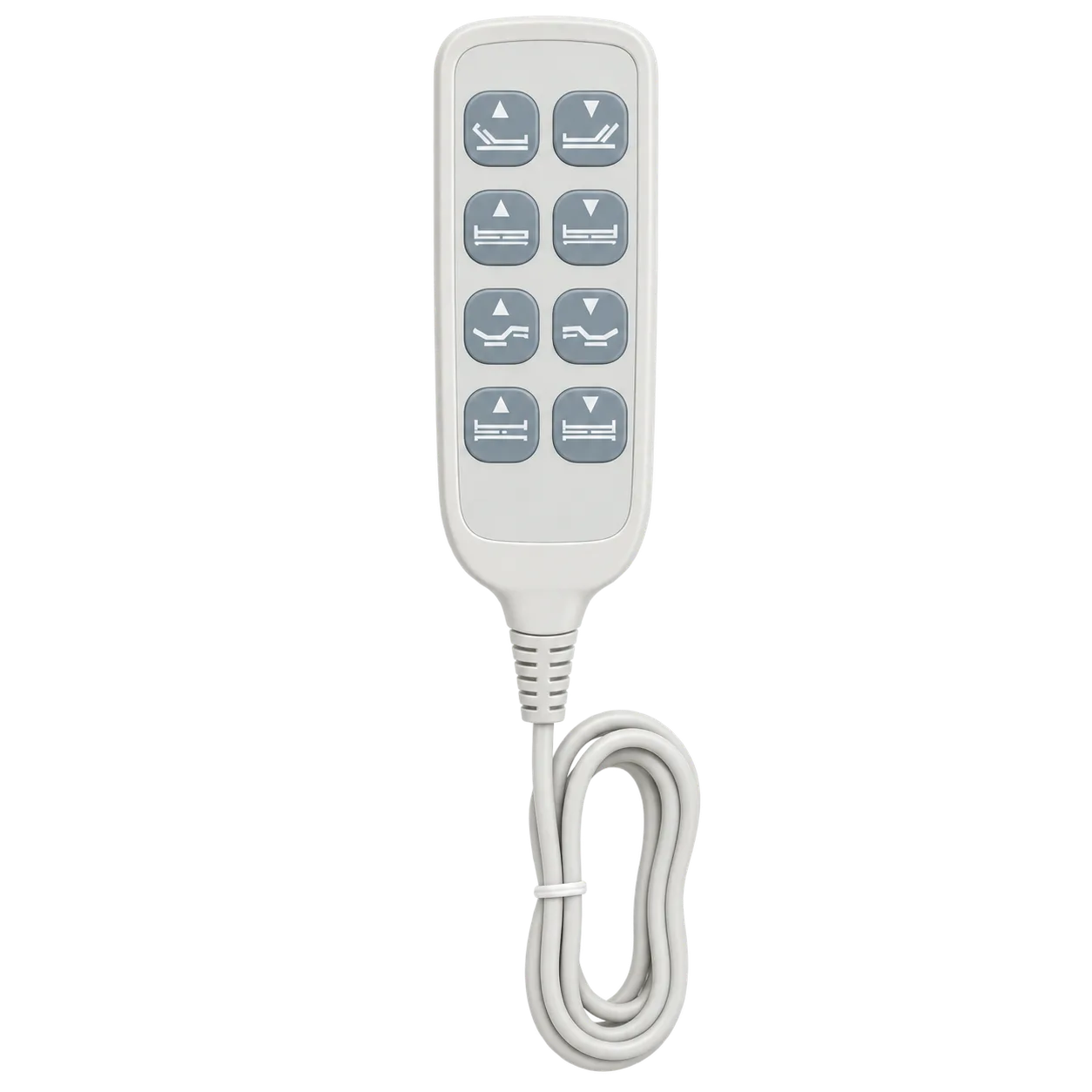
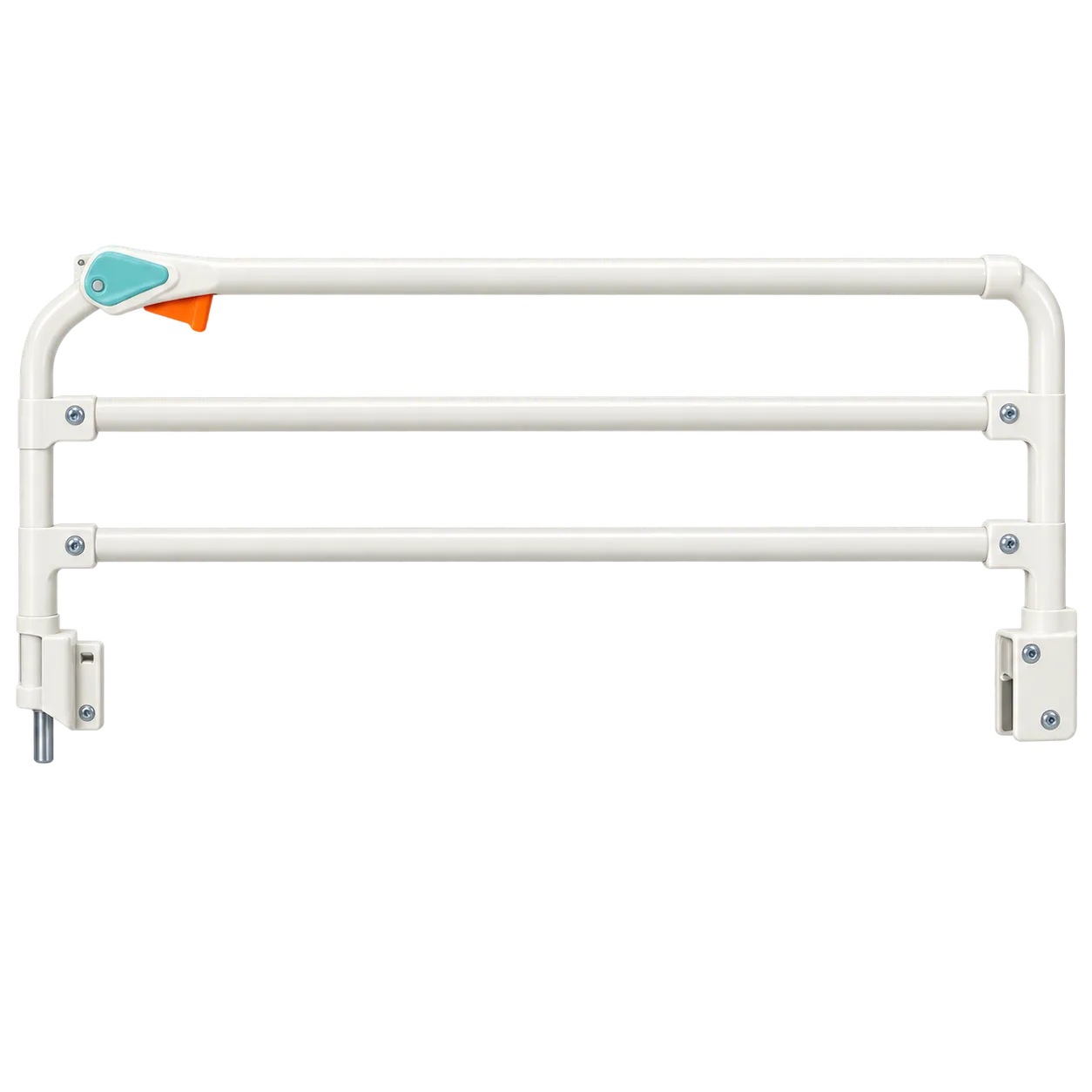
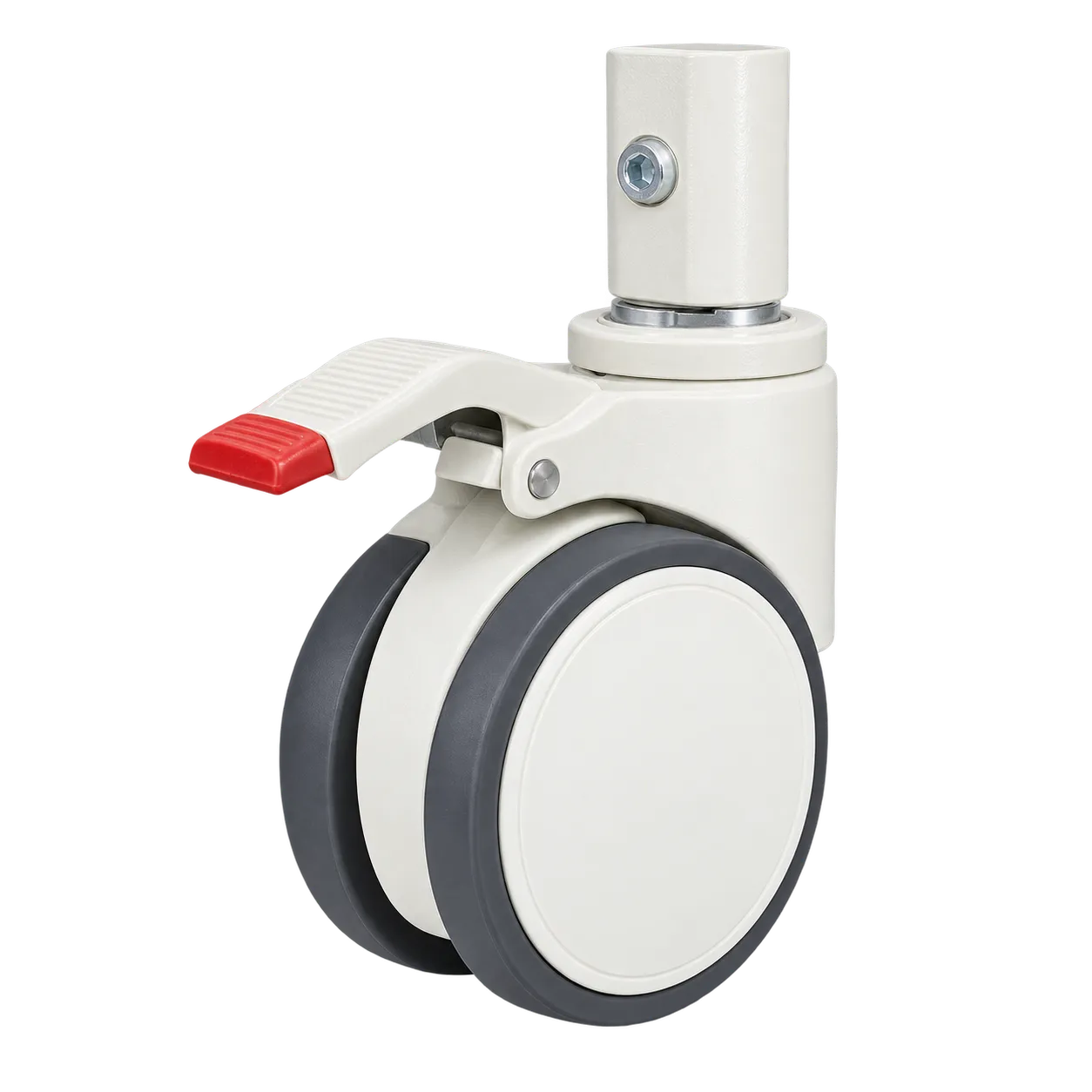
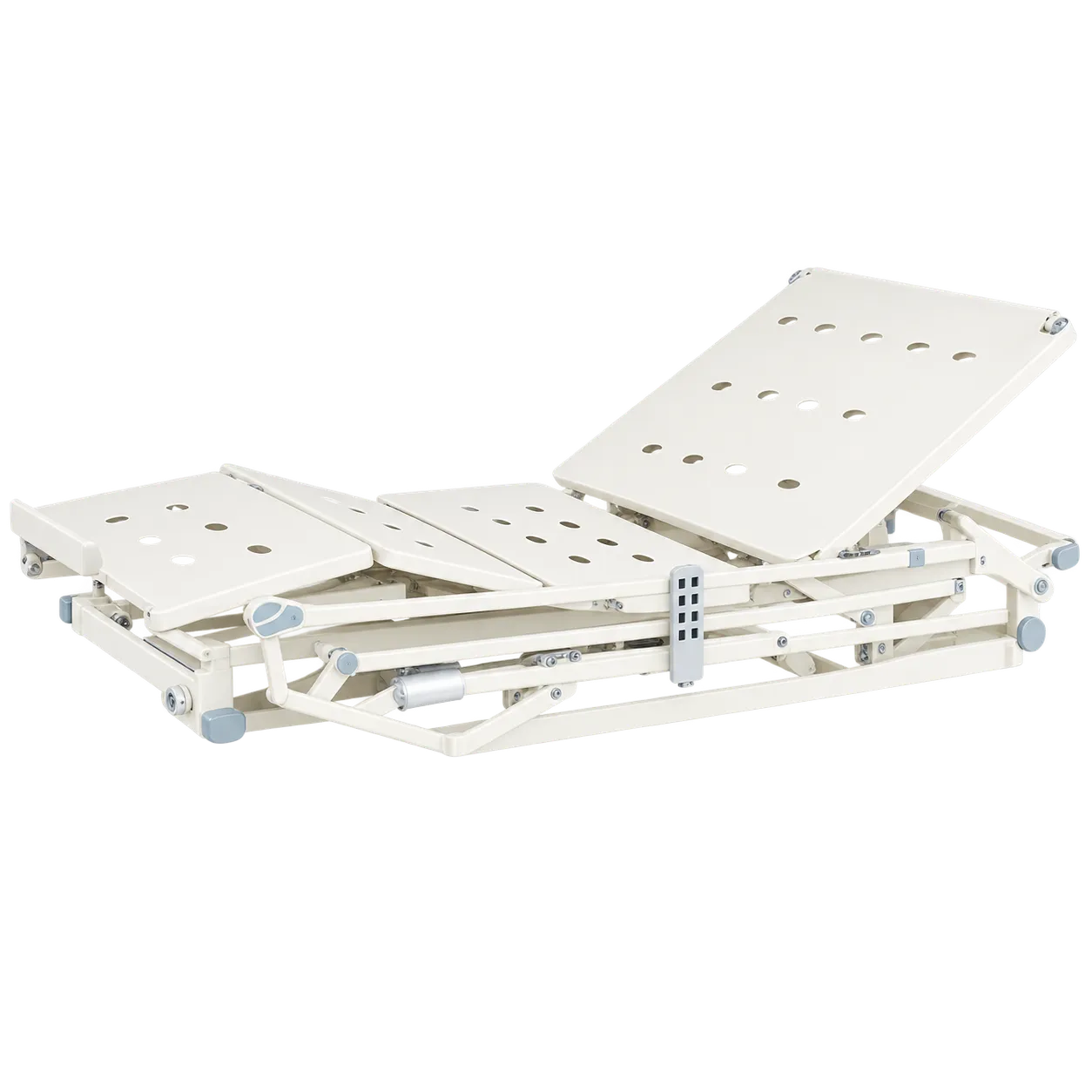
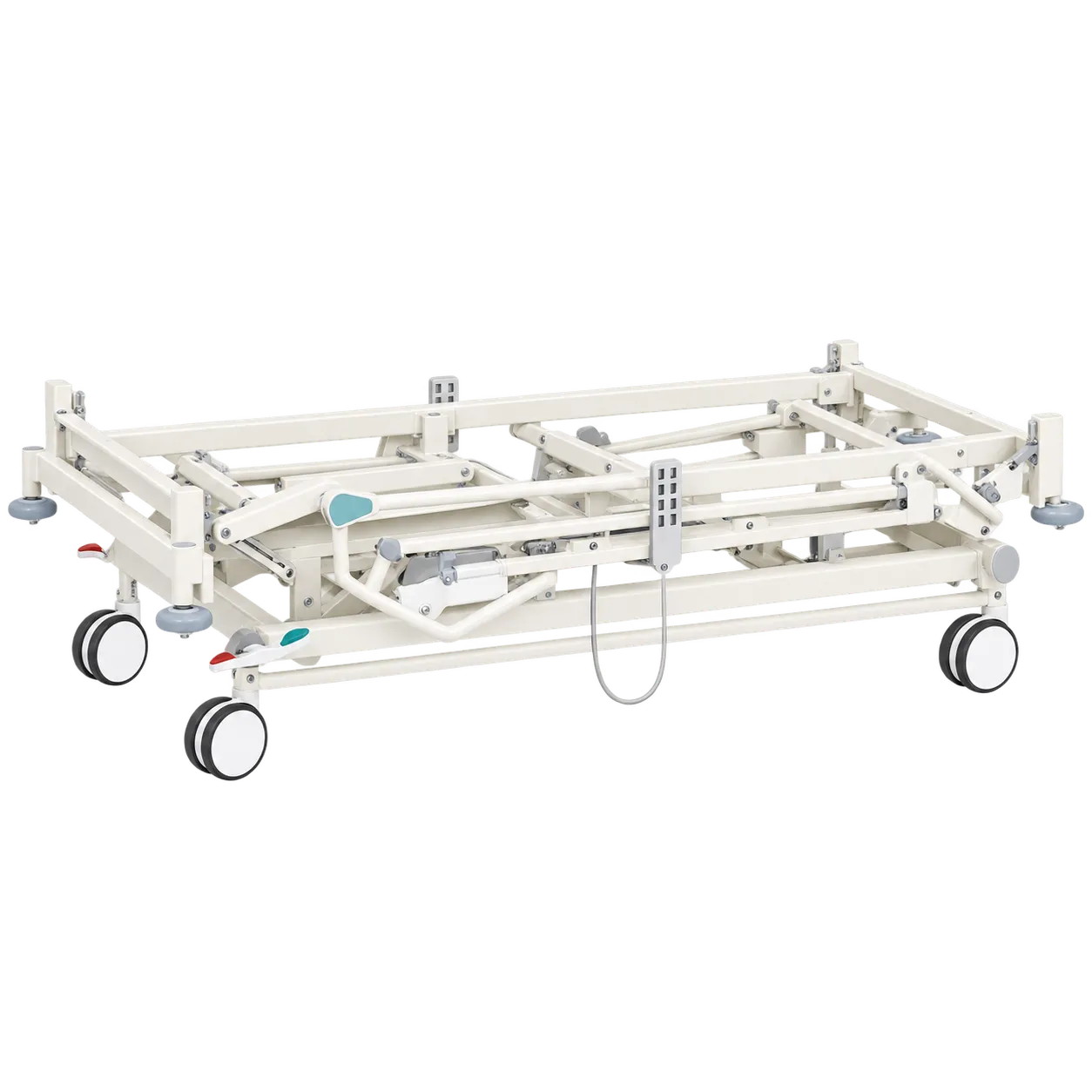
Residential and nursing care homes, community hospitals and general wards are where a three-function bed with bar rails is most likely to be used. Back and knee adjustment with linked movement cover sitting up for meals, visitors and breathing, calf adjustment lets the lower legs be set for comfort, and height adjustment serves getting out of bed and working height for care. The published platform size lets providers order mattresses that fit snugly, which matters for rail gaps.
Rail safety shapes every allocation. People who are confused, restless, frail or small are those most at risk of entrapment, and the openings between bars are an additional area to assess alongside the rail ends and the gap beneath the lowest bar. The MHRA's guidance recommends limits for each, and its 2023 National Patient Safety Alert asks providers to assess rails for each individual with the mattress in use. For some people, a low bed with a crash mat may be a better answer than rails, and the risk assessment should consider that.
Staff training matters as much as the bed. Carers need to know how the rails latch and lower, how to check that a rail is locked, and when not to use rails at all. The emergency stop and the manual CPR release belong in the same familiarisation, since no battery is listed and the electric CPR route depends on mains power.
The bed is not bariatric and not a specification for children, who fall under a separate standard with smaller gap limits. Procurement will ask for the legal manufacturer, the standard edition, the confirmed height range and the rail test data. The conformity documentation those procurement routes require is issued by the manufacturer and provided by the seller.