

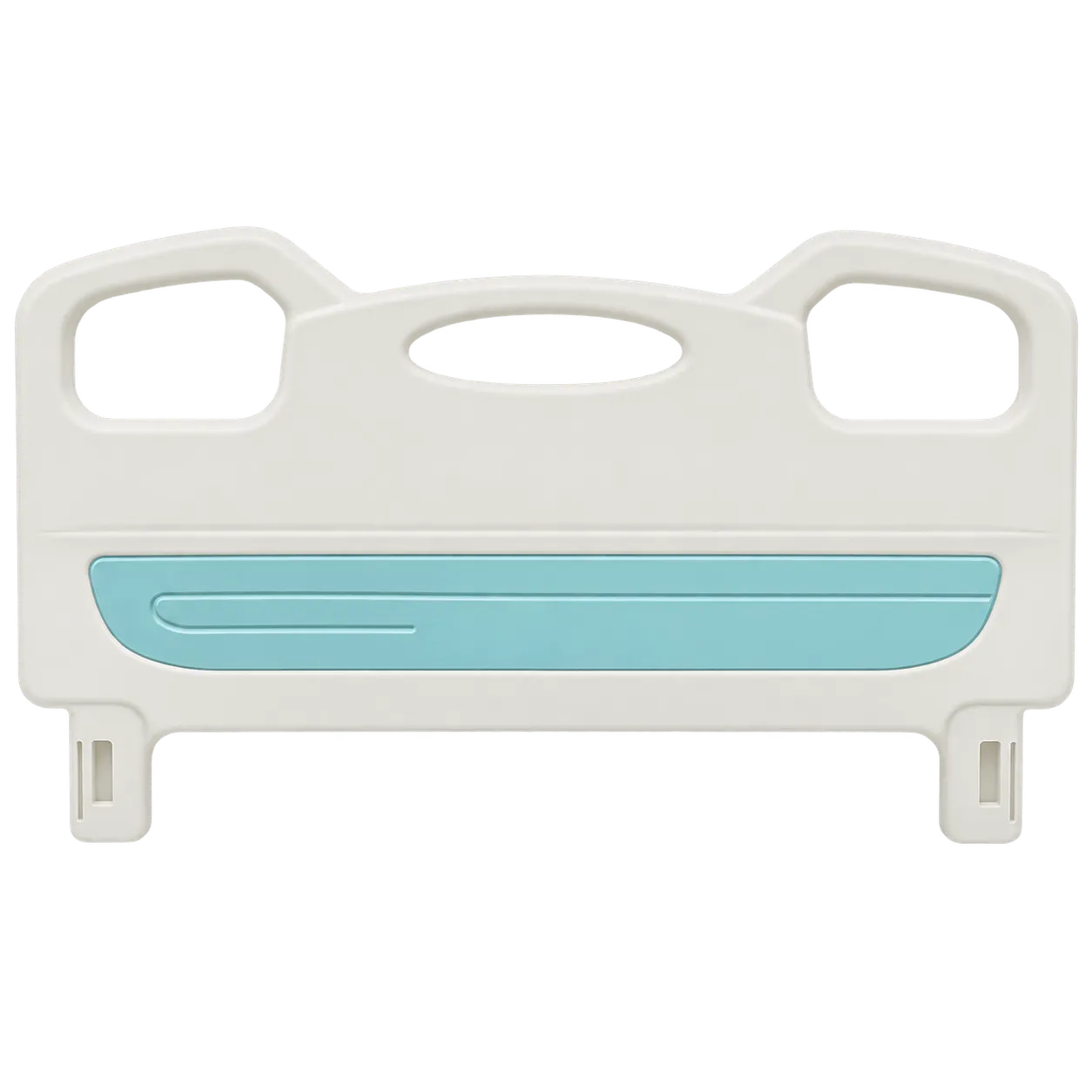
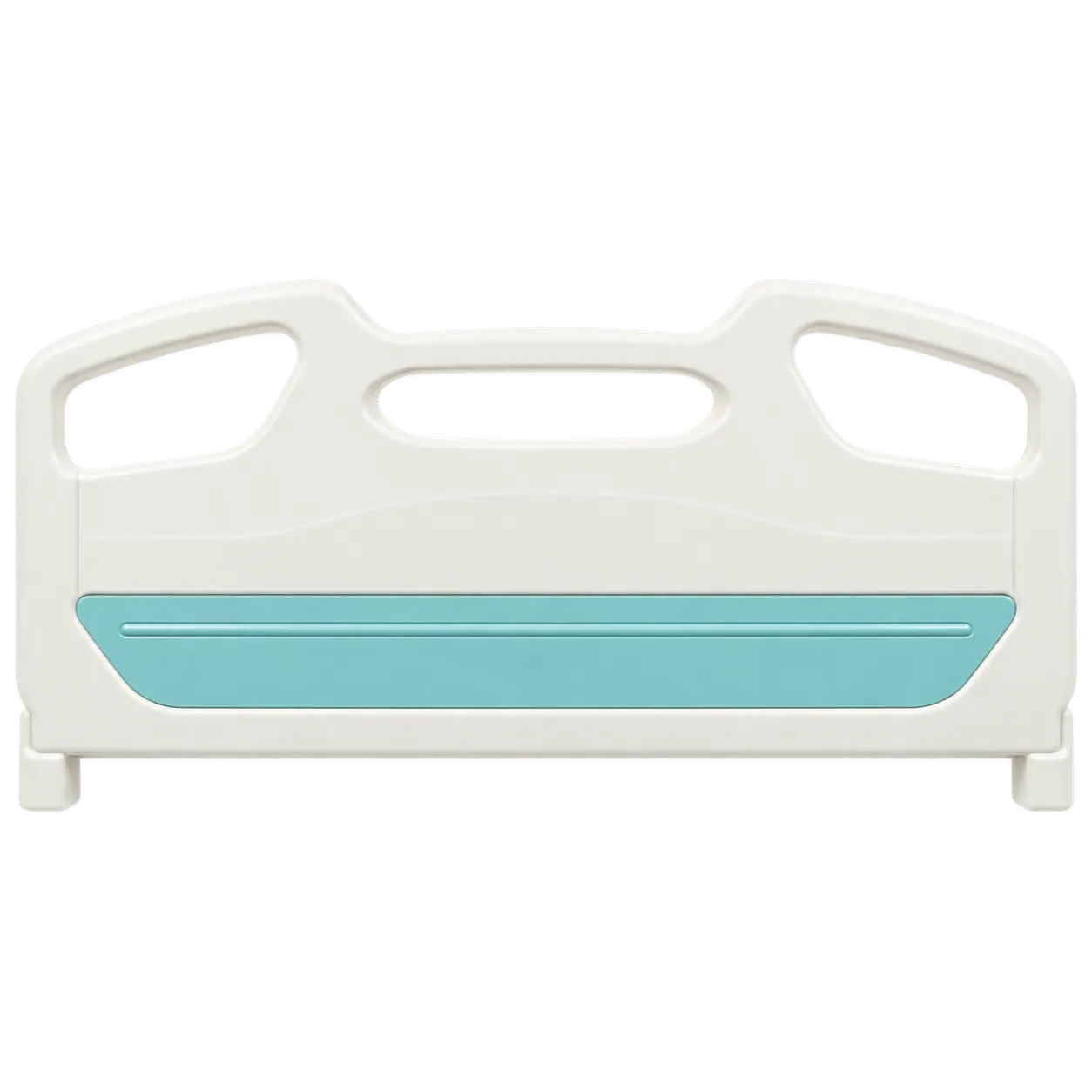
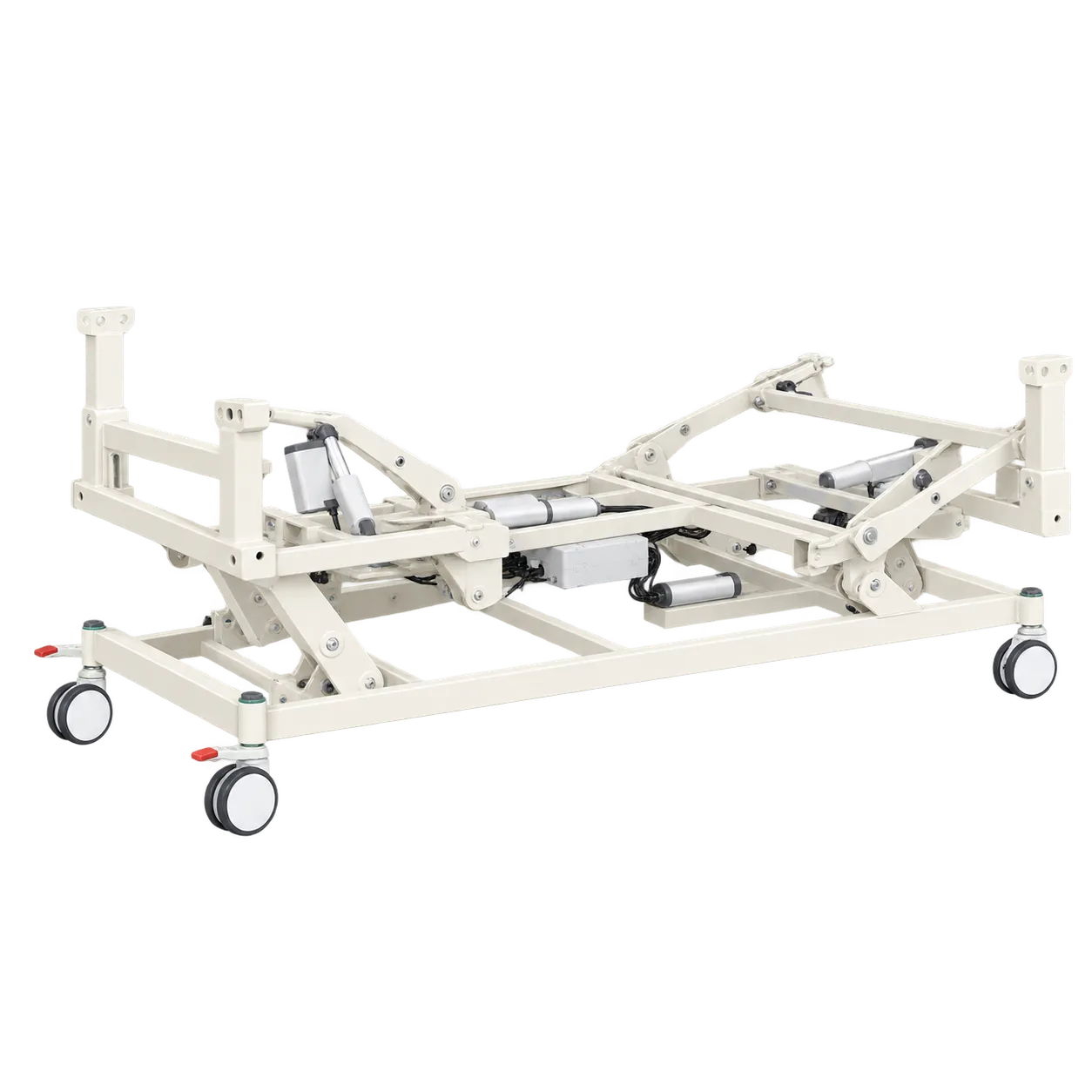
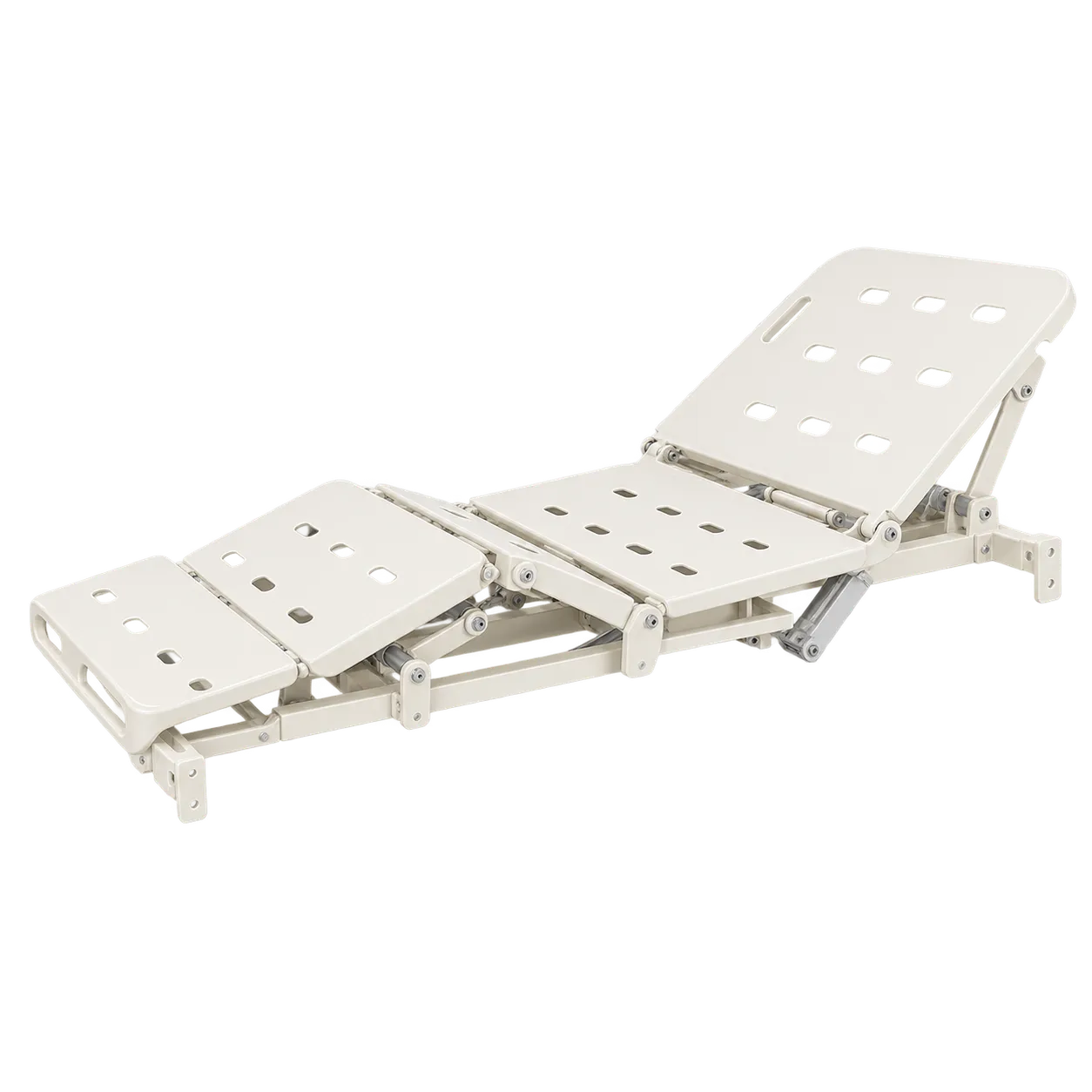
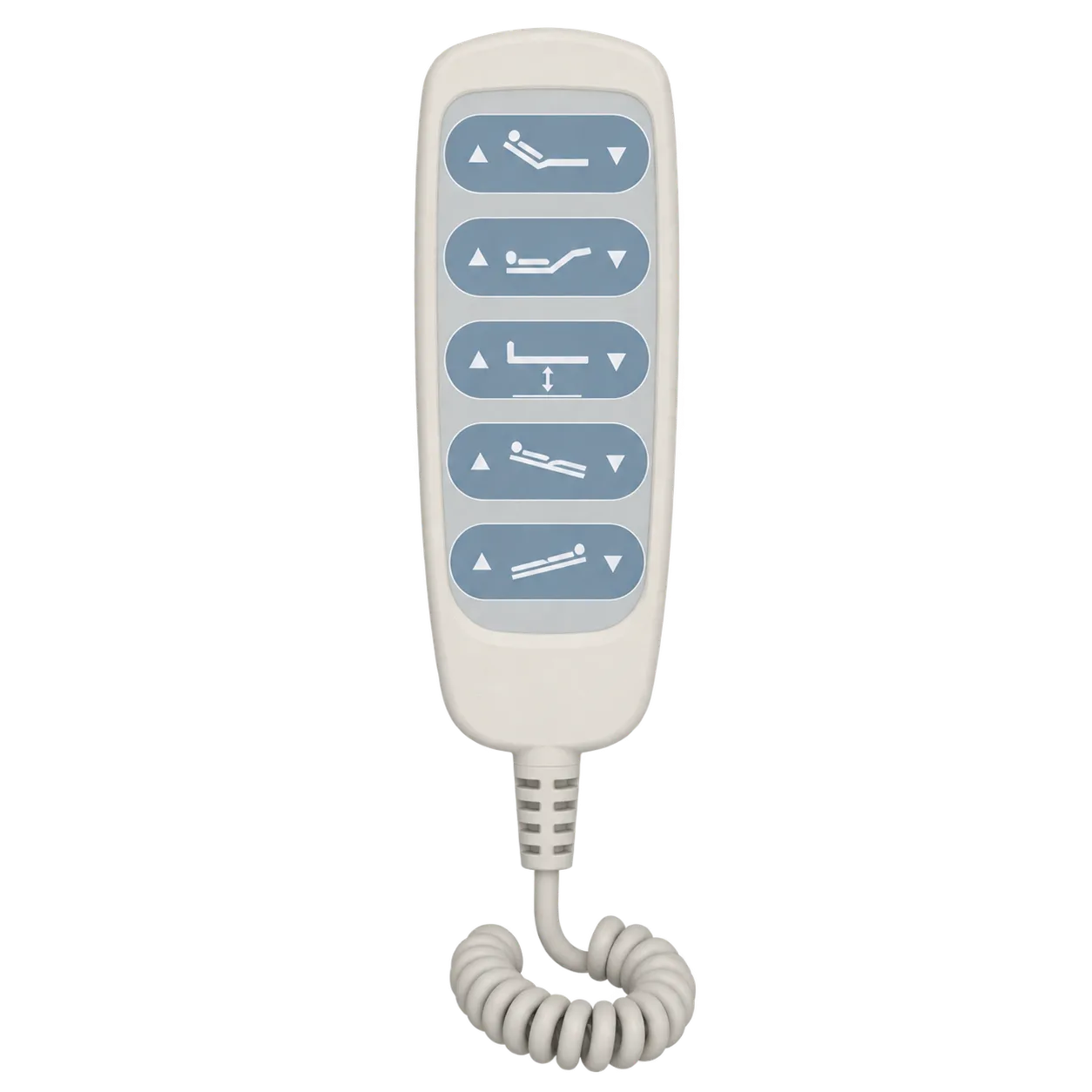

High dependency units, acute medical and surgical wards are where whole-bed tilt earns its place. Head-down tilt supports bedside procedures such as central venous line insertion in the neck, and head-up tilt raises the upper body without bending the hips, which suits patients after certain surgery, those with reflux, and those who breathe more easily with the chest raised. The cardiac chair position brings a patient into a supported seated posture on the bed for meals and breathing.
The evidence on head-down tilt needs stating clearly. It was long used for low blood pressure and shock, but current evidence does not support that routine use, passive leg raising is often preferred, and the position can make breathing harder. The emergency Trendelenburg position is best treated as a tool that clinicians choose to use, governed by local protocol, not a default response.
Everyday comfort is covered by backrest to 70°, knee rest to 40°, linked back and knee movement and calf adjustment, with automatic compound fallback listed to reduce pressure on the abdomen as the back rises. The angle indicator lets staff set and record positions, and a range of 440–820 mm covers getting out of bed and working height. Recording the tilt angle in the notes keeps positioning consistent across shifts.
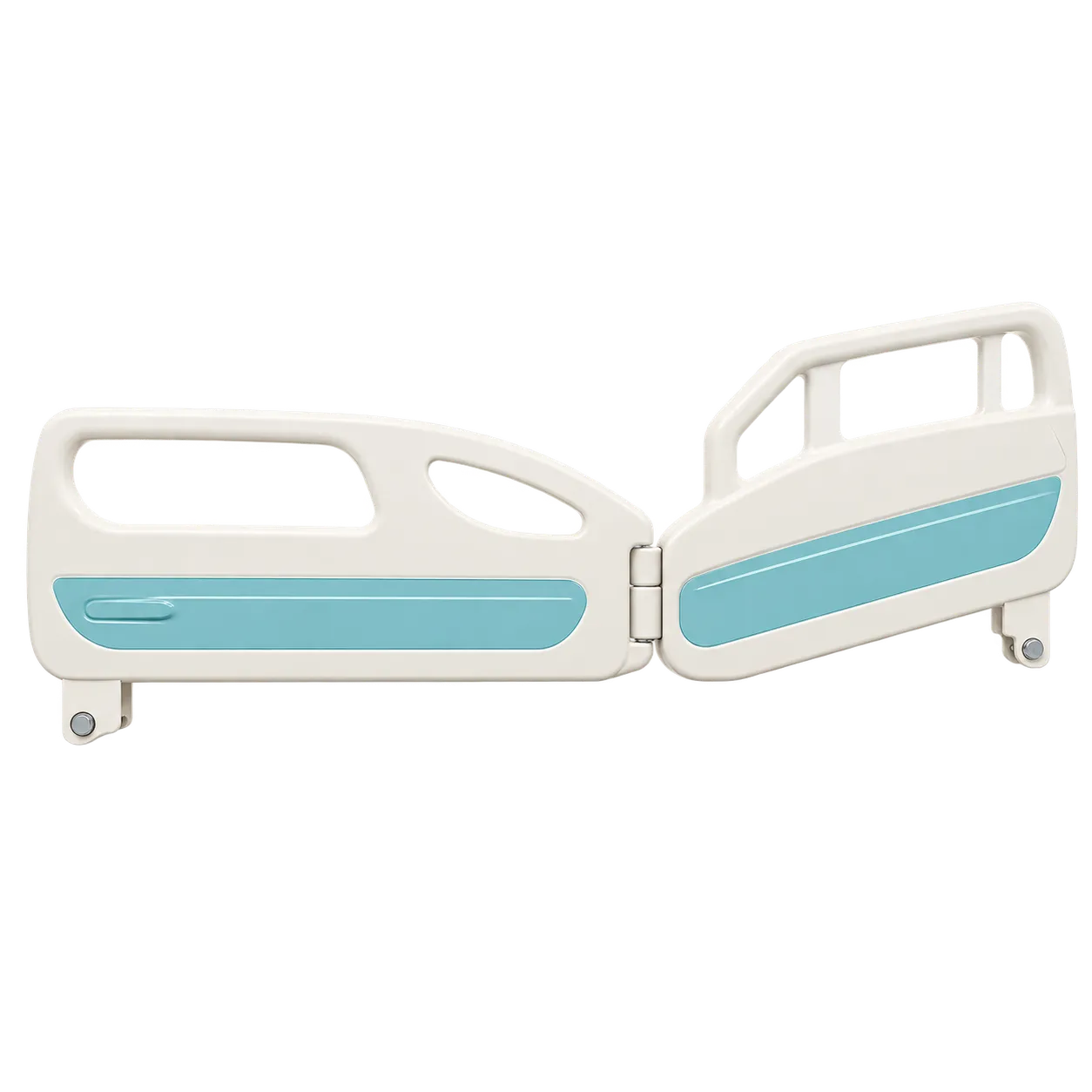
Every tilt changes the patient's position against the rails, so rail gaps should be measured at full tilt in both directions with the mattress fitted, as the MHRA's 2023 National Patient Safety Alert asks. The bed is not bariatric and not a specification for children, who fall under a separate standard. Procurement will ask for the legal manufacturer, the standard edition, battery status and rail gap data. The conformity documentation those procurement routes require is issued by the manufacturer and provided by the seller.