
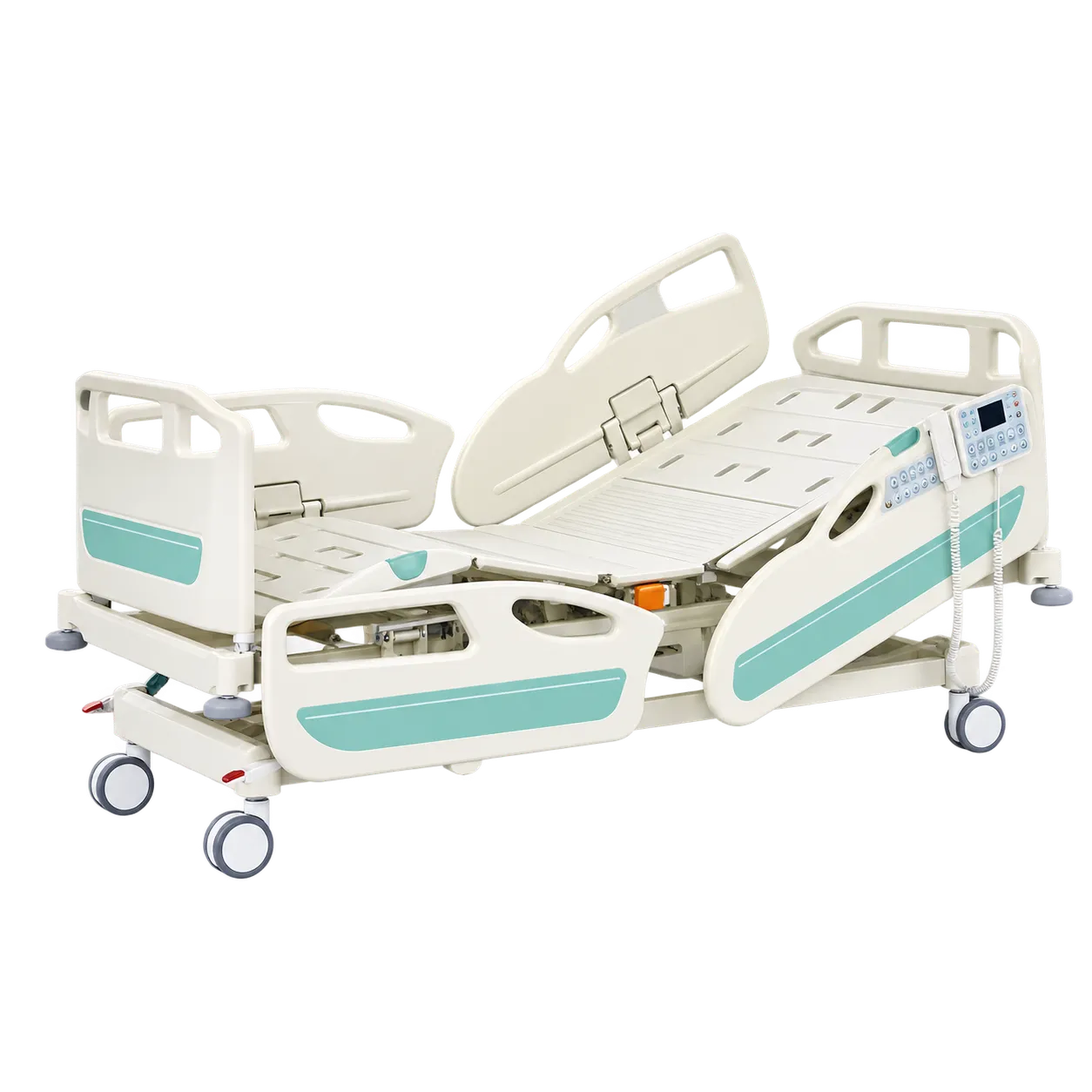
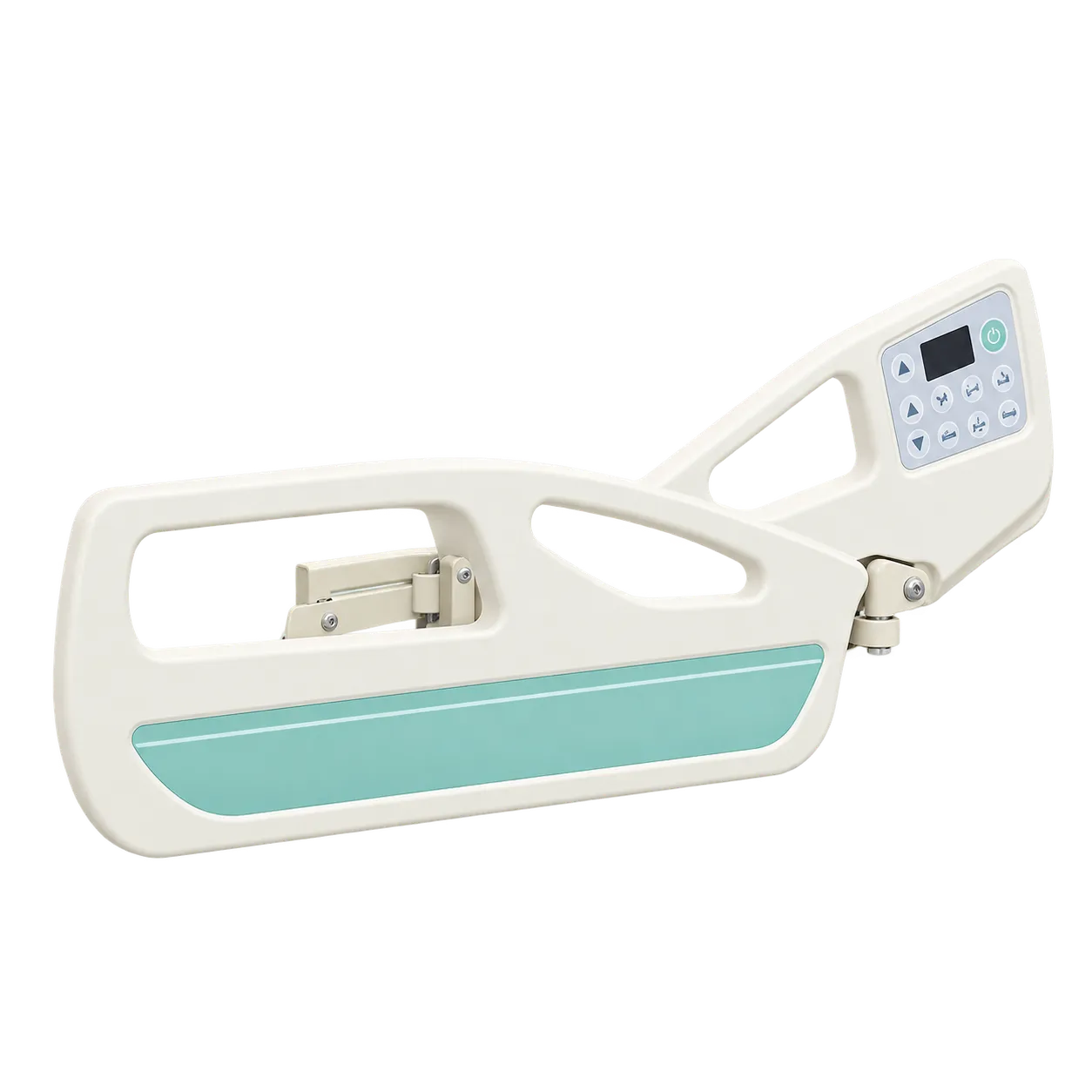
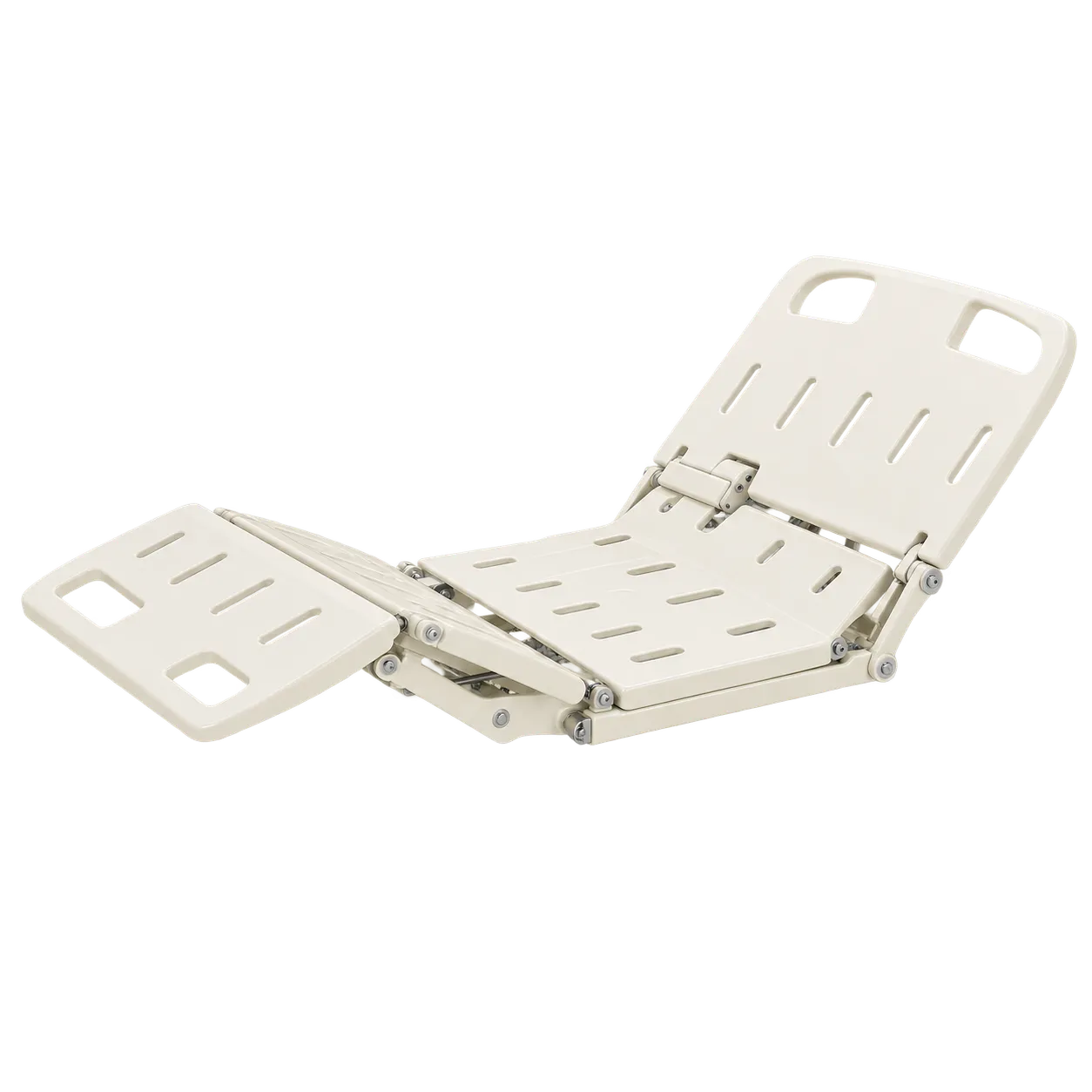

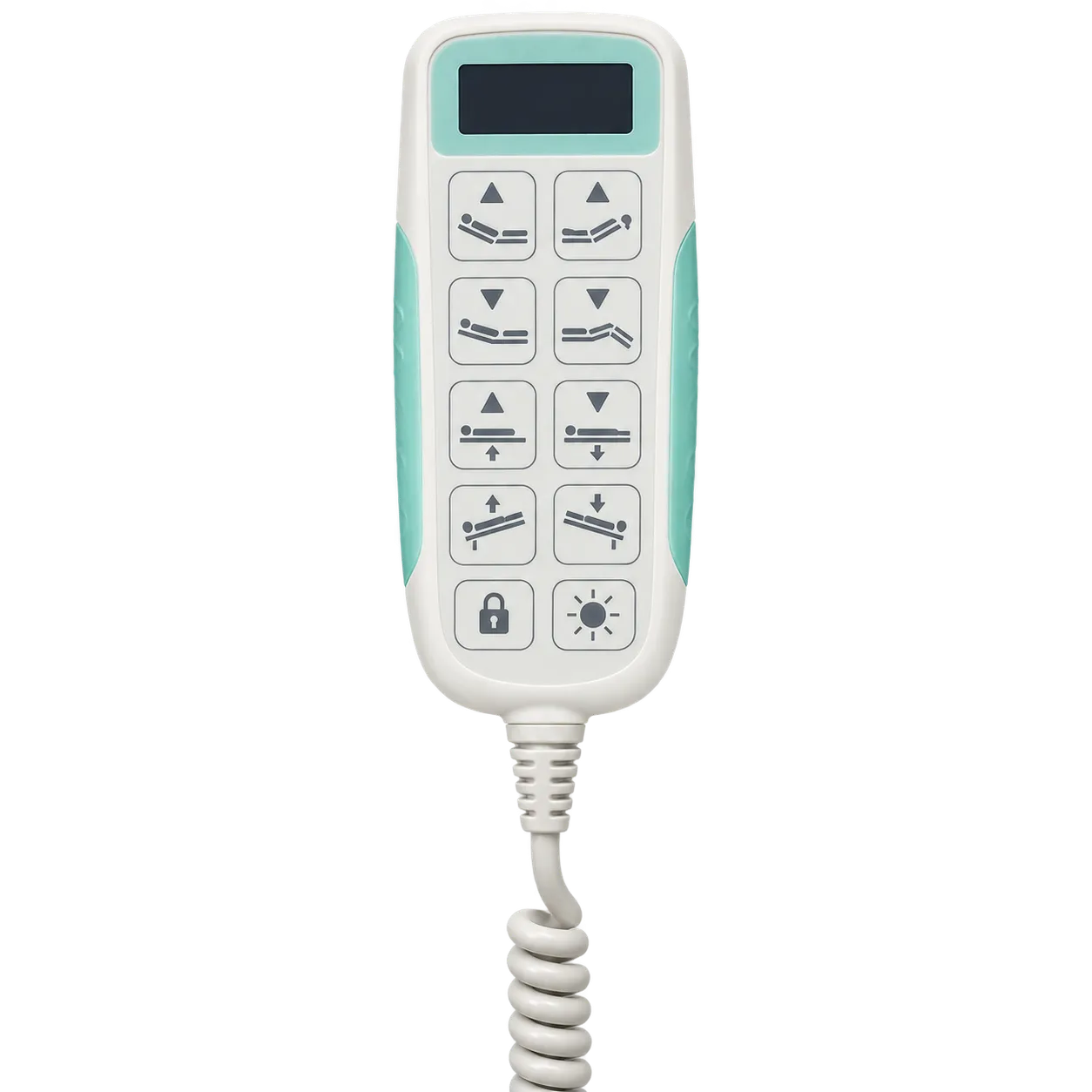

General medical wards and side rooms are where many people spend their last days, often with family present for much of the time. A bed in that setting needs to do its clinical work without getting in the way of the people sitting beside it. Back and knee adjustment let a person be positioned for comfort and for breathing, height adjustment brings them towards a relative in a chair, and a console at the foot end lets staff make changes from the end of the bed.
Palliative care teams working in acute hospitals will ask practical questions about this bed: how quietly it moves, whether the rails lower fully and quietly, whether the screen dims at night, and whether controls can be locked for a person who is restless or drowsy. The sheet answers none of them, so they belong in the quotation request.
Community hospitals and hospices with a mix of rehabilitation and end-of-life beds may find the same bed useful across both roles. For patients who are mobile, the 515 mm lowest height helps with getting out of bed; for those who are not, it brings them closer to the people around them.
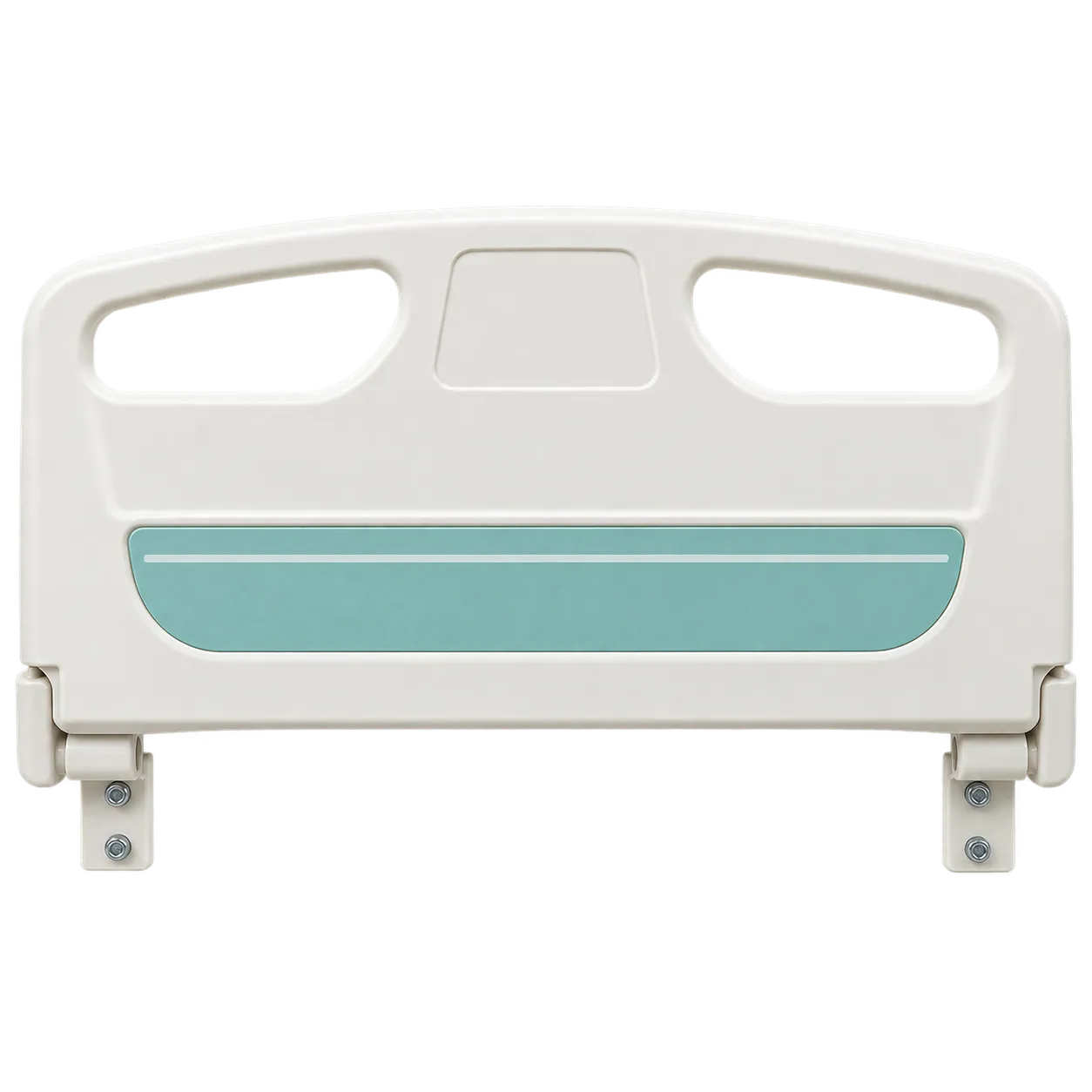
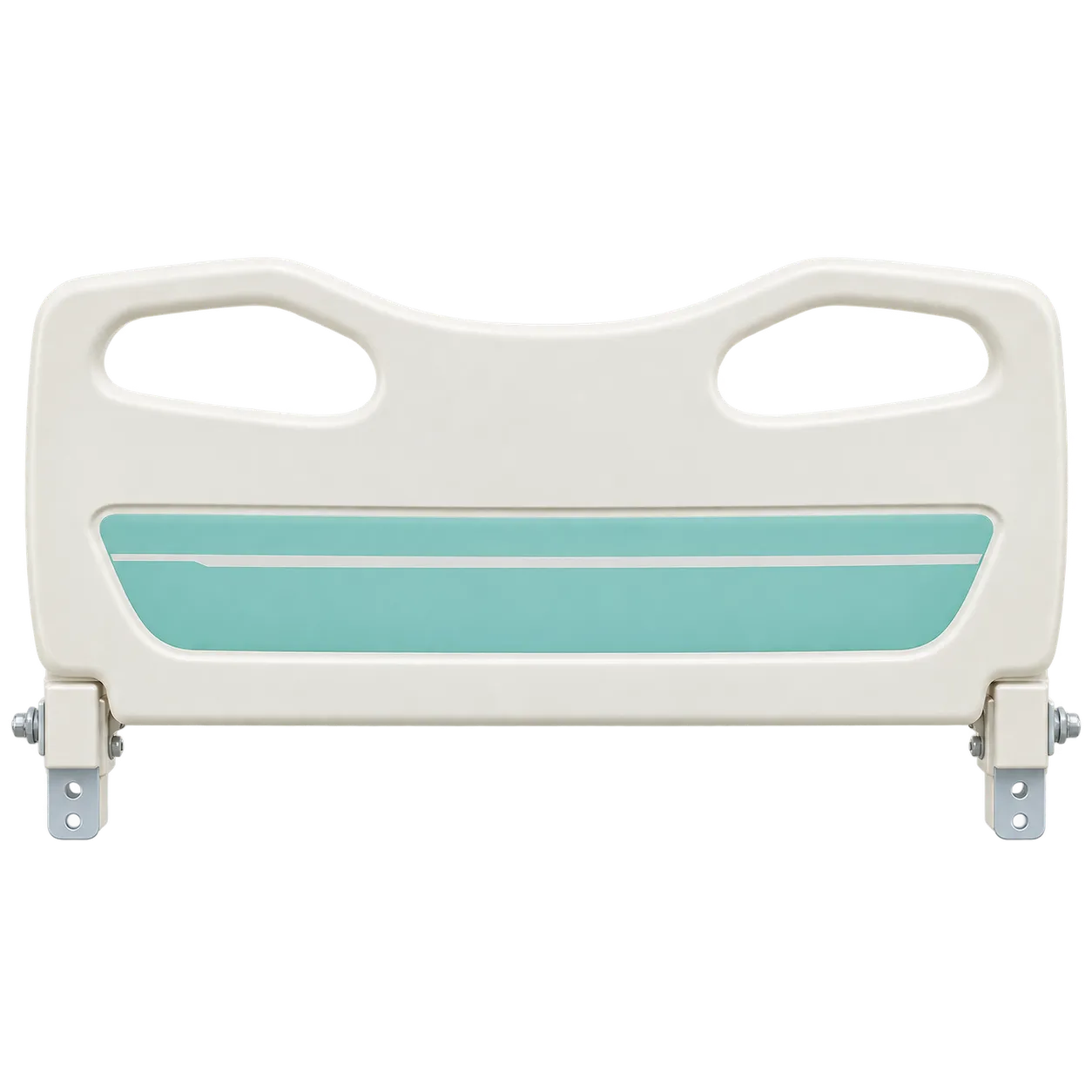
The bed is not a specification for children, who fall under a separate standard. Its rails bring the MHRA's 2023 National Patient Safety Alert on entrapment and falls into every allocation, and restlessness near the end of life is one of the situations the alert has in mind. Rail use should be decided for each person with the family, where appropriate, and reviewed as needs change. Procurement routes will ask for the legal manufacturer, the standard edition, the safe working load and rail gap data. The conformity documentation those procurement routes require is issued by the manufacturer and provided by the seller.