
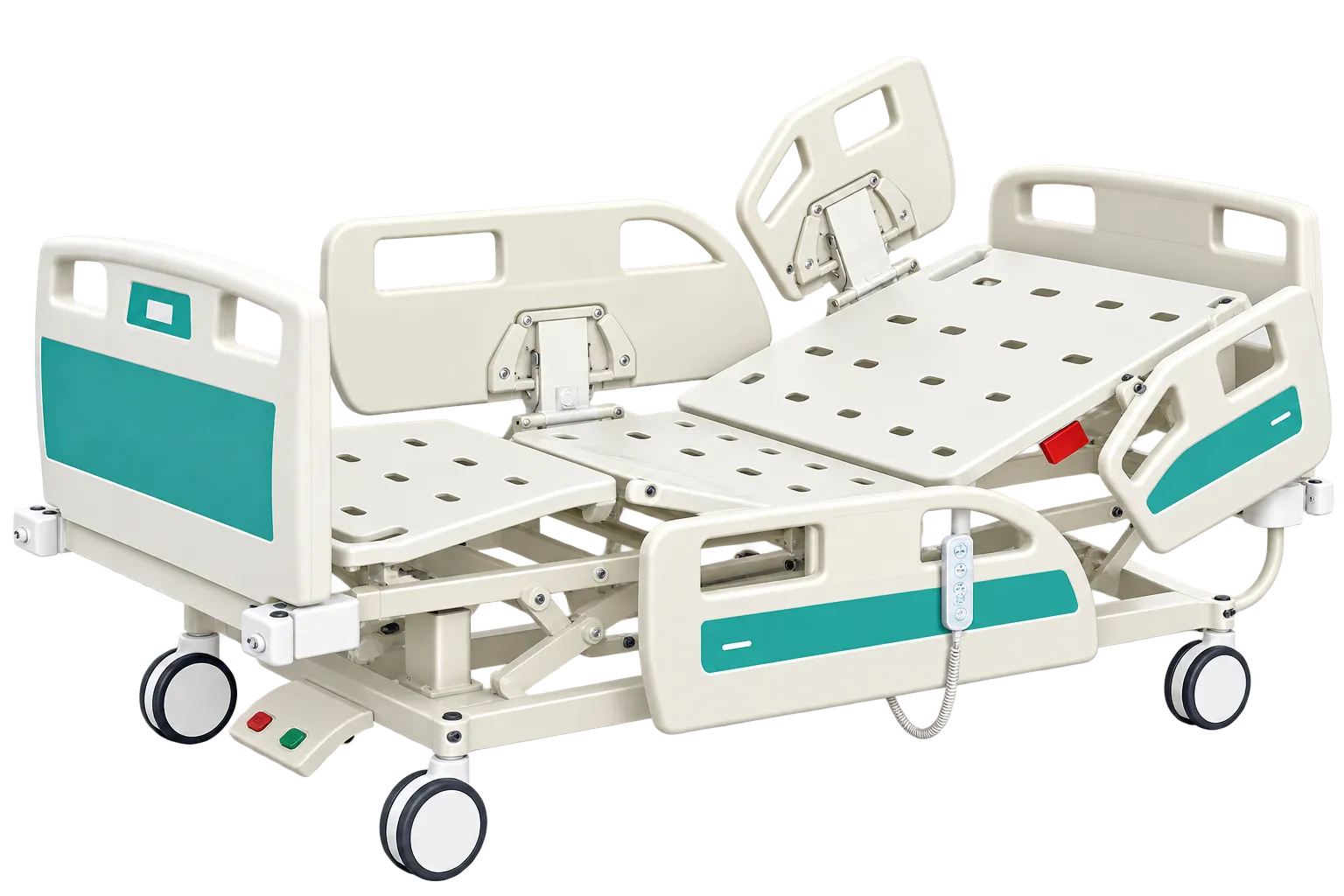

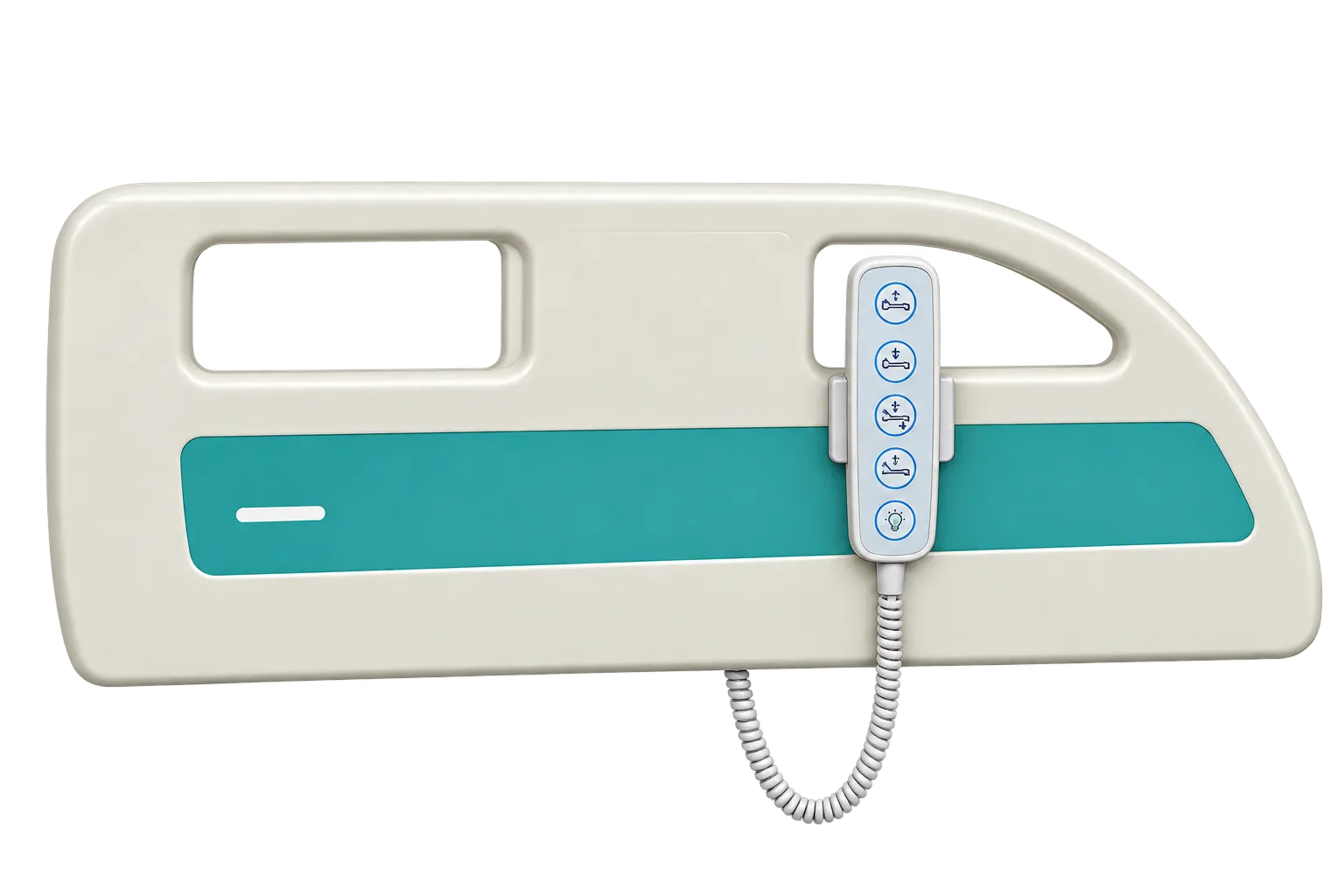

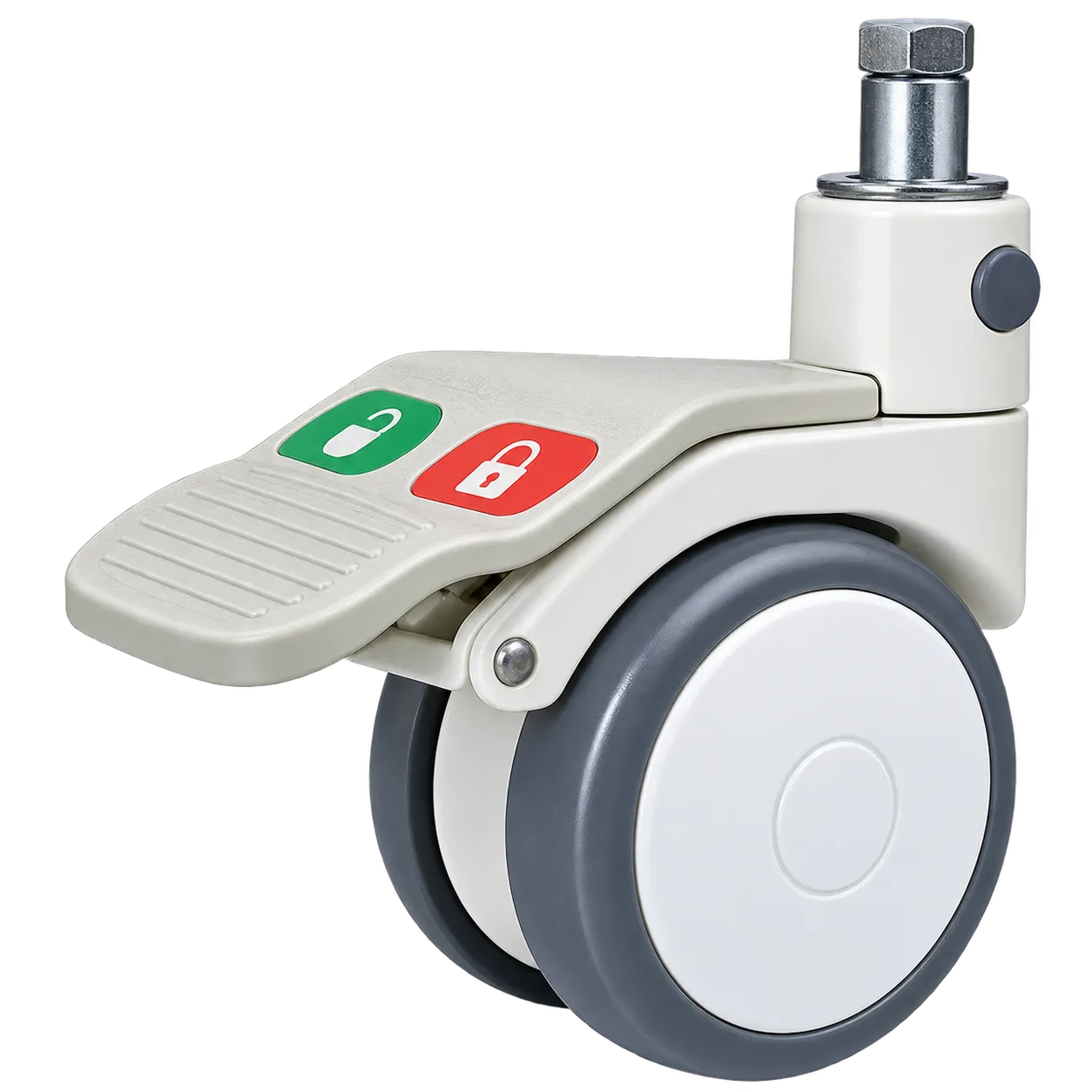


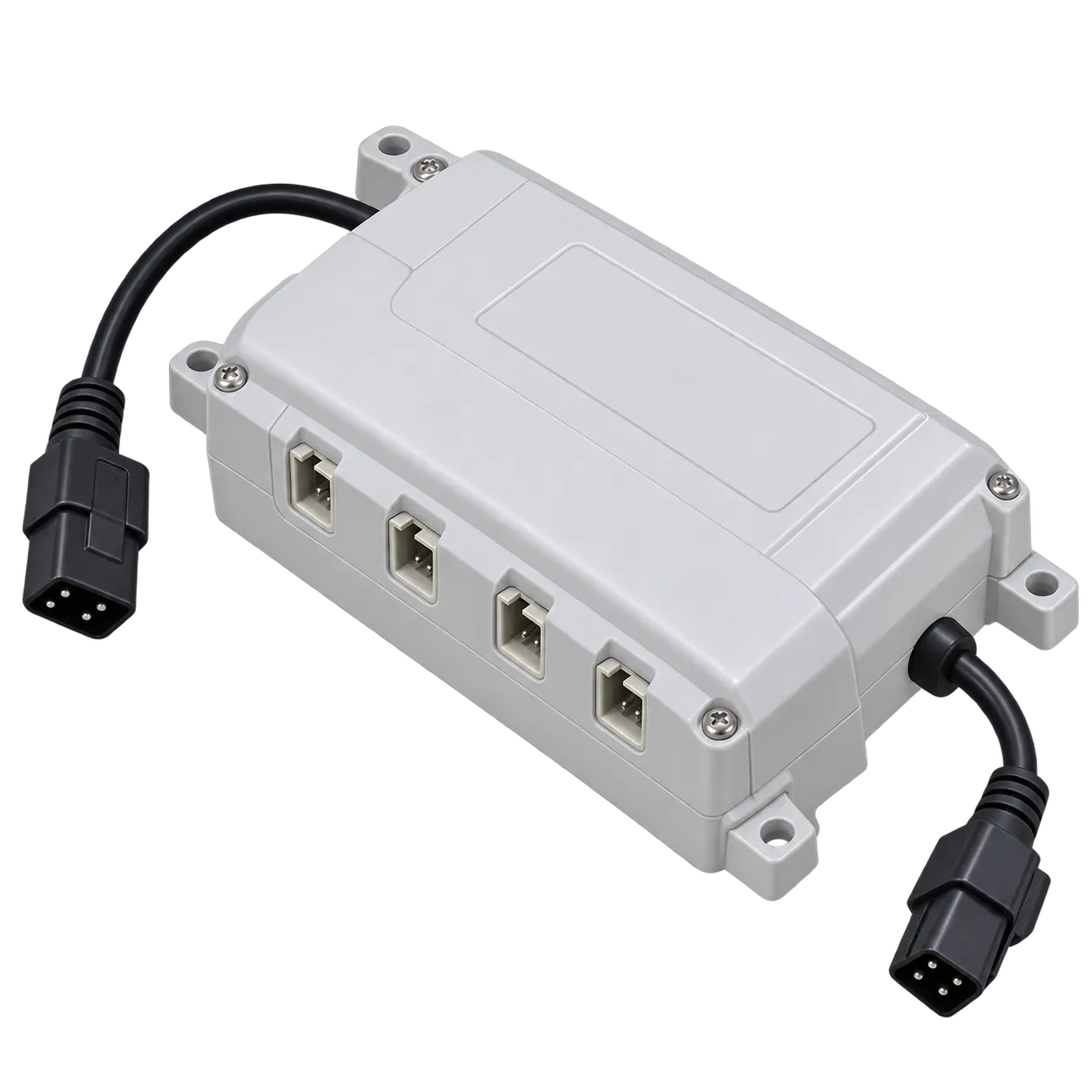
General medical and surgical wards, and wards caring for older people, are where this bed fits. Three electric functions cover the everyday needs of a ward bed: sitting a patient up, supporting the knees, and bringing the bed to a height for care or for getting out. What sets its population is the low point. A frail older person or a shorter adult getting up from a bed at 420 mm has a better chance of starting from a stable seated position with feet on the floor, and a lower fall if they do go over the side.
Elderly care and rehabilitation wards will value that most, since sit-to-stand practice and safe independent transfers are part of the daily work. The true sitting height depends on the mattress, so it should be worked out with the mattress the bed will carry and checked against the patients the ward admits.
The same wards are where rail entrapment risk concentrates. The MHRA's 2023 National Patient Safety Alert identifies small stature, inadequate risk assessment and poor maintenance among the factors in entrapment deaths, so a bed chosen for smaller or frailer adults needs its rail gaps measured with the mattress in use and assessed for each person before rails are raised.
The bed is not a specification for children, who fall under a separate standard, or for units needing specialist intensive care positioning, which this sheet does not describe. Staff doing a lot of hands-on care should weigh the 770 mm top height. Procurement routes will ask for the legal manufacturer, the standard edition, the safe working load and the rail gap data. The conformity documentation those procurement routes require is issued by the manufacturer and provided by the seller.