

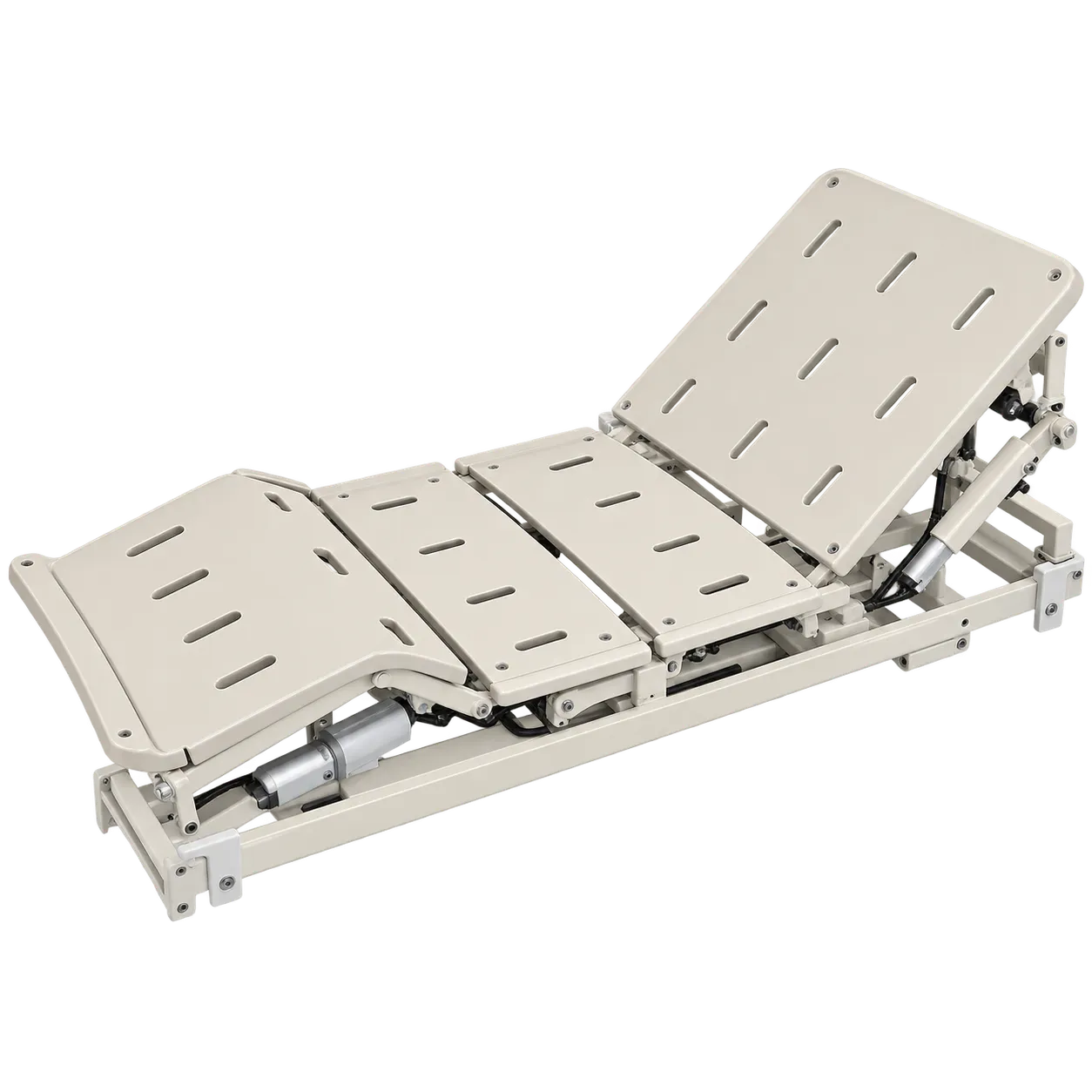


Critical care, high dependency and acute medical units are where bedside radiography happens most. Patients on ventilators, with lines and drains, or too unstable to move are routinely imaged where they lie, and a cassette position under the back section is designed for exactly that. Every film taken without a transfer is one fewer lift and one fewer disruption to monitoring and infusions. The benefit depends on the tray fitting the unit's detectors and the platform being radiolucent where it matters.
Any acute ward admitting tall adults benefits from the extension. A patient whose feet press against the foot board spends the admission with their heels loaded and their knees flexed, and the usual answer is a bed swap, which costs porter time and a transfer the patient may not tolerate well. A platform that lengthens handles it in place, provided the rail gaps and mattress length are rechecked at the extended setting.
Units with frequent resuscitation calls will look at the removable panel and the CPR arrangement together. Clear airway access at the head and a reliable route to a flat surface are what those units need; the sheet names the first and says nothing about the second, so both need confirming.
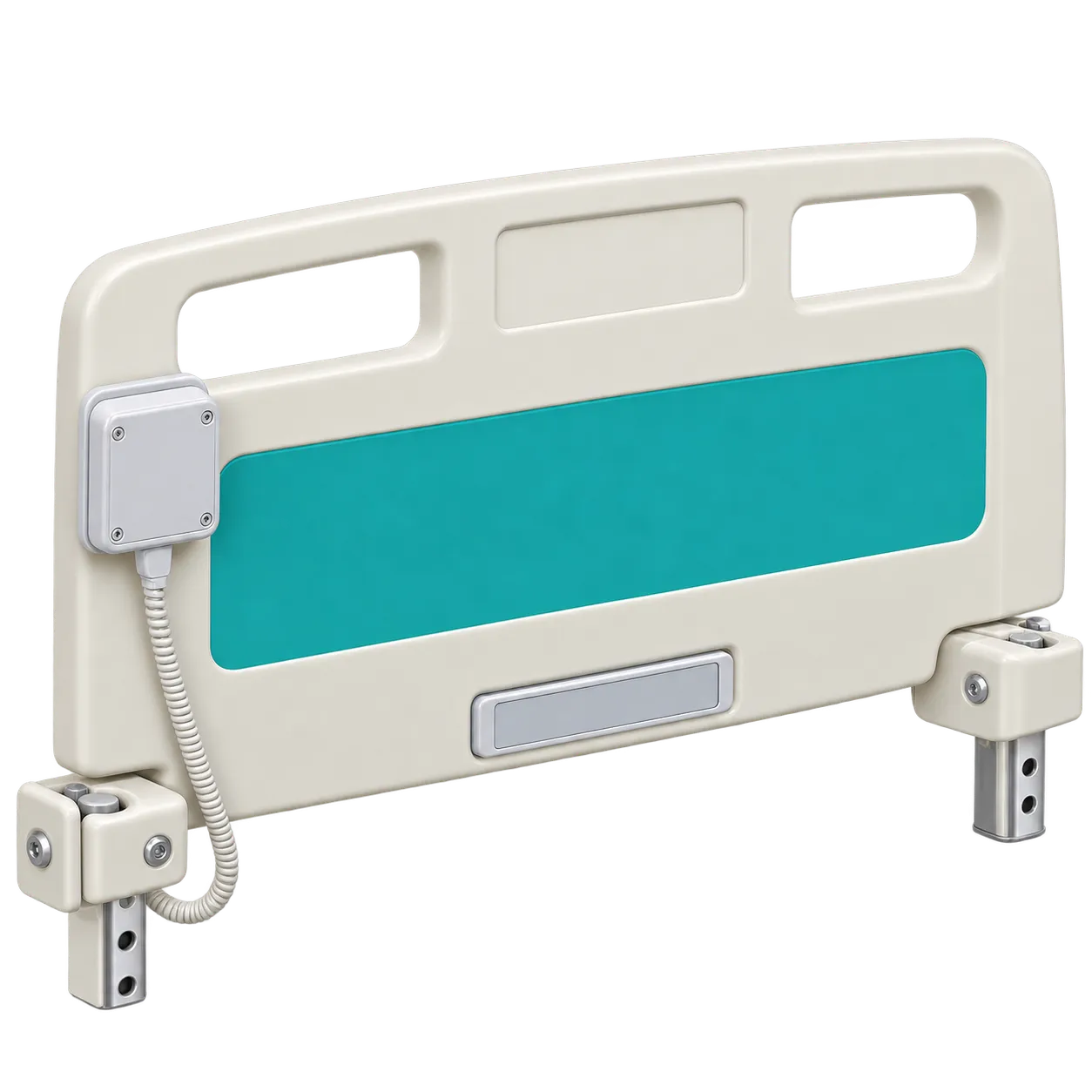
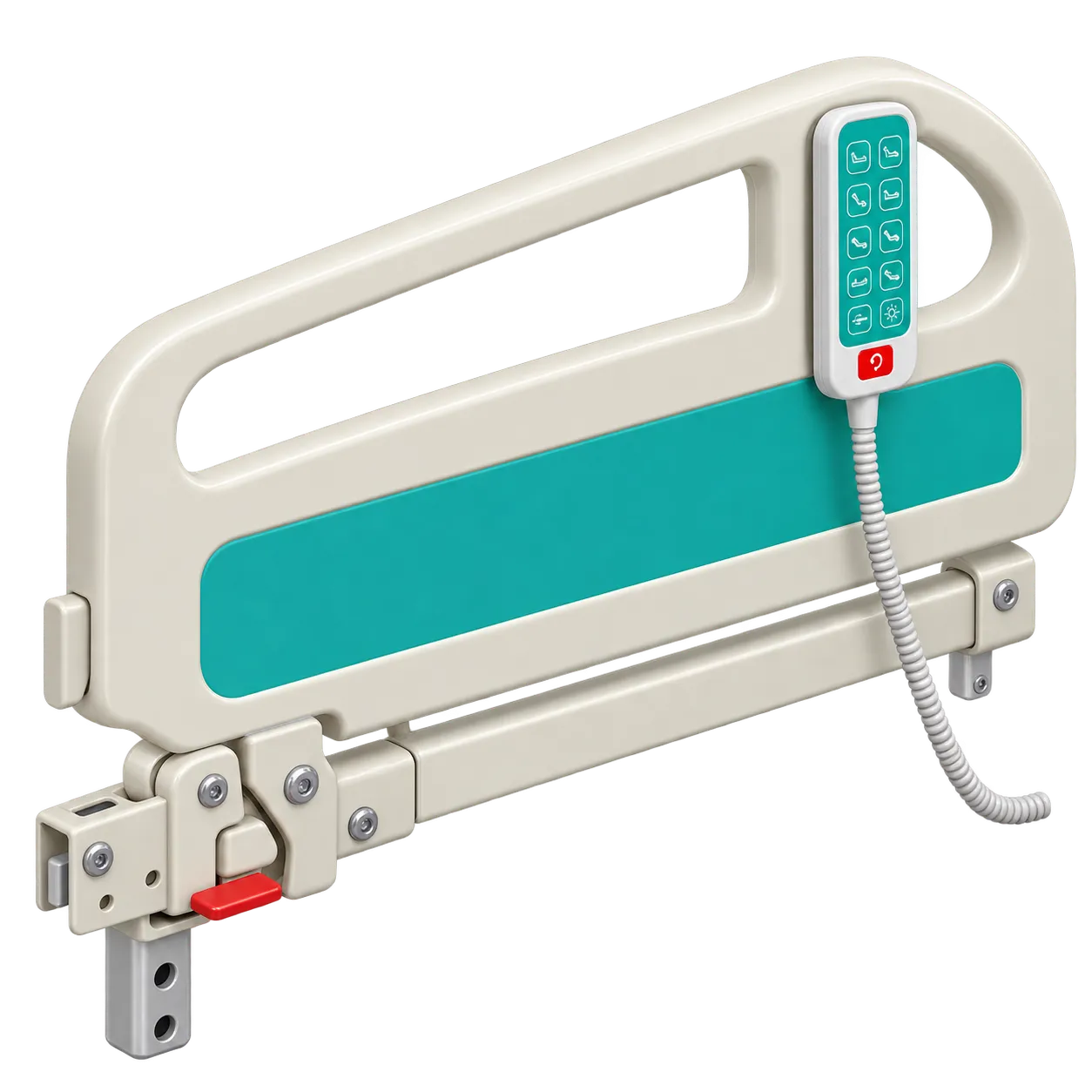
The bed is a heavy specification for long-term care or community settings, and at 500 mm its lowest height does not suit patients whose main risk is falling from bed. It should not be assumed suitable for children or adults of small stature. Its rails bring the MHRA's 2023 National Patient Safety Alert on entrapment and falls into every allocation. Procurement routes will ask for the legal manufacturer, the standard edition, the application environment and the safe working load. The conformity documentation those procurement routes require is issued by the manufacturer and provided by the seller.