

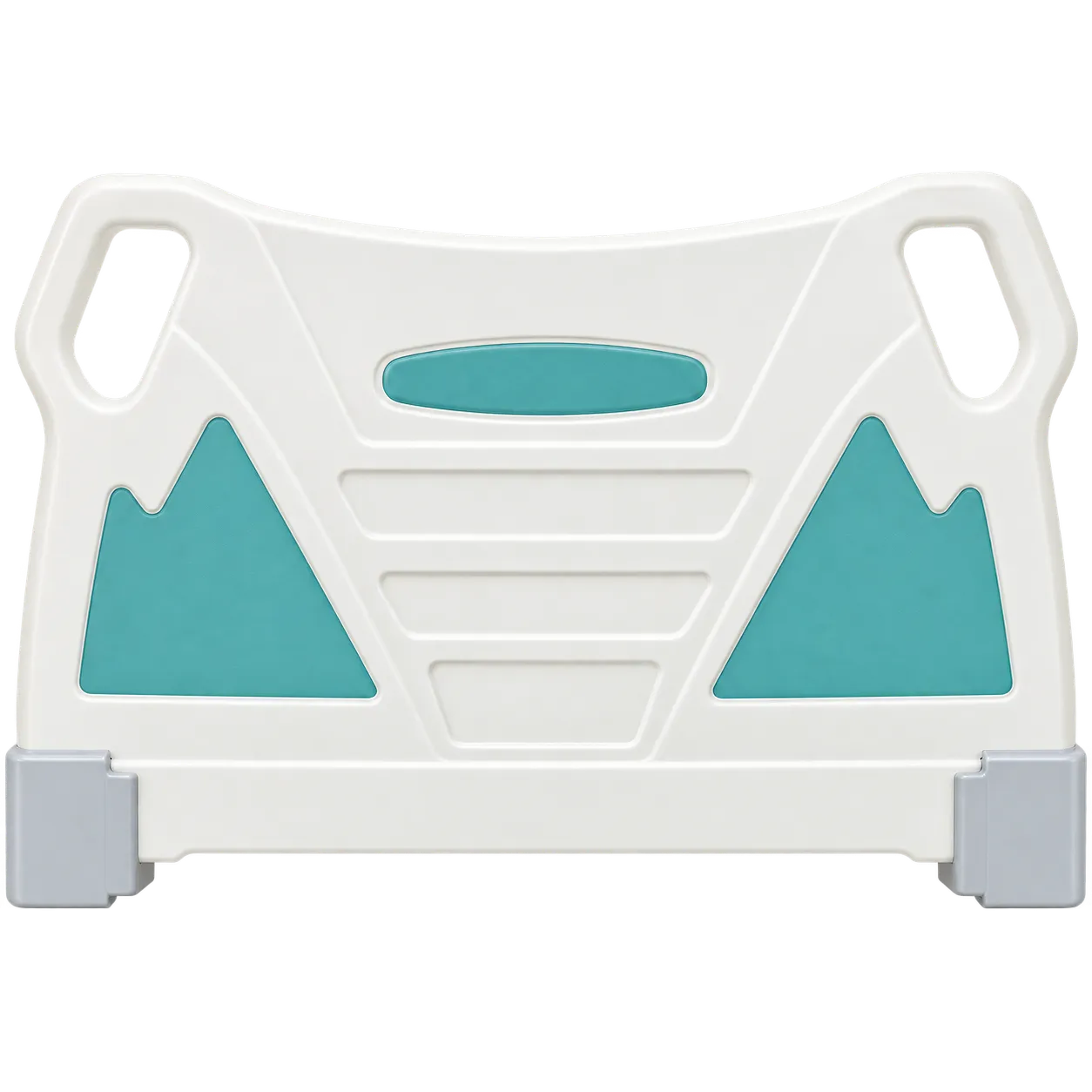
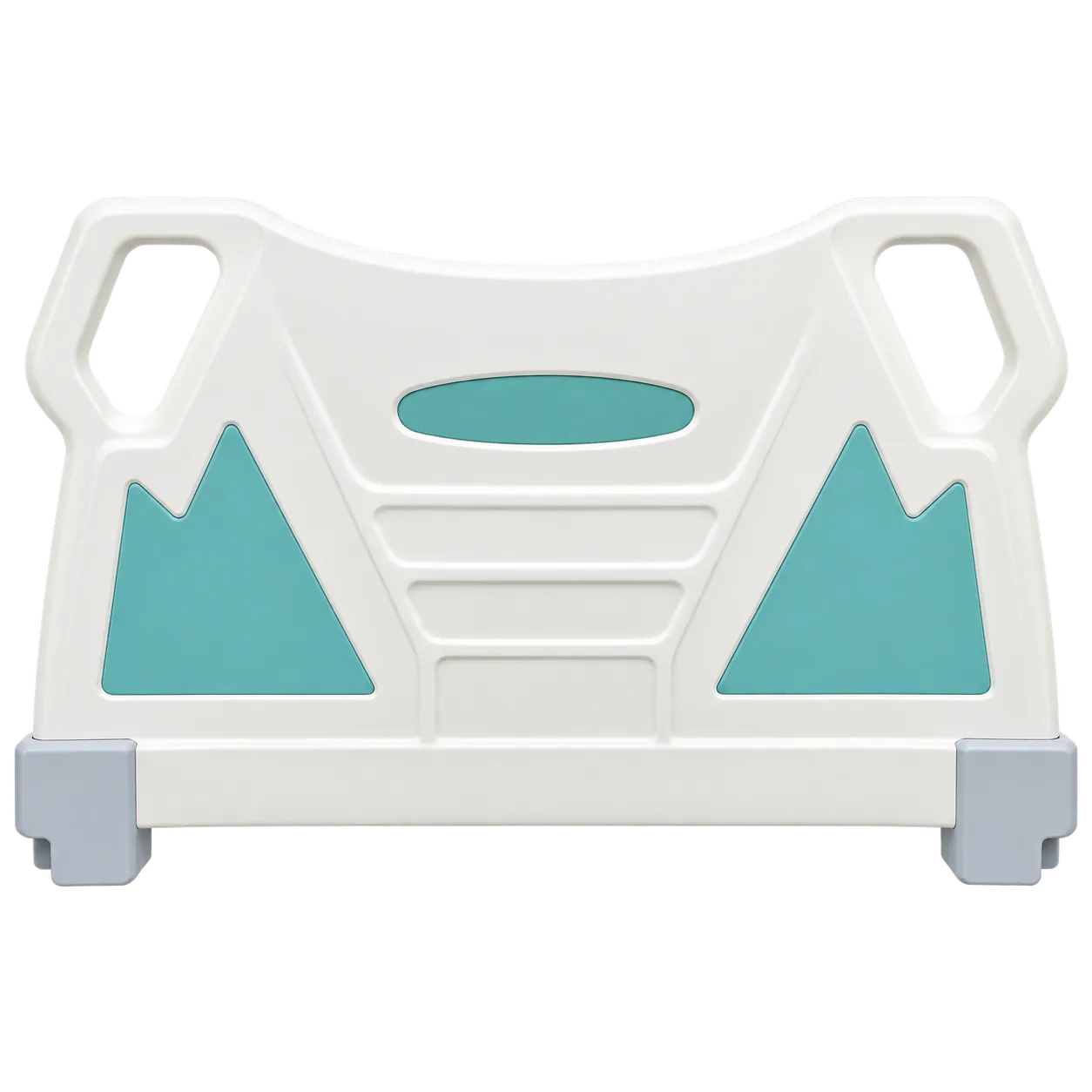
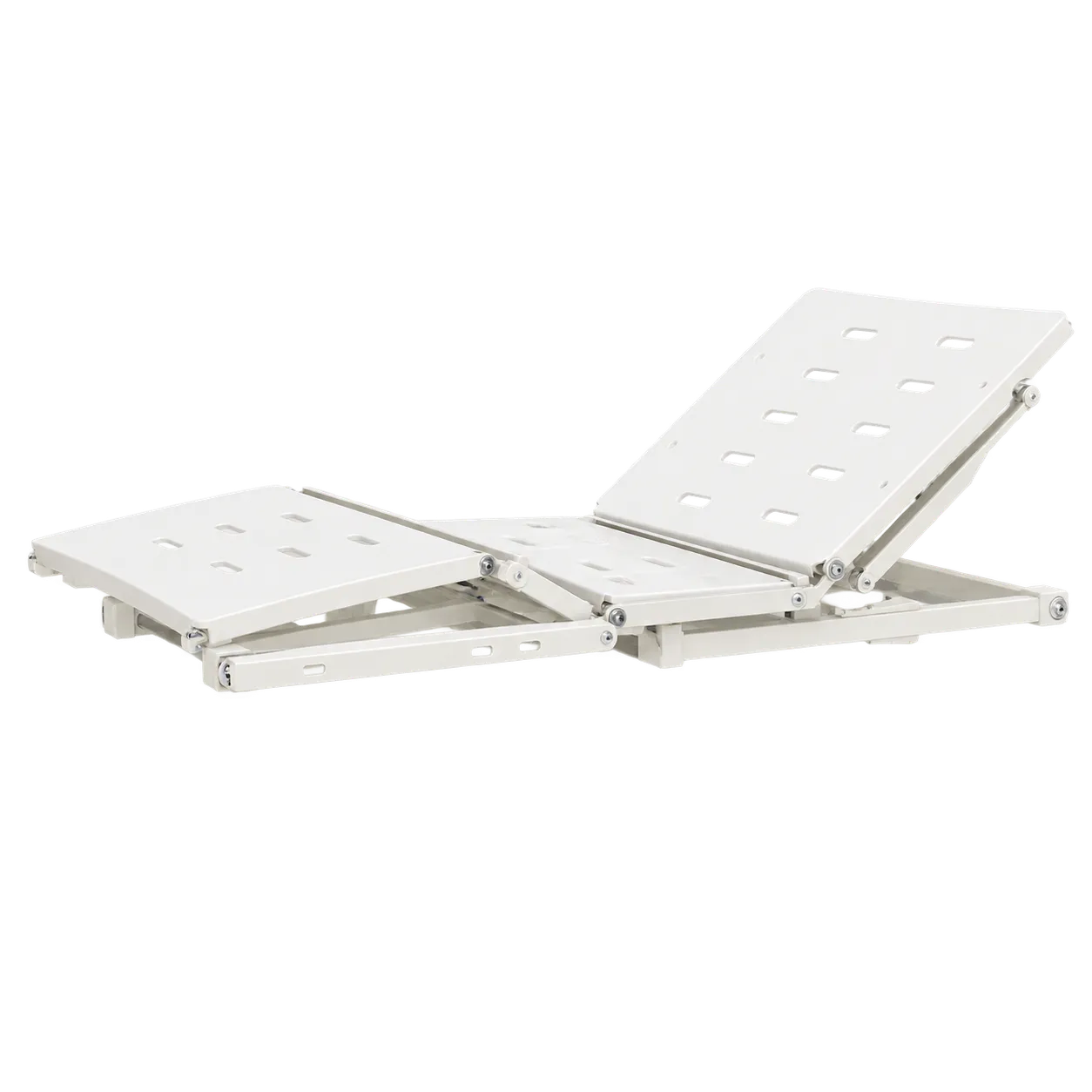

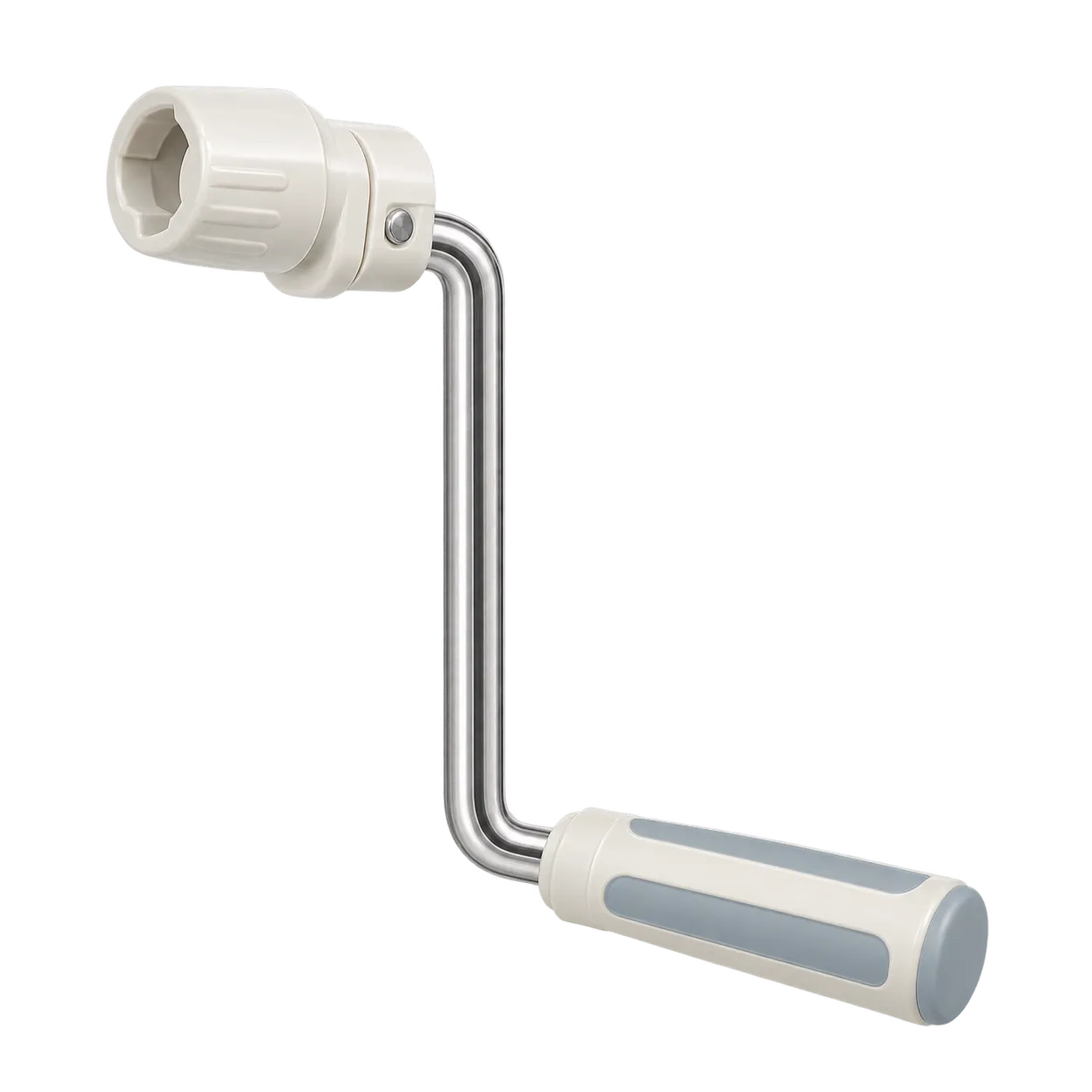

Residential and nursing care, homecare and community settings where people are transferred by mobile hoist are where an open-base full-fowler bed fits best. Hand-wound backrest and leg sections sit a person up with the knees supported, the frame's 1000 mm width fits smaller rooms, and nothing needs plugging in.
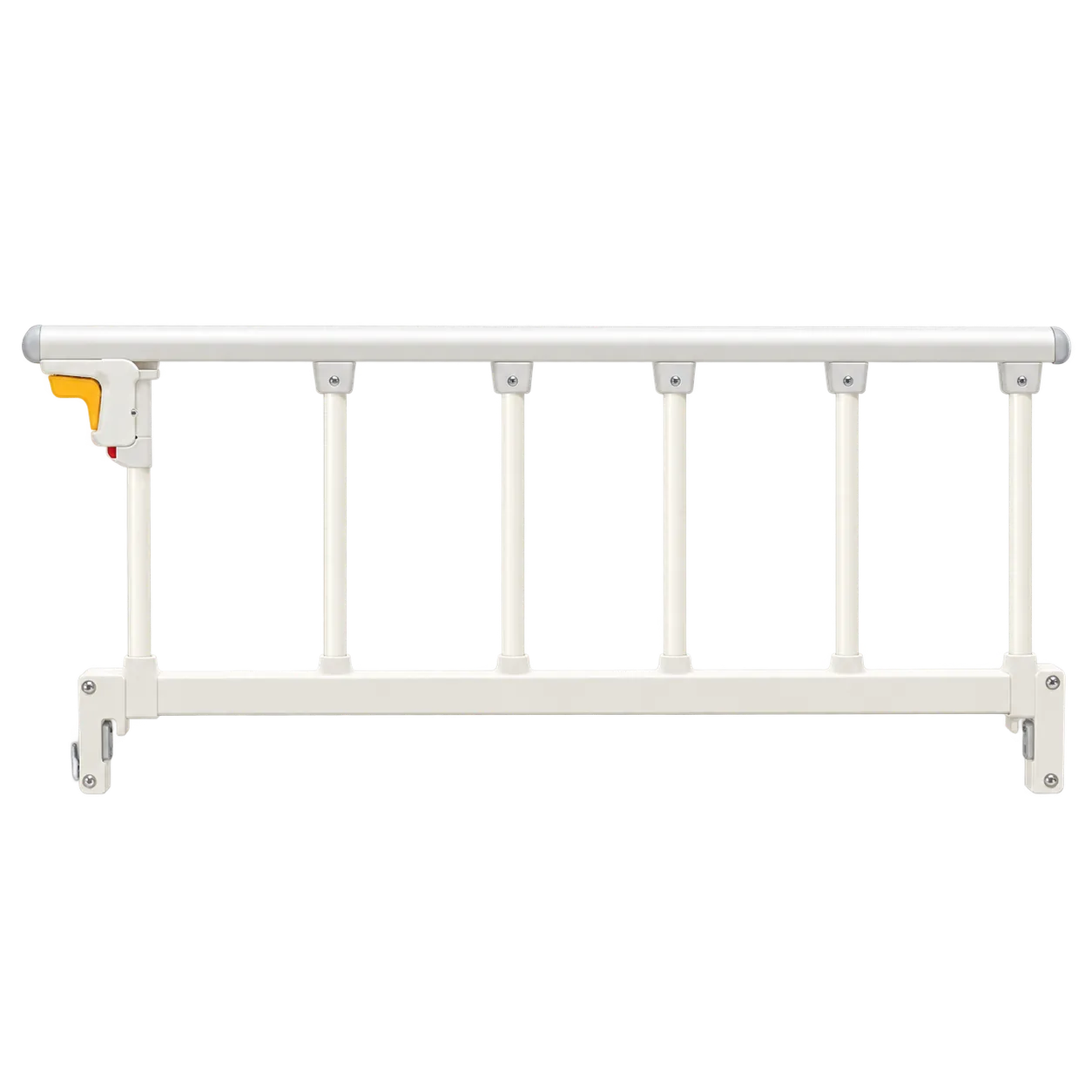
Hoist access is what the open base offers. Mobile hoists need their legs beneath the bed, and a low chassis or cross members can prevent that. The VM-6 shows open space beneath most of its platform, but the clearance is not published, so it needs measuring against the provider's hoist before hoist transfers are planned. Once confirmed, the routine is straightforward: apply all four castor brakes, lower the rail on the hoist side, clear the floor, and transfer with the assessed sling and the number of staff the moving and handling policy requires. Agreeing which side the hoist approaches from, and keeping that side clear, saves time on every transfer.
The regulations divide cleanly. The hoist and its slings are lifting equipment under LOLER, with thorough examination at least every six months; the bed is work equipment under PUWER. Hoisting itself is a manual handling operation under the 1992 Regulations, and the fixed 500 mm height, which cannot be adjusted to help fit a sling, belongs in that assessment.
The open underside also helps cleaning, since the floor beneath the bed is easier to reach. With the mattress fitted, measure the post rails against MHRA guidance, as the regulator's 2023 alert on bed rails expects. It is neither a bariatric bed nor a children's bed. Procurement teams will want the legal manufacturer, the test standard, the under-frame clearance and rail data. The conformity documentation those procurement routes require is issued by the manufacturer and provided by the seller.