
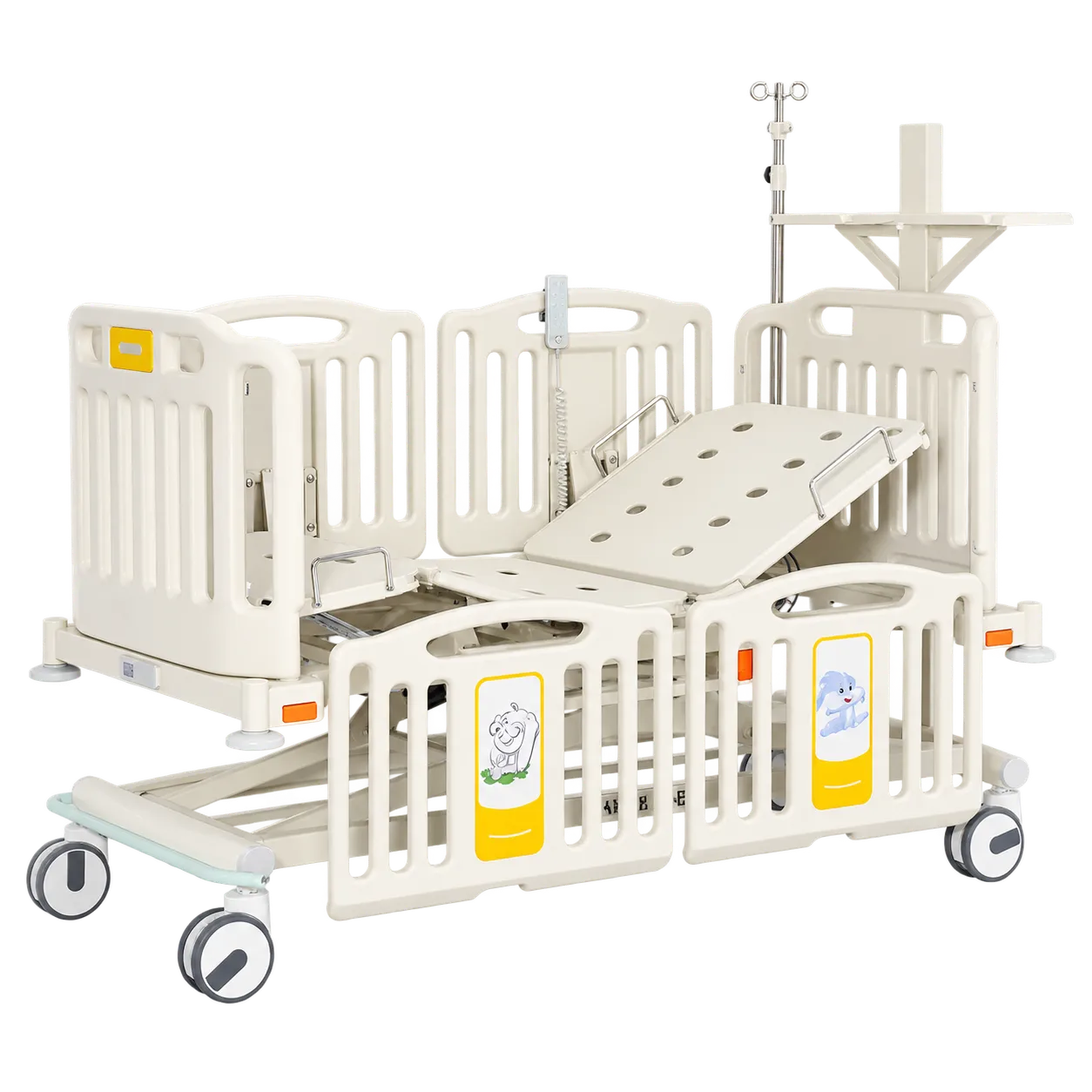

The DR-I A suits children’s wards, paediatric high-dependency and step-down units, oncology and renal units for children, and children’s hospices. Its case is workflow. Putting the scale in the bed removes a lift from every weighing, and on a children’s ward, where doses follow weight, that touches the medication round, fluid balance, and nutrition reviews.
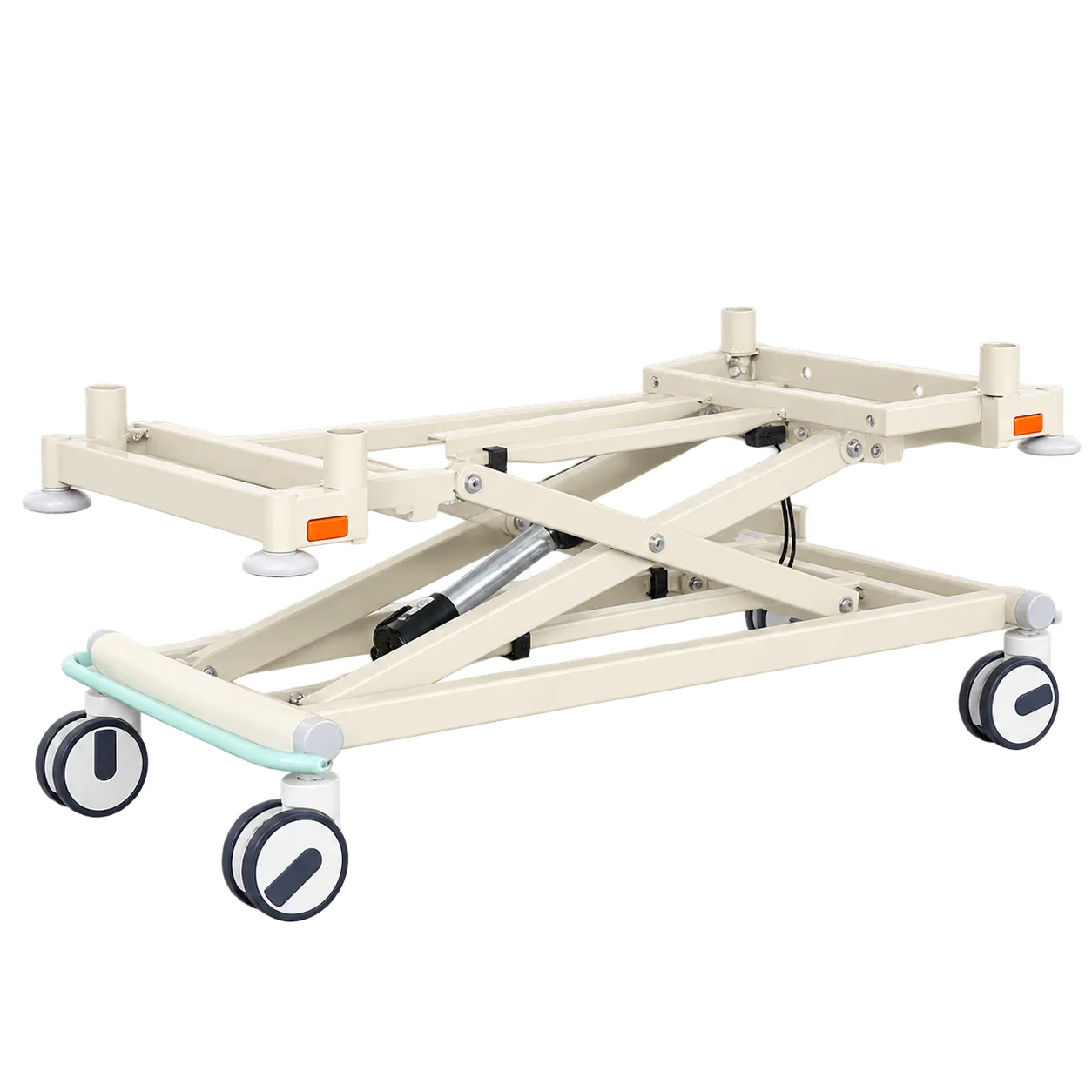
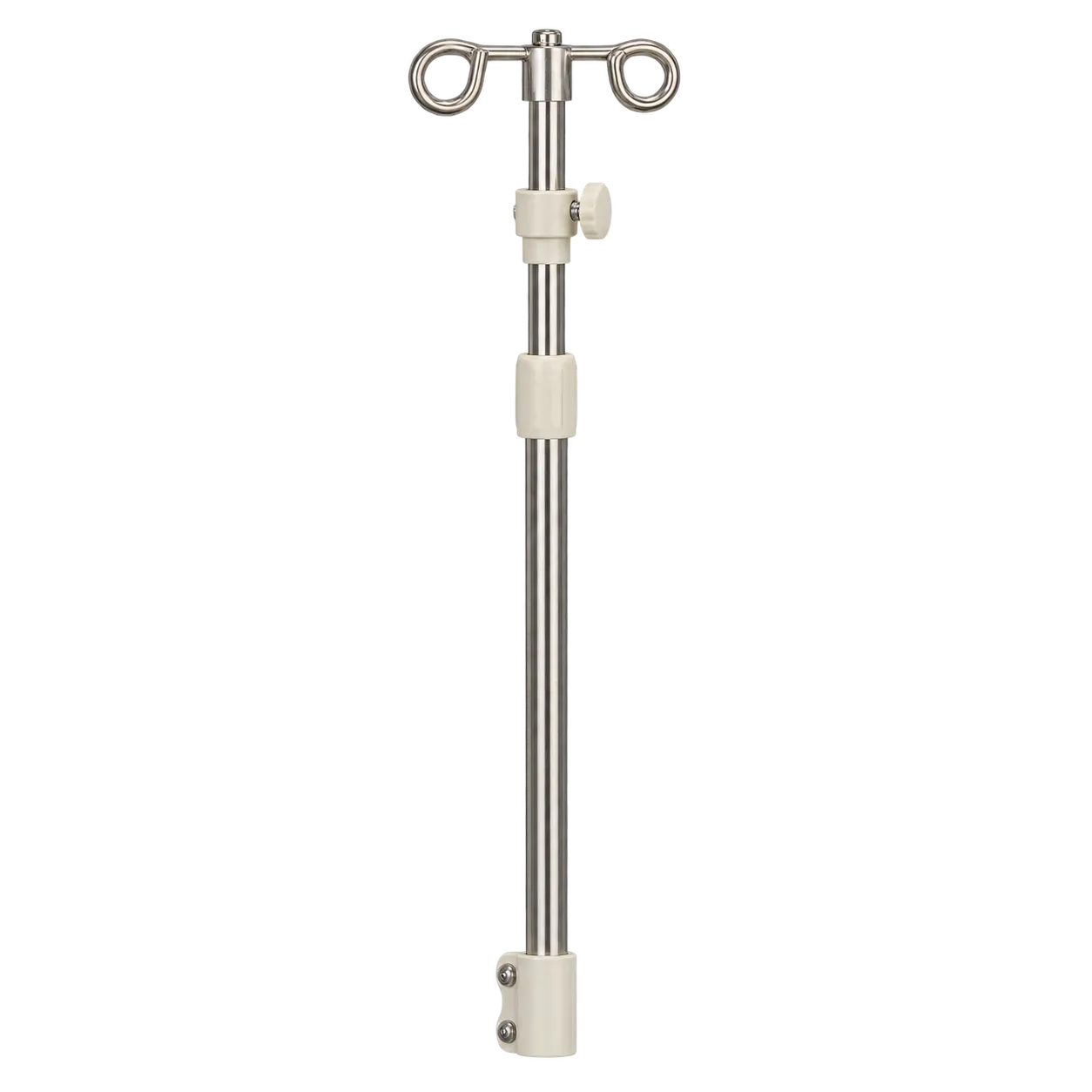
The routine changes in practical ways. A child can be weighed asleep, attached to infusions or too unwell to stand, and nurses can repeat the weight as often as the plan asks. The infusion pole and tray at the head end keep lines and small equipment close. Trendelenburg and reverse Trendelenburg support positioning; the 600 to 960 mm range brings the child up for care under the Manual Handling Operations Regulations 1992, and electric and manual CPR flatten the deck when a child deteriorates.
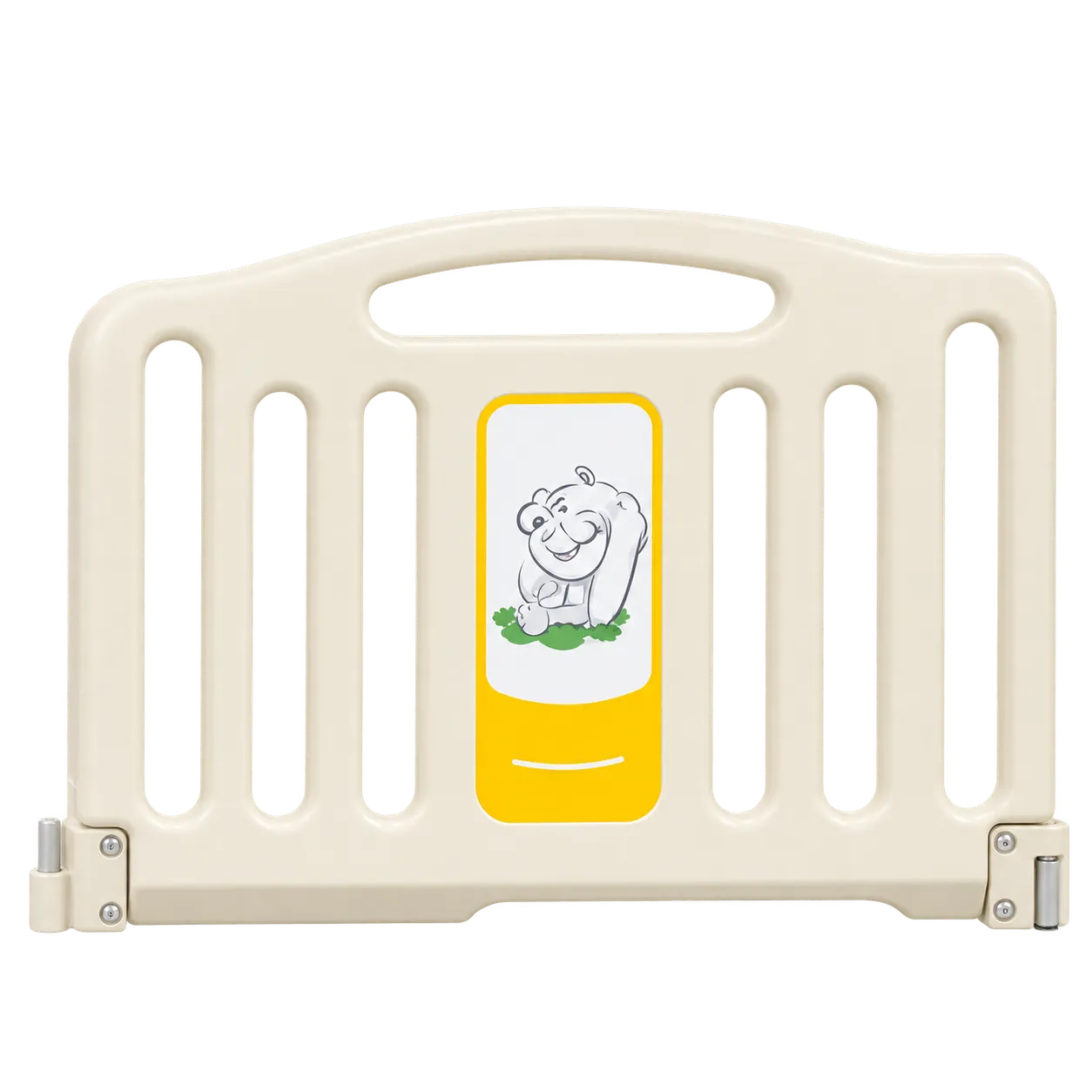
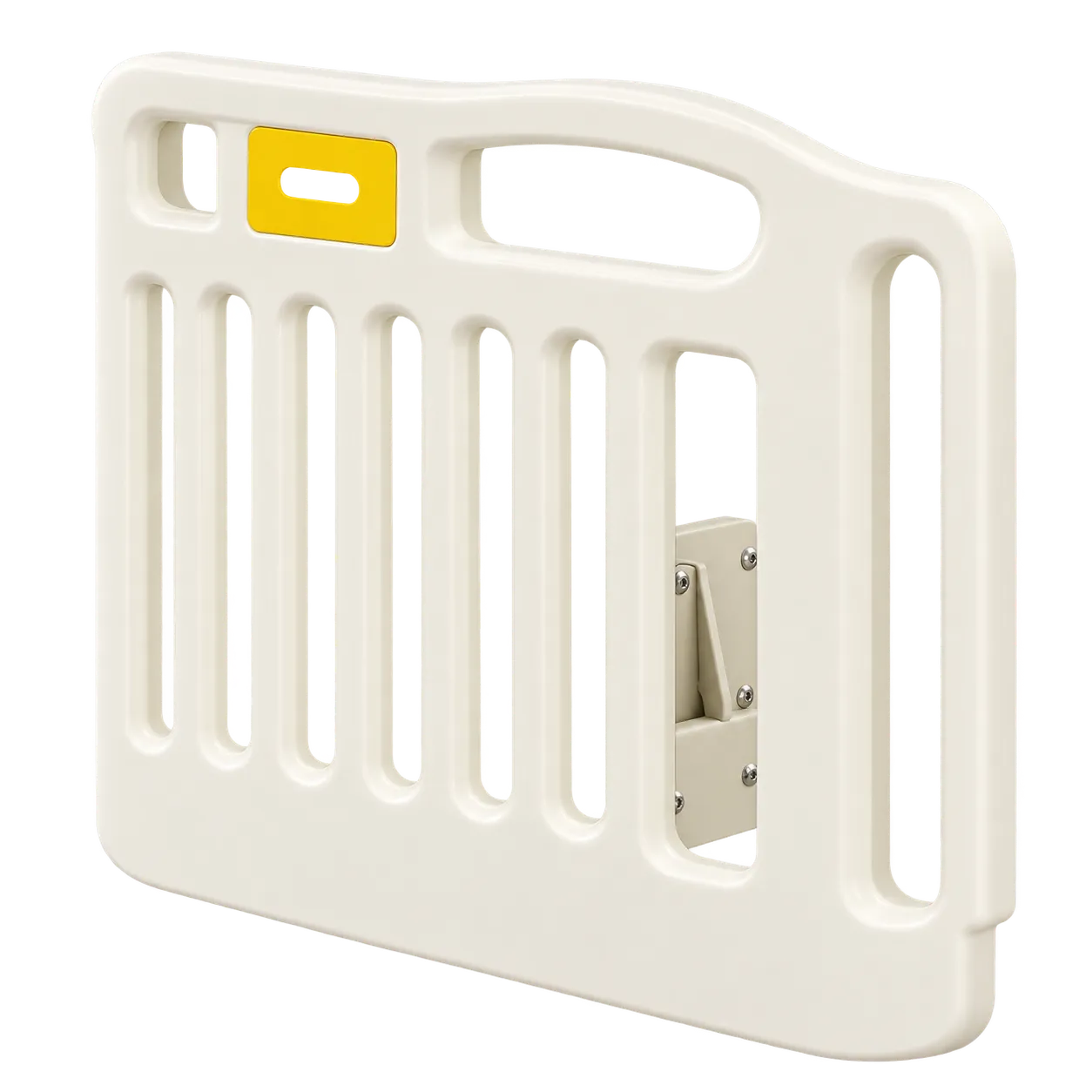
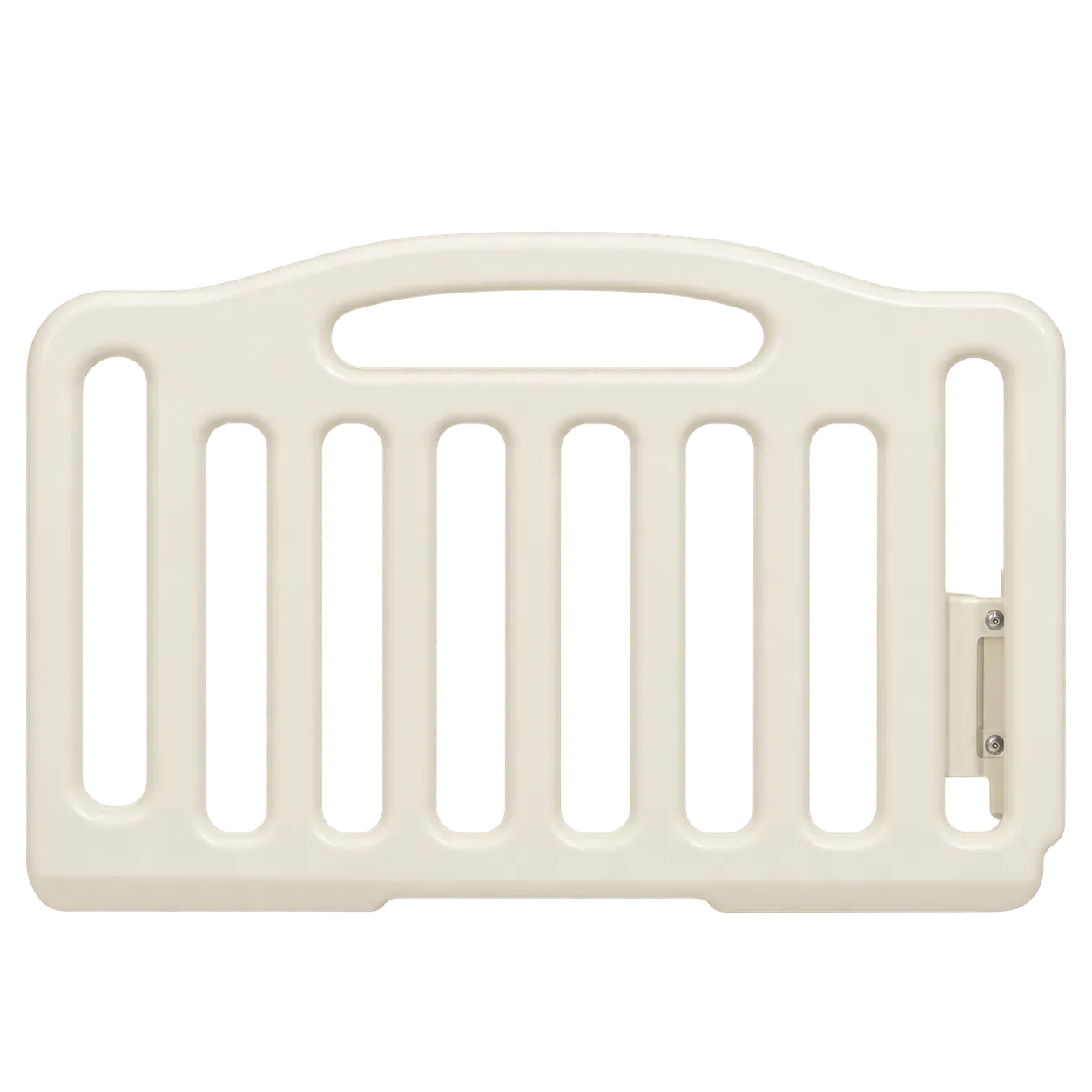
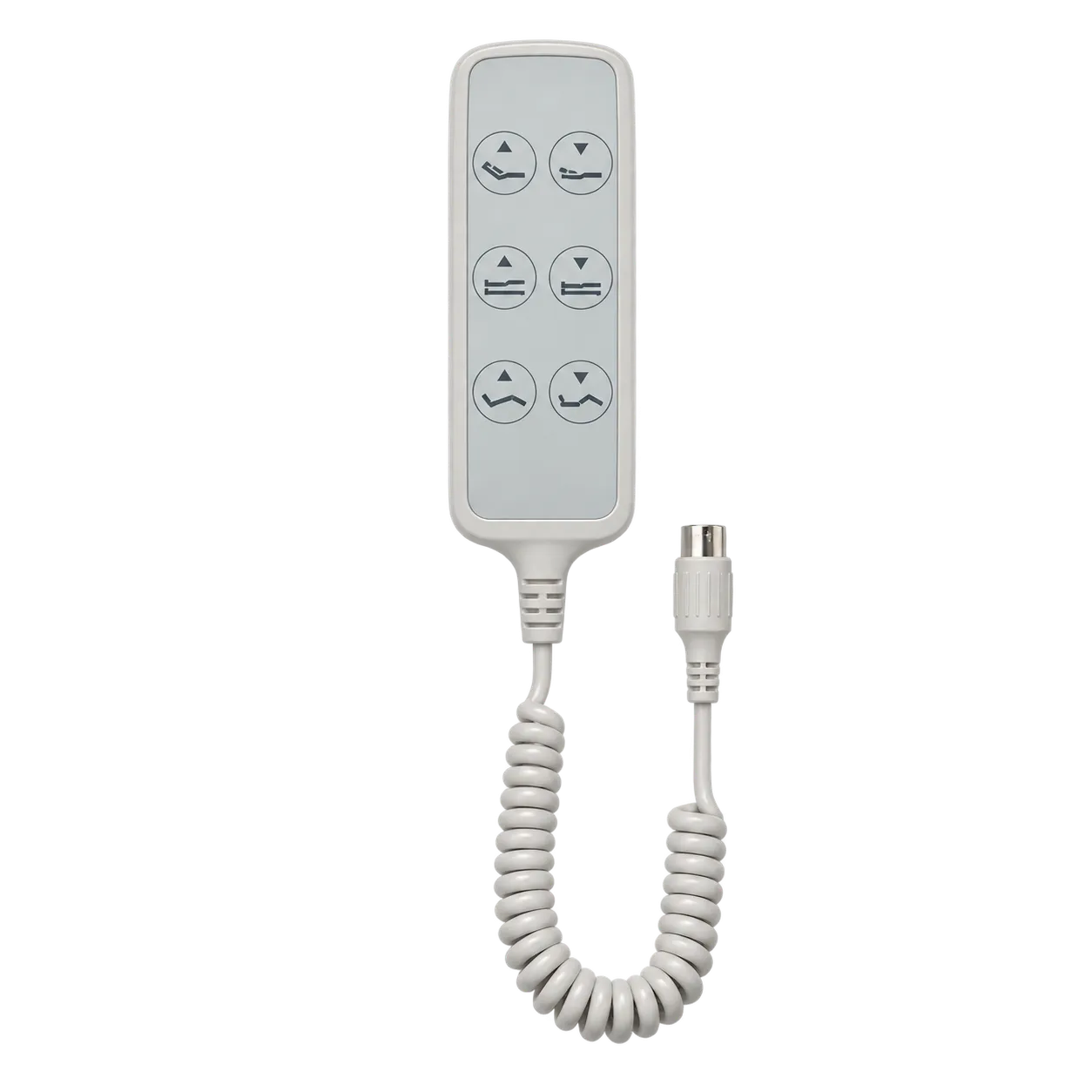
The workflow only holds if the weight is trustworthy. Scales used for monitoring, diagnosis or treatment in Great Britain must be Class III approved under the Non-automatic Weighing Instruments Regulations 2016, so the approval, range and zeroing routine need checking before the scale replaces a ward scale. BS EN 50637:2017 governs medical beds for children, and NatPSA/2023/010/MHRA expects compliance unless a reason is documented. Bar spacing, rail gaps, handset storage and the 600 mm low point belong in each child’s risk assessment, alongside MHRA bed rails guidance.
NHS procurement routes and public tenders abroad will ask for the device class, the scale approval, BS EN 50637 evidence and a declaration of conformity. The manufacturer issues the conformity documentation required by those procurement routes, and the enquiry team shares it.