
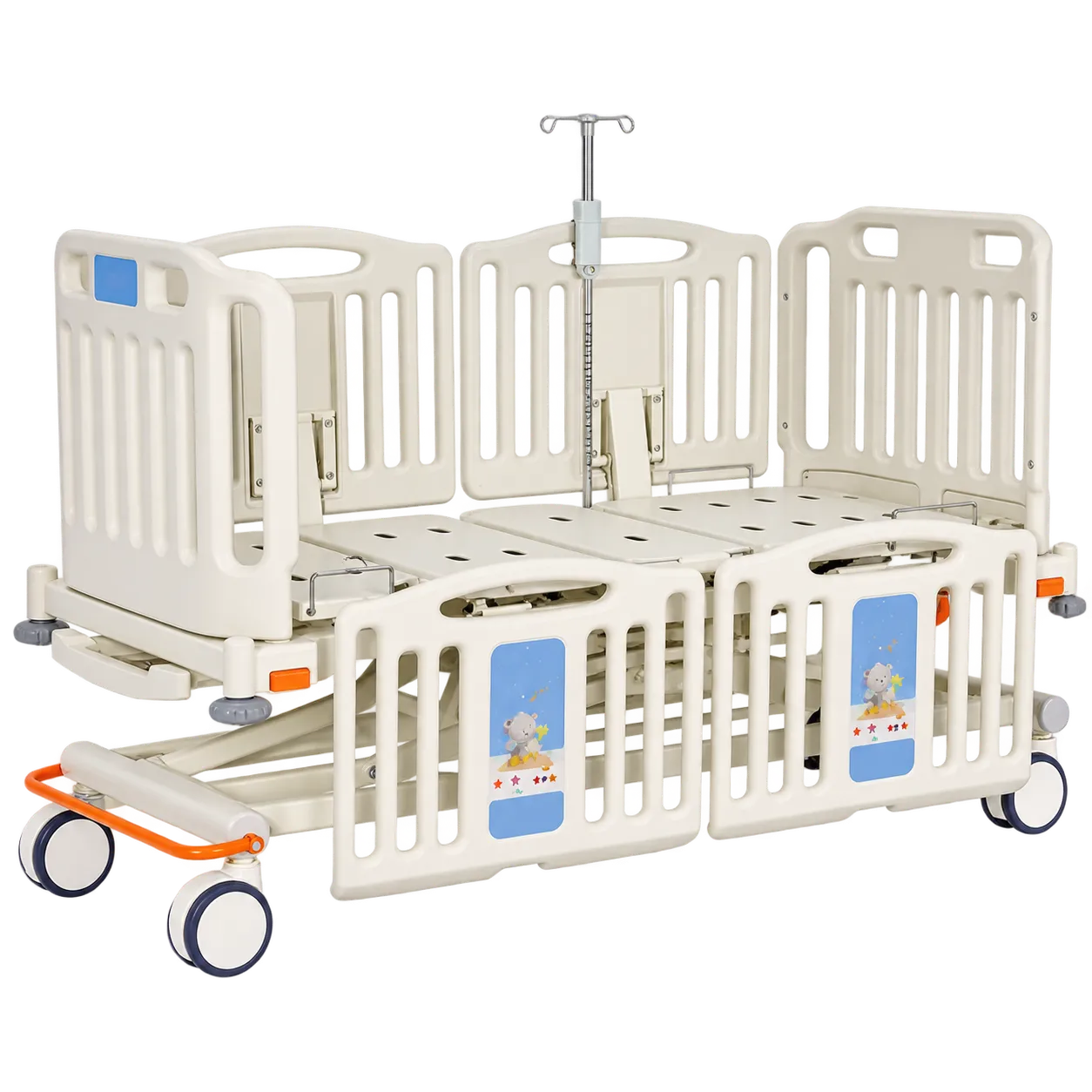
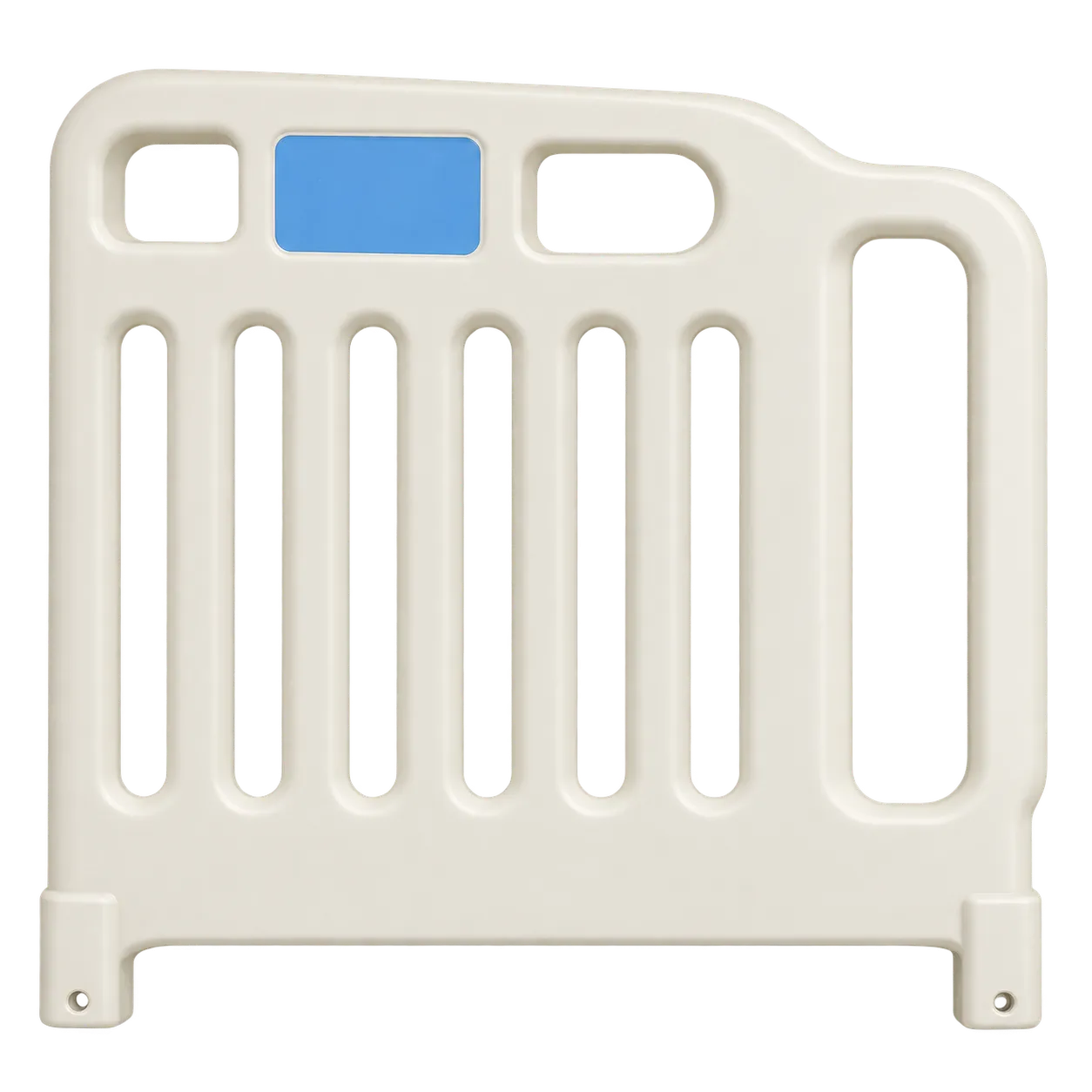

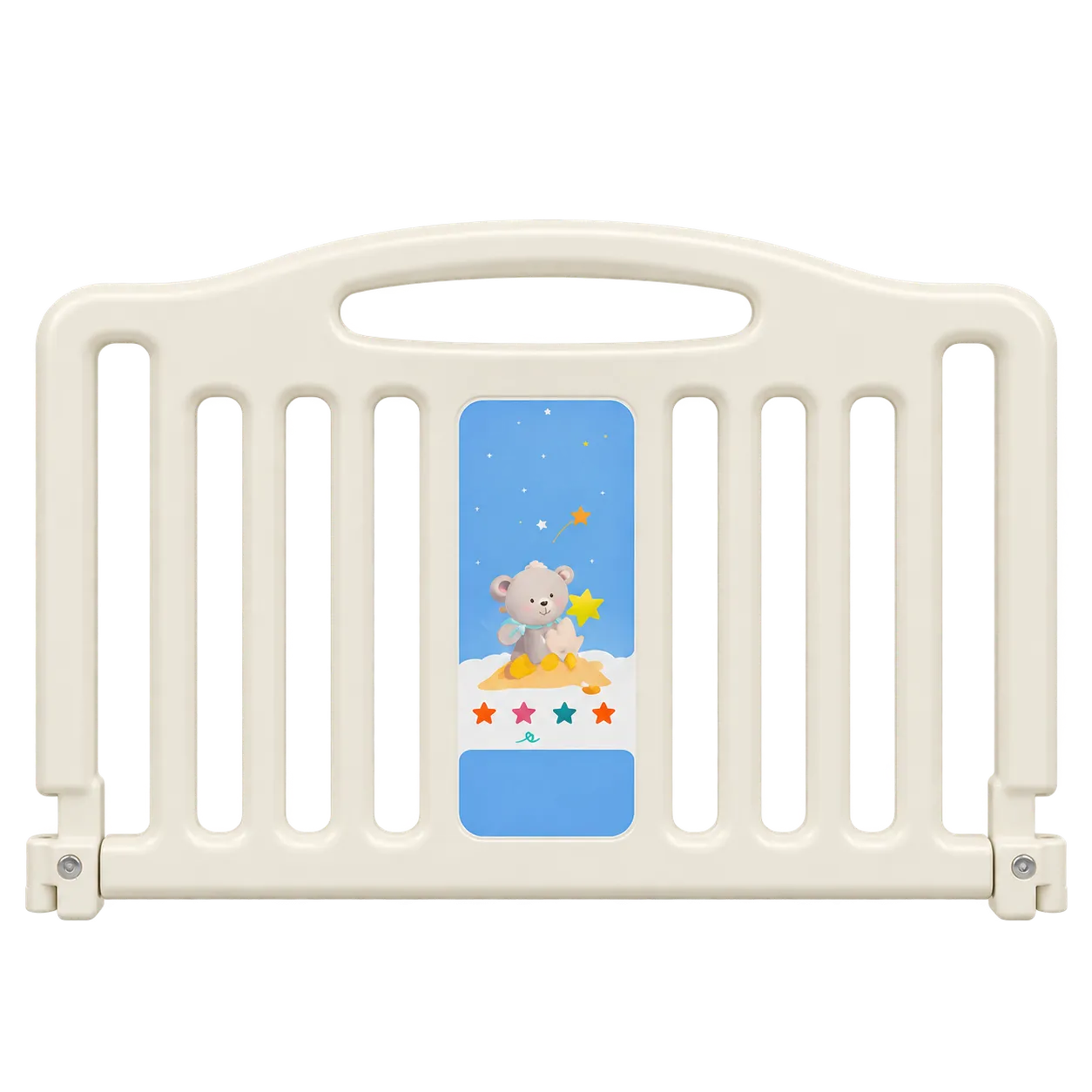

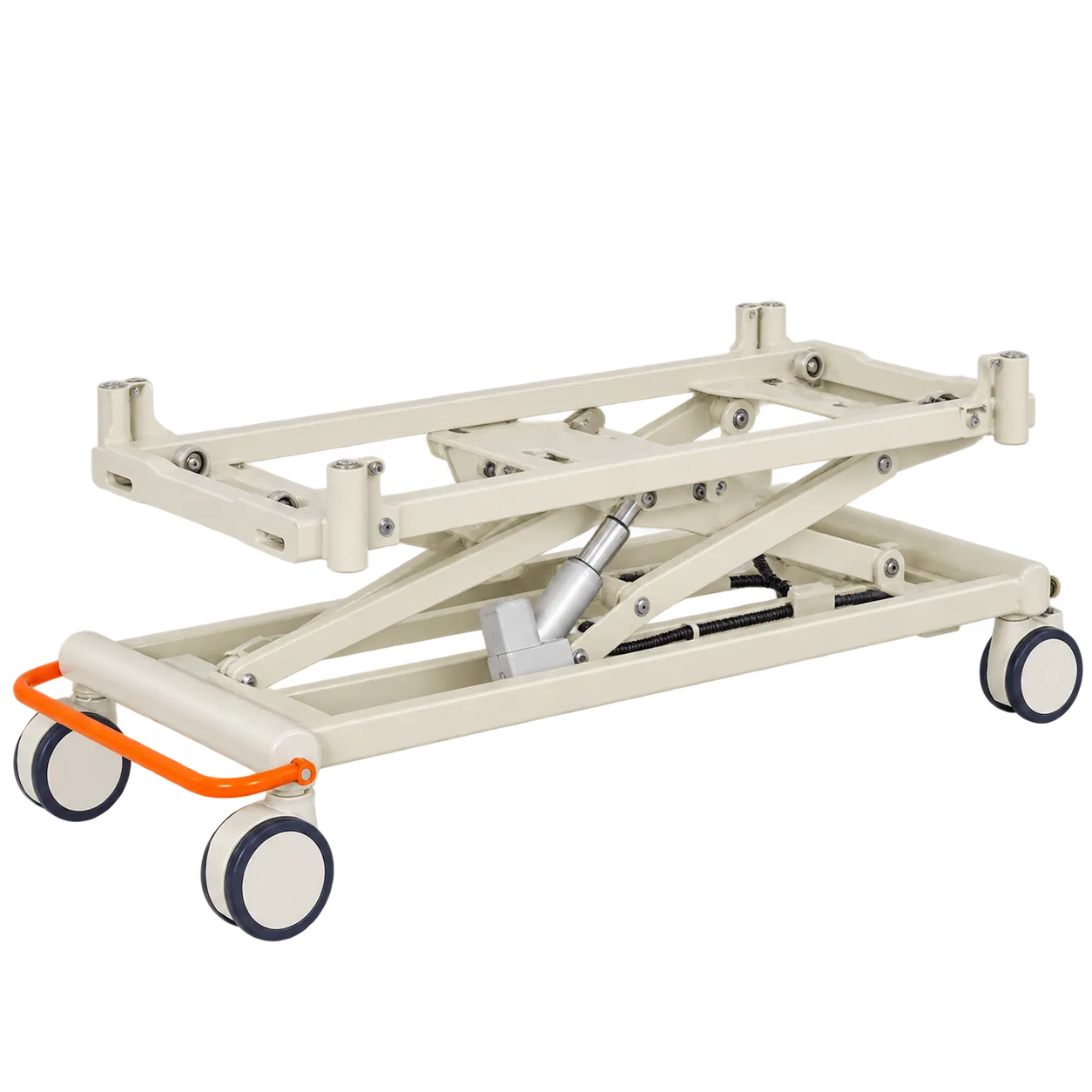
The DR-I suits children’s wards, paediatric high-dependency and step-down units, children’s assessment units and children’s hospices. Its case is population-fit. Every part of the bed, from its 1840 mm frame to its tall cot-style rails and cartoon panels, is shaped around a child, defining both who it serves and who it does not.
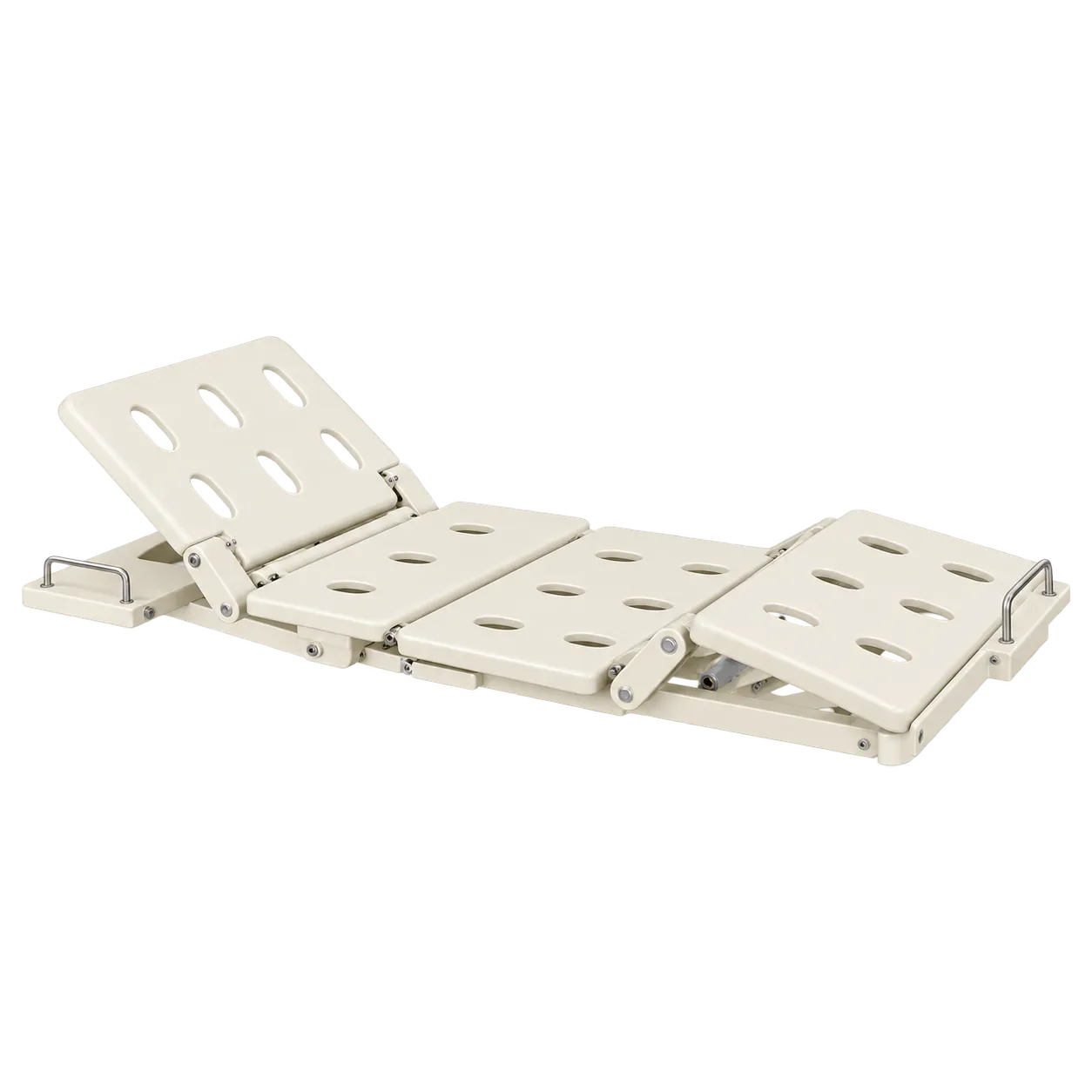
BS EN 50637:2017 sets out the population. It covers patients up to 155 cm tall and 70 kg, and adults below 146 cm, 40 kg or a BMI of 17. NatPSA/2023/010/MHRA expects such patients to be cared for on beds meeting it unless a reason is documented. Within that group, the DR-I gives tall enclosing rails for children who roll, climb or move in their sleep. Trendelenburg and reverse Trendelenburg support positioning, and electric and manual CPR flatten the deck in an emergency. The 600 to 960 mm range brings the child up for nursing, which matters under the Manual Handling Operations Regulations 1992.
The fit has limits. Young people beyond the standard’s size range need an adult bed. Assess a child’s size, bar spacing, and gaps between split rails together, since enclosed gaps under 60 mm are the standard’s entrapment threshold. Store the corded handset out of reach, with lockout used, because children explore cables and buttons. The 600 mm low point means rail height and climbing risk belong in the falls assessment.
NHS procurement routes and public tenders in other markets will ask for the device class, BS EN 50637 evidence and a declaration of conformity. The manufacturer issues the conformity documentation those procurement routes require, and the enquiry team shares it.