
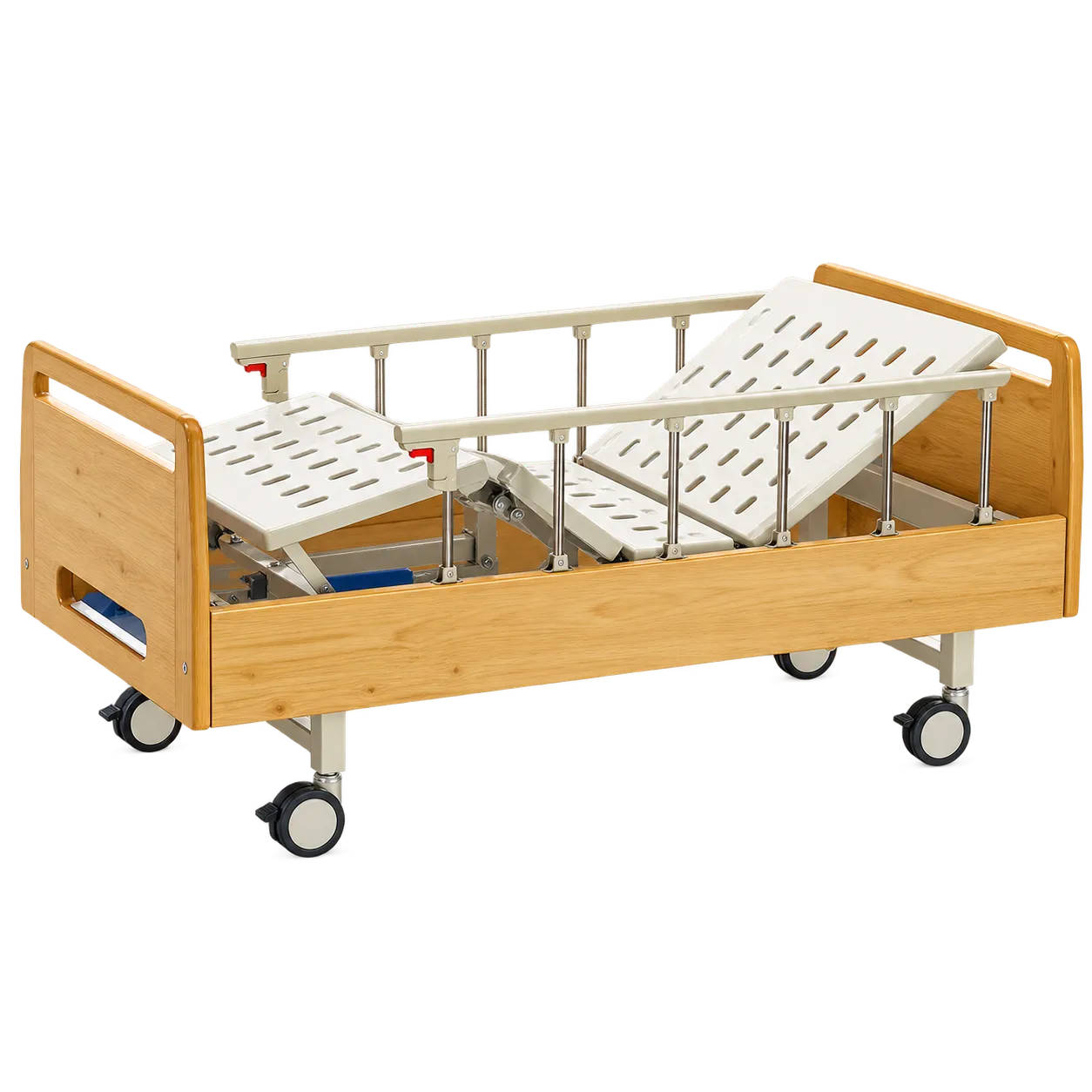
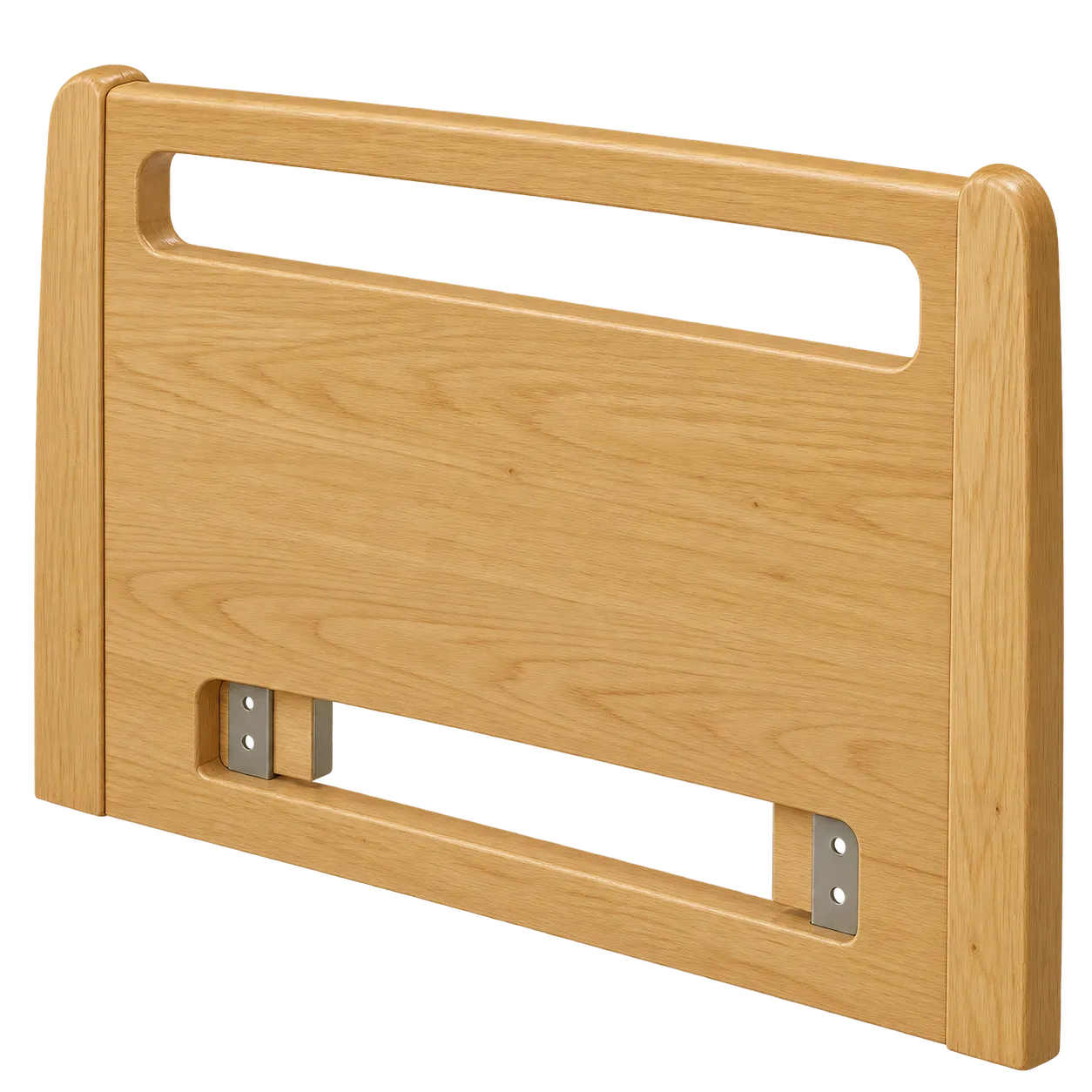


The DB-5 suits home care and small residential settings where people need to sit up and raise their knees but not to change bed height. That includes older adults recovering at home, people with long-term conditions who rest in bed for part of the day, and families caring for a relative at home. Its case is regulatory burden, stated plainly. A bed with no motors carries a shorter list of duties, and buyers should know exactly which duties remain.
Several regimes fall away. No electrical safety standard applies, no in-service electrical testing under IEC 62353, and no Electricity at Work Regulations duty. LOLER does not apply, because the bed lifts nothing, and HSE treats equipment loaned solely to an individual and unpaid family carers as outside work equipment during the loan.
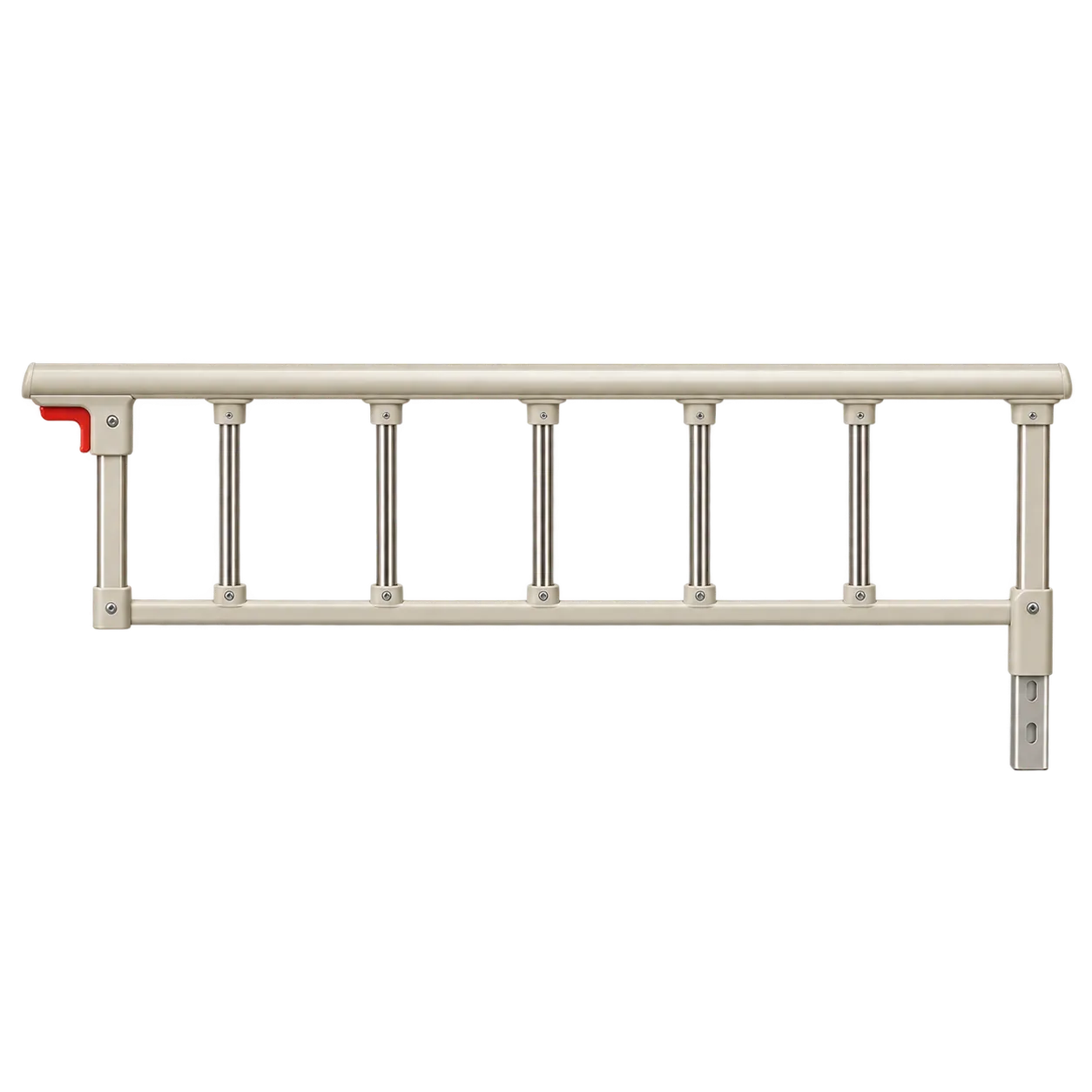
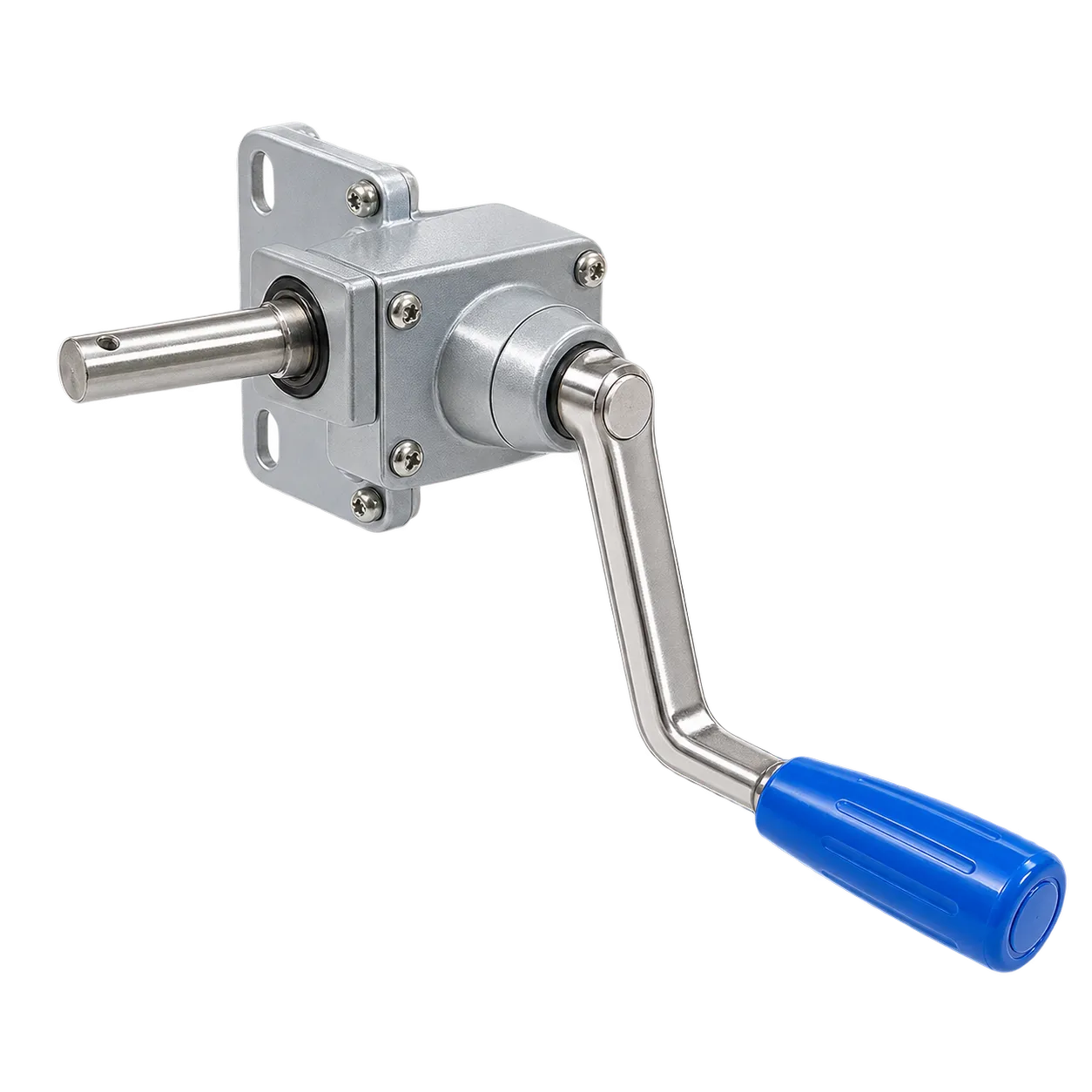
Other duties stay in place. The DB-5 is a medical device under UK MDR 2002, typically Class I, so the manufacturer’s declaration of conformity and instructions for use belong in the asset file. EN IEC 80601-2-52:2026 covers manual medical beds. MHRA bed rails guidance and NatPSA/2023/010/MHRA apply to the collapsible rails; BS EN 50637 applies for children and small adults, and PUWER 1998 covers employees who use it. Cranks, rail catches, and castor brakes still need planned mechanical checks. The fixed 500 mm height leaves carers working at one level, so the moving and handling assessment should plan around that, and so should any falls assessment.
Community equipment services, NHS procurement routes and overseas tender boards will each ask for the device class and the declaration before purchase. The conformity documentation those procurement routes require is issued by the manufacturer and shared by the enquiry team.