
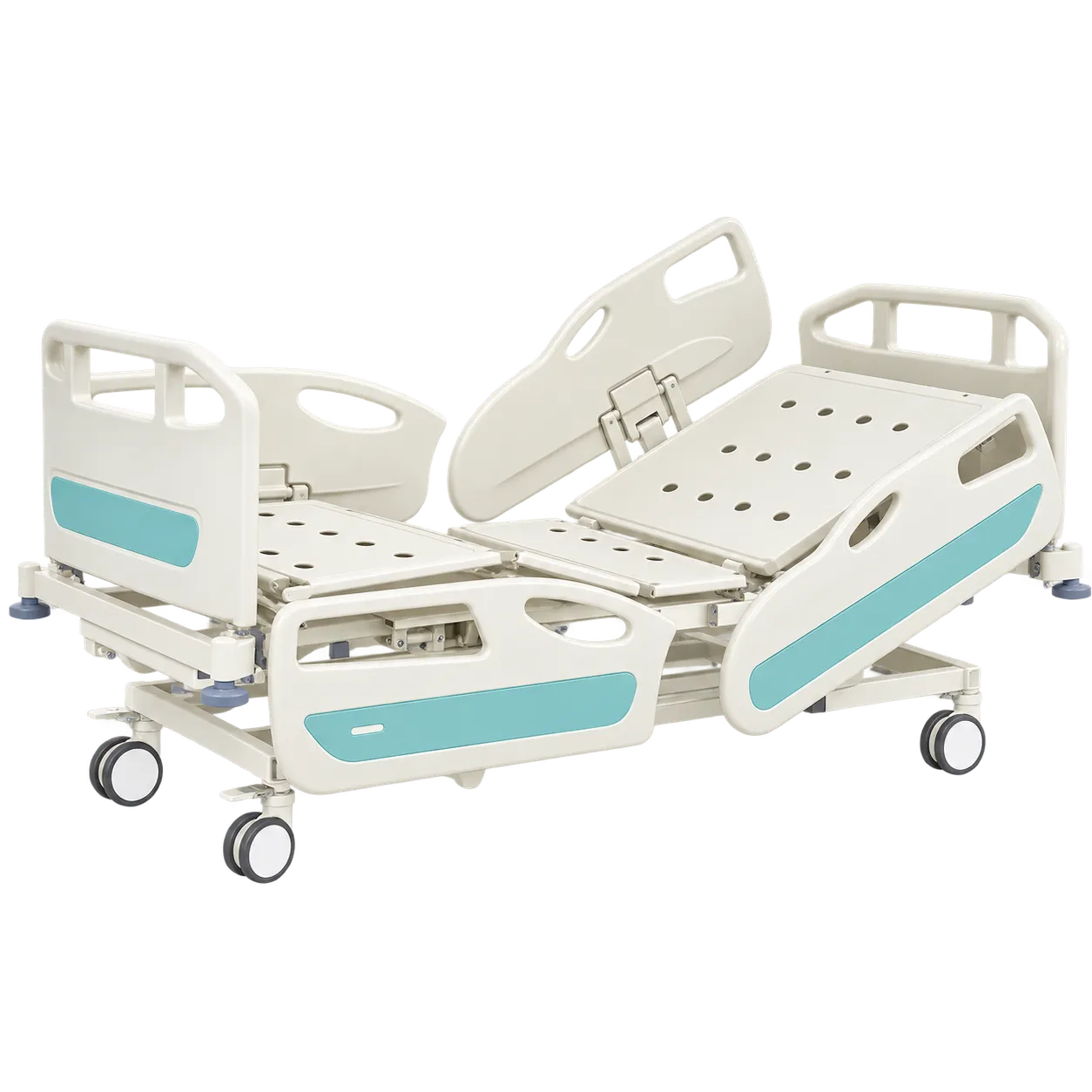


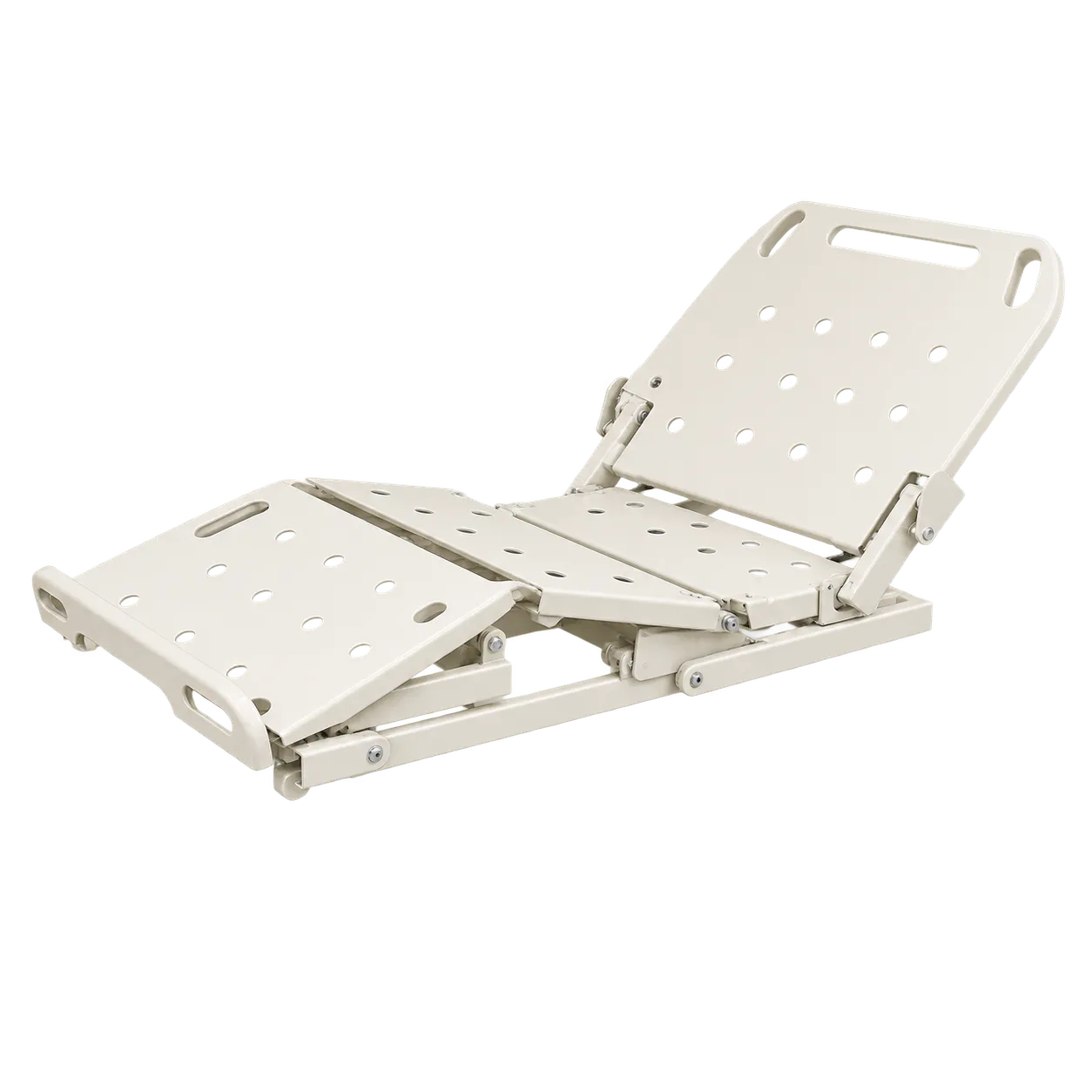
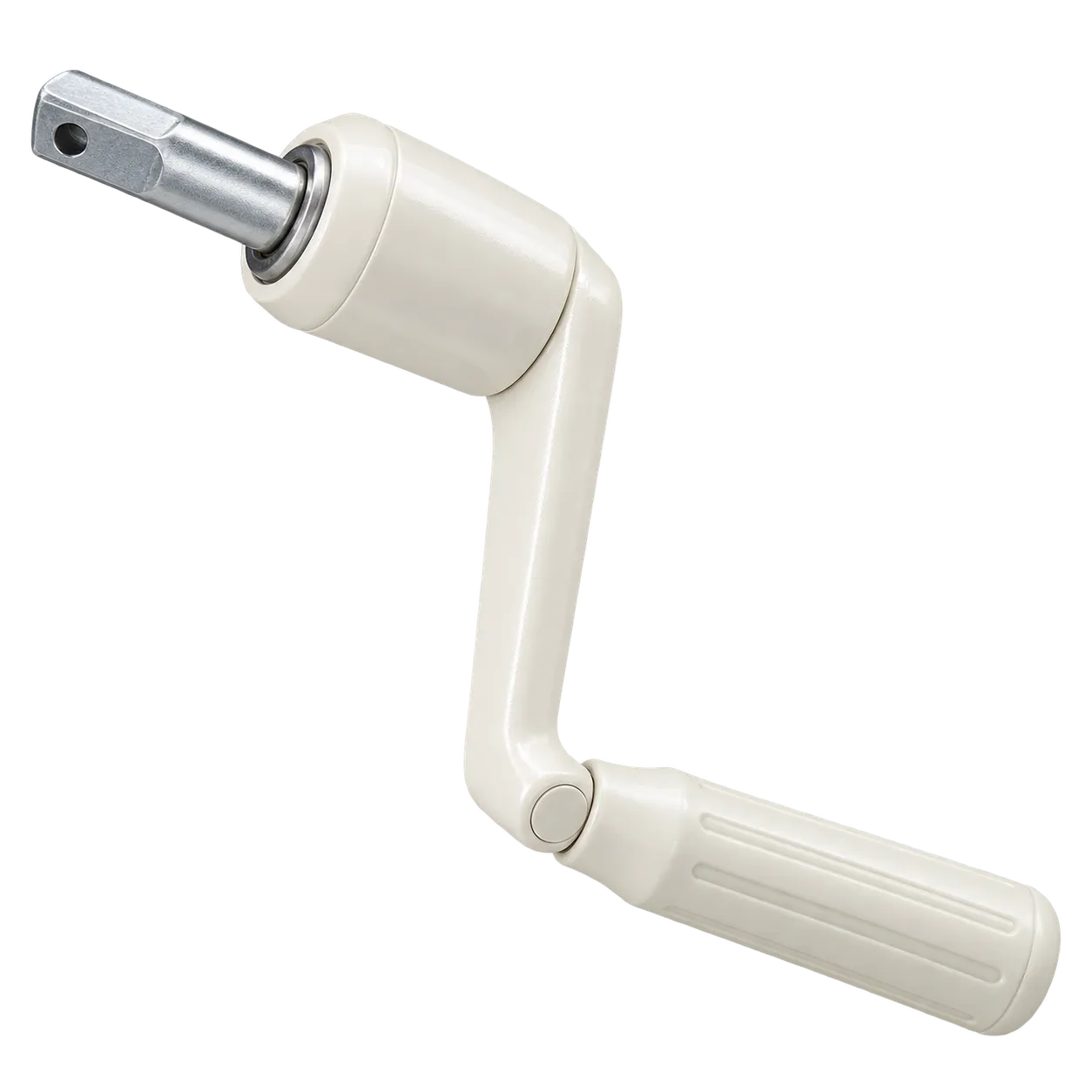
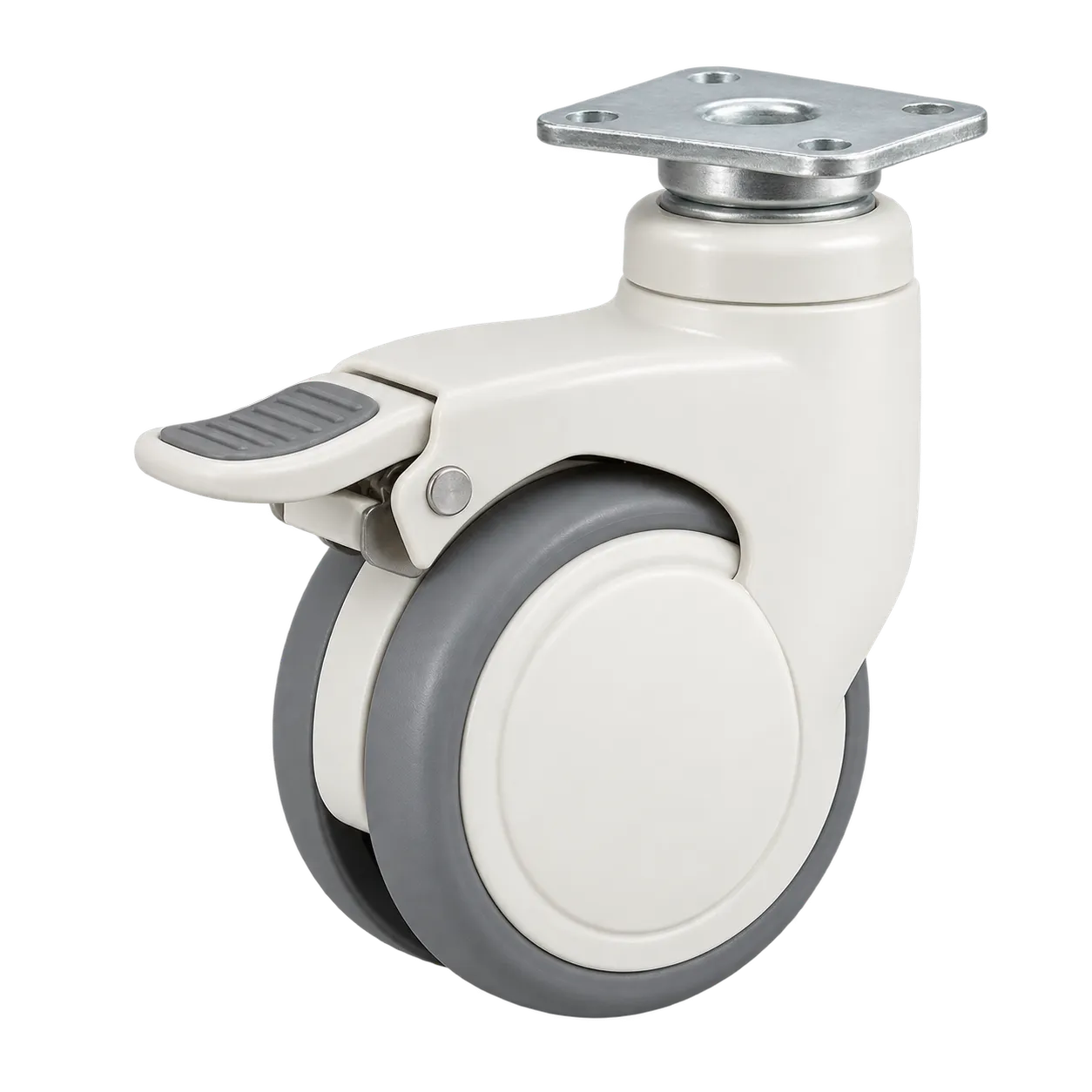
Homecare, community hospitals and quieter general wards are where a full-fowler manual bed fits best. The back and knee sections let a patient sit up for meals, visitors and breathing with the knees supported, and the cranks work without power, so the bed can go anywhere the doors allow. Staff adjust it by hand, which suits settings where patients do not need to change position often. Homecare packages should record the mattress supplied with the bed in the care plan.
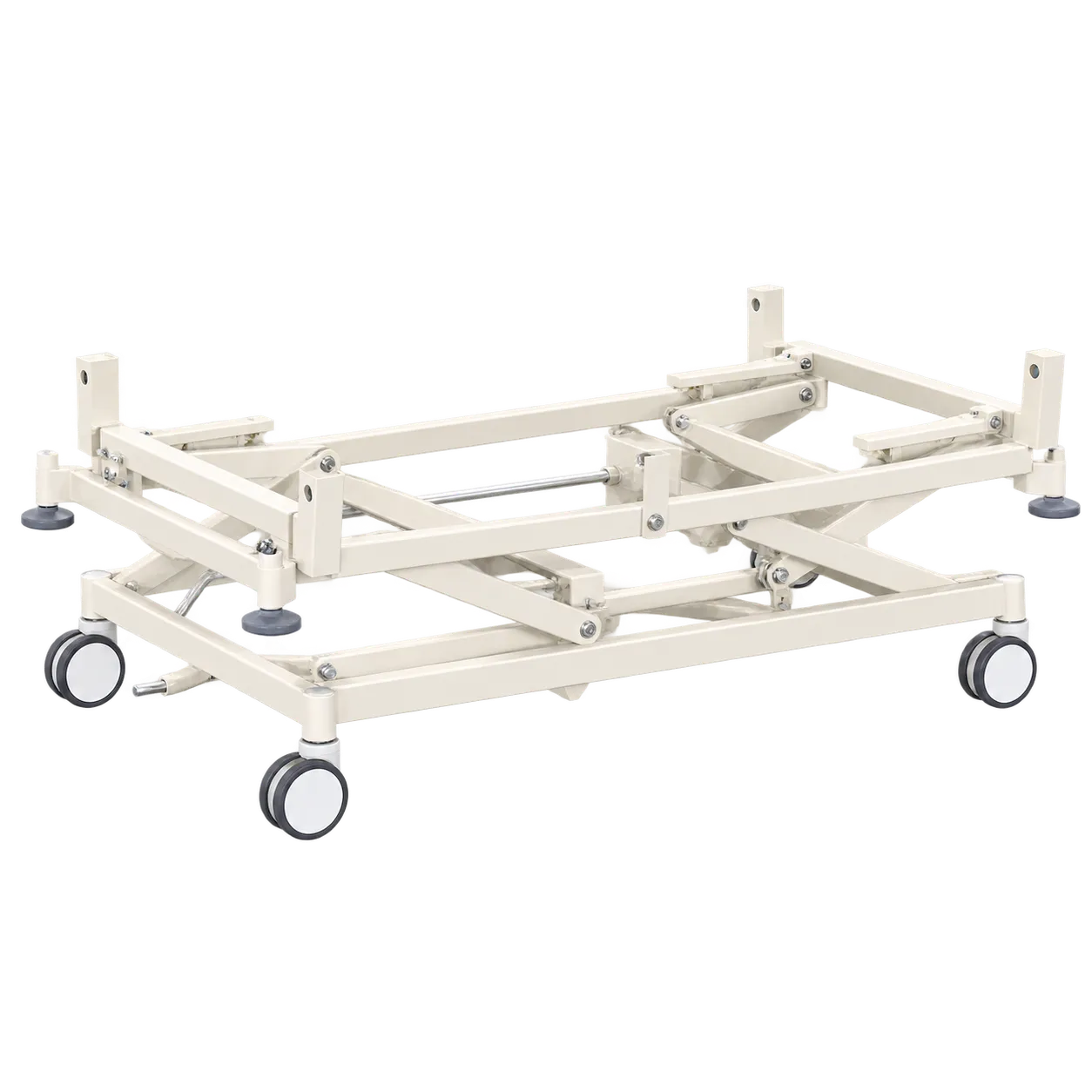
The fixed height shapes every allocation. The mattress fitted on top sets the patient's sitting height, the carer's working height and the effective rail height, so the pairing should be decided with the person in mind. Someone who needs to get out of bed independently benefits from a lower sitting height and a thinner mattress; someone at elevated risk of pressure damage may need a deeper, pressure-relieving surface, which raises everything and shortens the rails.
Pressure care is where the pairing matters most. NICE recommends a high-specification foam mattress as the first-line device for adults at elevated risk, with a dynamic surface where that is not enough. A dynamic mattress still needs a socket for its pump, and any mattress must flex at the back and knee joints.
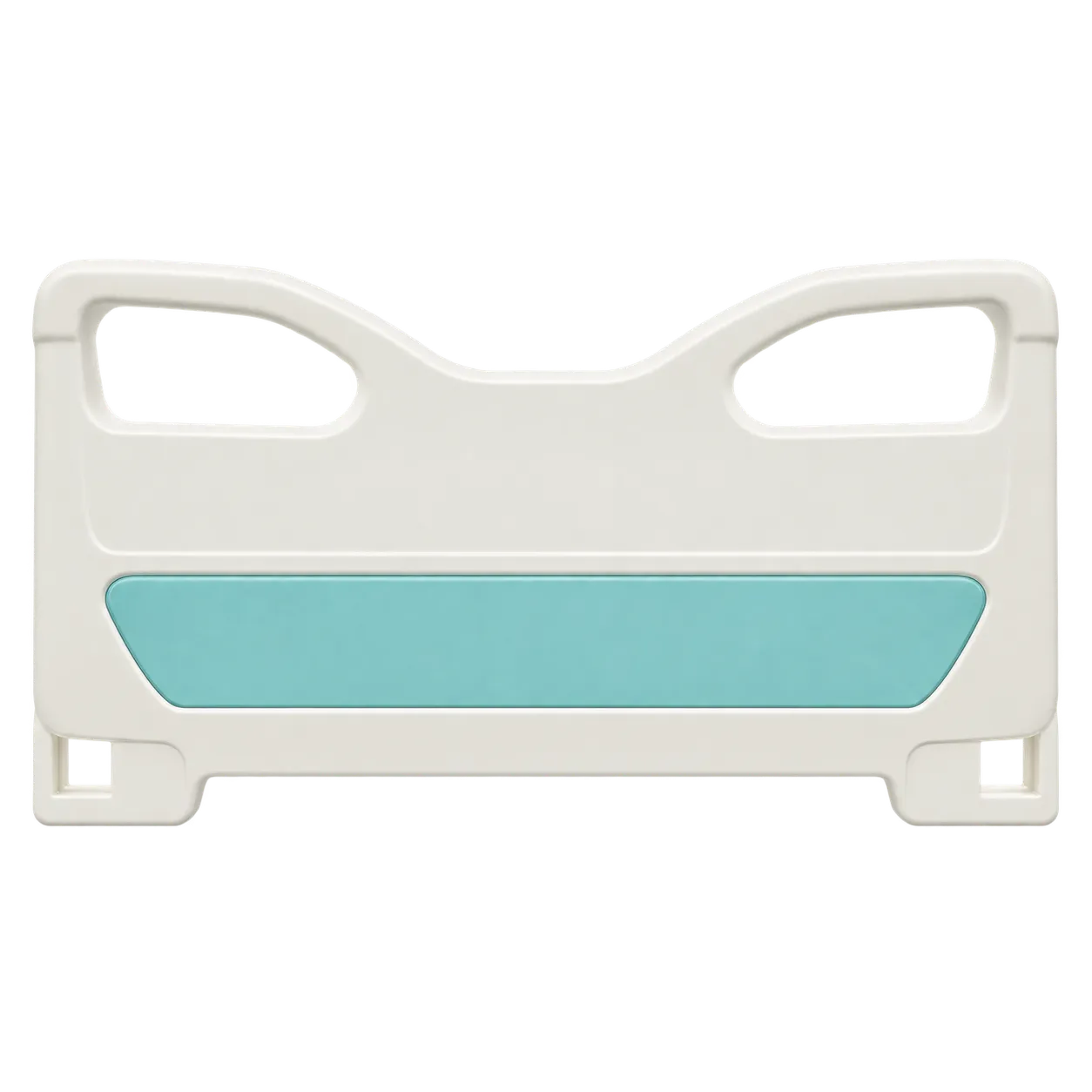
The bed is not a specification for patients who need frequent height changes, for settings where staff do a great deal of hands-on care, or for children, who fall under a separate standard. Its rails bring the MHRA's 2023 National Patient Safety Alert on entrapment and falls into every allocation, with the chosen mattress fitted. Procurement will ask for the legal manufacturer, the standard used, the safe working load and rail heights. The conformity documentation those procurement routes require is issued by the manufacturer and provided by the seller.