
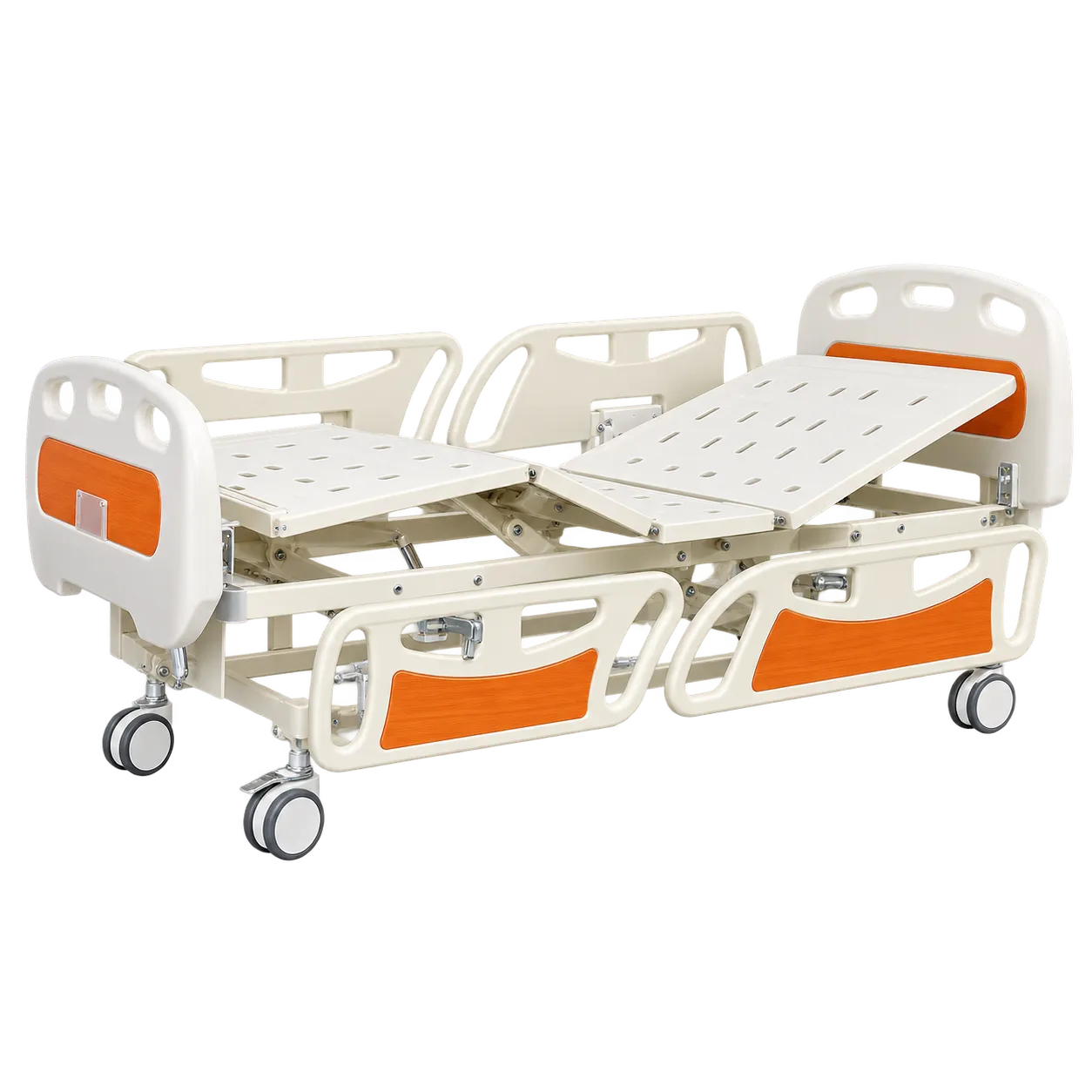

Rehabilitation and step-down units are the clearest fit for the B-3. Patients there work toward independence, and the bed supports rest and sitting up while therapists help them stand, transfer, and walk. A two-crank bed with no height range suits that stage, because the heavy handling that a height range serves has largely passed.
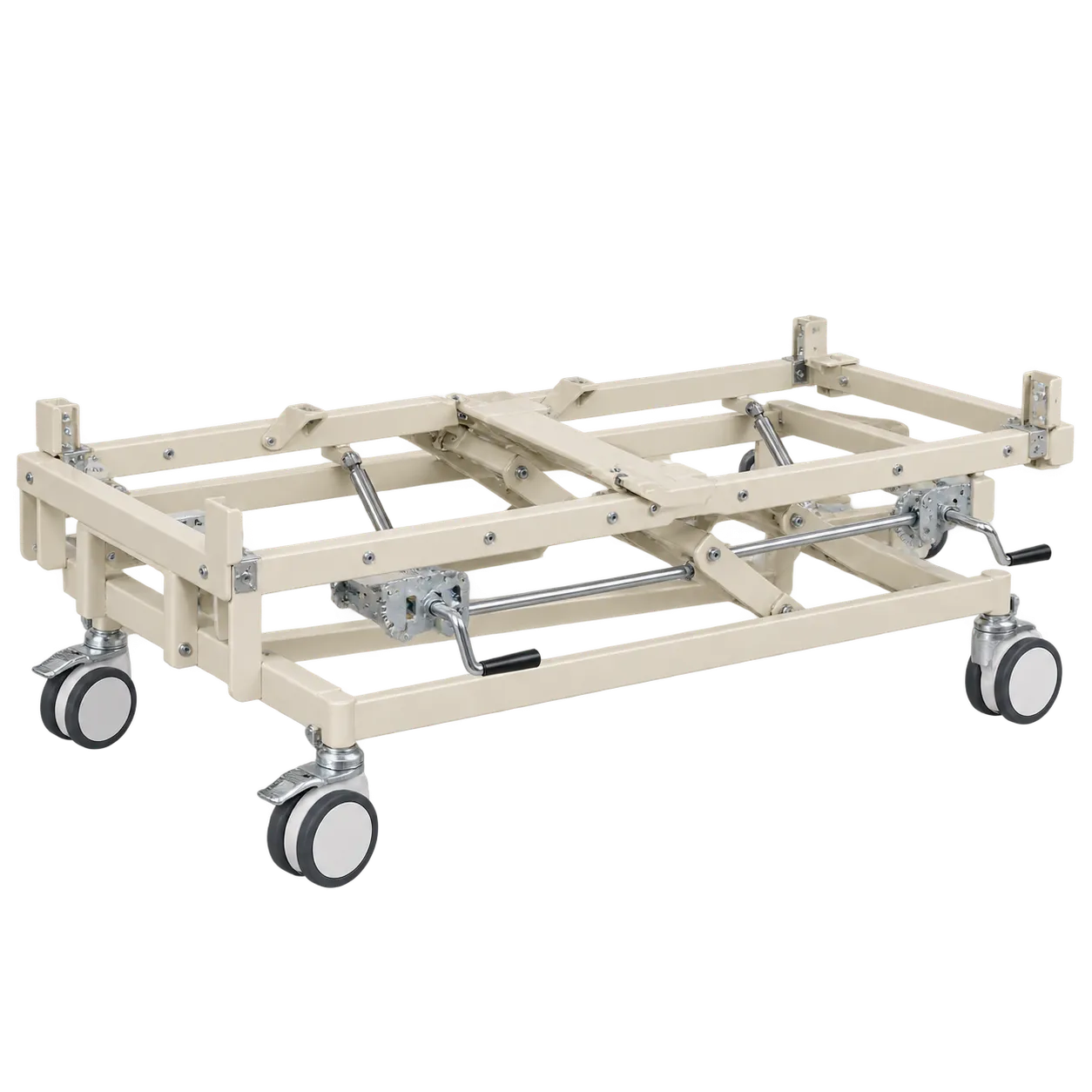
Respite care is a second fit. Short stays for people who normally live at home call for a bed that is familiar and simple, supports sitting up for meals and visitors, and does not encourage the resident to stay in it all day. Two cranks and no handset keep it easy for rotating staff to use.
The third is for residential and long-term care residents who still walk. Sitting up in bed for breakfast, reading, or conversation is part of the day, and getting up afterwards is the goal. Evidence on bed rest in older adults shows how quickly muscle is lost when people stay lying down, so the bed works best alongside a routine that gets residents up and moving.
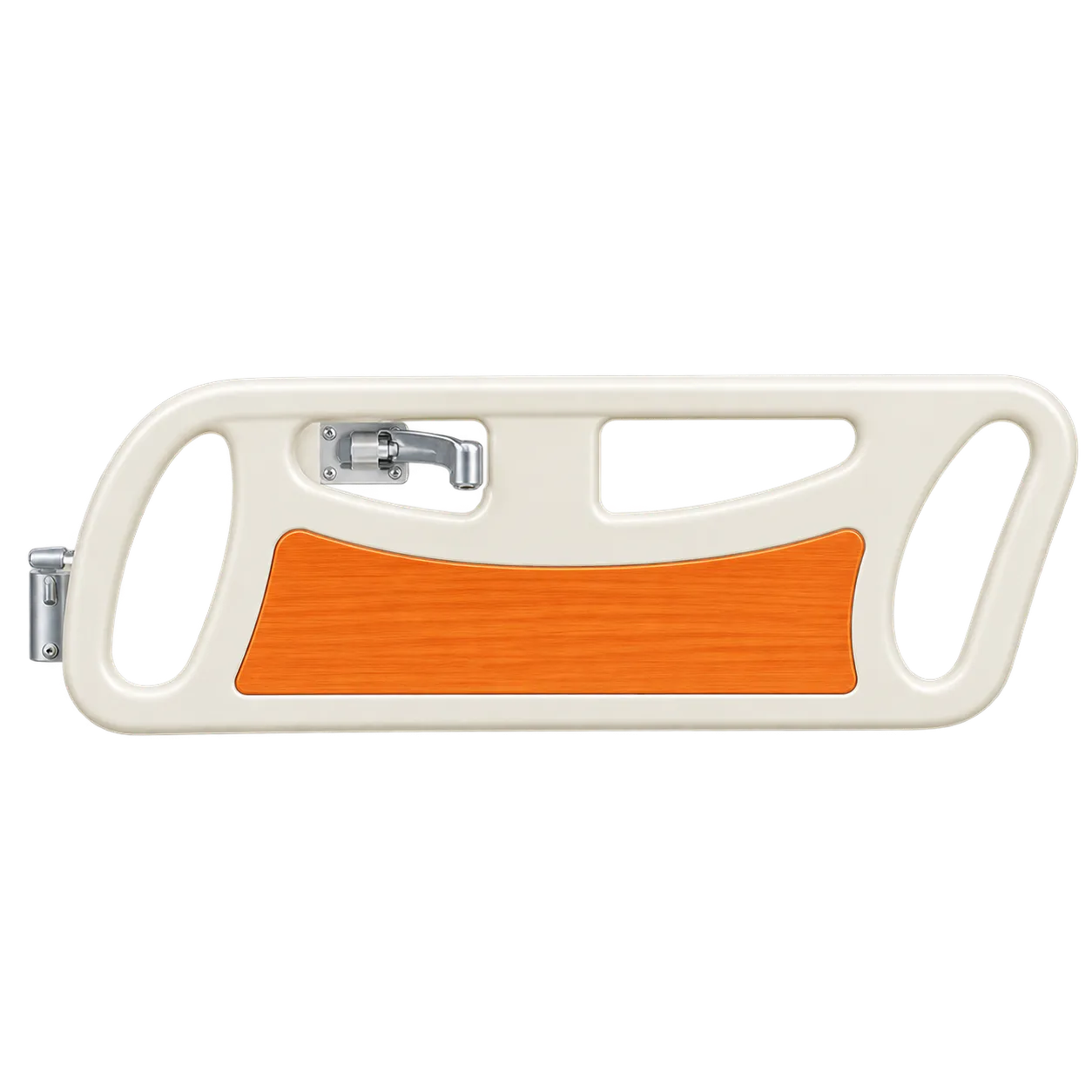
Where rails are fitted, MHRA guidance governs their assessment, fitting and maintenance, and for many mobile residents that assessment will conclude that rails are not needed.
The B-3 is a poor fit for dependent patients needing frequent bedside care or assisted transfers, for children, for bariatric residents without a published load rating, for residents too short to stand from its height, for anyone at high risk of falling from bed, and for care requiring head-down tilt.
Public procurement routes, including NHS frameworks and equivalent tenders elsewhere, ask for the declaration of conformity, the standard edition tested, and the device class. The conformity documentation those procurement routes require is issued by the manufacturer and provided by the seller.