
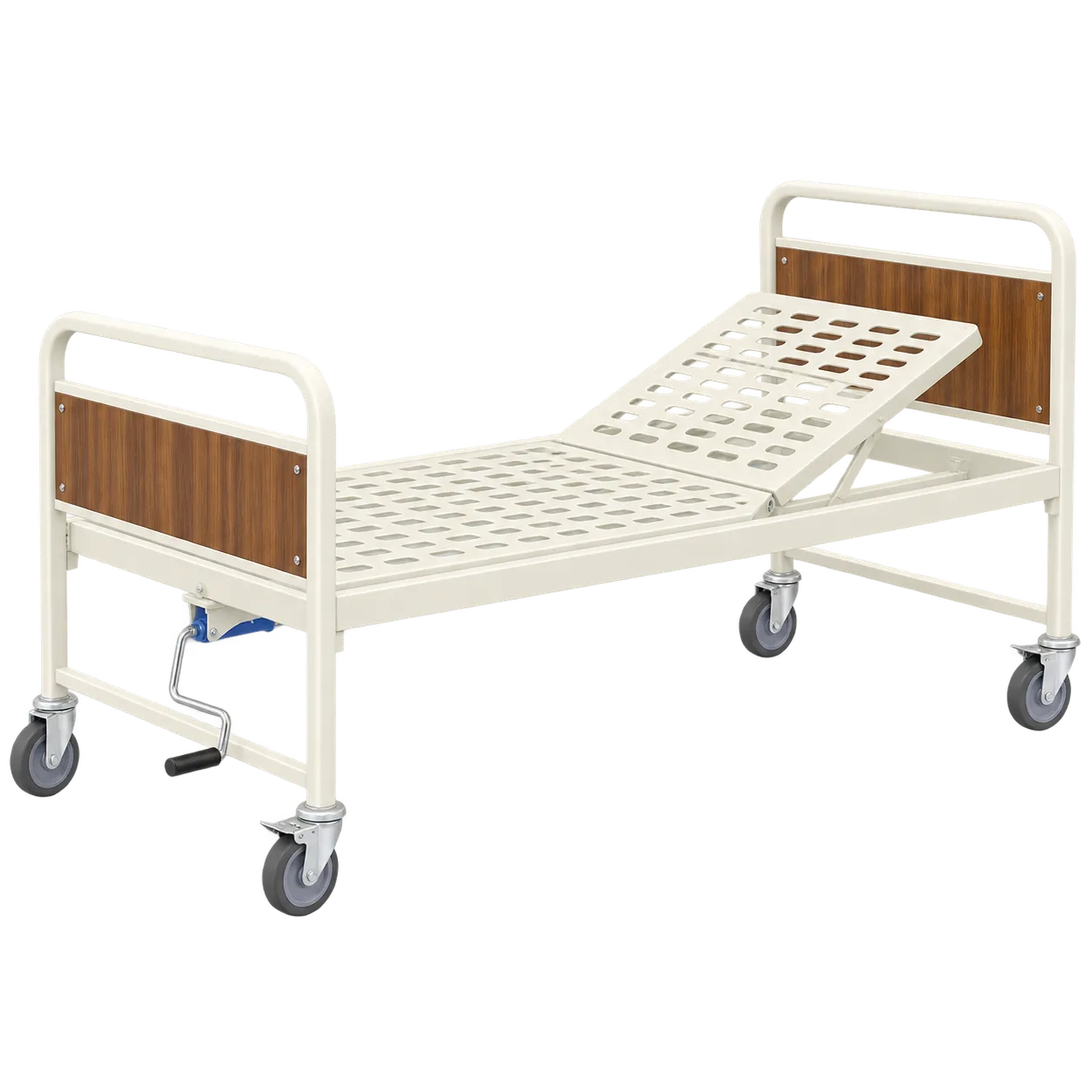

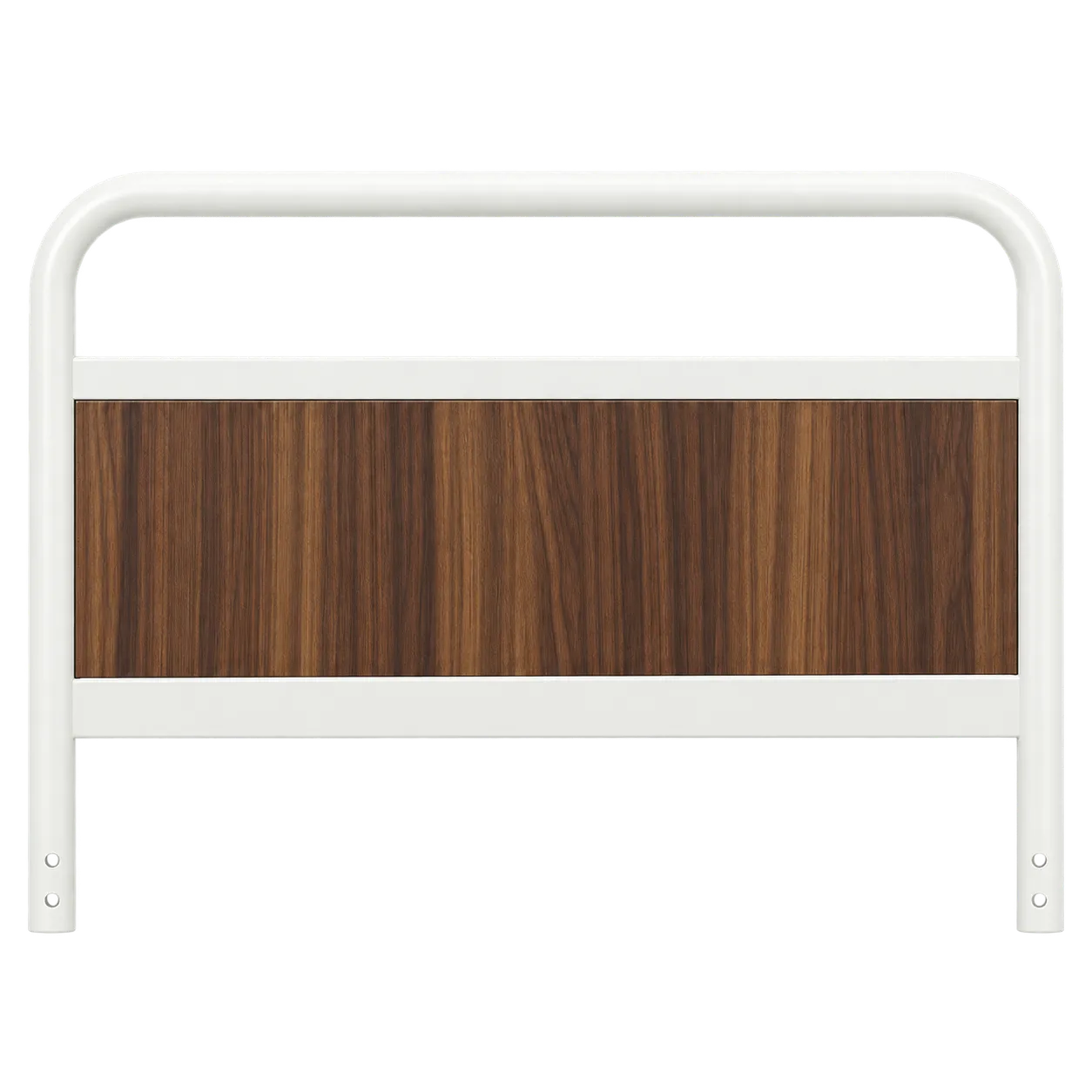

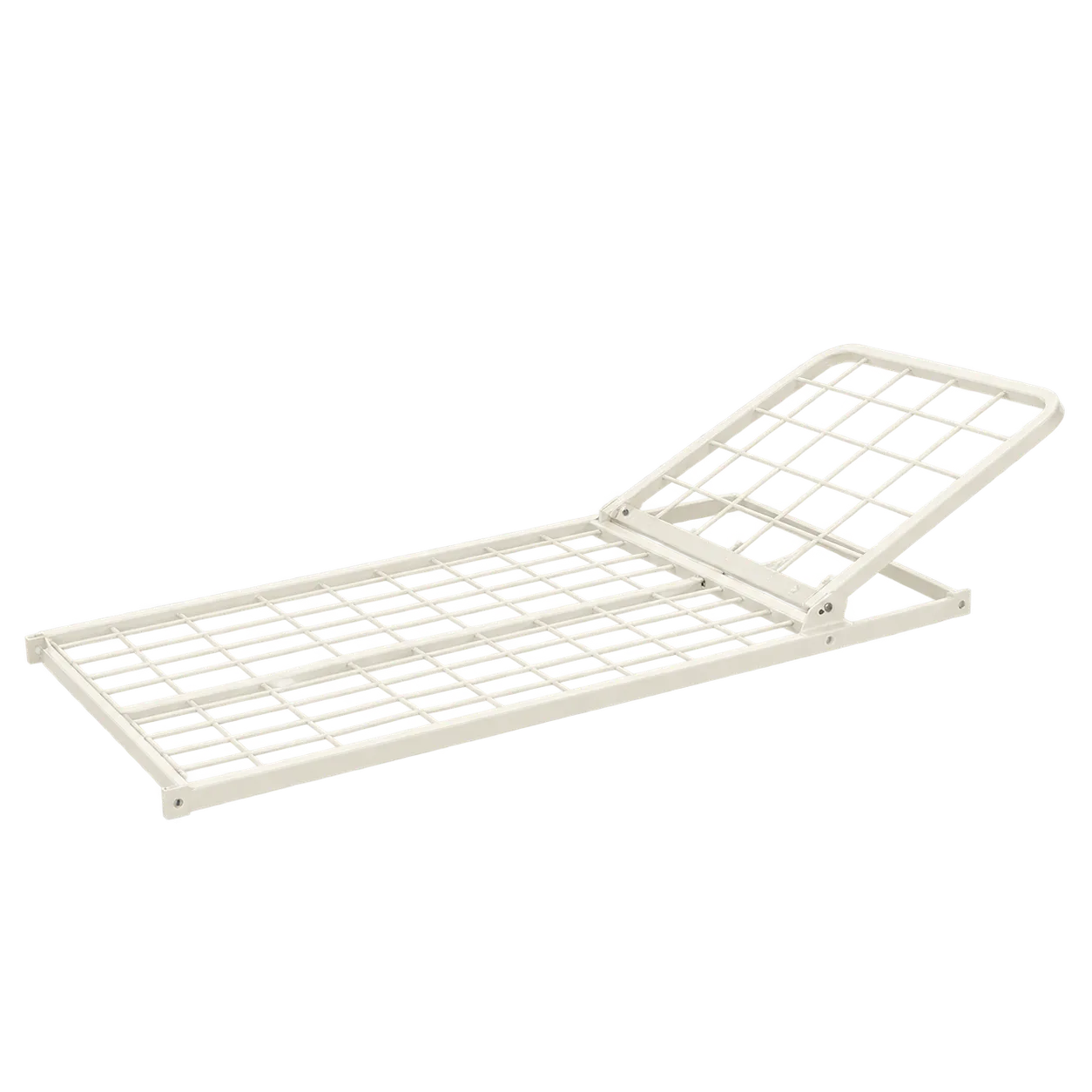

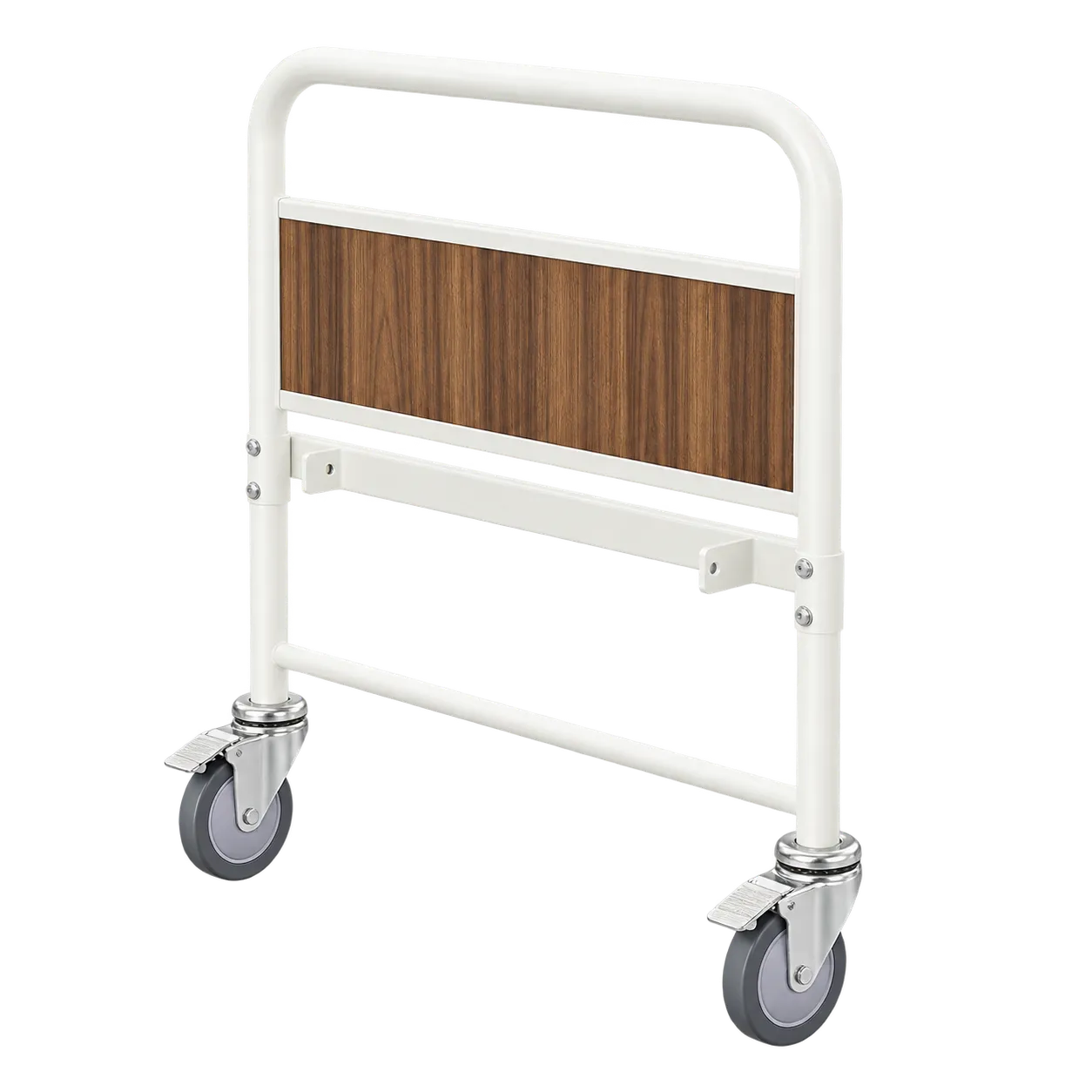

The B-18 suits people who are largely independent and want a bed that feels like their own: home placements, supported living, residential care, hospice rooms and rehabilitation flats where patients practise moving in and out of bed. Tall adults gain a 2000 mm lying surface, and families gain a bed that does not turn a bedroom into a ward. Its case is patient experience and dignity. A furniture-style frame without rails lets a capable person come and go as they would at home.
That freedom sits inside a clear framework. Bed rail policies across NHS trusts state that rails must never be used to restrain a patient or prevent them from leaving bed, and they require the decision to be discussed with the patient and documented. Where capacity is in doubt, the Mental Capacity Act 2005 applies, and the best-interests checklist asks whether safety can be maintained in a less restrictive way. For patients assessed as safe to move independently, a bed with no rails is that less restrictive way.
The same assessment identifies who should not have this bed. People at risk of rolling or falling out need measures this frame lacks, such as rails, a low platform or bed-exit alarms, and the fixed 525 mm height offers no low position. With no knee break, patients sitting up for long periods slide toward the foot end and need repositioning, so the bed suits short spells sitting up for meals and visits.
NHS procurement routes, and public purchasers in other markets, require a device class and a declaration of conformity. The manufacturer issues the conformity documentation those procurement routes require, and the enquiry team shares it.