
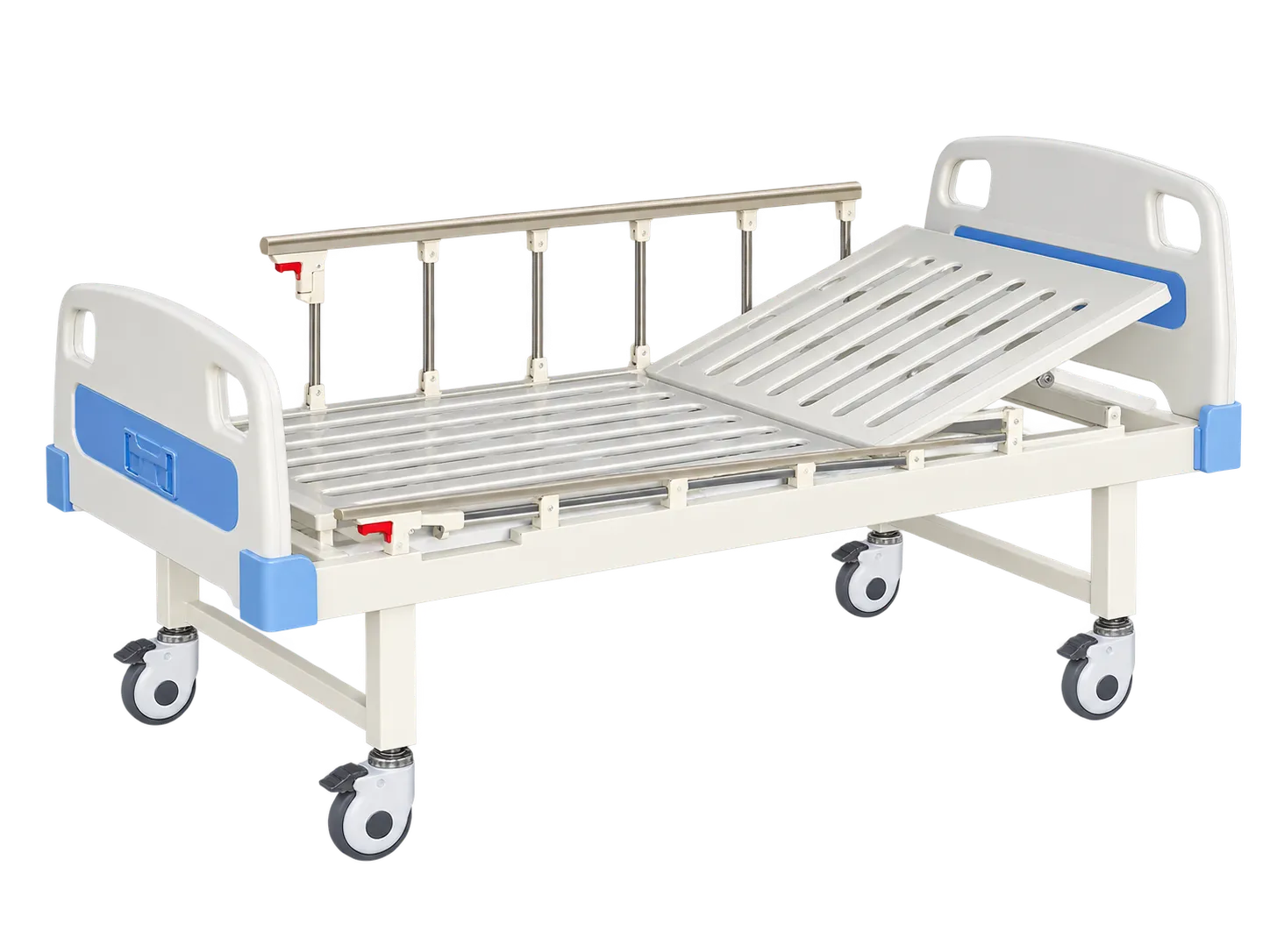
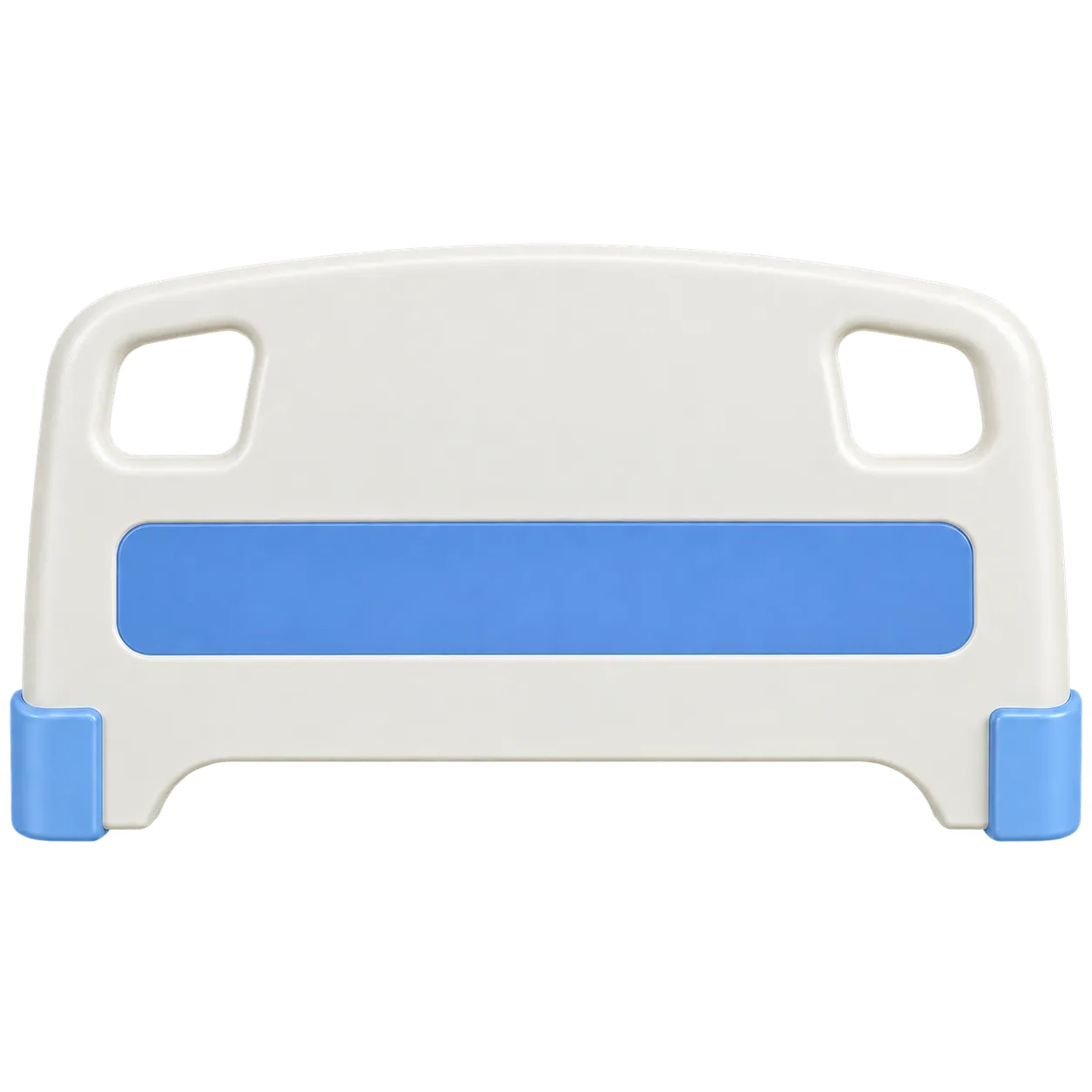


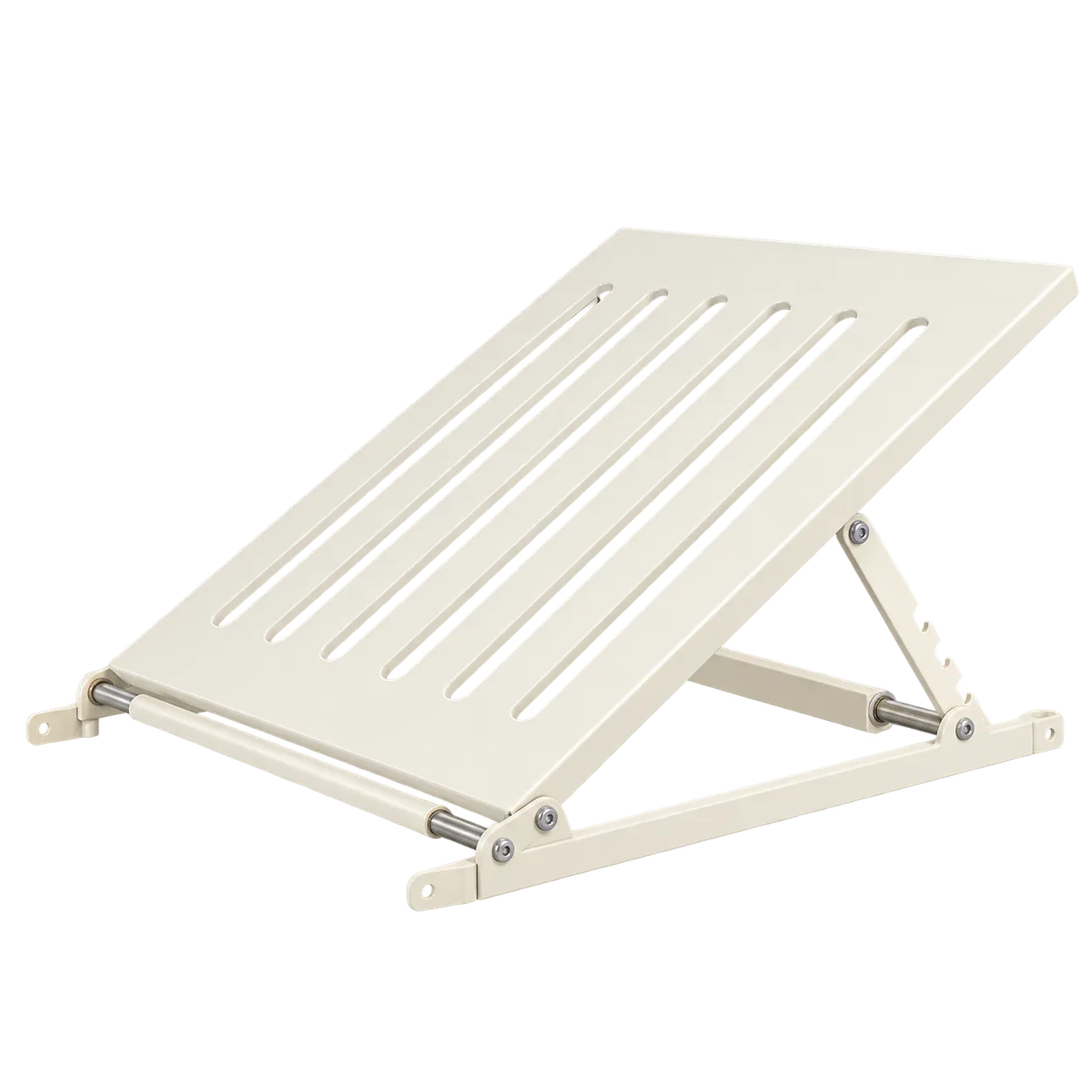

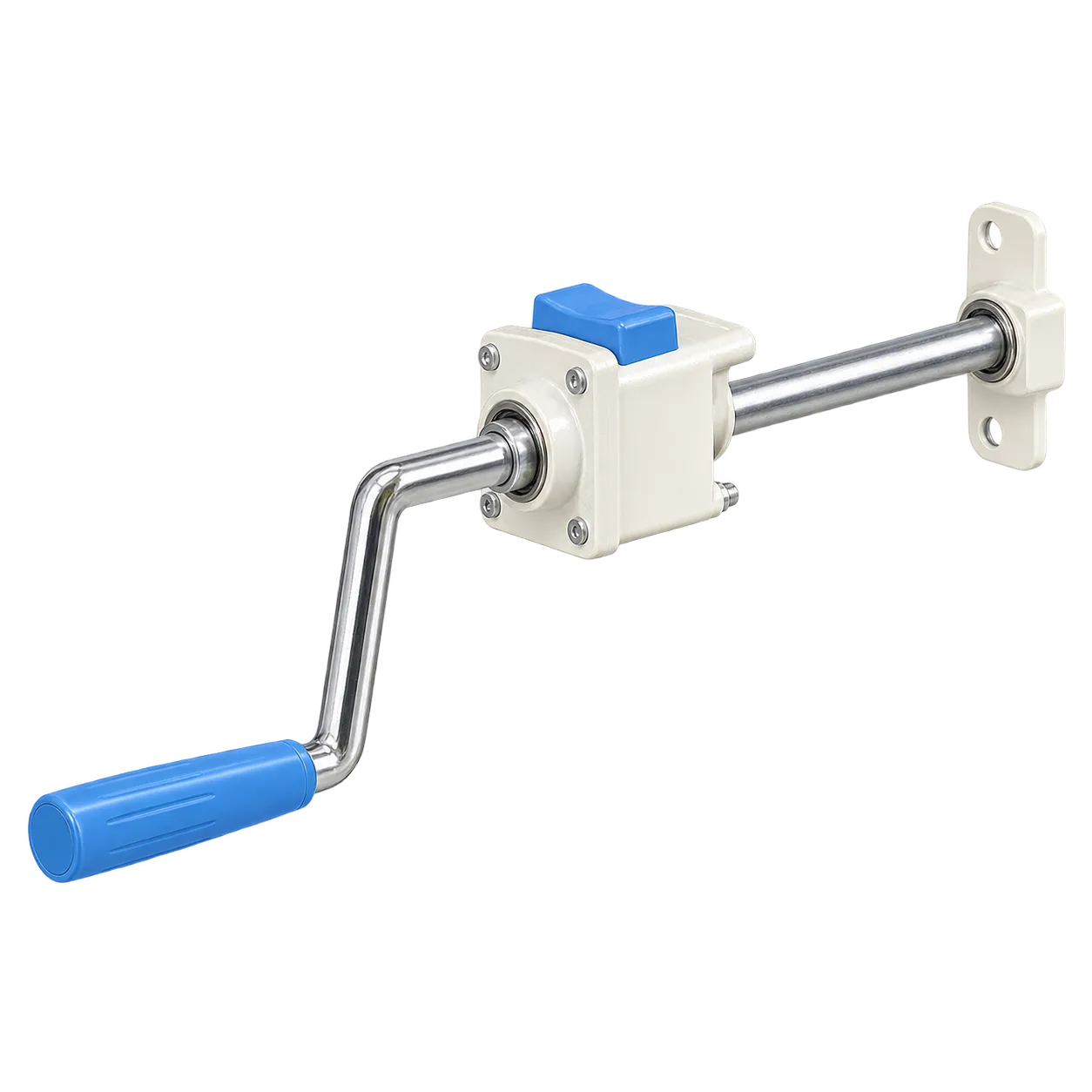
The B-16 fits areas with high staff turnover and patients who lie flat most of the time: short-stay and day-case wards, observation and recovery bays, emergency overflow, clinics, and surge or field facilities staffed by agency teams. Its case is labour economics. The bed makes training almost free and enables more frequent repositioning, and the balance between the two decides where it belongs.
Training is where it gains. With one crank and one moving section, a new carer can use the bed correctly after a single demonstration, and there is no handset to misuse or function to select by mistake. That matters most where rotas lean on bank and agency staff who may meet a bed once.
Repositioning is where it costs. NICE's pressure ulcer quality standard expects adults at risk who cannot move themselves to be helped to change position at least every 6 hours, or at least every 4 hours at high risk. On this frame, sitting up adds moves of its own, because a level leg section lets the body slide toward the foot end each time the backrest rises. Moving a patient back up the bed is a manual handling task that often takes two carers and slide sheets. Planning where the bed goes is really planning how much of that work each patient will generate.
The fixed 500 mm height adds its own handling consideration for long bedside tasks, and there is no low position for falls. NHS procurement routes, and public purchasing in other countries, expect a device class and a declaration of conformity. The conformity documentation those procurement routes require is issued by the manufacturer and shared by the enquiry team.