

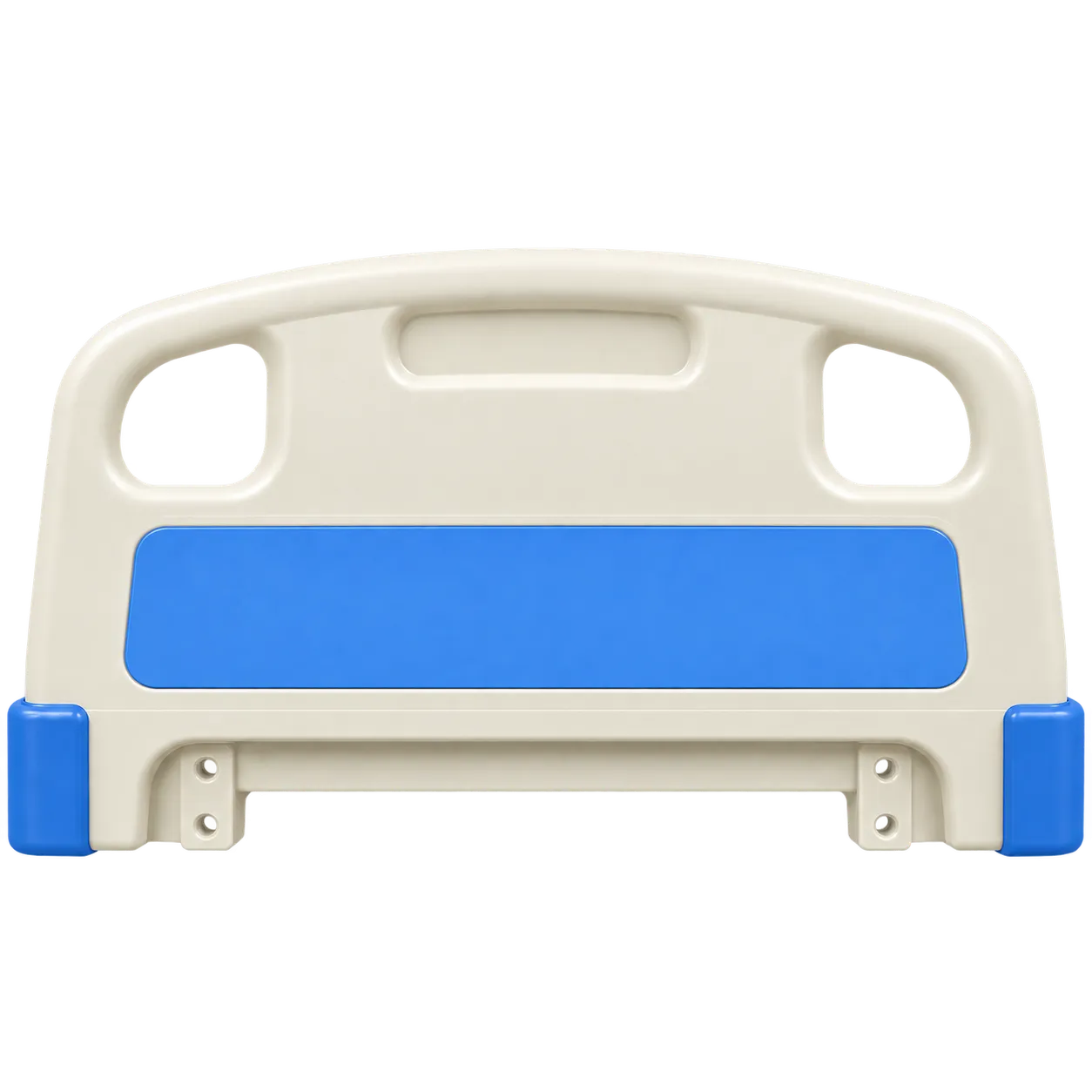

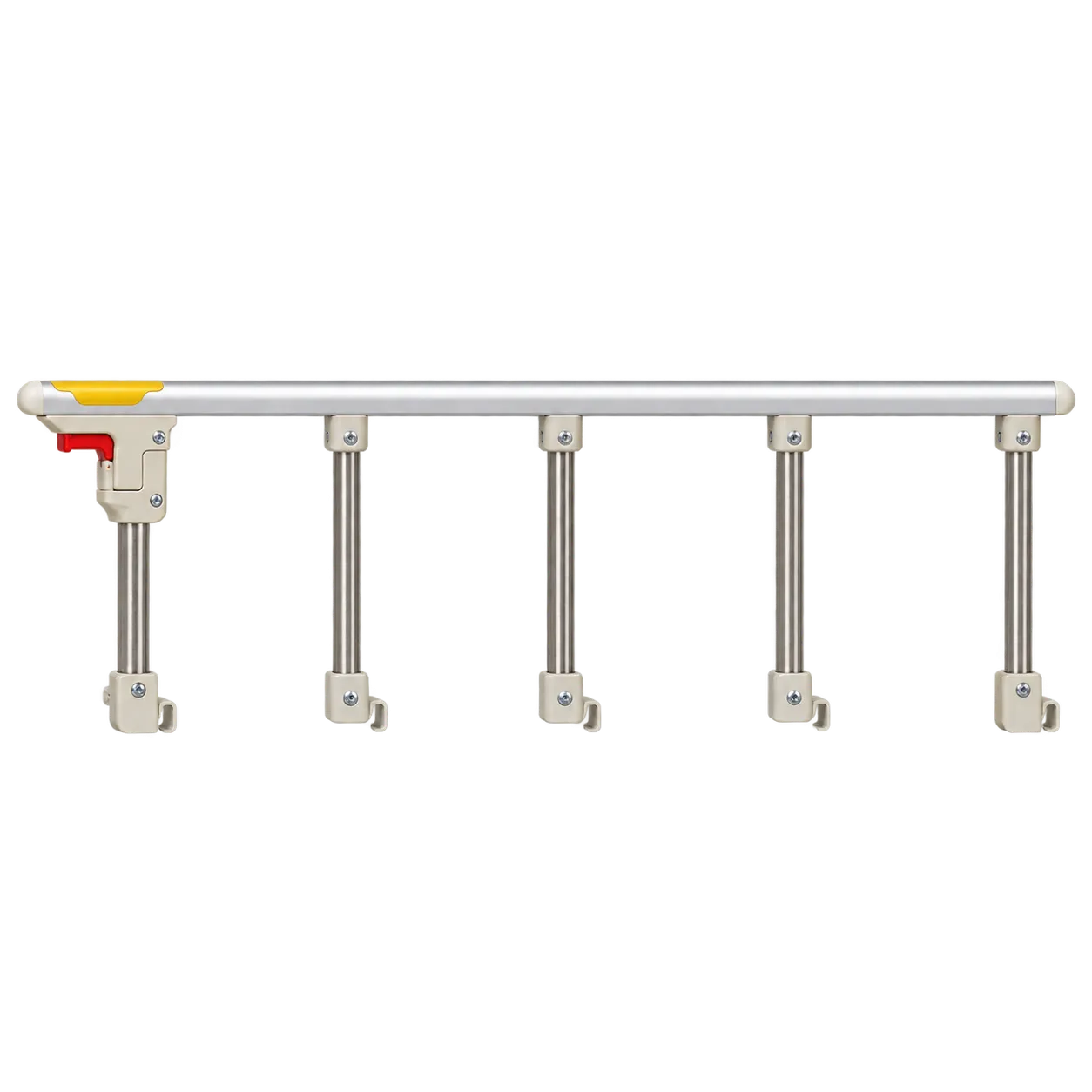

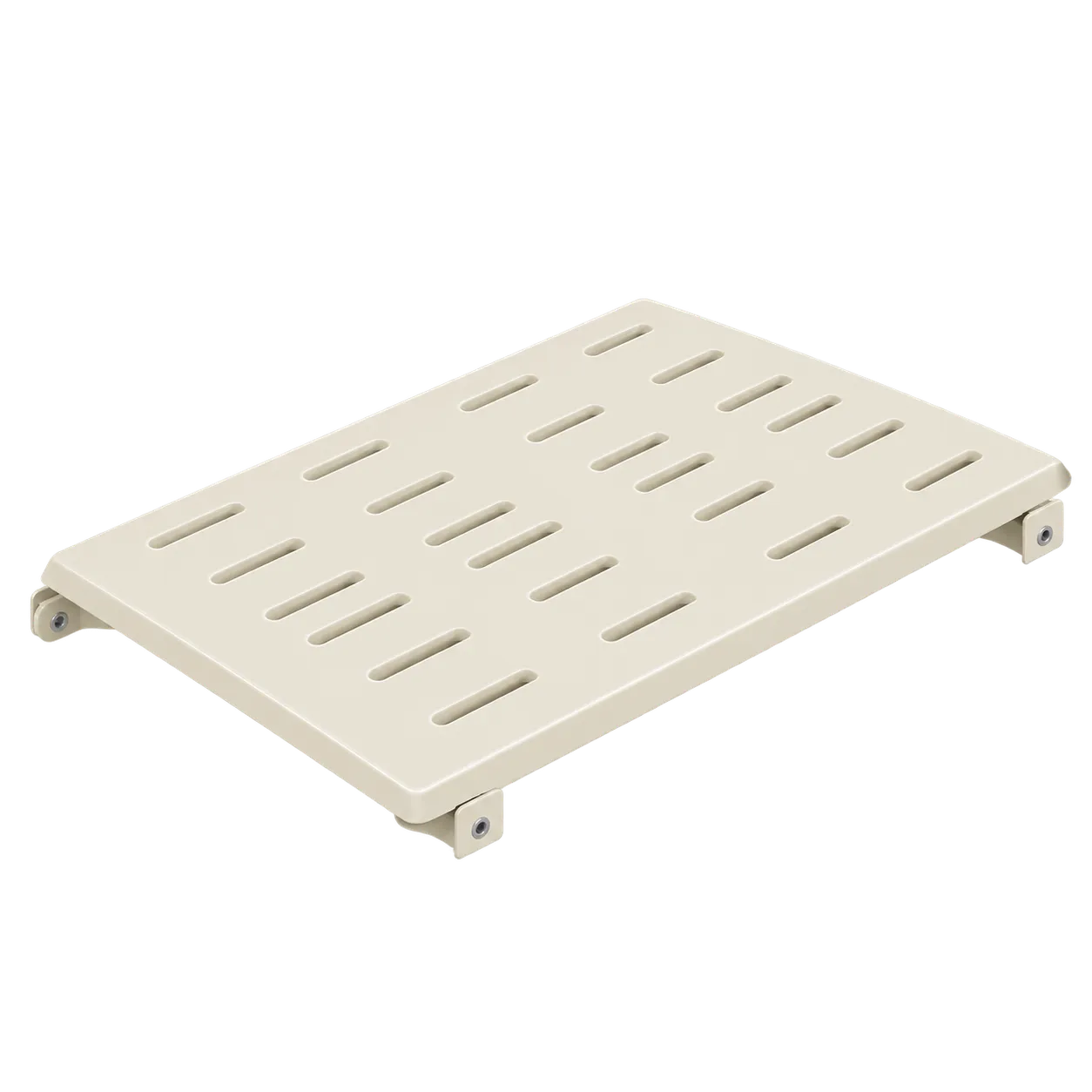
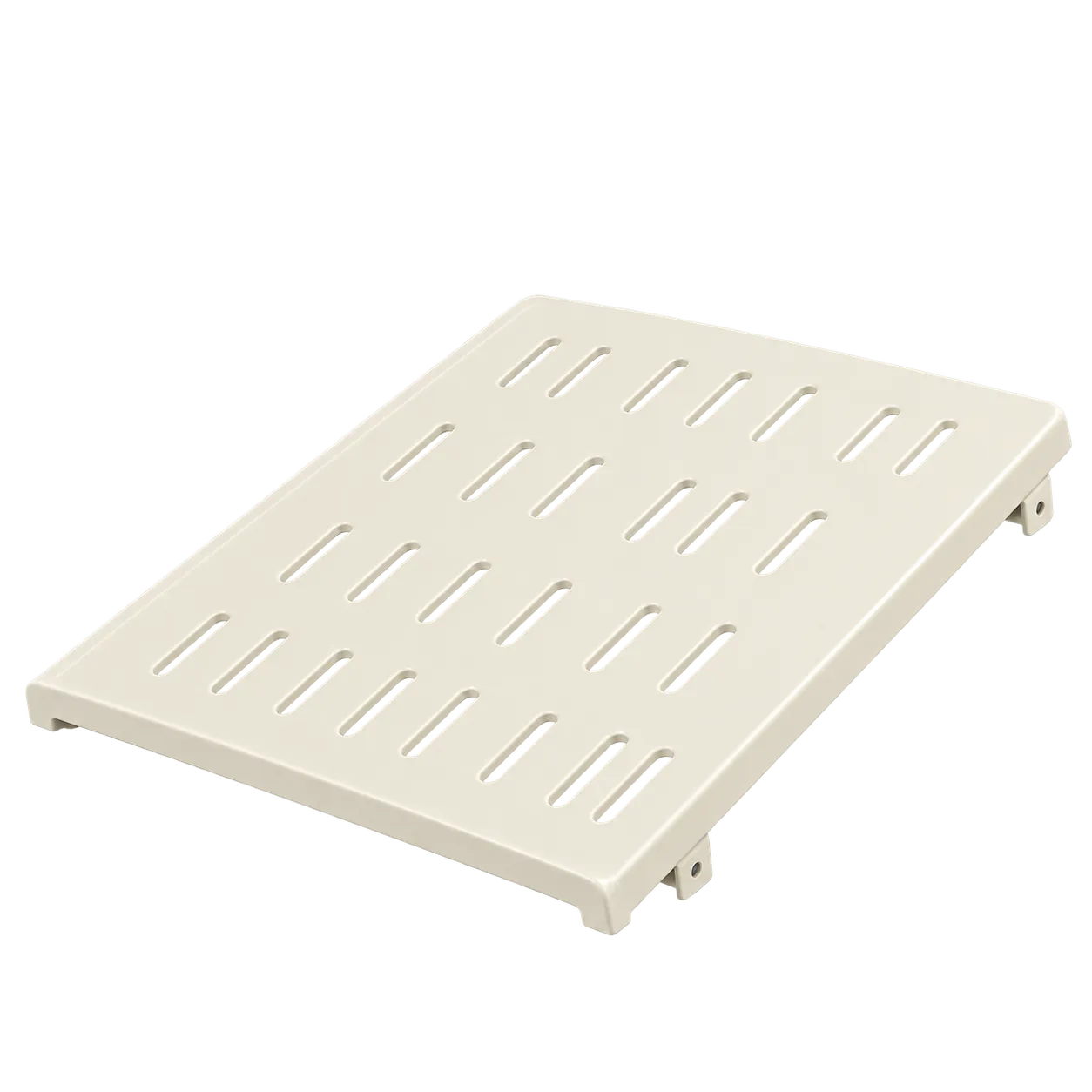


The B-12 suits settings where a bed's own hazards need to be few and visible: mental health and dementia units where powered controls invite misuse, care homes with residents who wander or fidget, rehabilitation bays, general wards, and community placements. Its argument is risk transfer. The frame removes every failure mode that depends on a motor or a supply, so the risk assessment can focus on what remains.
Those remaining hazards are serious. The National Patient Safety Alert issued in 2023 recorded 18 deaths and 54 serious injuries reported to the MHRA between 2018 and 2022 involving medical beds, bed rails, trolleys and associated equipment. It required documented risk assessments for everyone using bed rails, staff training, and review of equipment used by children and adults of atypical size against BS EN 50637. A manual frame changes none of that, because rail entrapment comes from gaps between rail, mattress and frame and not from a motor.
What the frame does change is the speed and source of movement. A section raised by hand moves only while a carer turns the crank and watches the patient, so the carer can see a trapped hand before the section closes on it. The trade-off is the fixed 500 mm height. Patients at high risk of falling from bed cannot be lowered close to the floor, and the risk assessment needs other measures for them or a different bed.
NHS procurement routes, and public purchasing elsewhere, look for a device class and a declaration of conformity. The conformity documentation those procurement routes require is issued by the manufacturer and shared by the enquiry team.