

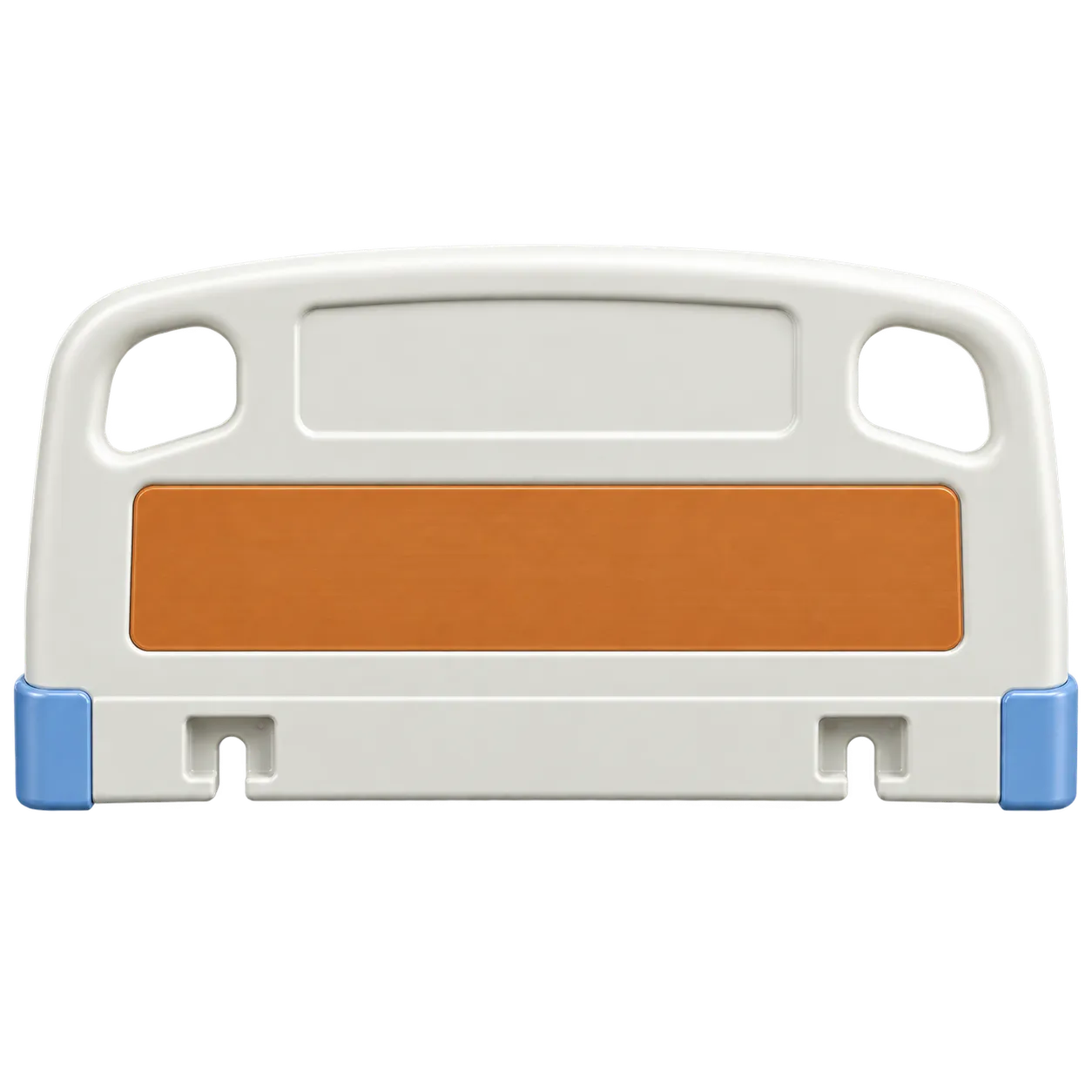
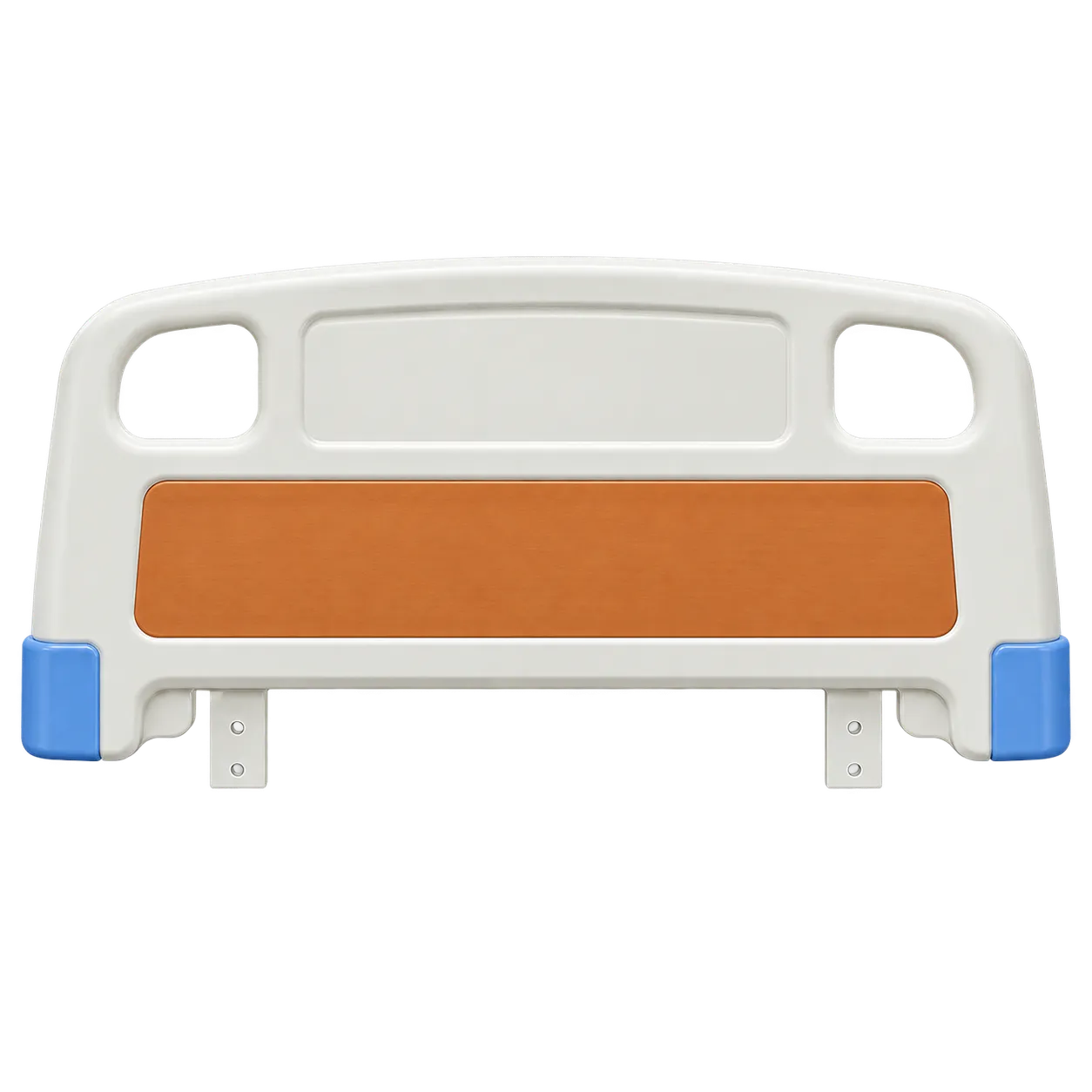
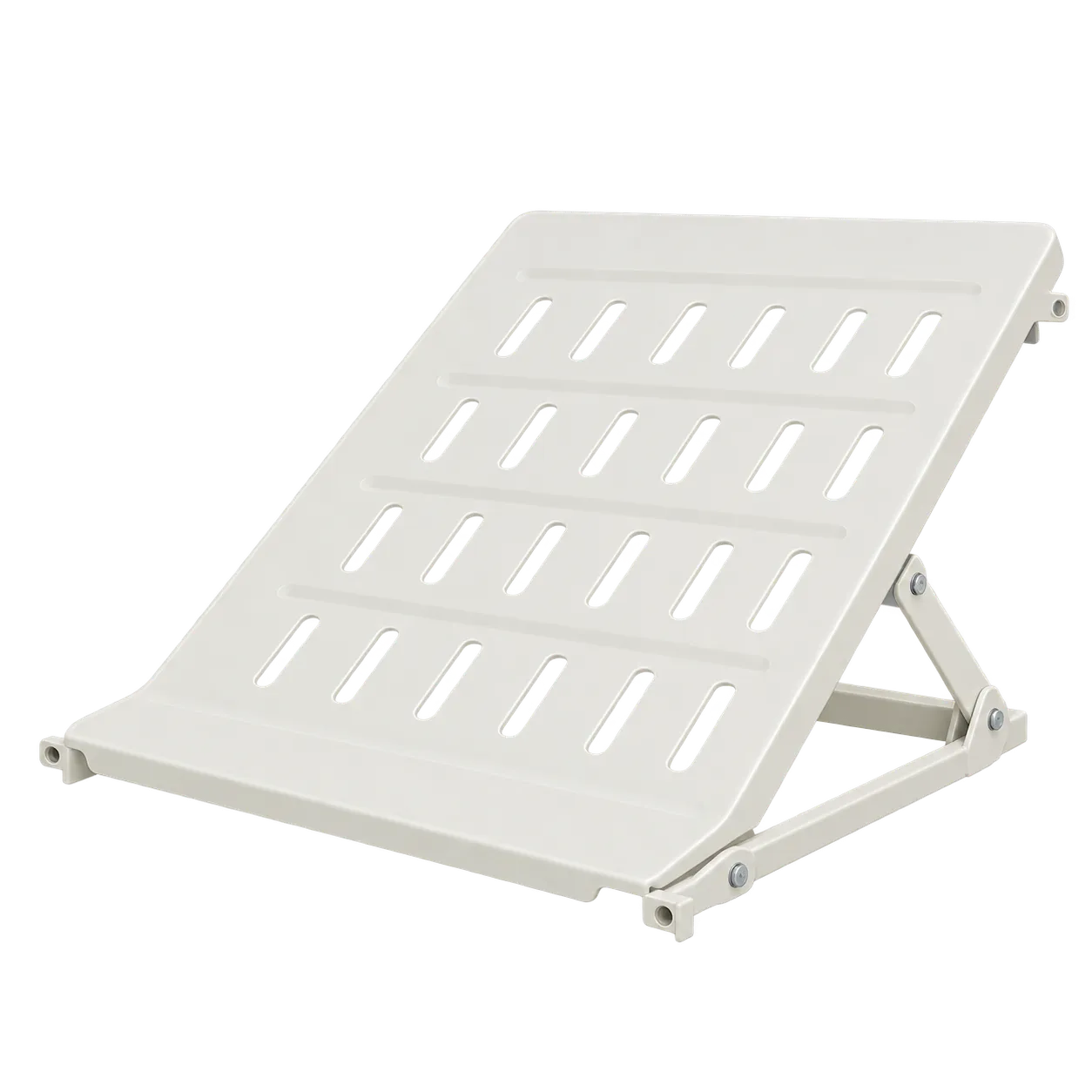

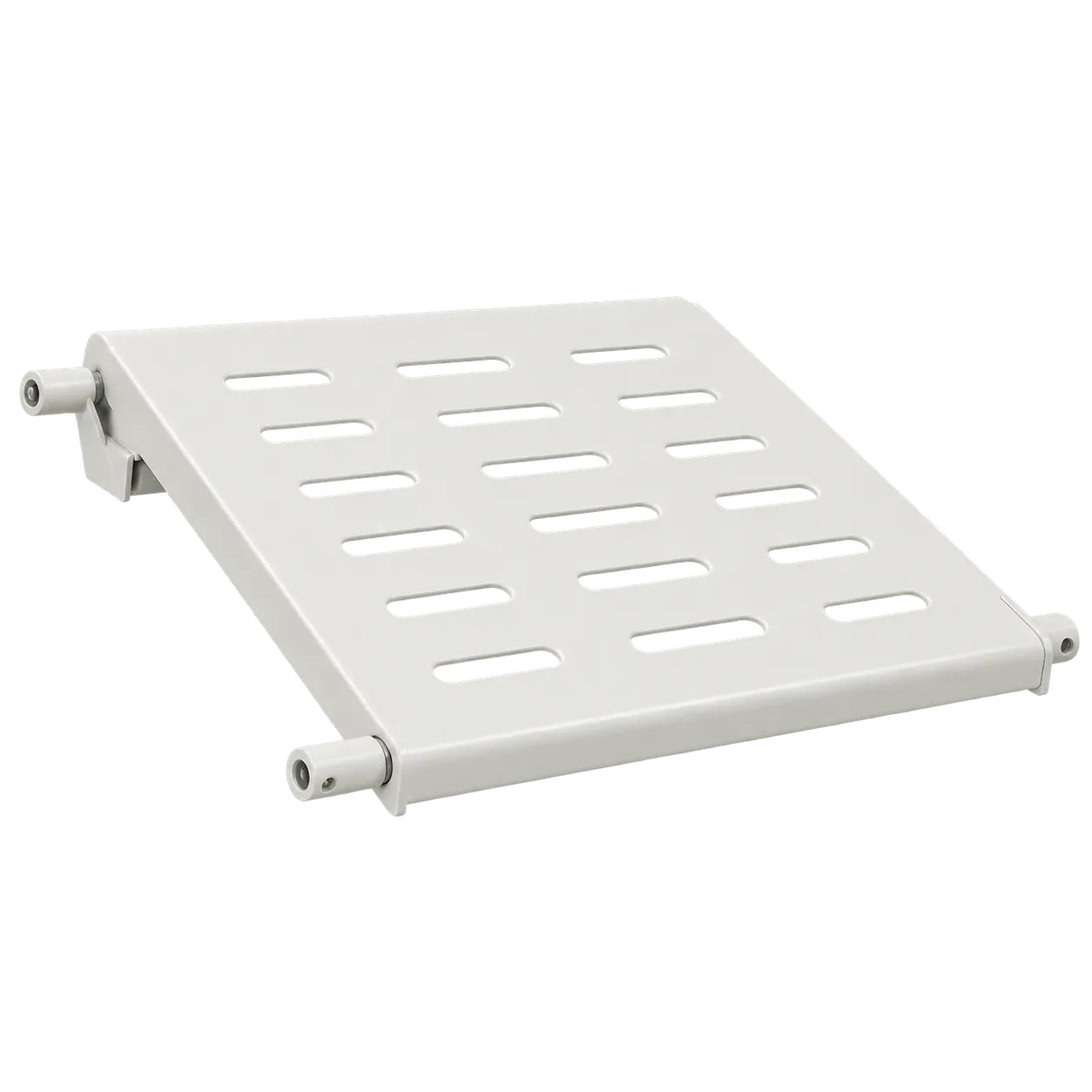


The B-11 suits buyers who need to equip many beds on a fixed budget for patients who mainly need to sit up and rest. General and step-down wards, care and nursing homes, rehabilitation units, and community hospitals fit that brief, as do health systems where motor and battery spares arrive slowly. Its argument is whole-life cost. The budget fits a frame a local workshop can keep running for years.
The regulatory picture supports that. Electrically powered beds bring the Electricity at Work Regulations 1989 into play, which require electrical systems to be maintained so far as reasonably practicable, and that normally means planned inspection and testing on top of mechanical servicing. A frame with no electrical parts carries only the mechanical side. PUWER 1998 still applies wherever staff use the bed, and HSE guidance places a bed with no height travel outside LOLER.
Clinically, the bed covers the positions most long-stay care uses. A 70° backrest and 35° knee break give a supported sitting position for meals, medicines and visitors, and the calf section adds lower-leg support. The limits are just as clear. Fixed height leaves carers working at 500 mm for washing and dressings, and there is no low position for falls pathways or tilt for repositioning. Those gaps are where a low-cost frame can become a false economy, because carer time and injury risk cost more than motors. Placing the B-11 where patients sit and rest, and a height-adjustable bed where they need nursing, keeps the saving real.
NHS procurement routes, and public purchasing in other markets, ask for the device class and a declaration of conformity. The conformity documentation those procurement routes require is issued by the manufacturer and shared by the enquiry team.