
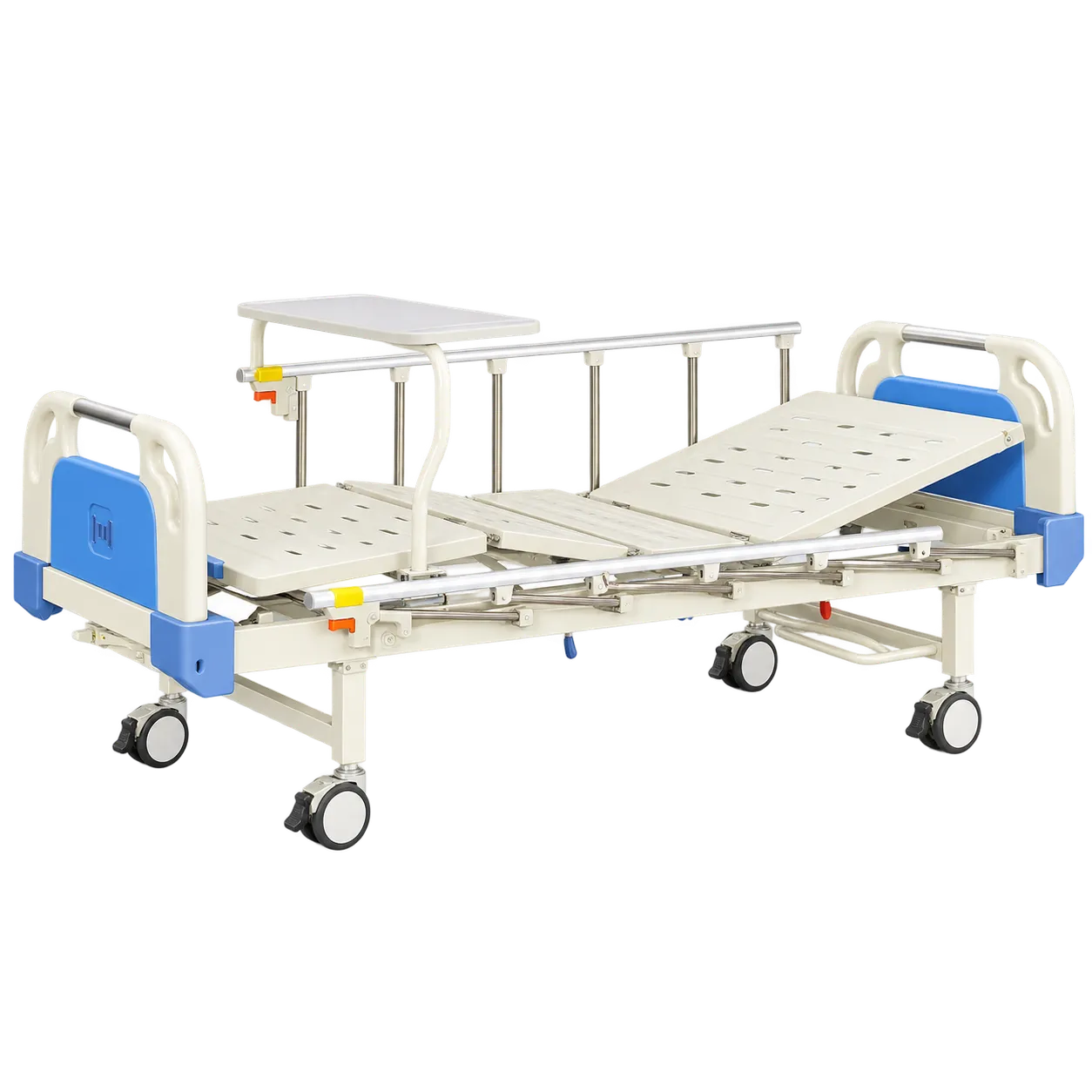


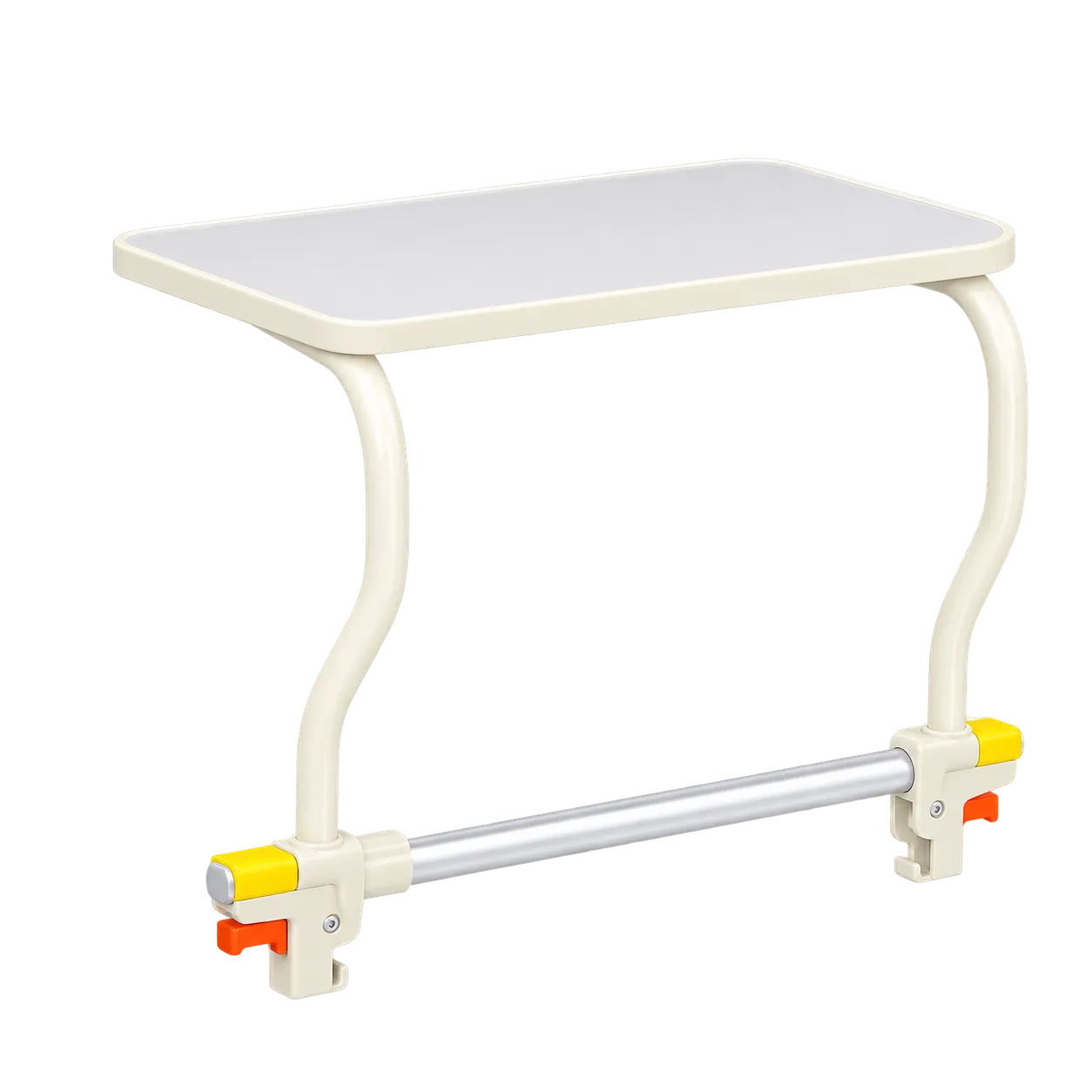
The B-10 is aimed at care that happens outside a hospital building: discharge to home, community equipment loan stores, hospital-at-home and virtual ward placements, supported living, and small residential settings. Its case is population fit. The patient going home needs to sit up for meals and visitors, the family needs controls they can use on the first day, and the bedroom has no plan for medical wiring.
Care at home has an evidence base worth knowing, even though a bed is only one part of it. The 2024 Cochrane review of admission avoidance hospital at home pooled 20 randomised trials with 3,100 participants. It found little or no difference in six-month mortality and readmission. It also found that people treated at home were probably about half as likely to be living in residential care six months later, on moderate-certainty evidence. Those outcomes belong to whole services with clinical teams, and no bed produces them alone.
Within that picture, the bed does a narrow job well. A backrest to 70° and a 35° knee break let carers sit a patient up and keep them from sliding, and the calf section supports the legs; what it leaves out matters just as much at home. It has no height travel, so district nurses, therapists, and paid carers doing long tasks work at 500 mm, and it has no low position for patients at high falls risk. Services should match the bed to patients whose home care is mostly sitting, resting and eating.
NHS procurement routes, including community equipment framework contracts and public purchasing elsewhere, require a device class and a declaration of conformity. The conformity documentation those procurement routes require is issued by the manufacturer and shared by the enquiry team.