
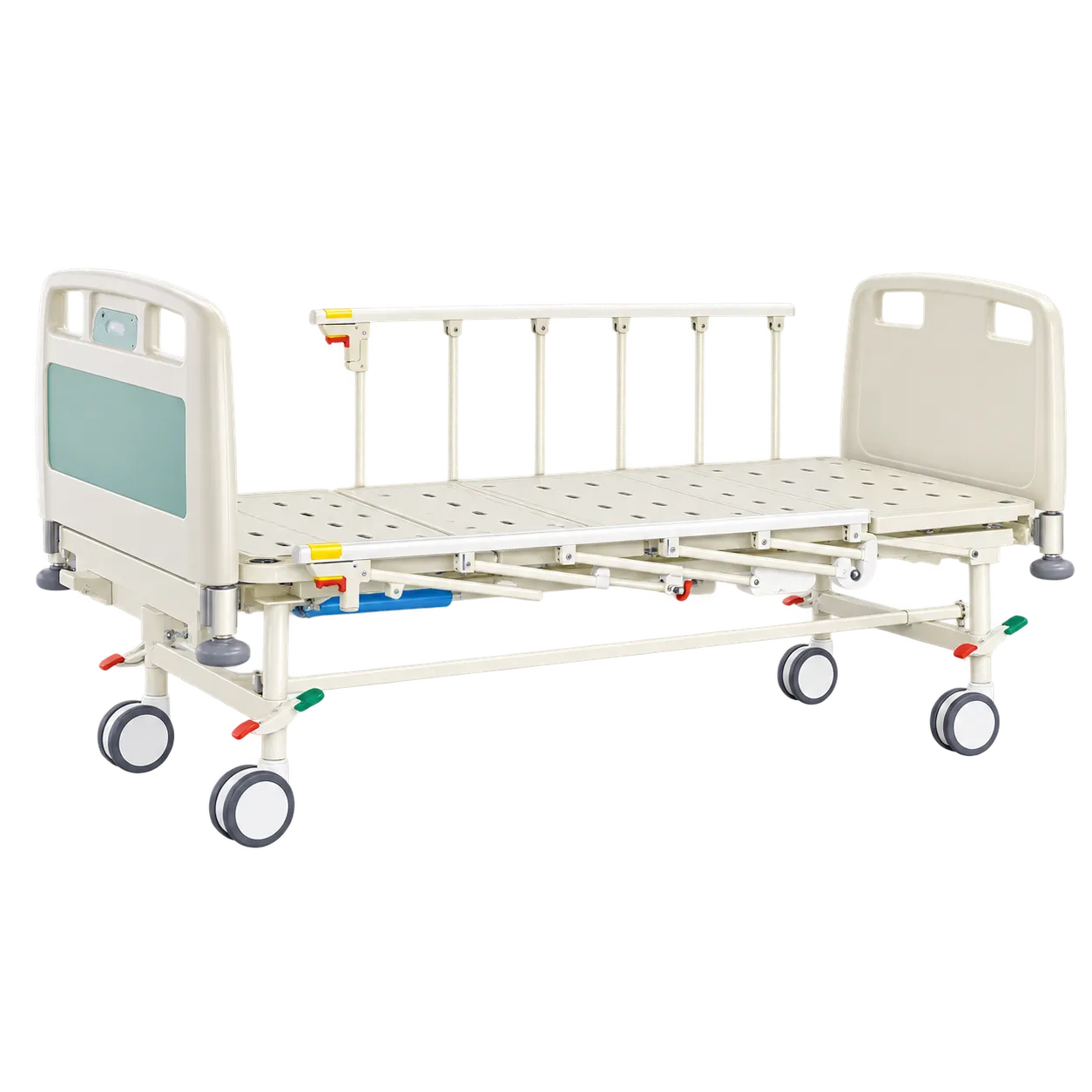

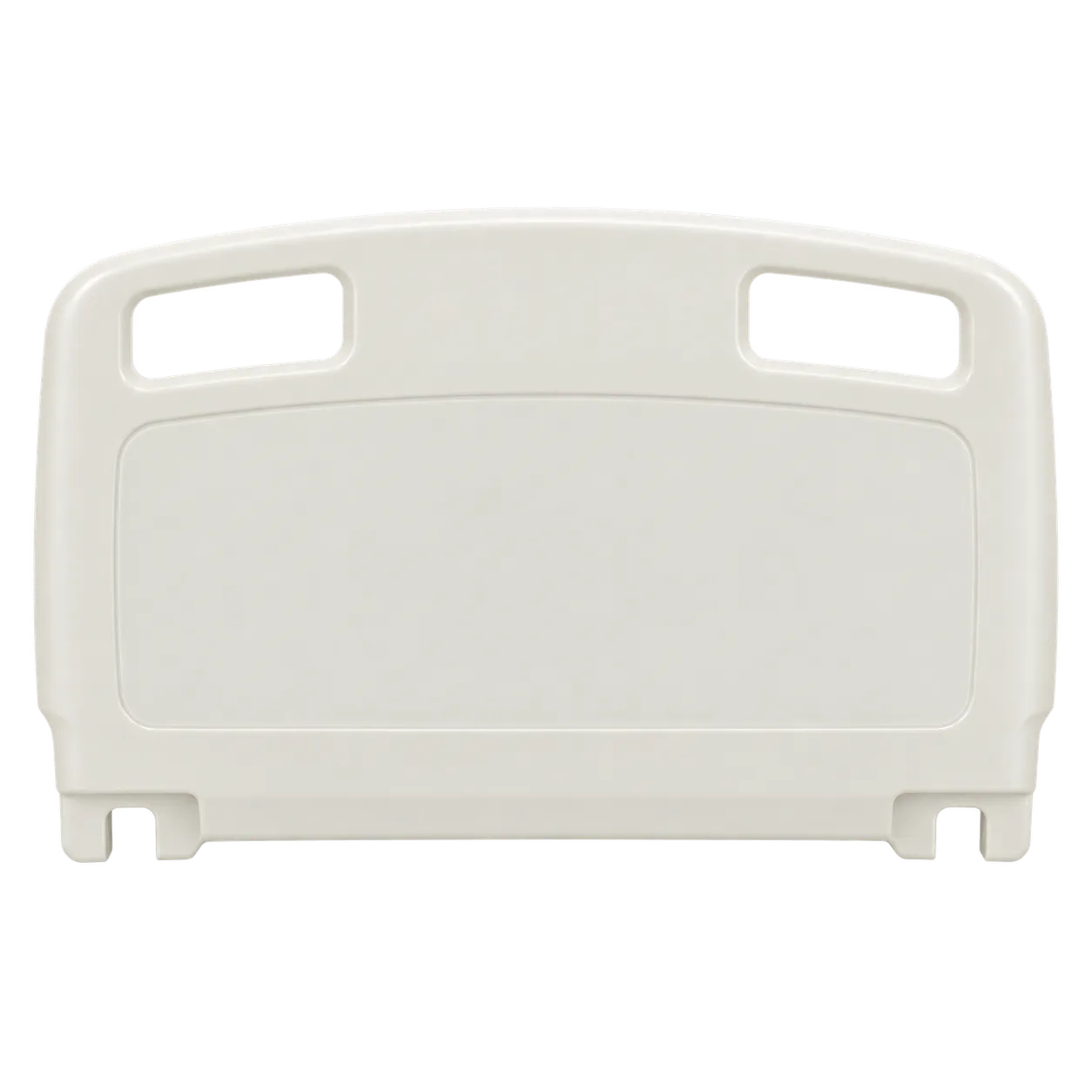
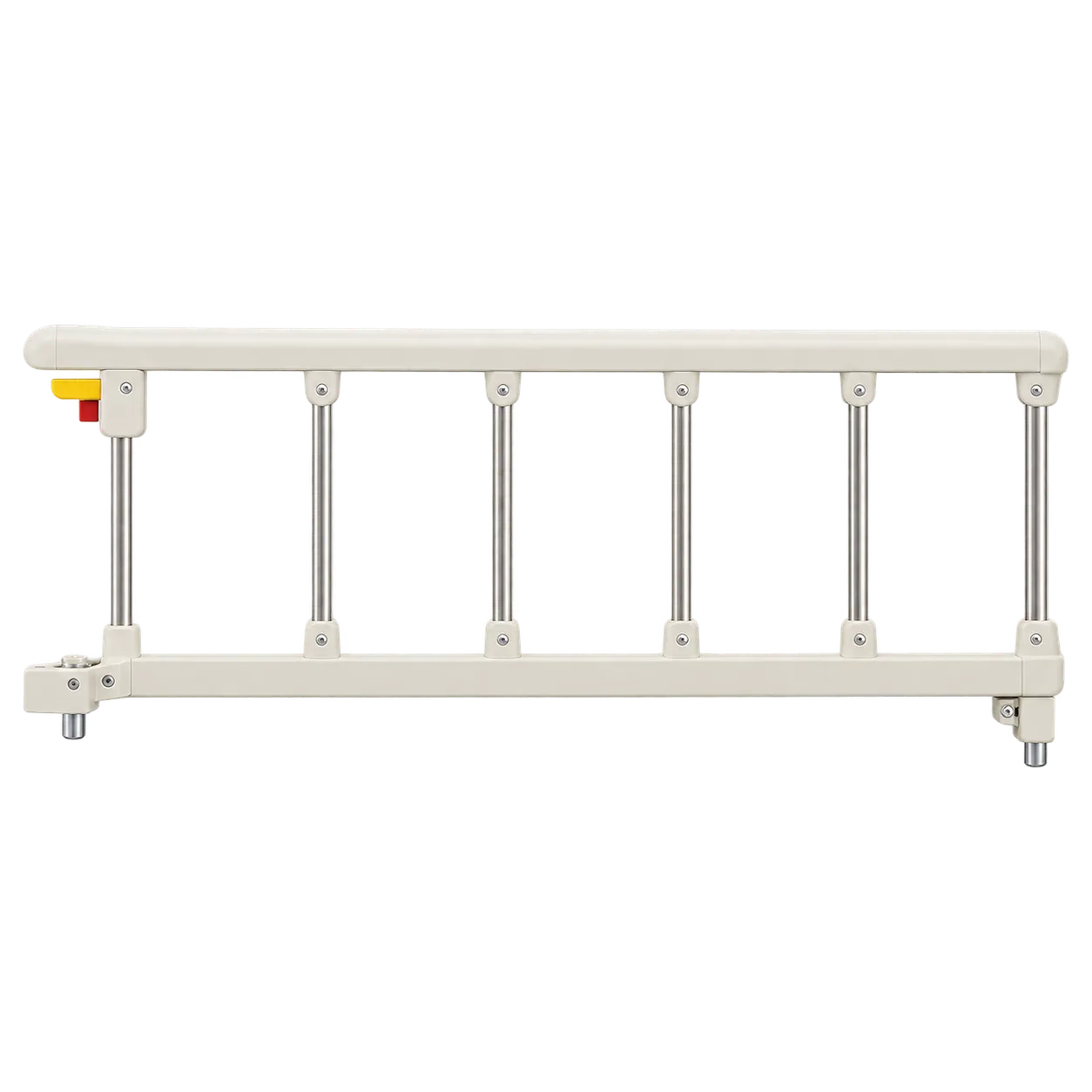

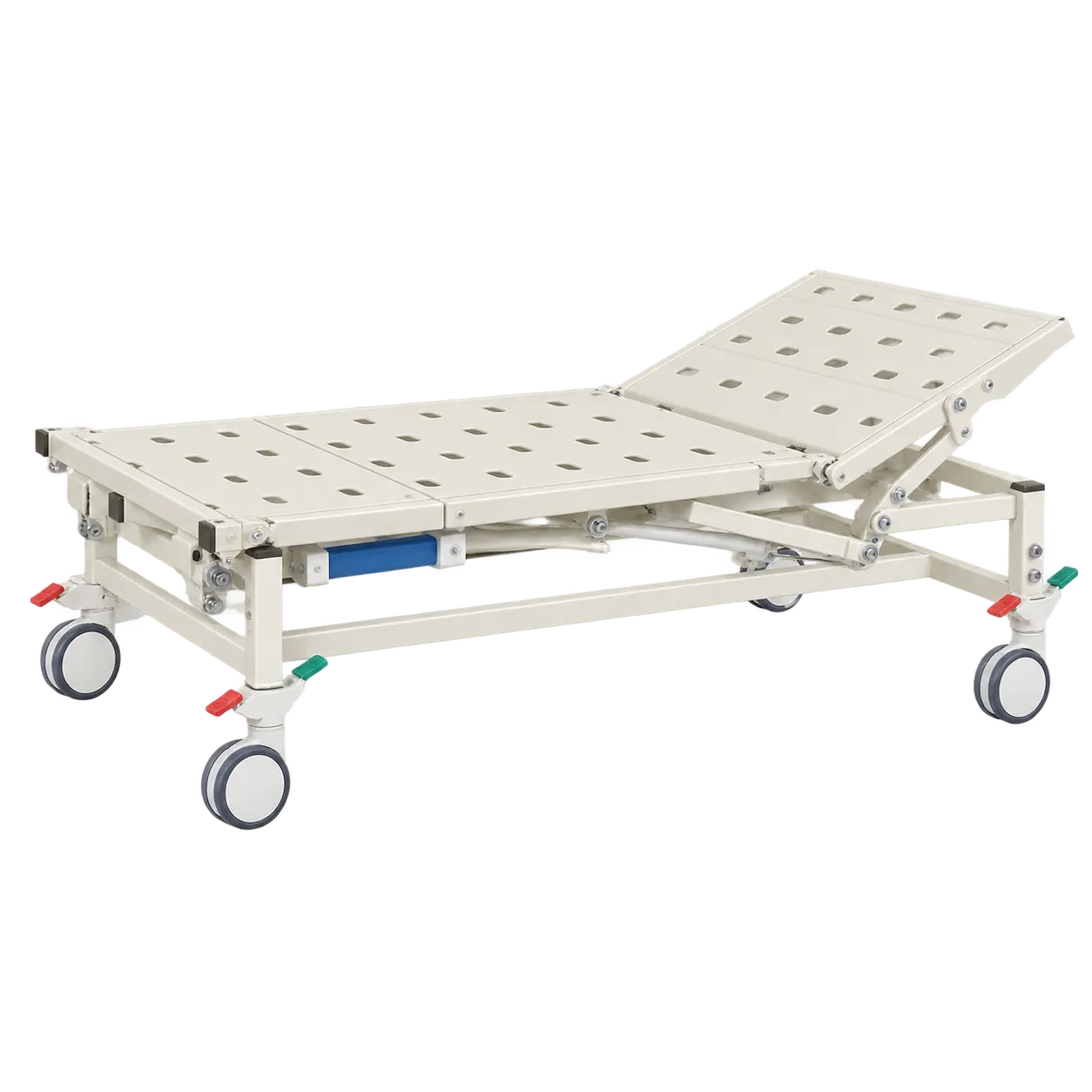

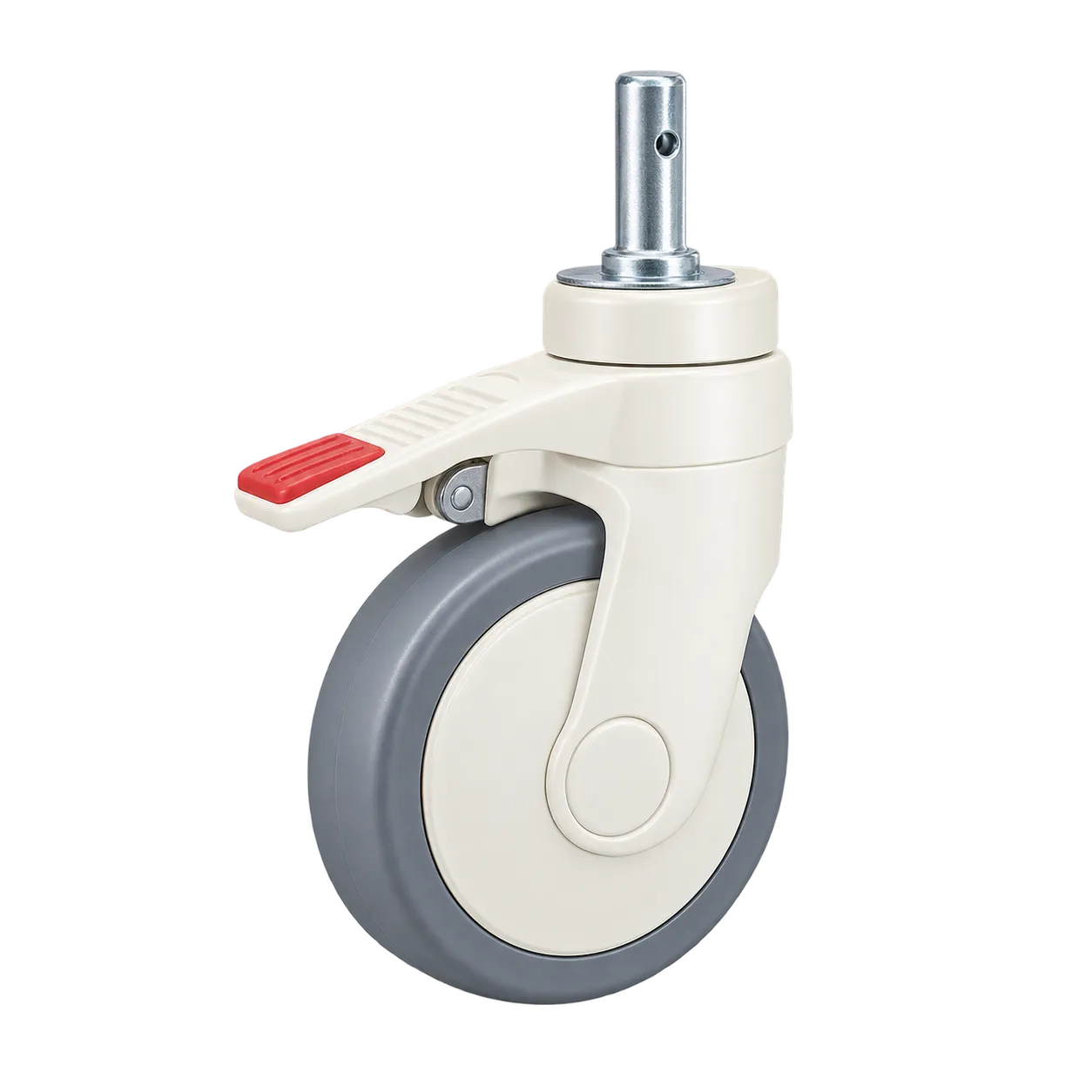
The A-6-3 belongs where patients spend long stretches sitting up and rarely need the platform moved: elderly care wards, long-stay and residential nursing, rehabilitation bays, recovery areas, and field or surge facilities that need a simple frame in numbers. Its argument is what the budget buys. Every part of the mechanism serves posture, and the functions it leaves out are ones these settings use least.
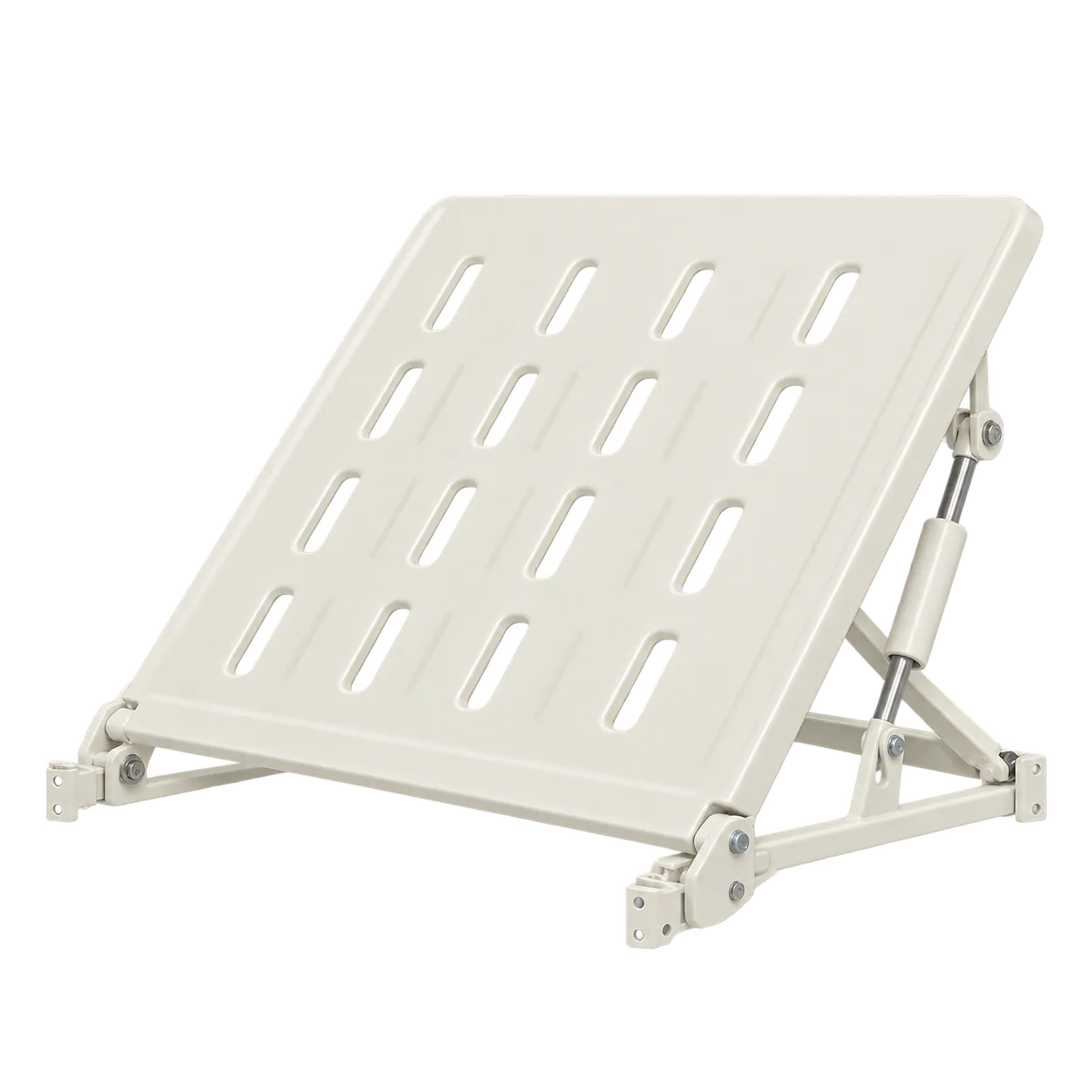
The backrest range covers the full spread of sitting positions. A 30° rest suits sleep and comfort; 45 to 60° suits meals and visitors, and the 70° ceiling brings a patient close to upright for eating and drinking. Head elevation carries a trade-off. The 2026 Cochrane review of ventilated adults found that higher head-of-bed angles probably increase pressure ulcers, and that population differs. Hence, the finding is a caution for other wards and not a measured risk.
The knee rest earns its place through posture, and the evidence is limited. A study of ten healthy women held at 30° head-up for two hours found that adding 10° of leg elevation reduced sliding down the bed significantly, but it made no difference to pressure measured at the sacrum. The knee break helps a patient stay put, while repositioning and pressure-relieving surfaces still do the protective work.
The fixed 500 mm height limits some settings. Frequent washing, wound care, or bedside examination puts carers in a stooped posture, and fall pathways that rely on a low platform need a bed that lowers. NHS procurement routes, and public purchasing elsewhere, look for the device class and a declaration of conformity. The conformity documentation those procurement routes require is issued by the manufacturer and shared by the enquiry team.