
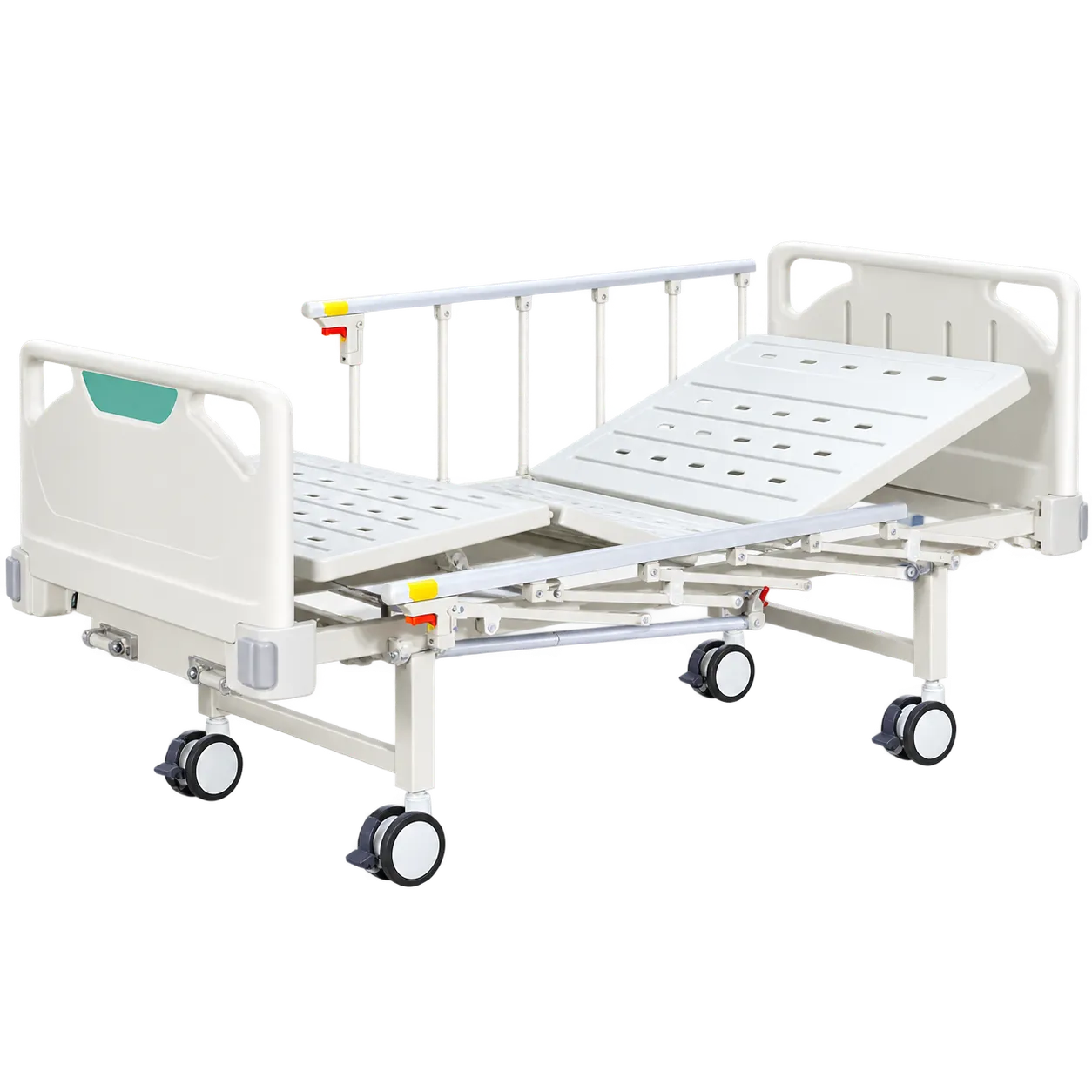



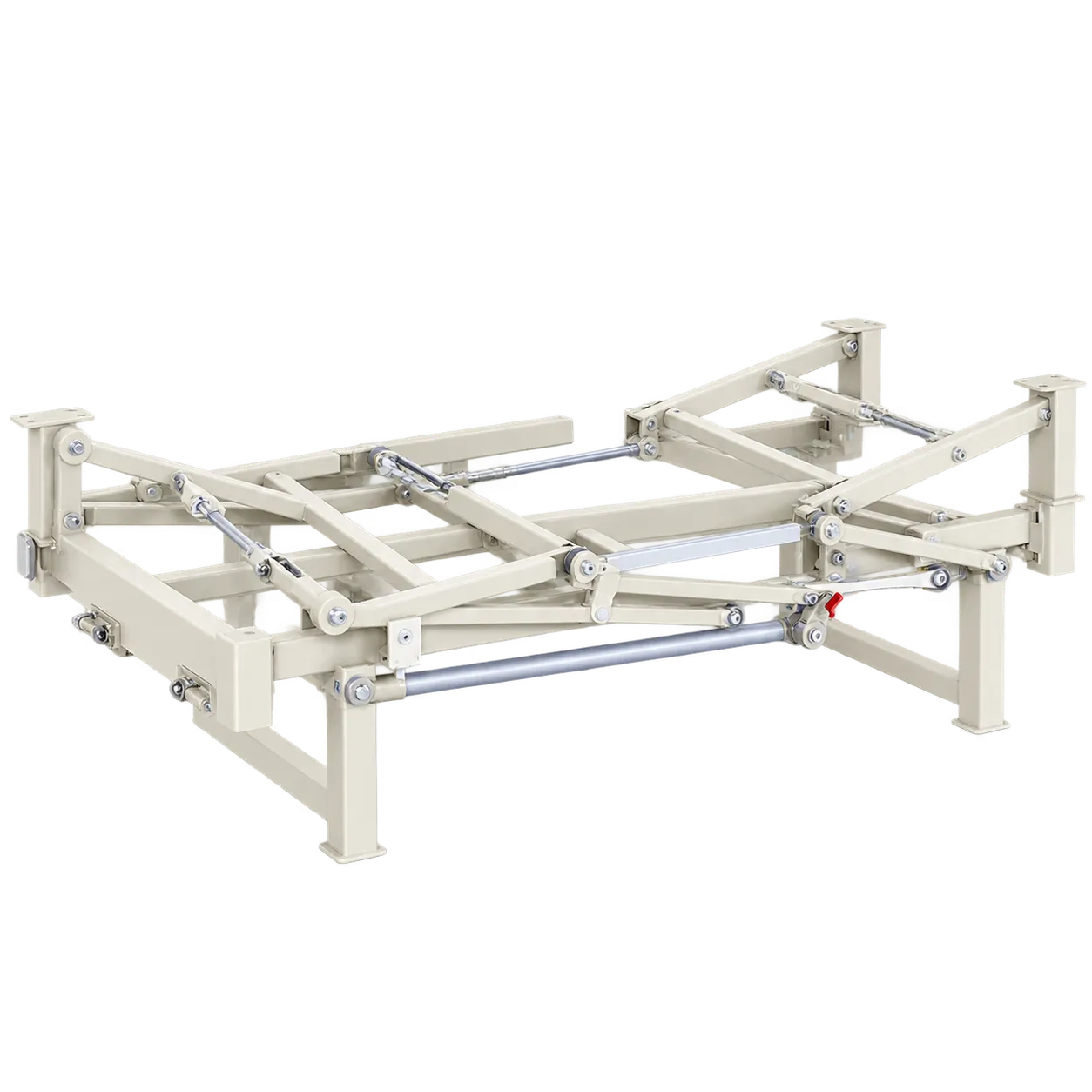
Converted and older clinical spaces are the clearest fit for the A-6-2. Rooms brought into ward use, older buildings with few sockets and temporary surge areas often cannot place beds where the layout works best, because each bed must sit near power. A bed with no mains lead removes that constraint.
Surge and field capacity is a second role. Health systems that hold beds in store for seasonal pressure, outbreaks or disaster response need equipment that can be set up in any space with a floor, and the A-6-2 needs nothing from the building's electrical supply.
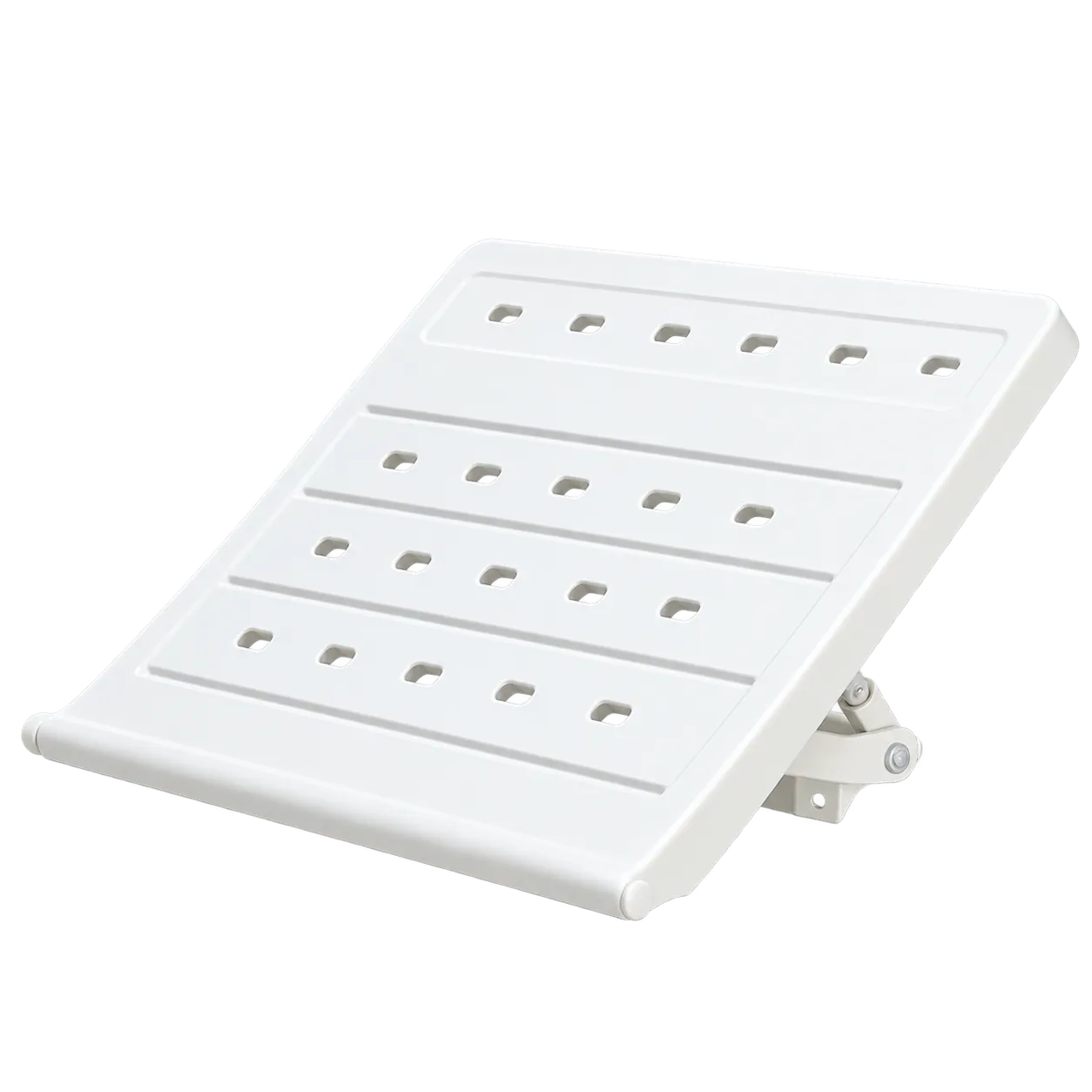
On established medical wards and in care homes, the bed suits largely independent patients who sit up for meals, breathing and conversation. The backrest and leg section cover those positions, and the absence of a cable keeps the floor around the bed clear for staff, patients and cleaners.
Planners should measure actual bedspaces against the relevant space standard. In England, Health Building Note 04-01 sets a clear bed space of 3600 by 3700 mm, and the bed's published footprint sits comfortably inside it, but older wards often fall short of that guidance.
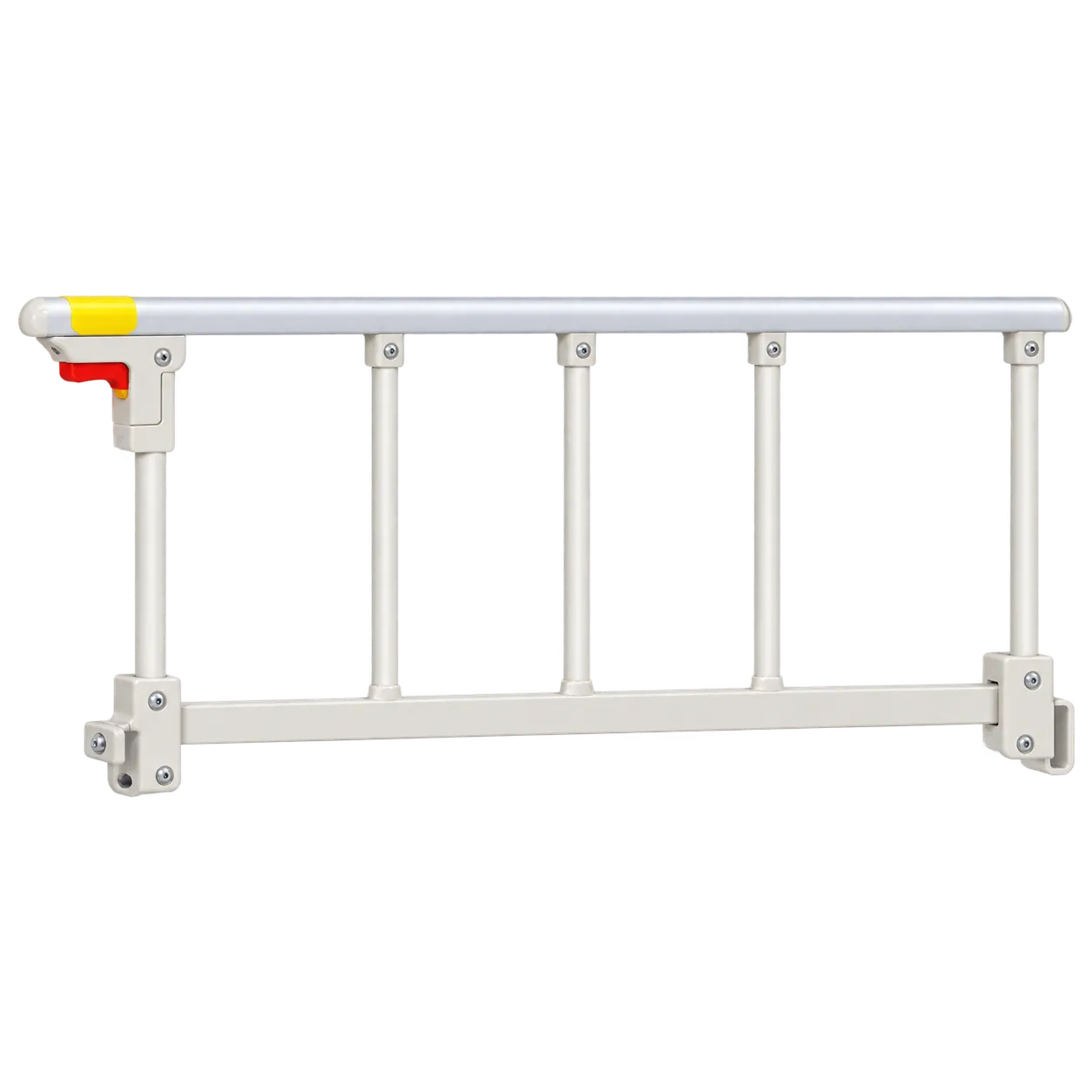
Where rails are fitted, MHRA guidance and the 2023 National Patient Safety Alert govern their assessment, fitting and maintenance, with an individual assessment covering the mattress in use.
The A-6-2 is a poor fit for dependent patients needing frequent bedside care or assisted transfers, for children, for bariatric patients without a published load rating, for patients at high risk of falling from bed, and for care requiring head-down tilt.
Public procurement routes, including NHS frameworks and equivalent tenders elsewhere, ask for the declaration of conformity, the standard edition tested, and the device class. The conformity documentation those procurement routes require is issued by the manufacturer and provided by the seller.