

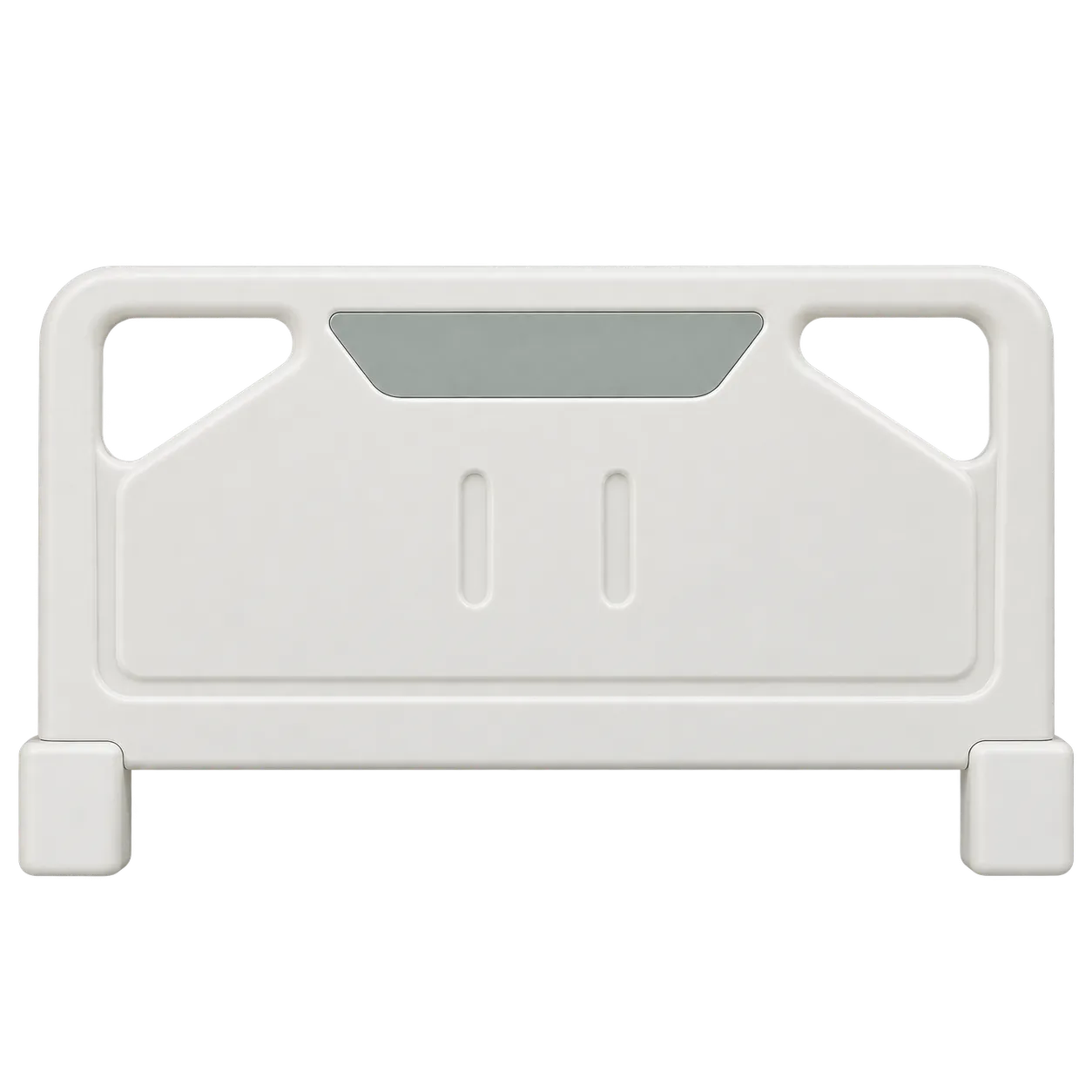
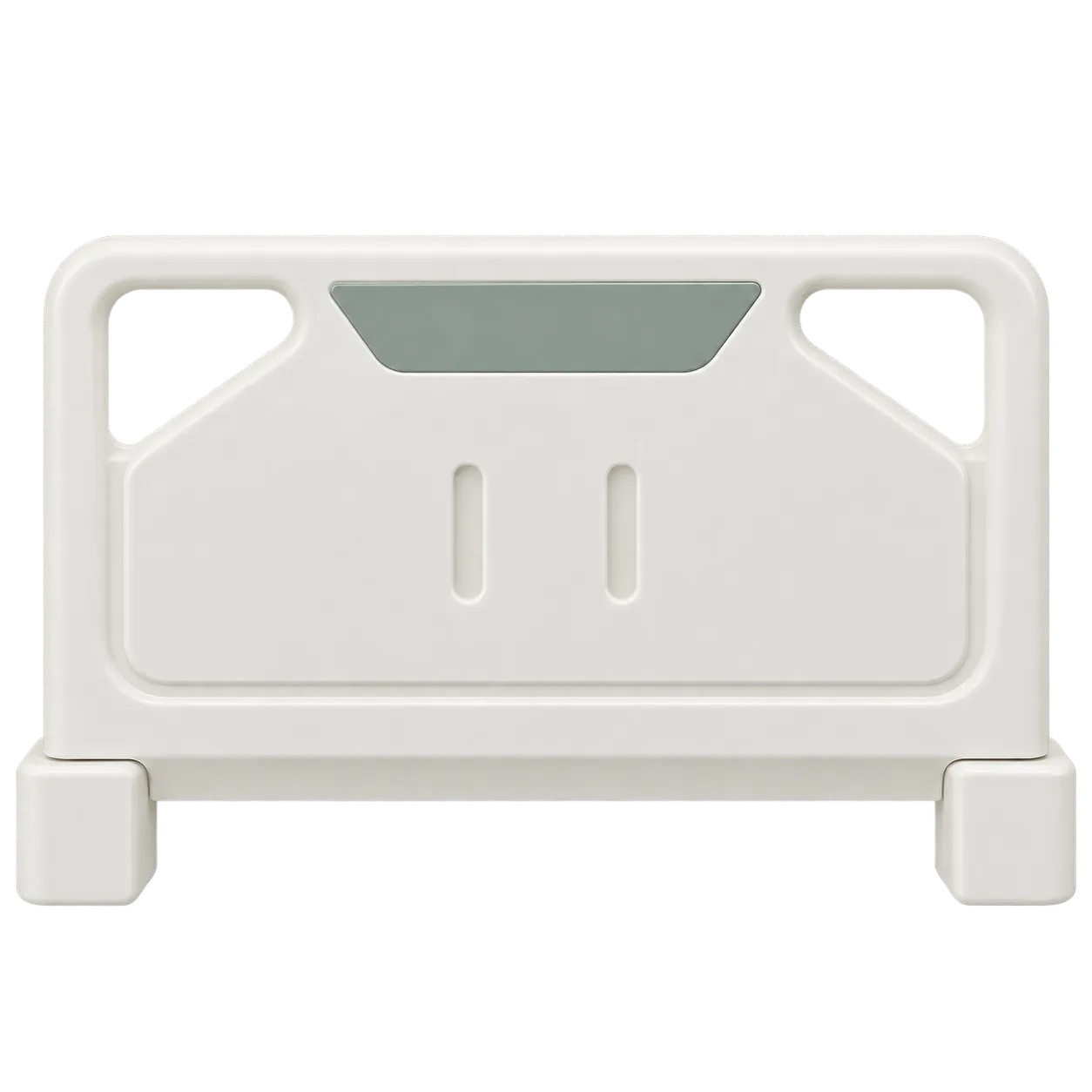


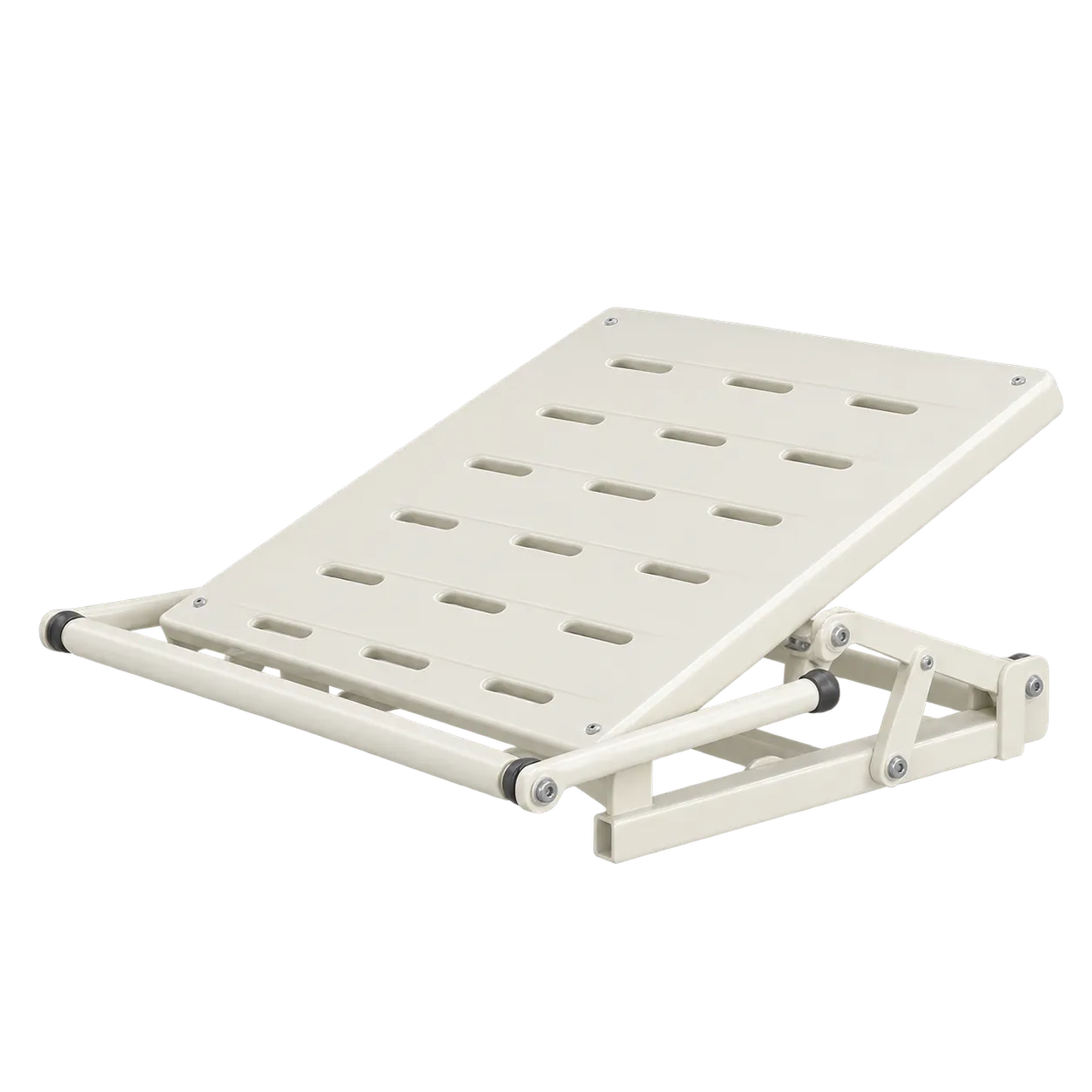

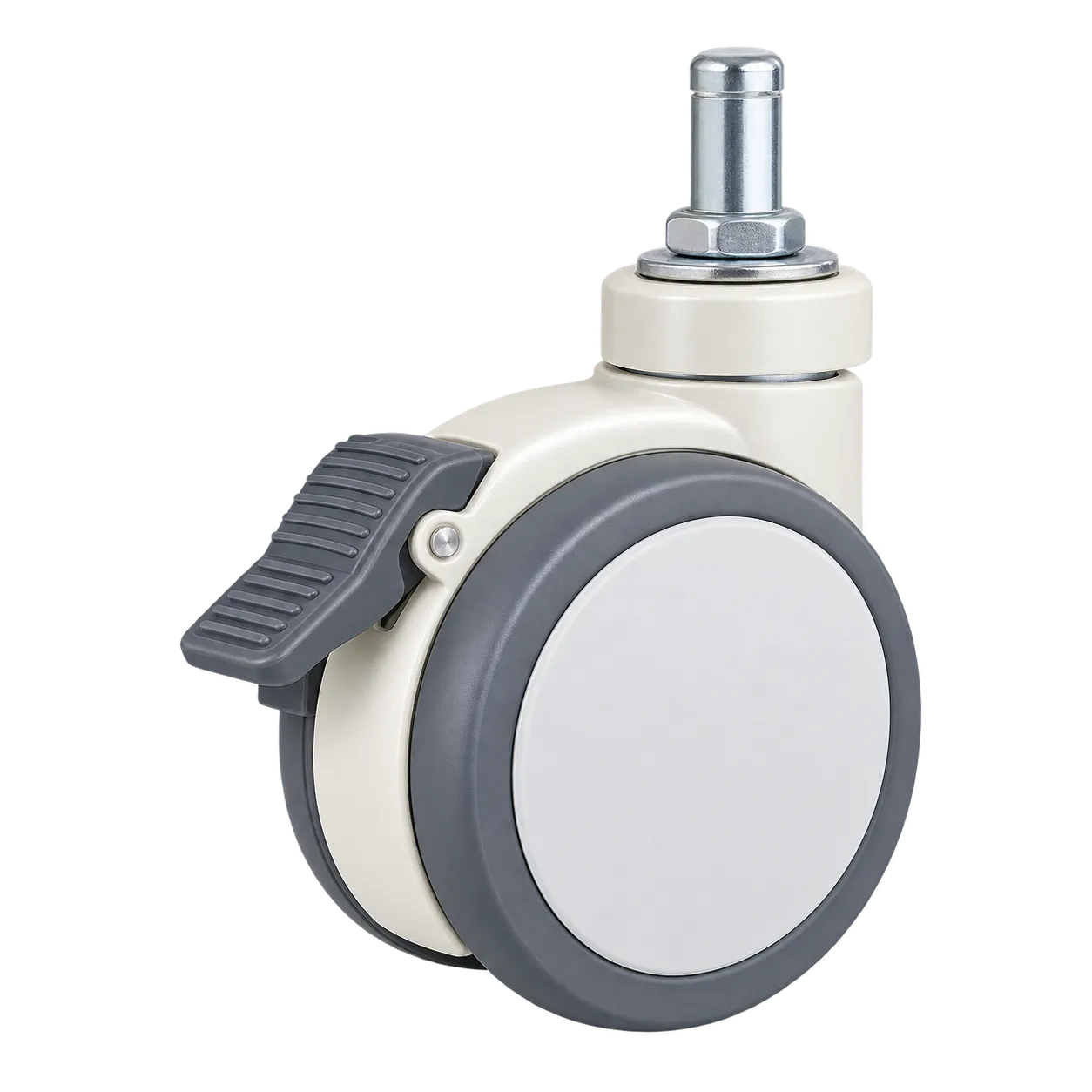
Shared bays on medical and older people's wards are the clearest fit for the A-6-1. Patients there are woken by everything around them, and a bed that can sit someone up or raise their legs at night without running a motor removes one small source of disturbance for them and their neighbours.
Palliative and hospice settings can use it where quiet matters to patients and families alike. The backrest supports sitting up for breathing and conversation, and the leg section helps hold a comfortable position, all adjusted by hand and without mechanical hum.
Care homes and long-stay settings suit it for residents who sleep in shared rooms or who wake at night and need help to sit up. Two cranks keep night-time adjustment simple for small night teams.
Wards that choose the A-6-1 for quieter nights will get most from it alongside alarm management, quieter staff handovers and lights-down routines, because research consistently finds that alarms and people generate most ward noise. Planned maintenance should keep drives and pivots lubricated so the cranks stay quiet.
Where rails are fitted, MHRA guidance and the 2023 National Patient Safety Alert govern their assessment, fitting and maintenance, and night-time confusion should be part of that assessment.
The A-6-1 is a poor fit for dependent patients needing frequent bedside care or assisted transfers, for children, for bariatric patients without a published load rating, for patients at high risk of falling from bed, and for care requiring head-down tilt.
Public procurement routes, including NHS frameworks, and equivalent tenders elsewhere ask for the declaration of conformity, the standard edition tested and the device class. The conformity documentation those procurement routes require is issued by the manufacturer and provided by the seller.