
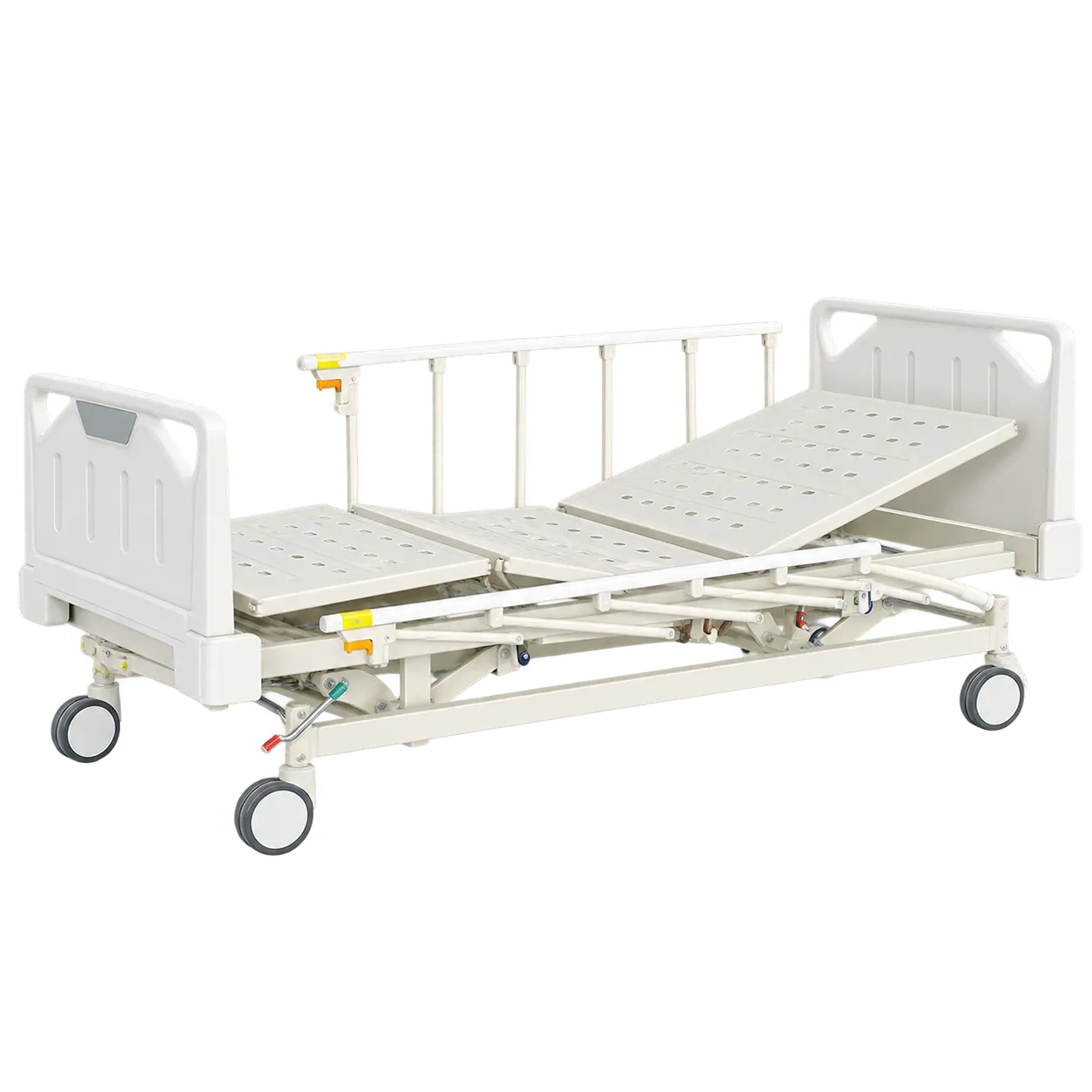

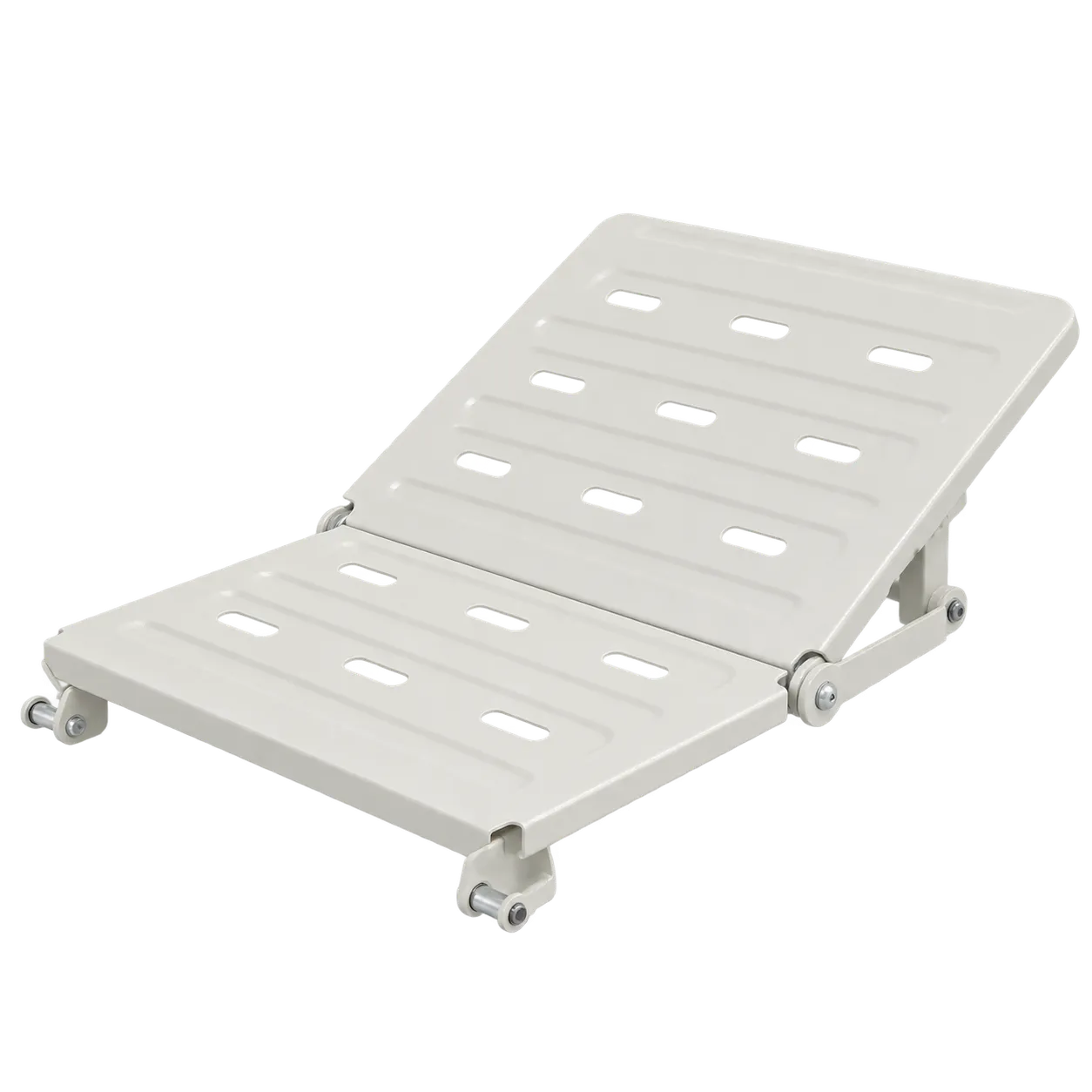

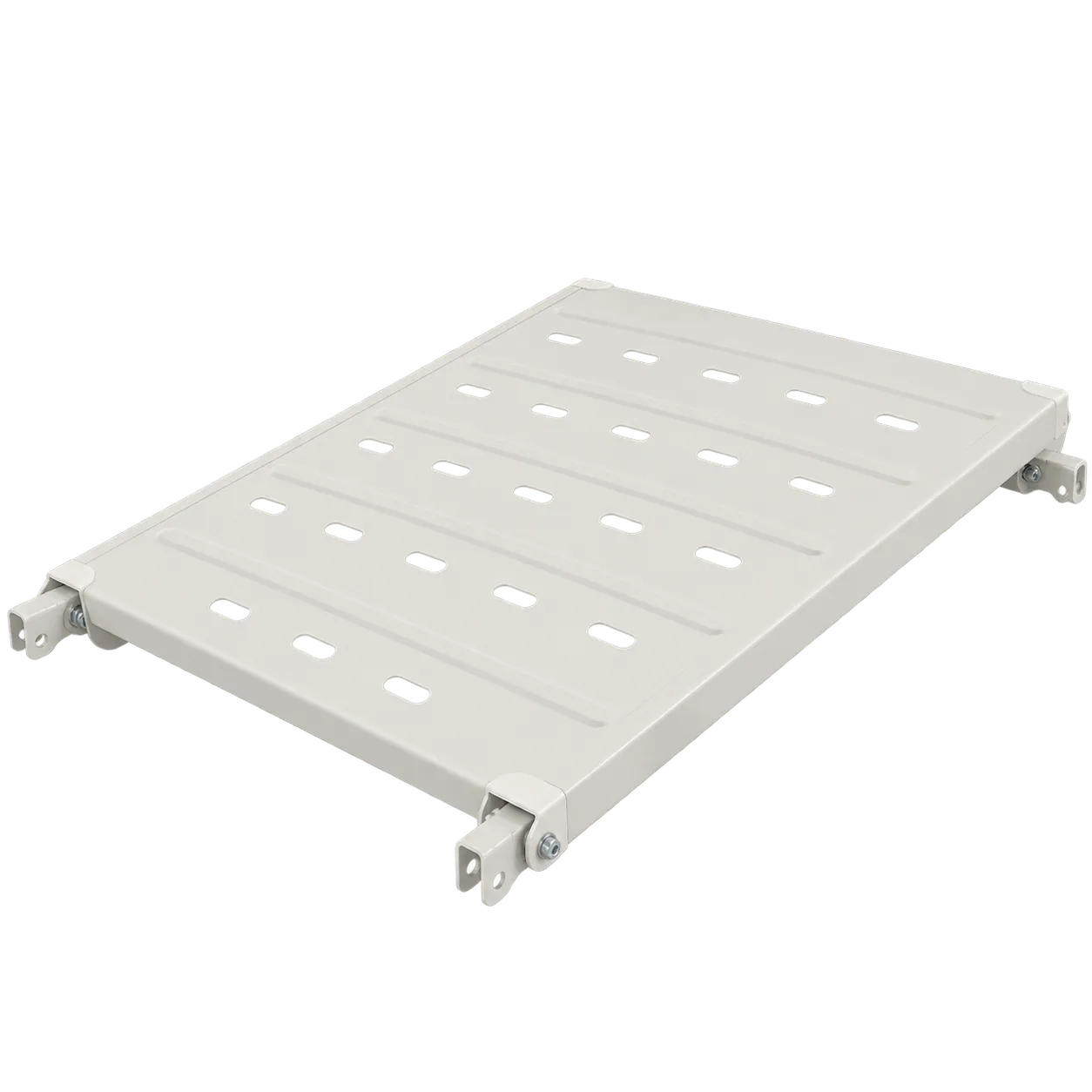
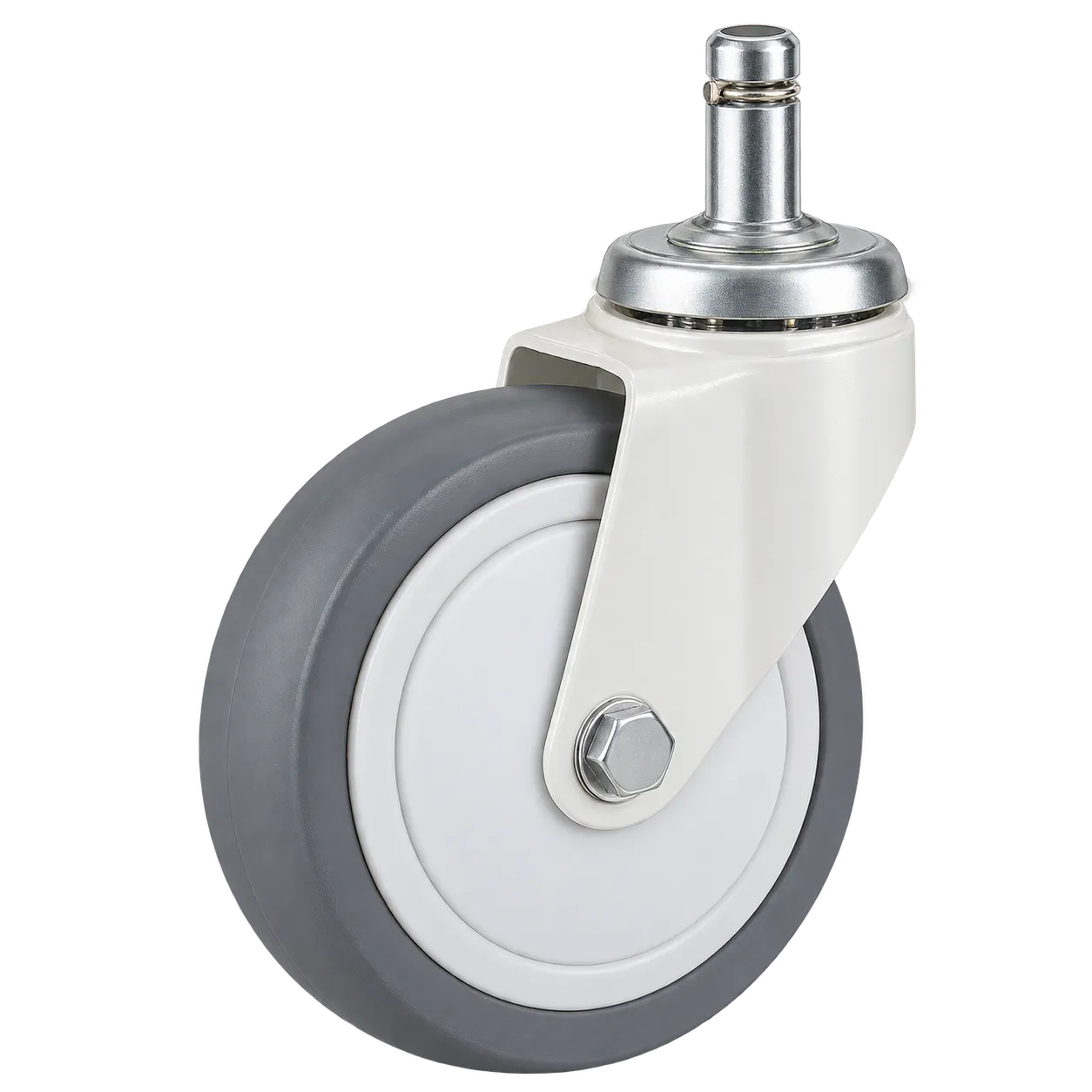
Elective surgical wards are the clearest fit for the A-6. Patients arrive from theatre on a trolley, and staff raise the bed toward trolley height for a level lateral transfer. The backrest then sits them up as they recover from anaesthesia, and the bed is lowered when they are ready to stand and take their first steps.
Day-case and short-stay surgical units suit it for the same reason. Their patients are expected to recover and go home quickly, and a bed that supports transfer, sitting up and mobilisation covers most of what the stay involves. With no electrics, it can be placed in any recovery bay without a socket.
Orthopaedic and general surgical step-down areas can use it for patients past the immediate post-operative period who are mobilising with physiotherapy. Early mobilisation after surgery is linked in the research with shorter stays and better functional recovery, although its effect on complications is less consistent.
Surgical wards need somewhere to hang drains, catheter bags and infusions, and none of those fittings is listed or shown. Buyers should confirm what the frame accepts and budget for the accessories.
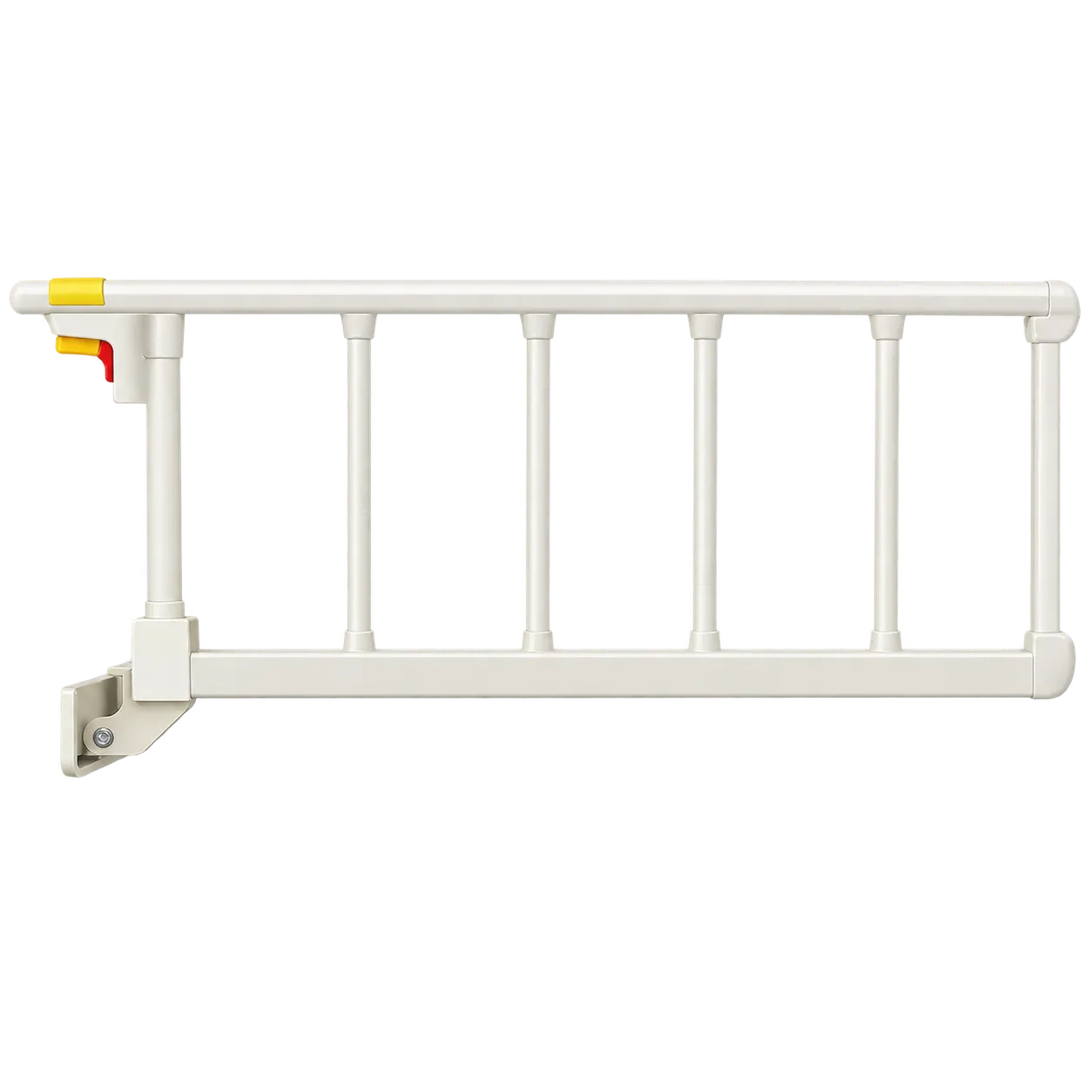
Where rails are fitted, MHRA guidance and the 2023 National Patient Safety Alert govern their assessment, fitting and maintenance, and post-operative confusion should prompt a review of that assessment.
The A-6 is a poor fit for high-dependency and critical care areas, for care needing head-down tilt, for children, for bariatric patients without a published load rating, and for patients at high risk of falling from bed.
Public procurement routes, including NHS frameworks, and equivalent tenders elsewhere ask for the declaration of conformity, the standard edition tested and the device class. The conformity documentation those procurement routes require is issued by the manufacturer and provided by the seller.