

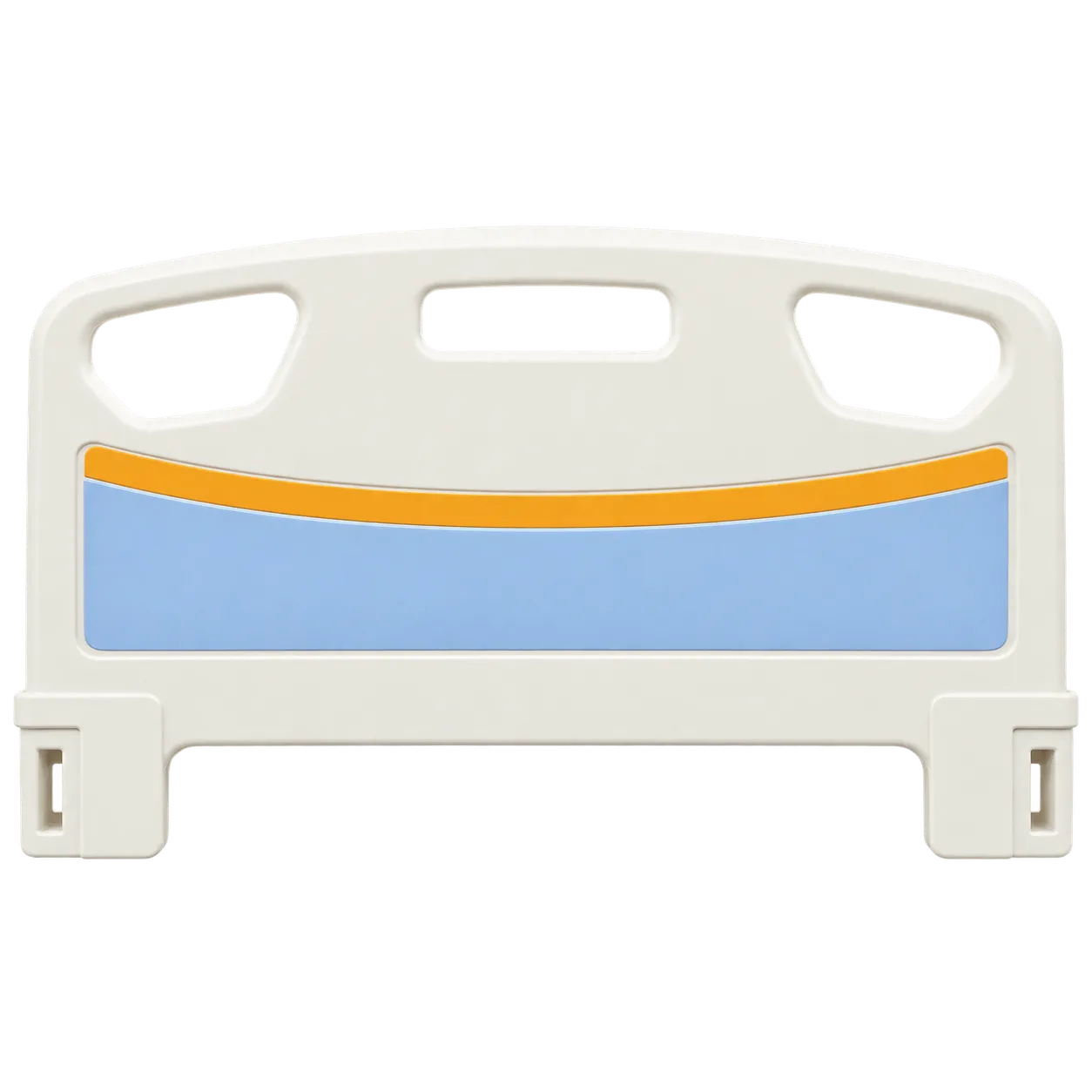
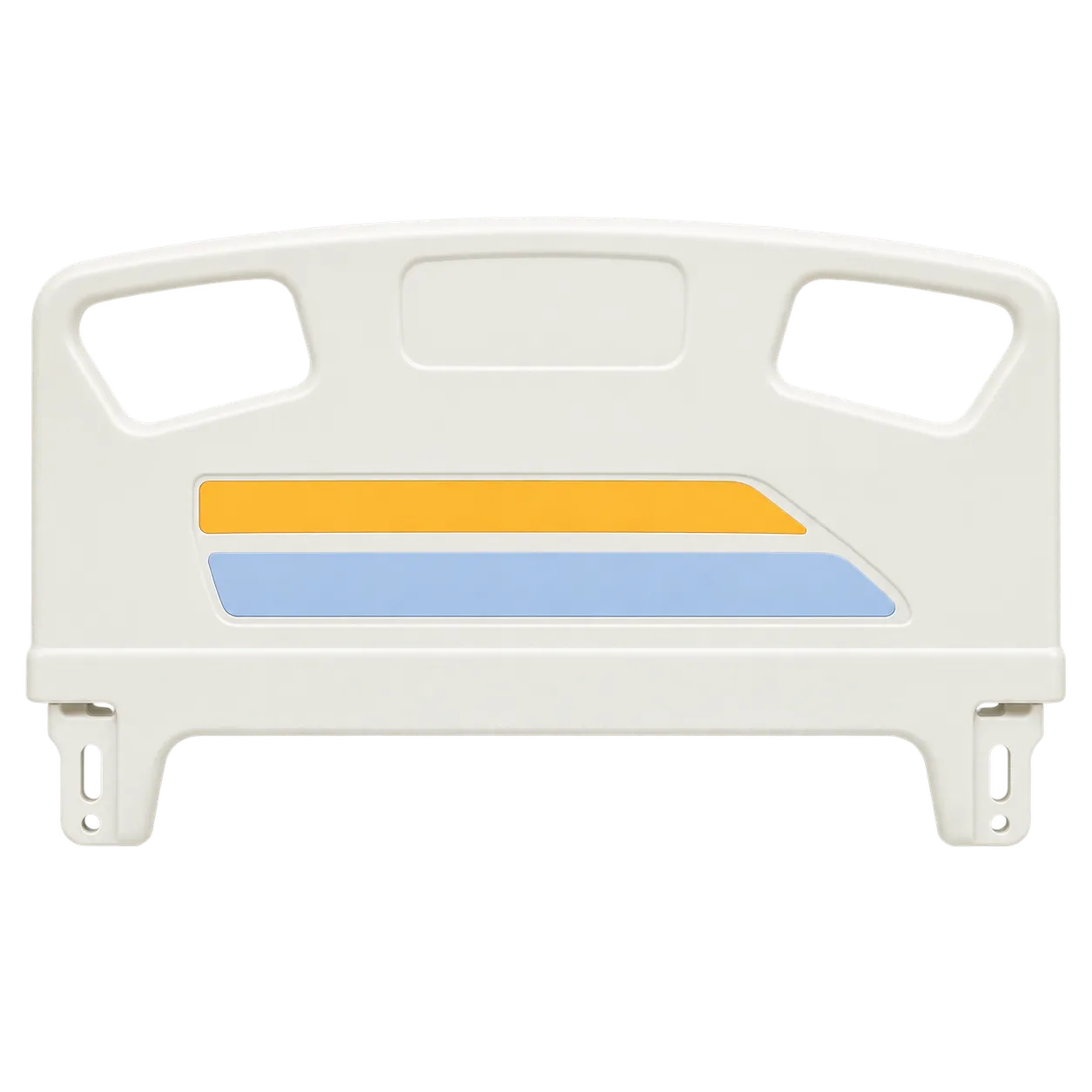
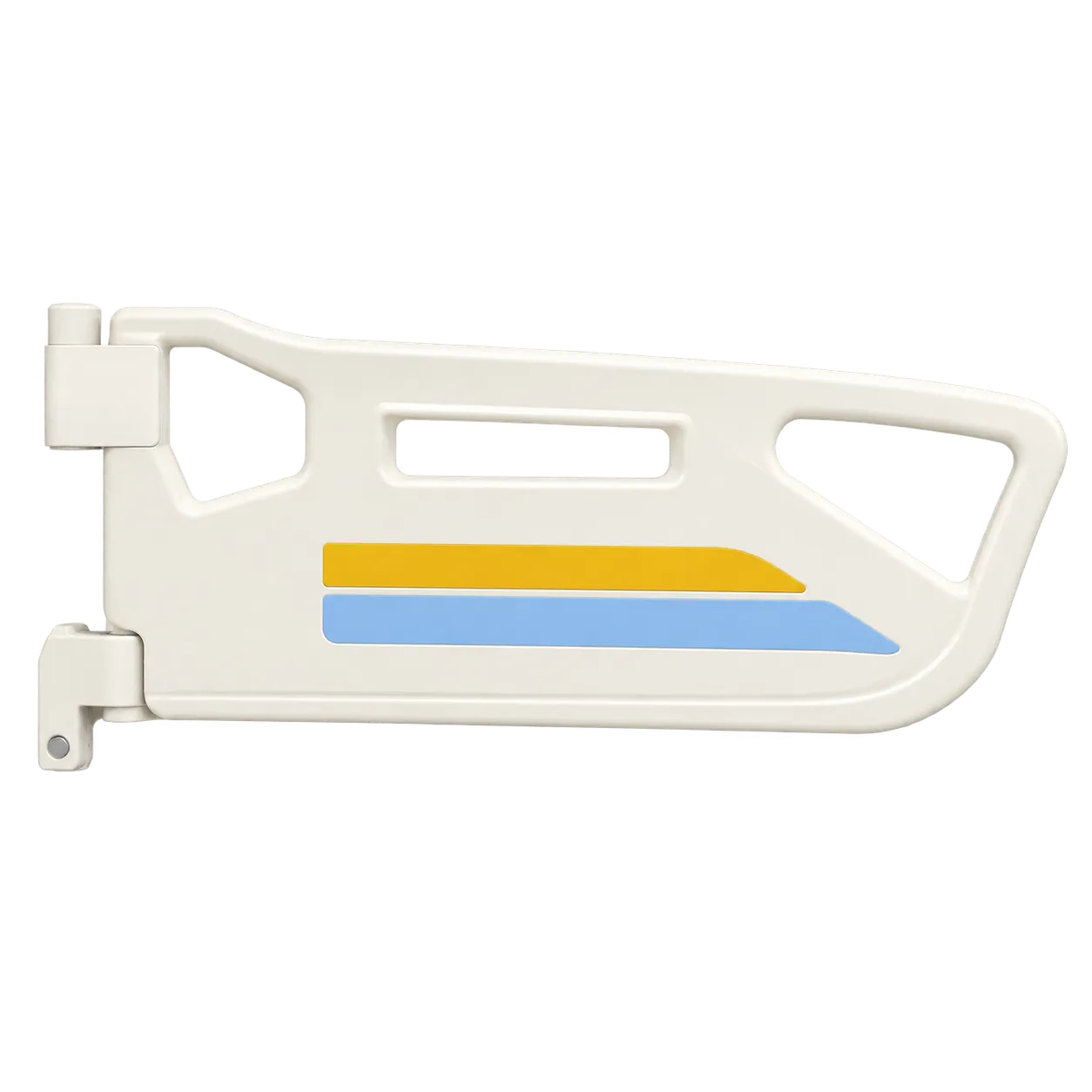
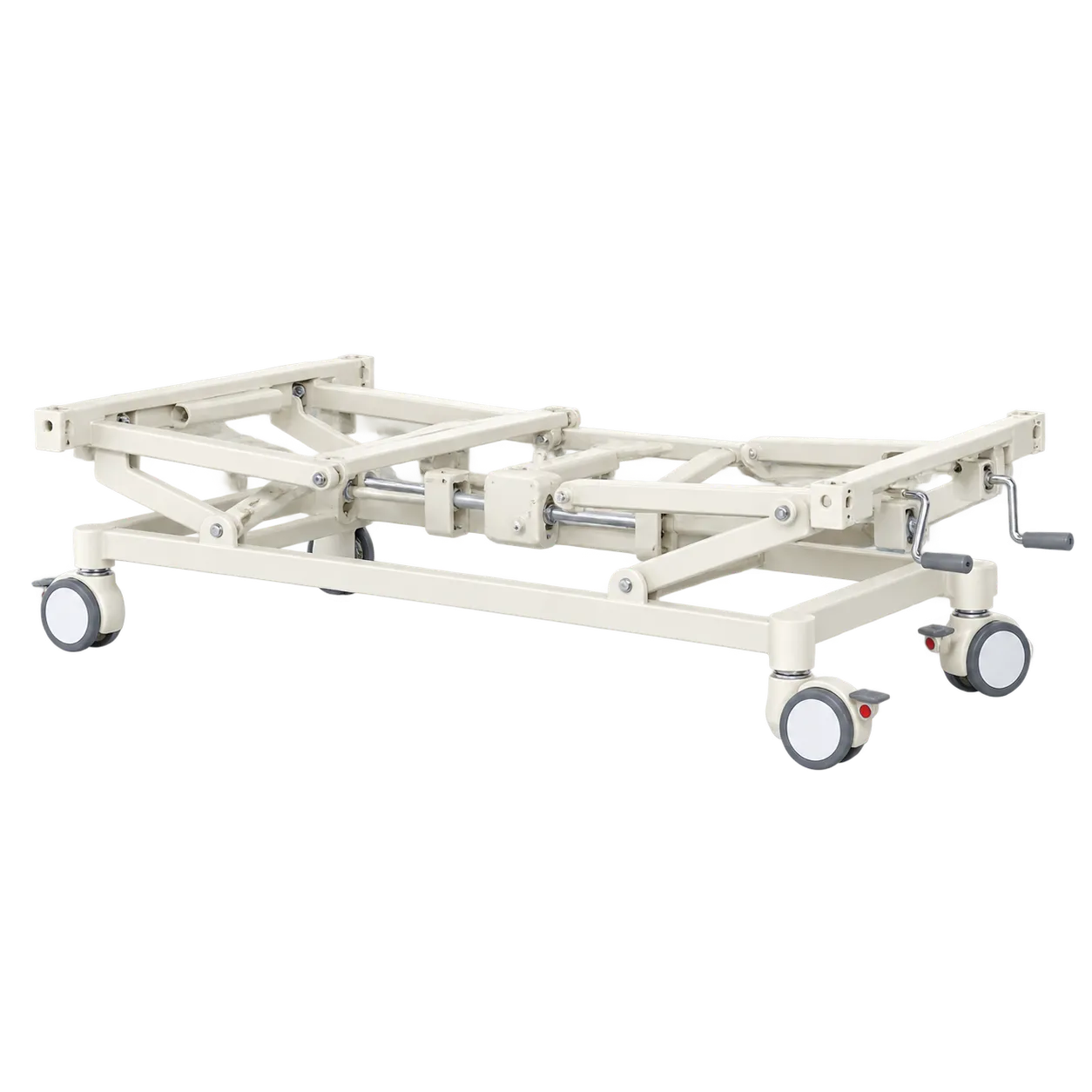


The A-5A fits settings where patients need to sit up in bed but largely manage their own movement and transfers. Short-stay and observation bays, day-case recovery areas and medical wards caring for mobile patients can use its two positions without calling on a height range they would rarely use.
Surge and overflow capacity is a natural role. Health systems that stock beds for seasonal pressure, outbreaks or disaster response need equipment that can be stored, deployed quickly and run without power, and a two-crank bed with no electrics and two drive assemblies asks little of a temporary ward or a field hospital.
Breathless patients are a clinical use. Sitting up generally improves lung function measures in people with lung and heart disease, and the leg section helps them hold that position without sliding. Where a patient has a condition that changes that picture, such as tetraplegic spinal cord injury, positioning should follow specialist advice.
Care homes and long-stay settings can use it for residents who sit up for meals and conversation and get in and out of bed with little help. Where rails are fitted, MHRA guidance governs their prescription, fitting and maintenance, with an individual risk assessment covering the mattress in use.
It is a poor fit for dependent patients who need frequent bedside care or assisted transfers, because staff cannot change the working height, and for children, bariatric patients without a published load rating, patients needing a low bed, and care requiring head-down tilt.
Public procurement routes, including NHS frameworks, and equivalent tenders elsewhere ask for the declaration of conformity, the standard edition tested and the device class. The conformity documentation those procurement routes require is issued by the manufacturer and provided by the seller.