

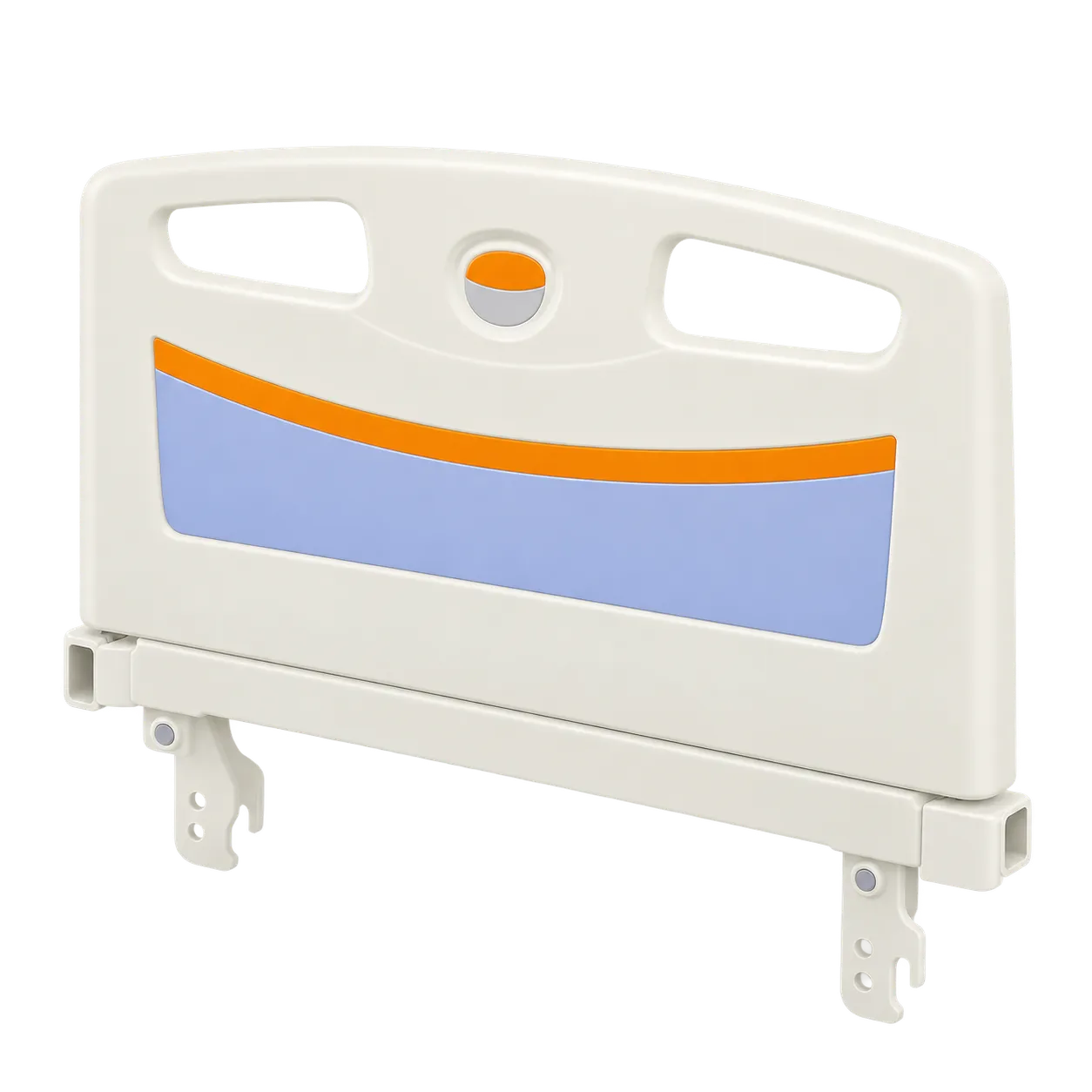
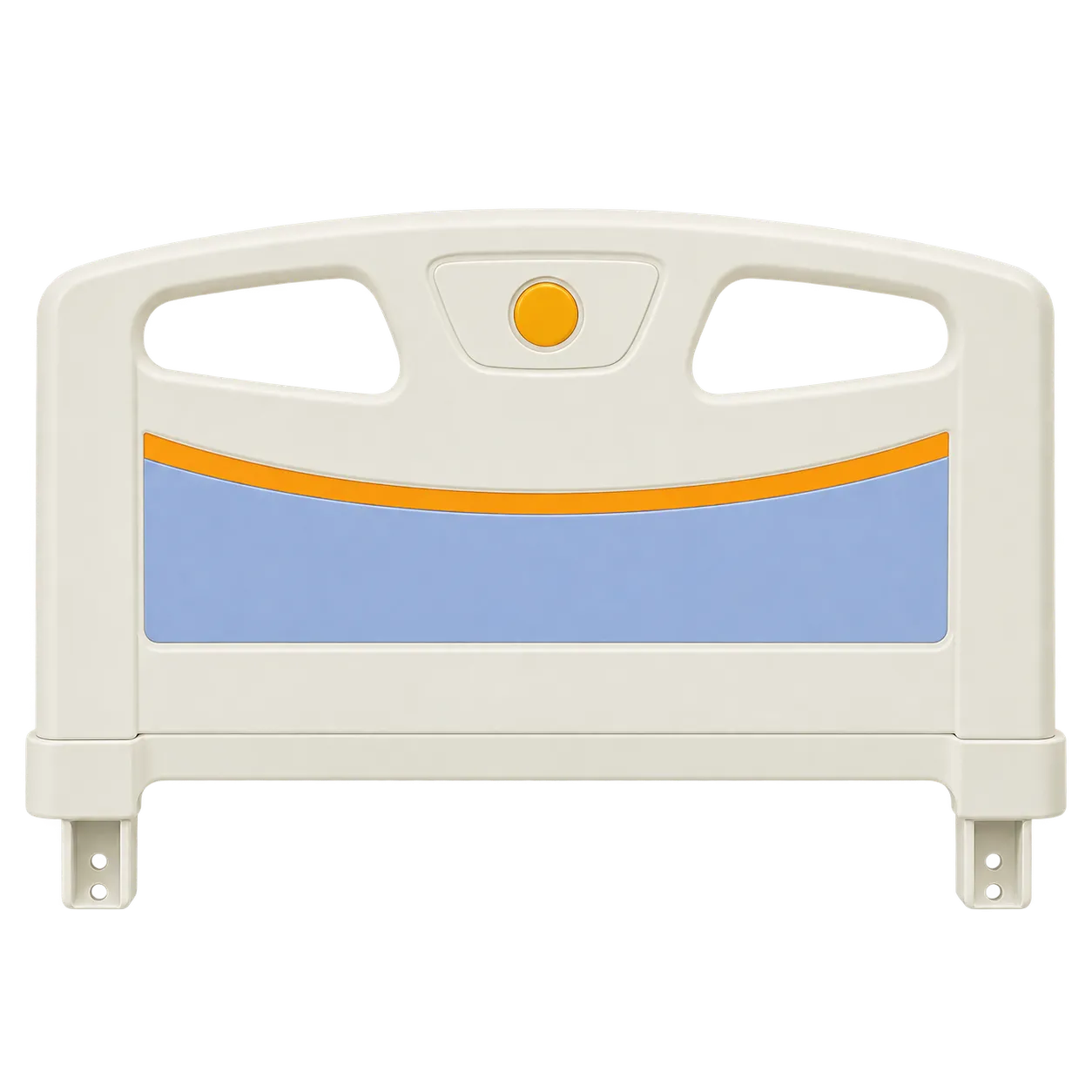

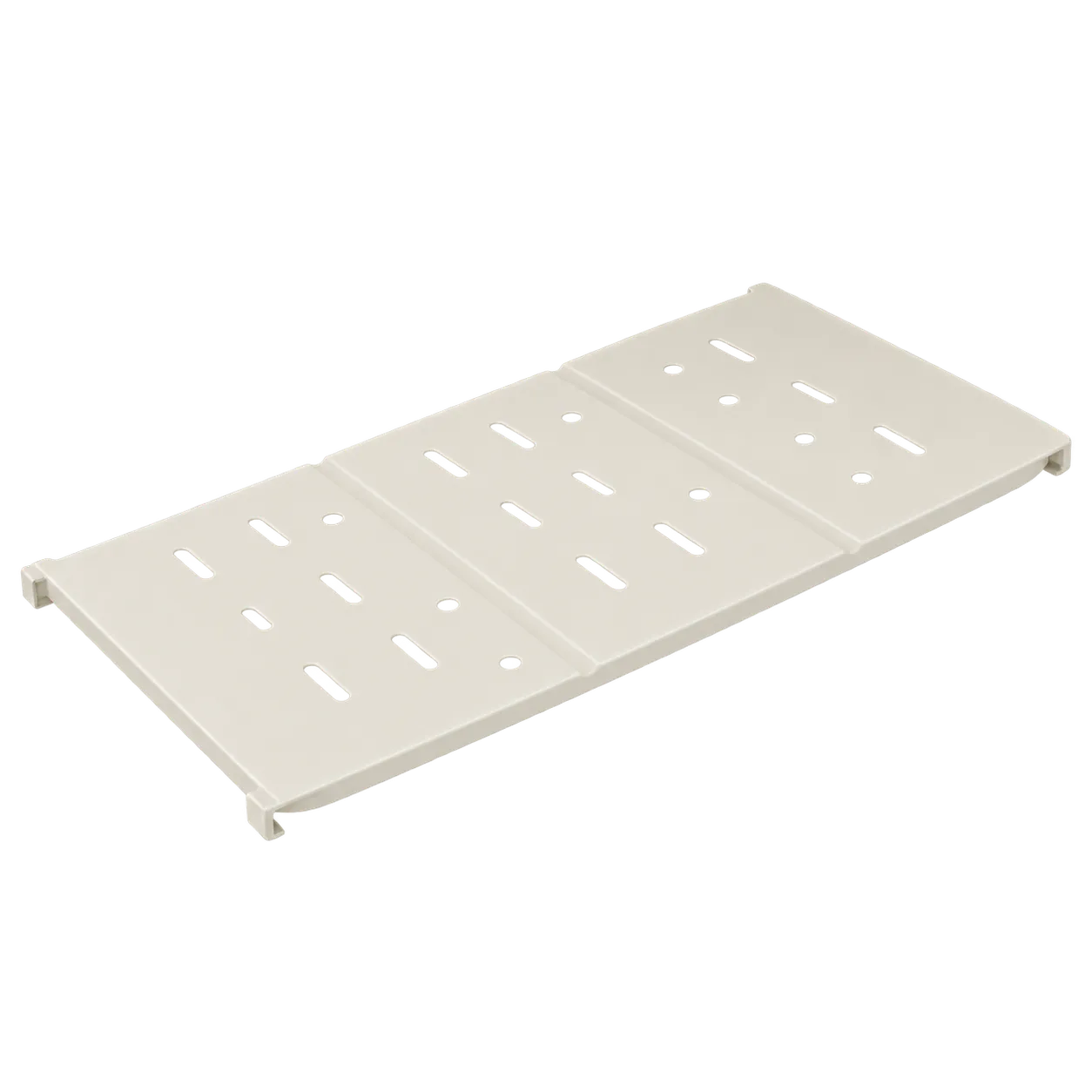

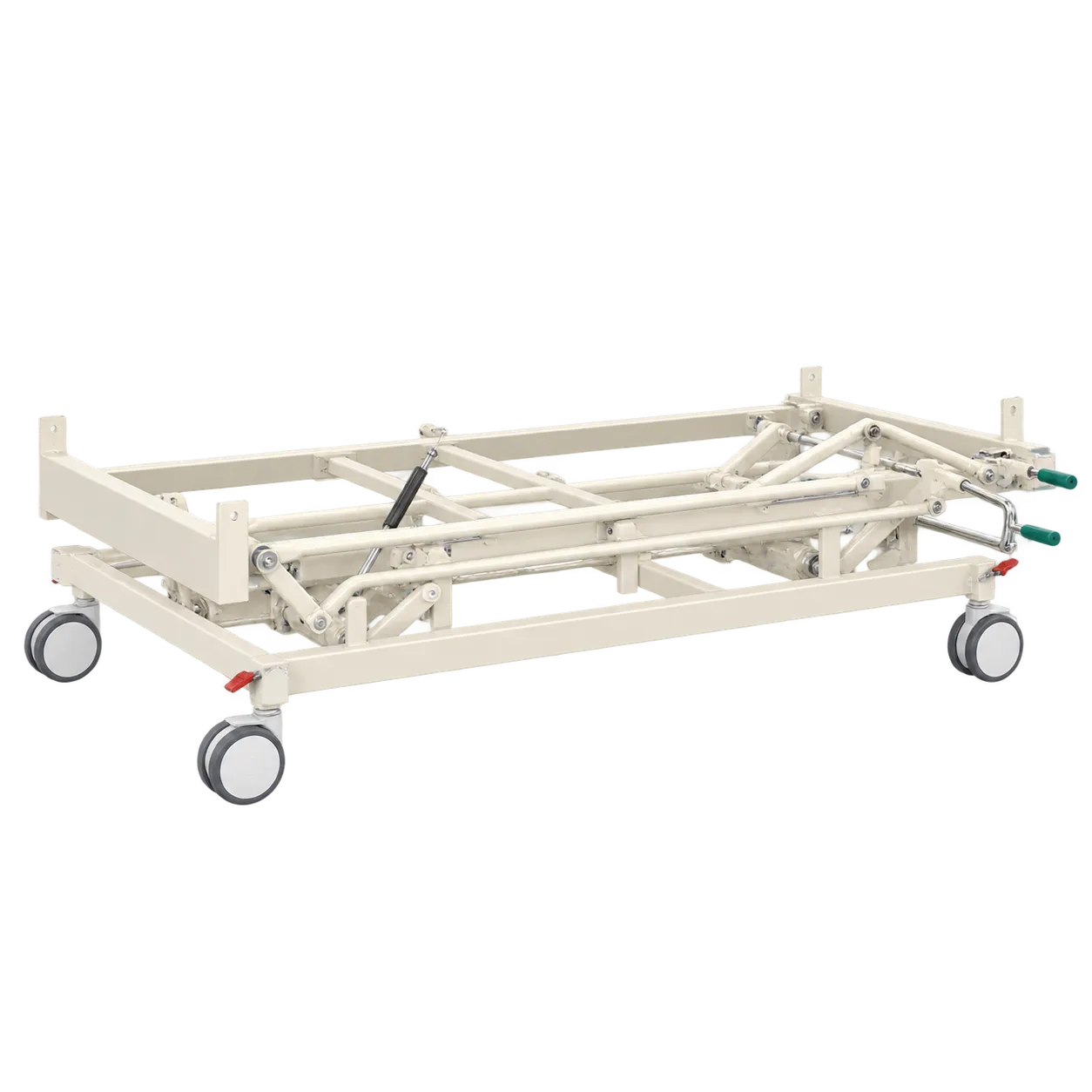
Care homes and nursing homes are the clearest fit for the A-5, because residents there often eat, take medication and receive visitors in bed. A backrest that raises them to sit, with a leg section that helps hold that position, lets a resident eat facing the plate, supported from the hips up.
General medical wards and older people's wards use three-function beds for patients who spend long periods in bed during an acute illness. Sitting up for meals, drinks and medication supports eating and hydration, and returning the backrest lower between meals follows pressure injury guidance for patients at risk of skin damage. Each patient's plan should set both angles, and staff should know how to judge them on a bed without published angle markings.
Rehabilitation, convalescent and palliative settings benefit where patients want to sit up to talk, read or see family without leaving the bed. Speech and language therapy input sets the eating position for anyone with swallowing difficulties, and the bed needs to hold whatever position that assessment prescribes.
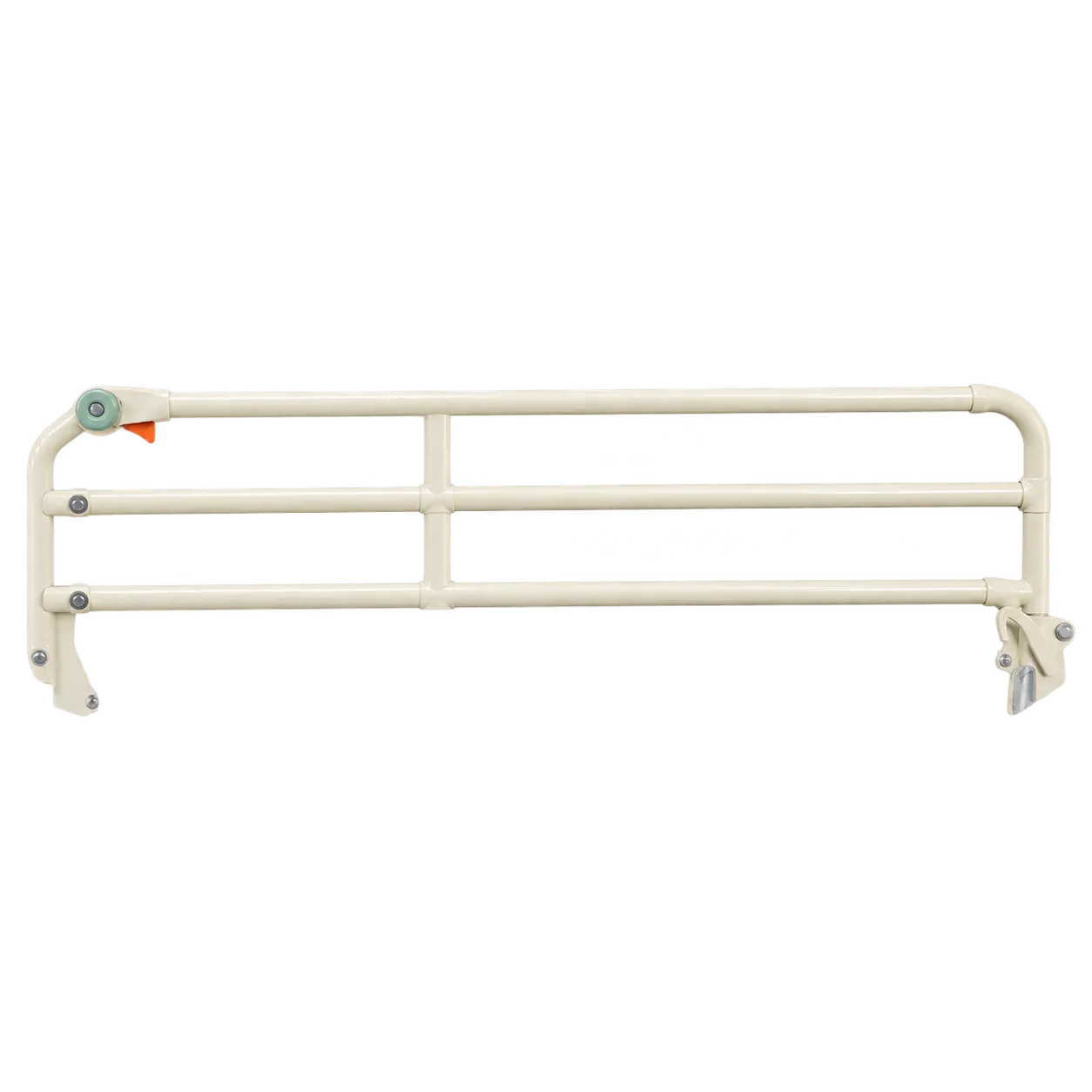
Where full-length rails are supplied, MHRA guidance governs their prescription, fitting and maintenance, and each patient needs an individual rail risk assessment covering the mattress in use.
The A-5 is a weaker fit for children, for bariatric or unusually tall patients until the load rating and platform length are confirmed, for care needing head-down tilt, and for wards that reposition patients in bed many times a shift.
Public procurement routes, including NHS frameworks, and equivalent tenders elsewhere ask for the declaration of conformity, the standard edition tested and the device class. The conformity documentation those procurement routes require is issued by the manufacturer and provided by the seller.