
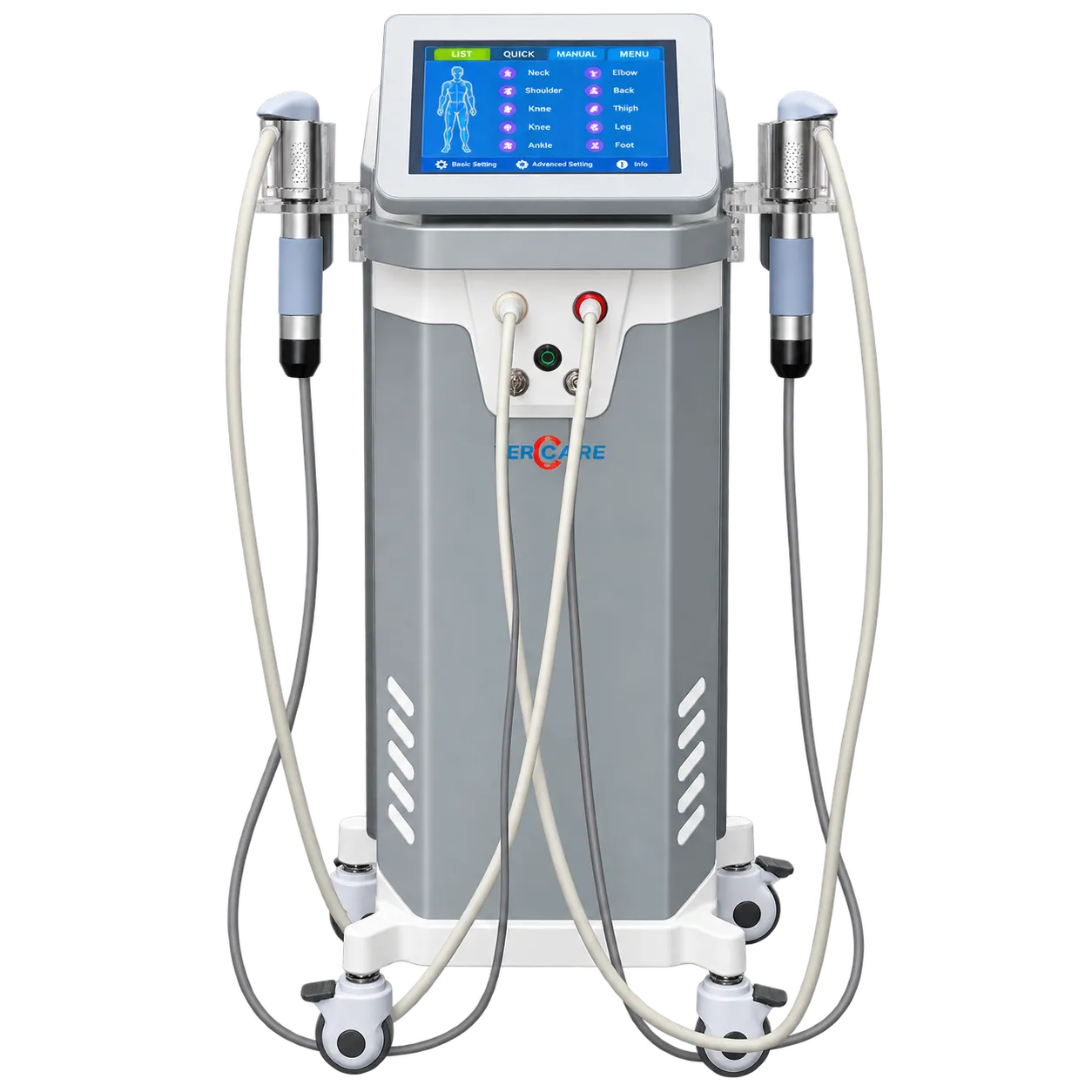
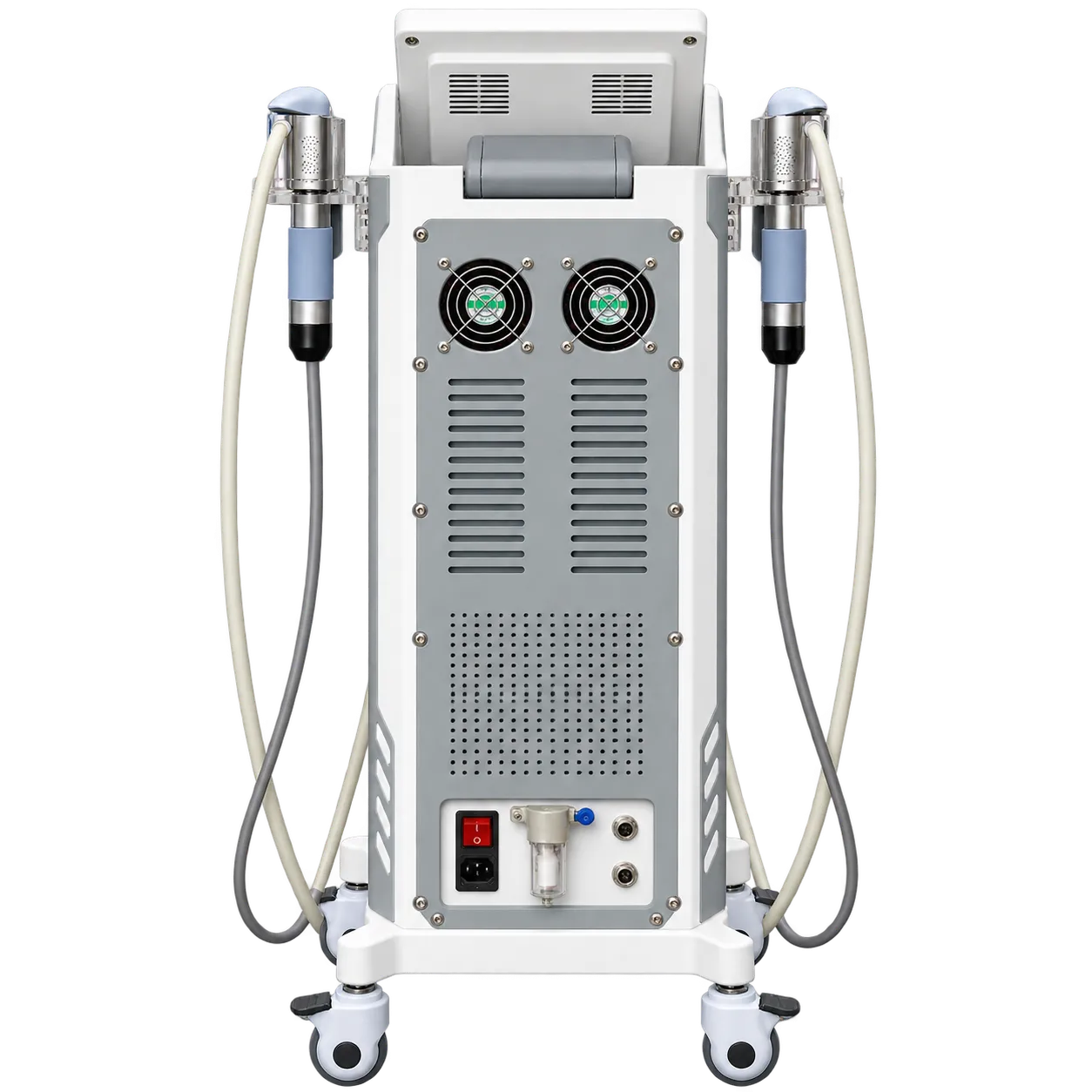
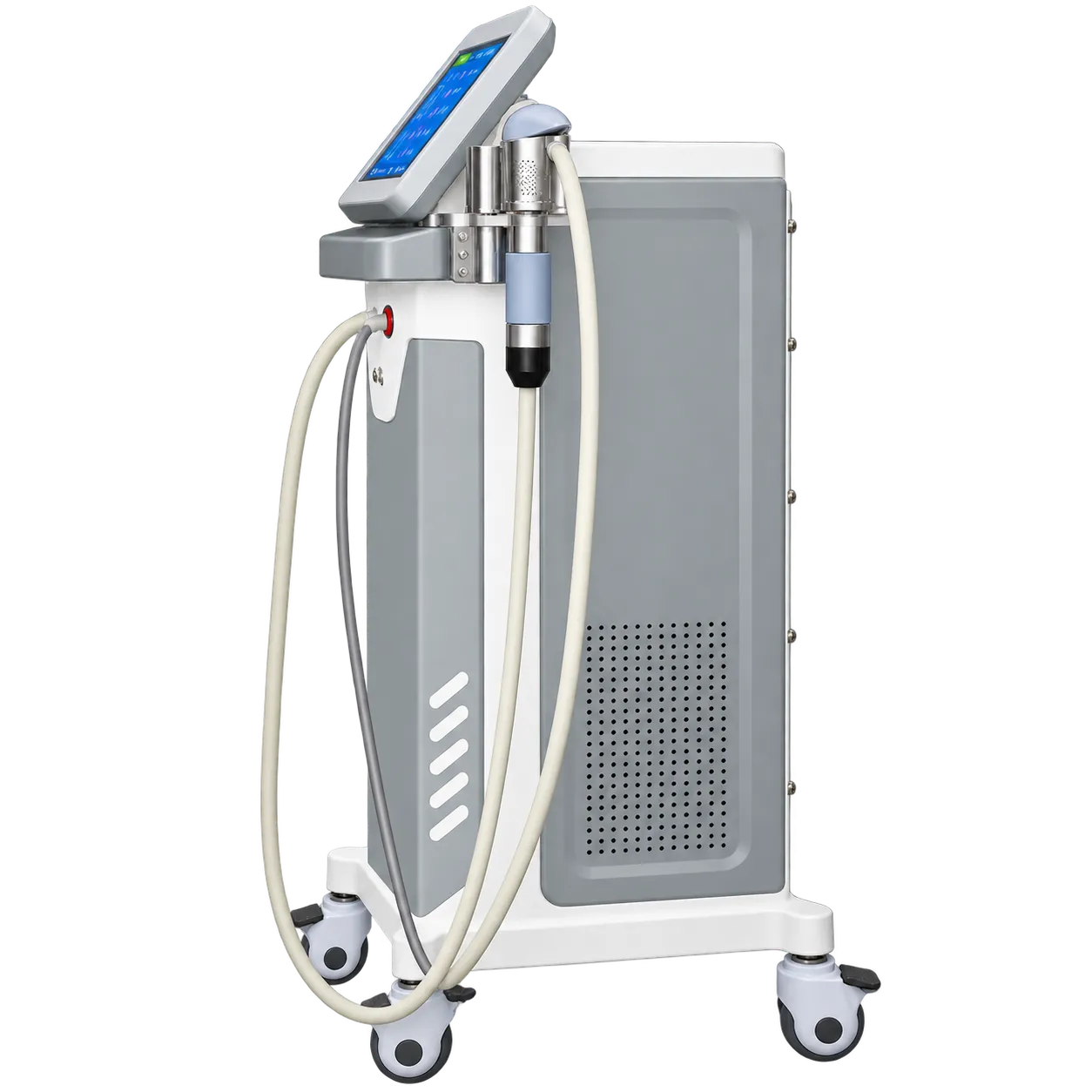
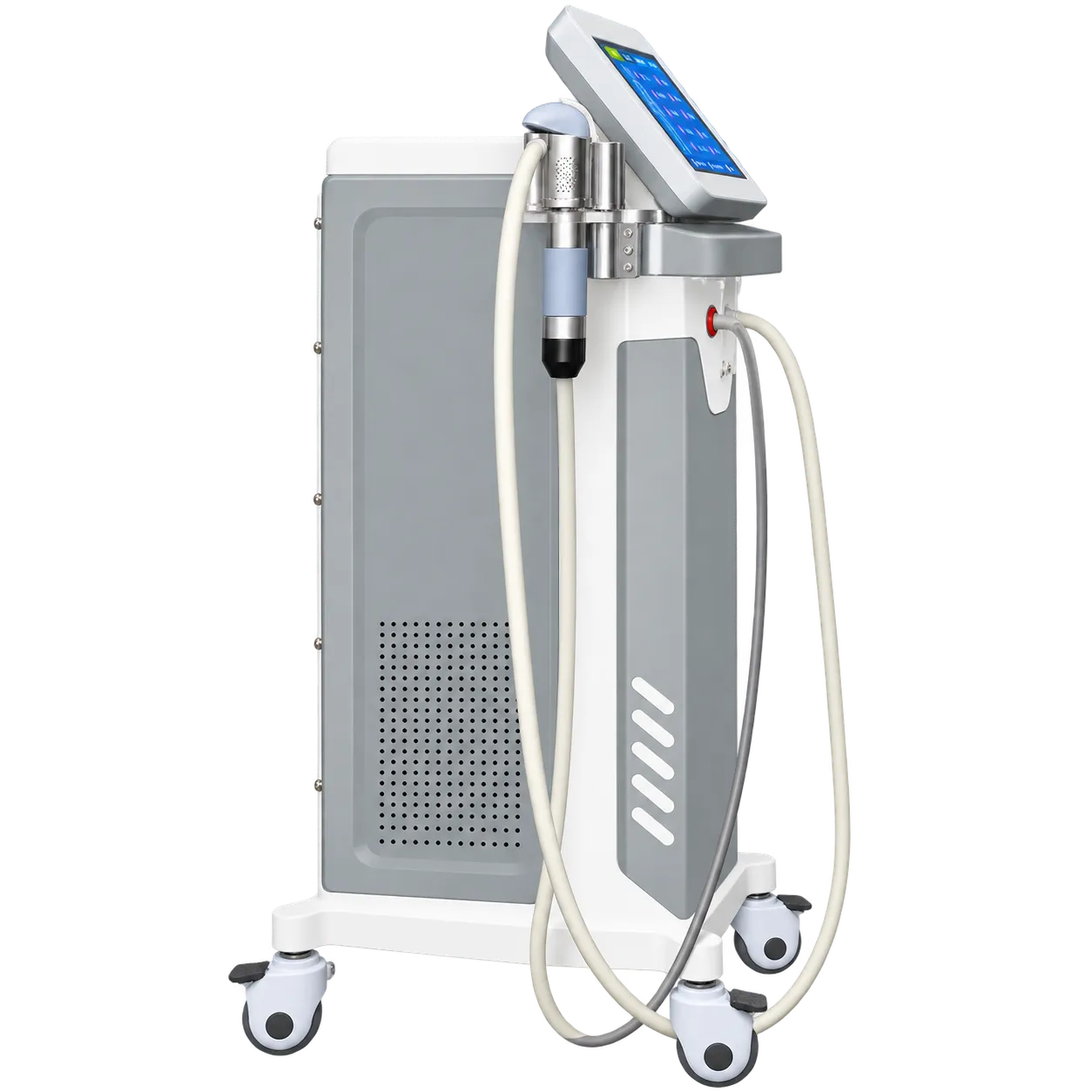
The TA06+6 is sized for busy musculoskeletal physiotherapy departments, sports medicine clinics, orthopaedic outpatient services, and rehabilitation units where shock wave treatment makes up a large share of the daily list. Its shock wave handles address chronic tendon and fascia problems that have not settled with exercise and load management, and its ultrasonic handles cover general soft tissue work.
Shoulder cases show why careful selection matters. NICE guidance from 2022 on calcific shoulder tendinopathy, now numbered HealthTech guidance 645, recommends shock wave therapy only in research, and its evidence overview includes a 45-patient trial that tested focused, radial and combined shock wave. For refractory plantar fasciitis and Achilles tendinopathy, NICE saw no major safety concerns but found efficacy evidence inconsistent and asks for special arrangements for governance, consent and audit. Trial results diverge: a placebo-controlled study of 245 patients with chronic plantar fasciitis favoured radial shock wave, while a 2024 Norwegian trial found no significant difference at six months once advice and customised orthoses were in place.
Ultrasound's record is thinner. A 1999 review of 38 trials found no clinically important effect in most of the well-conducted placebo-controlled studies, and a 2020 Cochrane review found little or no difference from placebo in chronic low back pain. Later meta-analyses report modest pain relief in knee osteoarthritis and neck pain from trials their authors rate as limited in quality.
The practical use is shock wave treatment of well-selected refractory cases under an audited protocol, in a clinic with enough volume to keep two hands working, and ultrasound as a secondary tool pending its specification.
The conformity documentation required for those procurement routes is issued by the manufacturer and provided by the seller.