
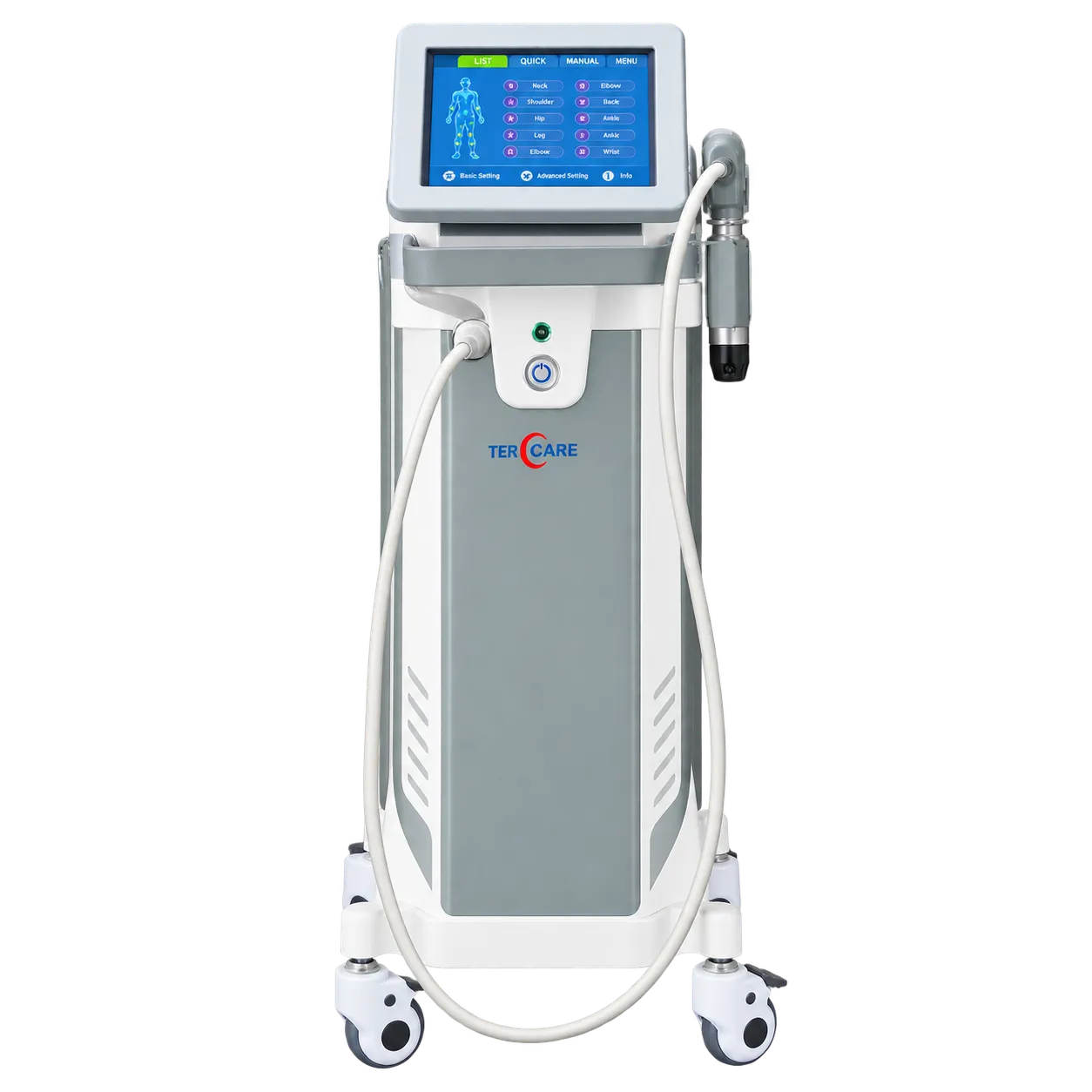
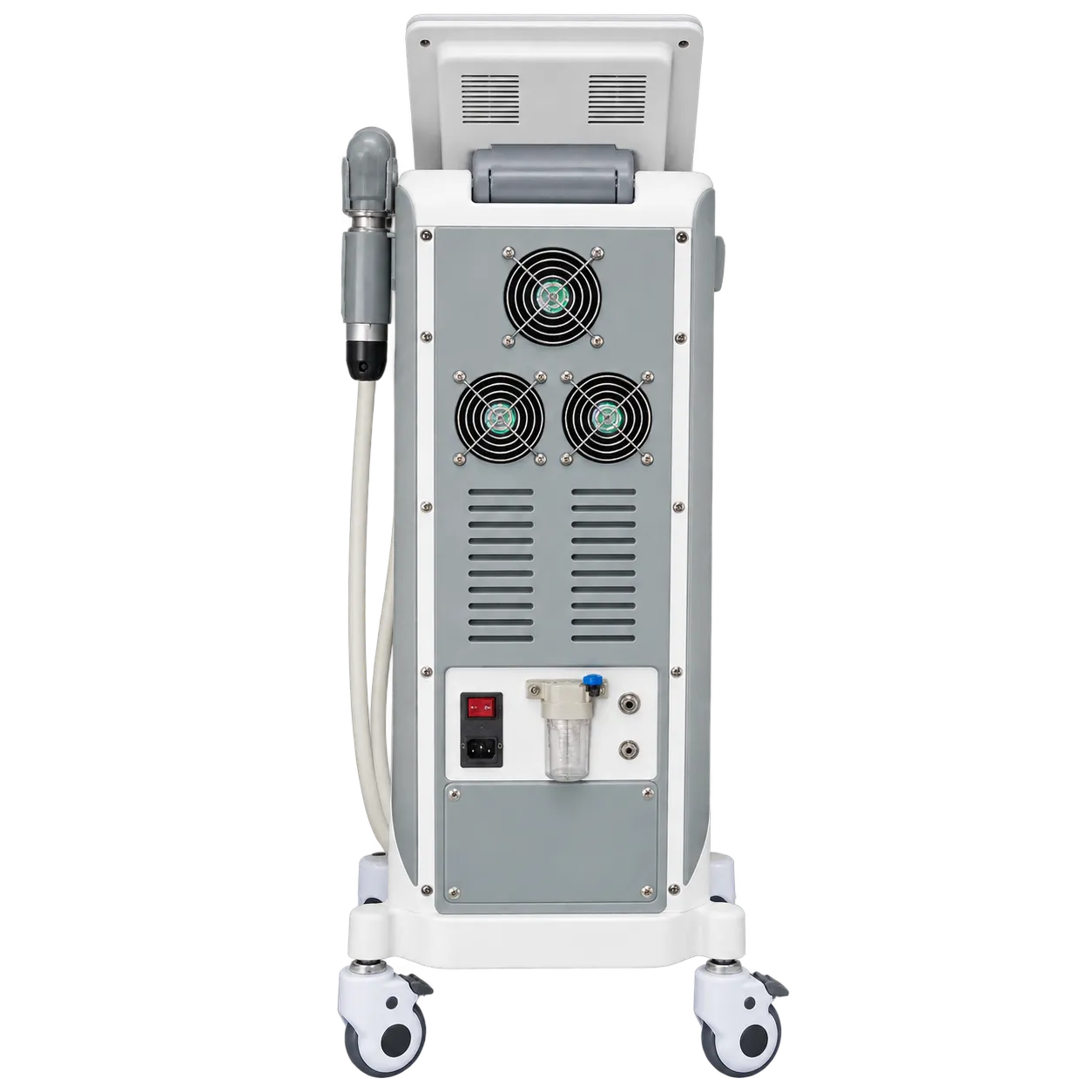
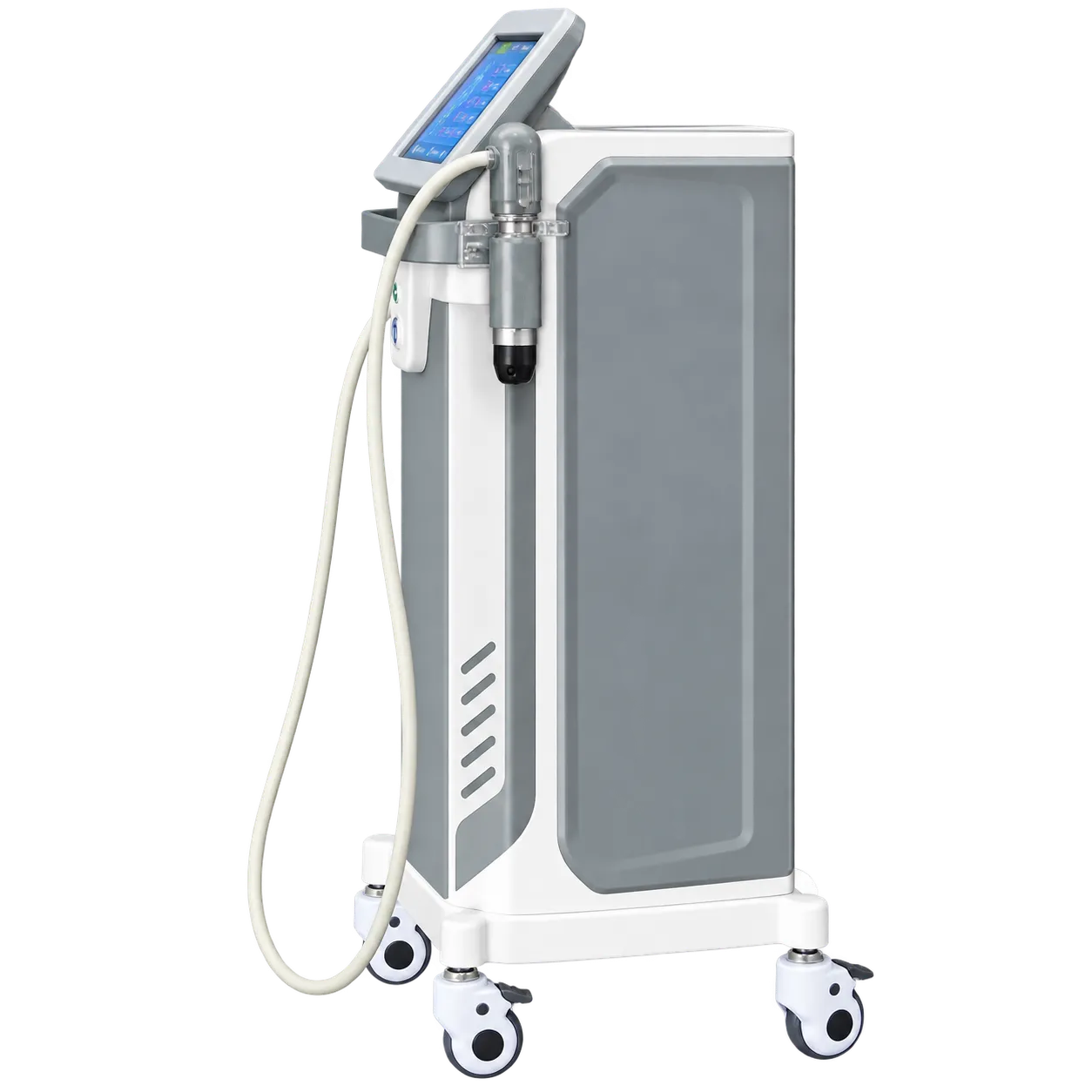
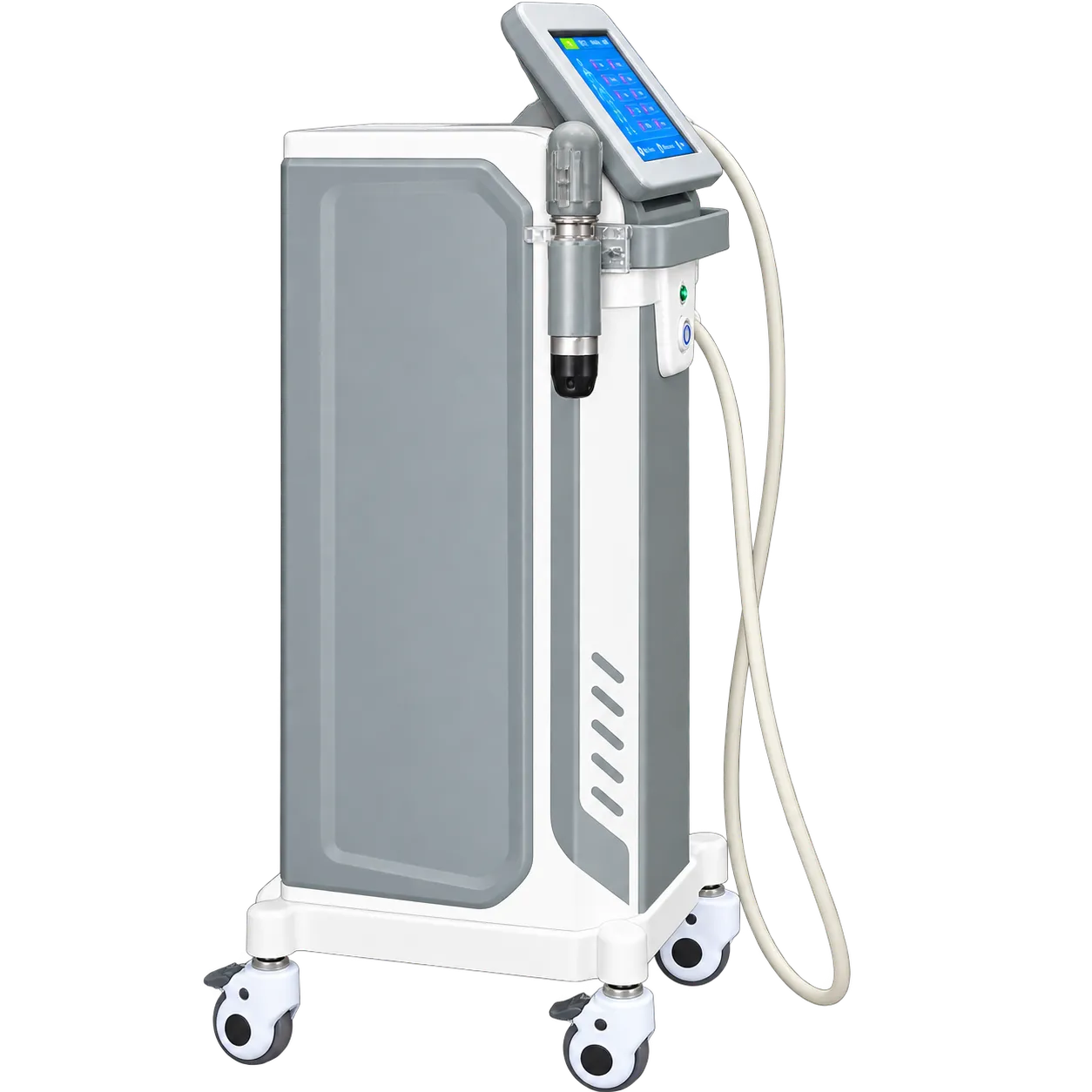
The TA06 is sized for podiatry and foot health clinics, musculoskeletal physiotherapy outpatients, sports injury clinics and small private practices, particularly those working from narrow cubicles or rooms shared between several clinicians. Its footprint and castors let one unit serve a corridor of treatment rooms.
Buyers from podiatry should read the heel-pain evidence closely before building a service around it. A 2024 double-masked, sham-controlled trial in the British Journal of Sports Medicine found that radial shockwave, added to advice and customised orthoses, produced a six-month change in heel pain similar to sham treatment, exercise, or orthoses alone. In the UK, NICE guidance IPG311 limits ESWT for refractory plantar fasciitis to special arrangements for governance, consent and audit or research, and NICE takes the same position on Achilles tendinopathy in HTG426. A heel-pain service can still run, but it should run as an audited one, with patients told plainly about the uncertainty.
The stronger case is calcific rotator cuff tendinopathy, for which a 2025 guideline from the Journal of Orthopaedic and Sports Physical Therapy permits shockwave therapy once imaging shows the deposit. Lateral elbow pain and myofascial trigger points are frequent outpatient targets, and both sit shallow enough for pressure that peaks at the surface. Texua also names urology among its intended fields, and any service considering that use should review its evidence and regulatory position separately.
The unit belongs where the target can be located by touch or by imaging done elsewhere in the pathway. Tenders through NHS procurement routes typically require the device class, the conformity file, and electrical test records; equivalent public procurement asks for the same. The conformity documentation those procurement routes require is issued by the manufacturer and provided by the seller.