
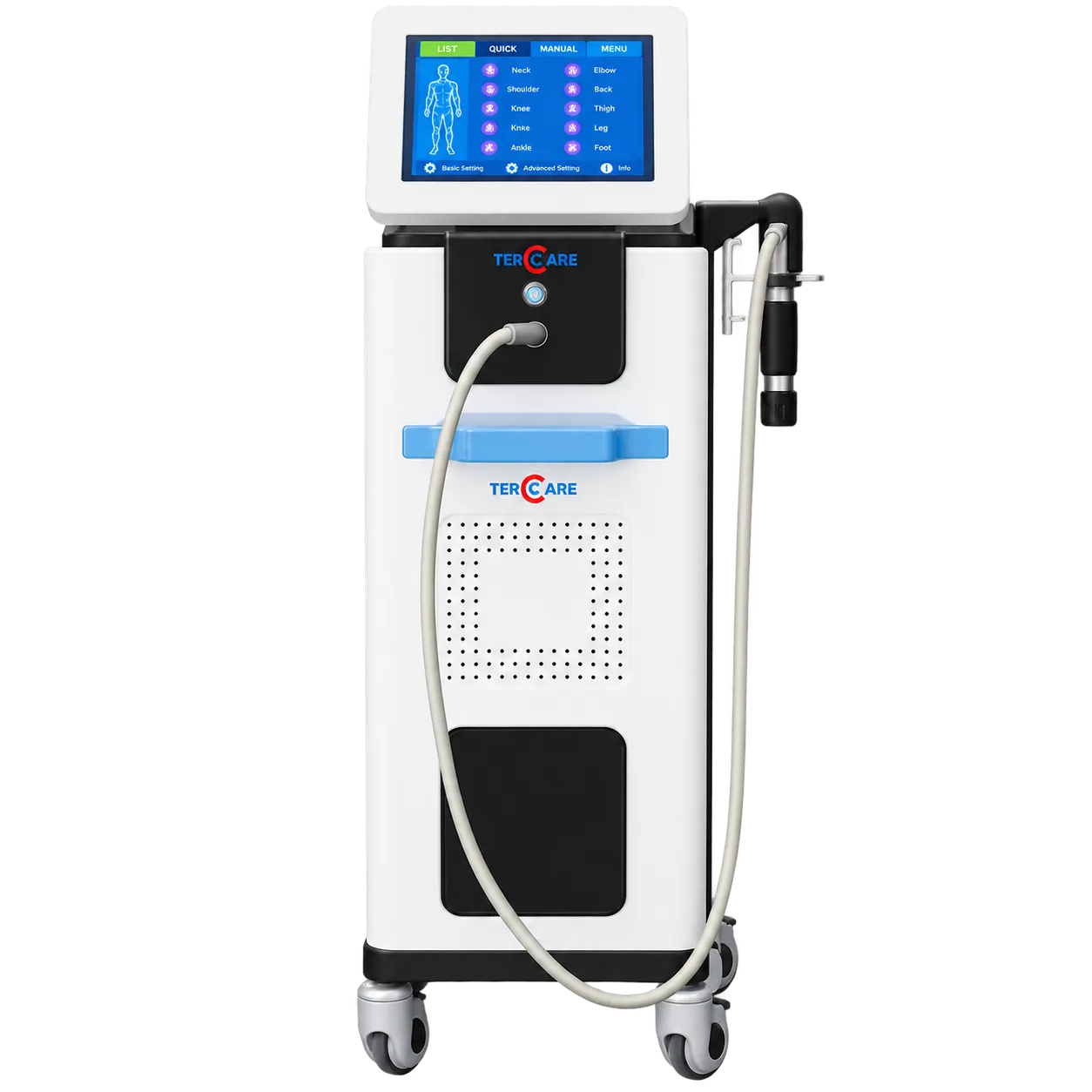
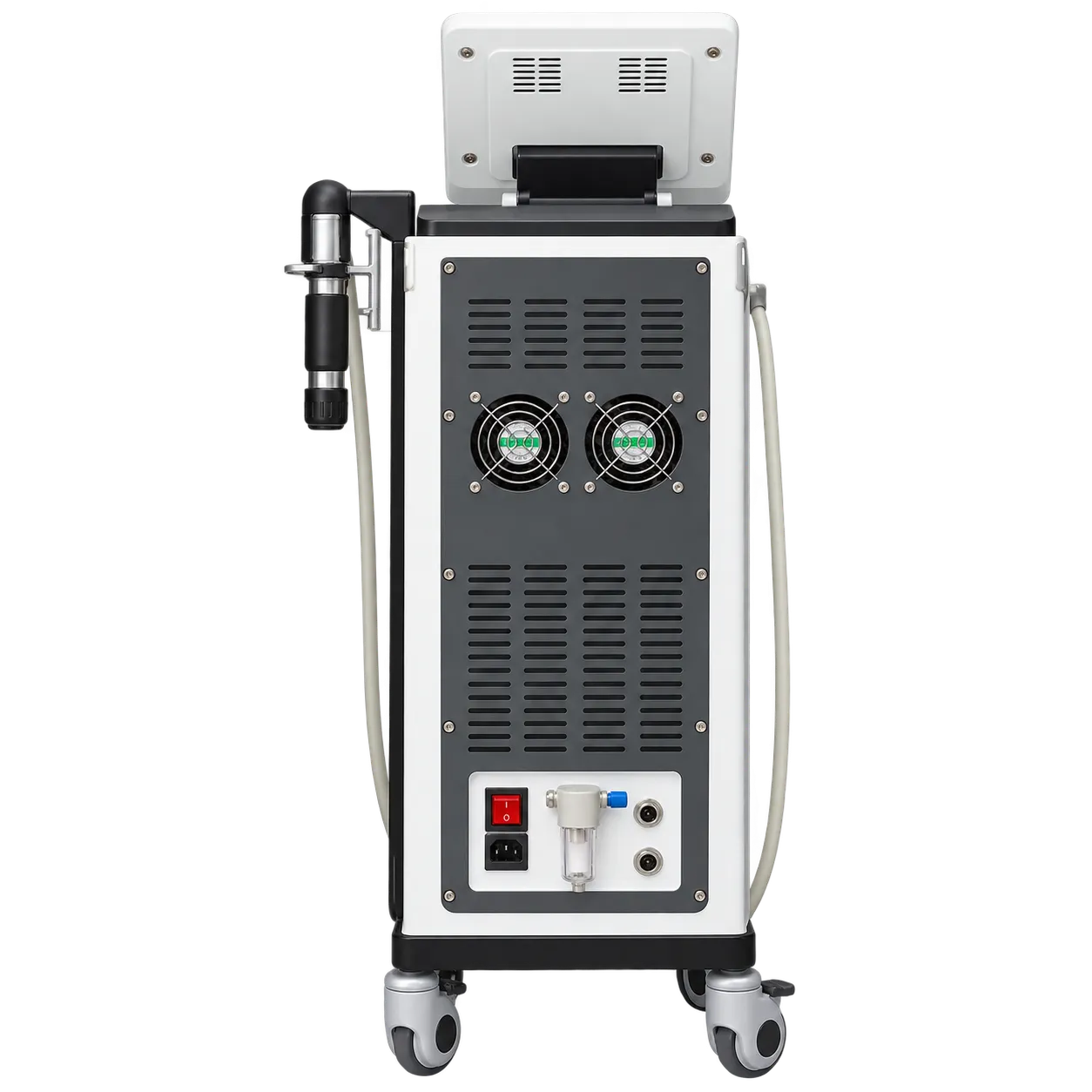
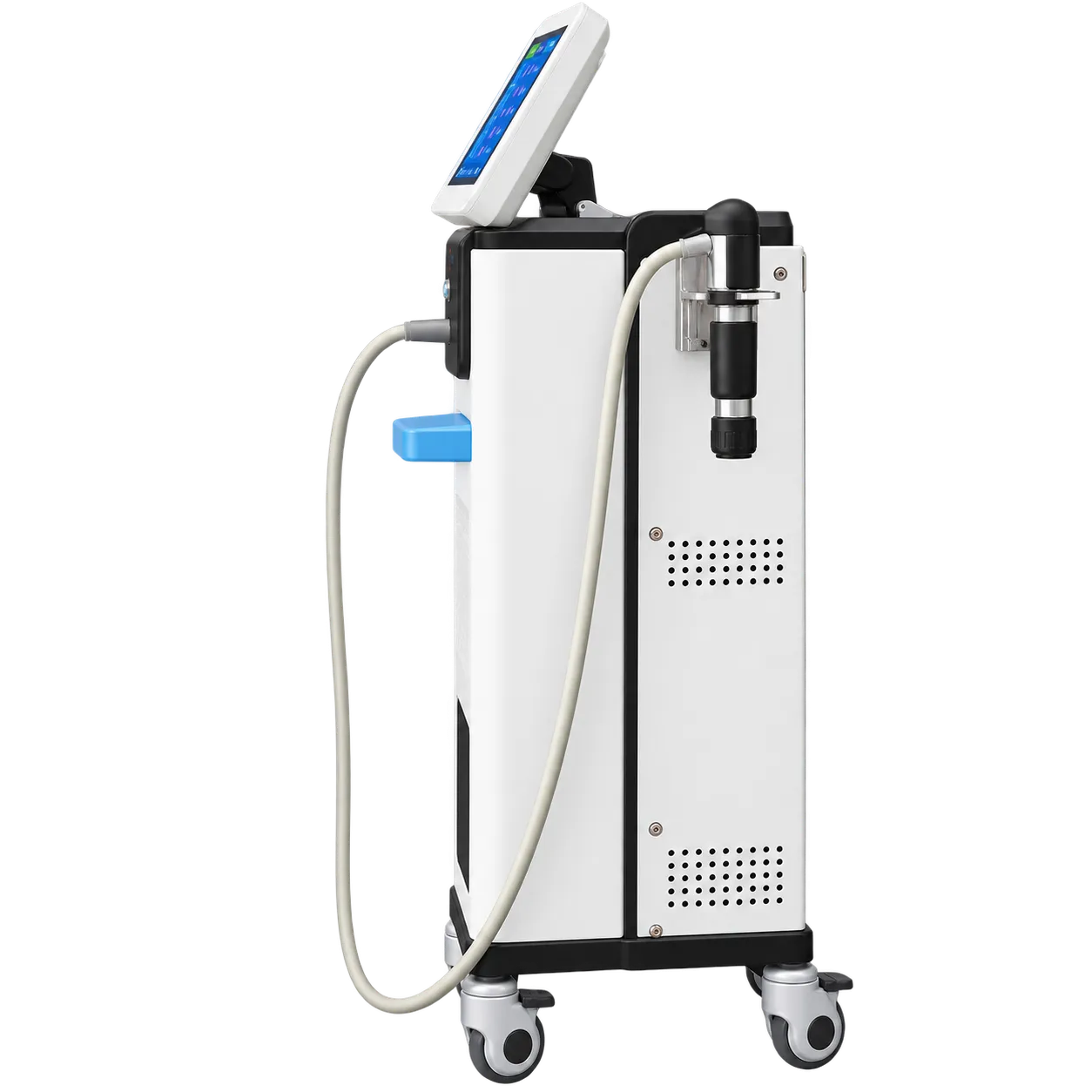
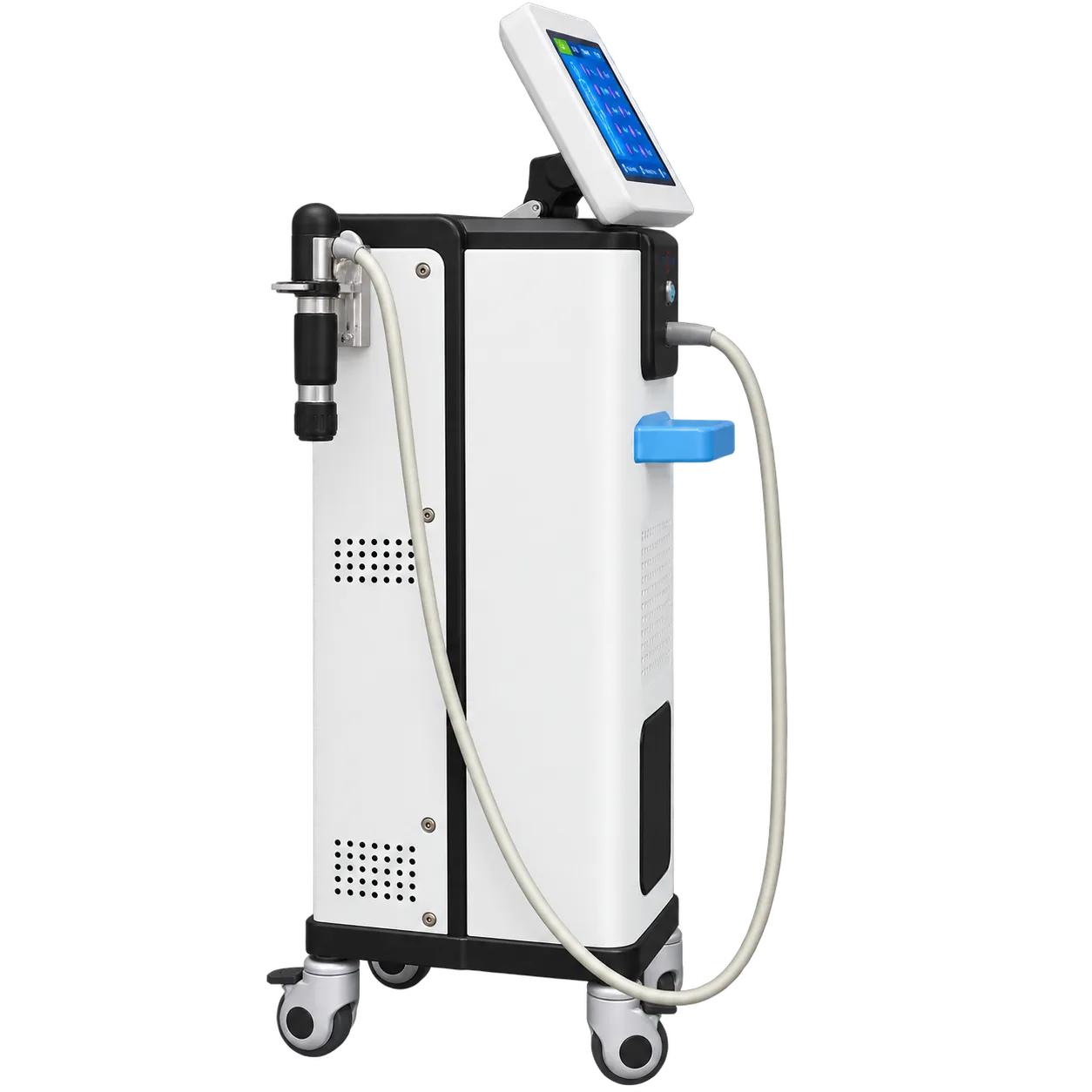
Hospital physiotherapy outpatients, rehabilitation units, sports medicine clinics and orthopaedic follow-up services are the settings where the T908 fits best. Its low starting settings suit services that see many first-time patients, where a gentle opening session may help people stay with a full course.
Likely targets include shallow soft-tissue problems that persist despite a proper exercise programme. In the UK, NICE permits shockwave therapy for refractory plantar fasciitis and Achilles tendinopathy only with special arrangements for governance, consent and audit or research, because efficacy findings have been inconsistent. For the shoulder, a 2025 clinical practice guideline published in the Journal of Orthopaedic and Sports Physical Therapy allows shockwave therapy for calcified rotator cuff tendinopathy and recommends against it for non-calcific tendinopathy, so imaging should come first. Lateral elbow pain and myofascial trigger points round out a typical outpatient list.
The patient-experience case is well grounded. Pain during treatment is the most reported side effect, and trial protocols have lowered pressure and frequency when patients struggled, so a device that starts at 0.5 bar and 1 Hz gives the clinician room to work below the 1.5 to 3.0 bar range reported in the NICE-summarised trial. Services should still record each patient's settings, response, and outcomes, which also supports the audit NICE expects. Urology appears in Texua's own list of fields, but that use would need a separate look at evidence and regulation.
Hospital buyers going through NHS procurement routes will be asked for the device classification, conformity paperwork,k and proof of electrical safety testing;d equivalent public procurement elsewhere asks the same. The conformity documentation those procurement routes require is issued by the manufacturer and provided by the seller.