
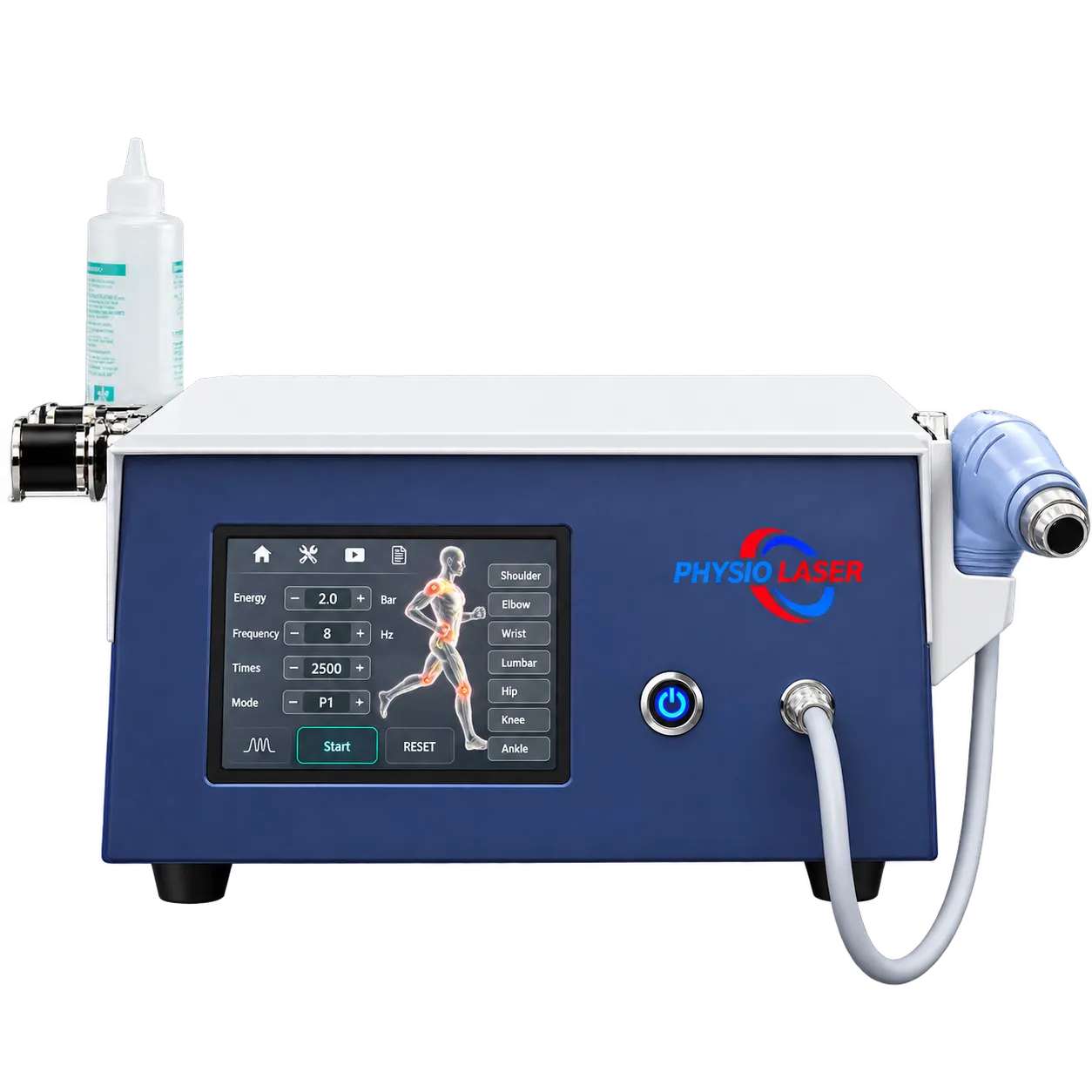
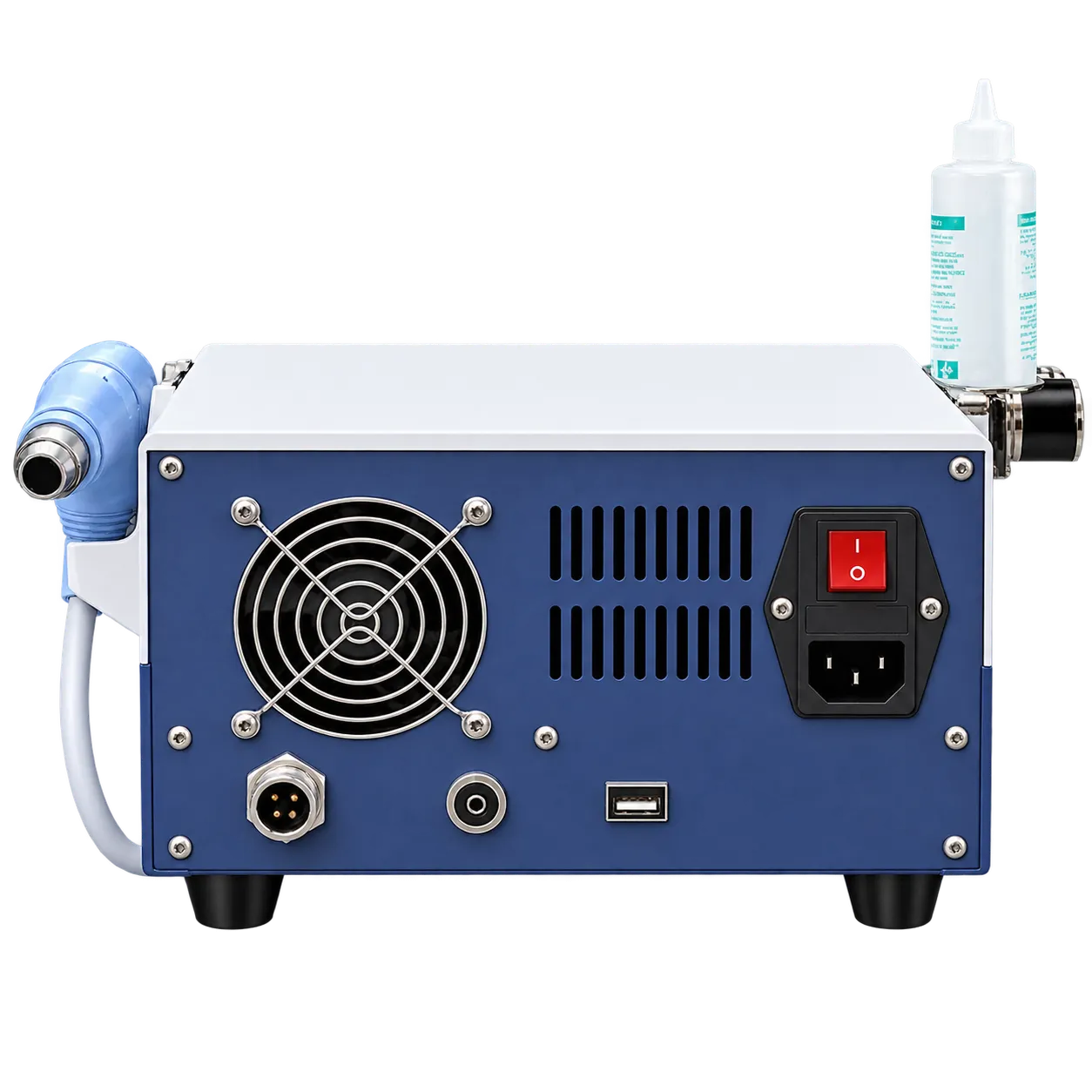
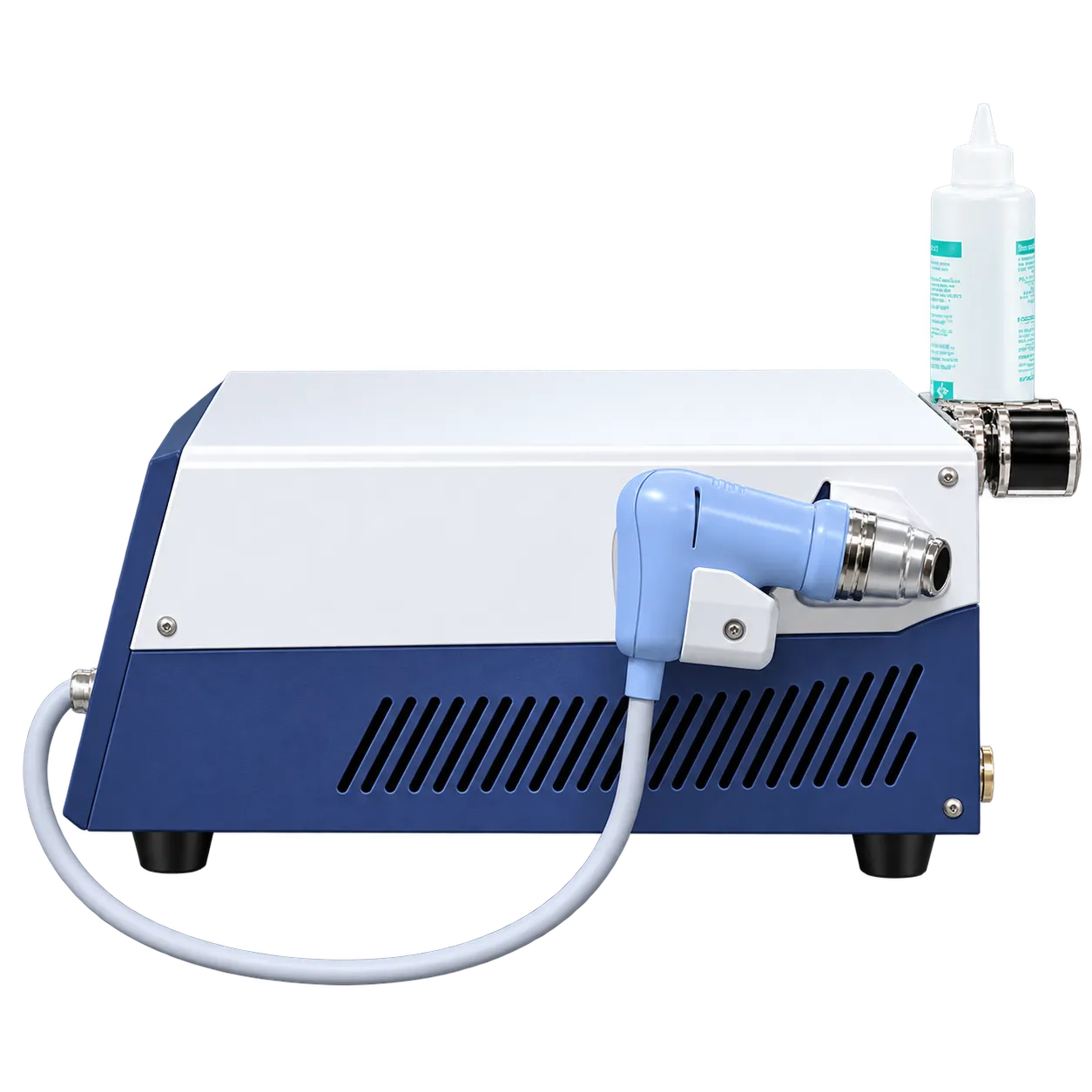
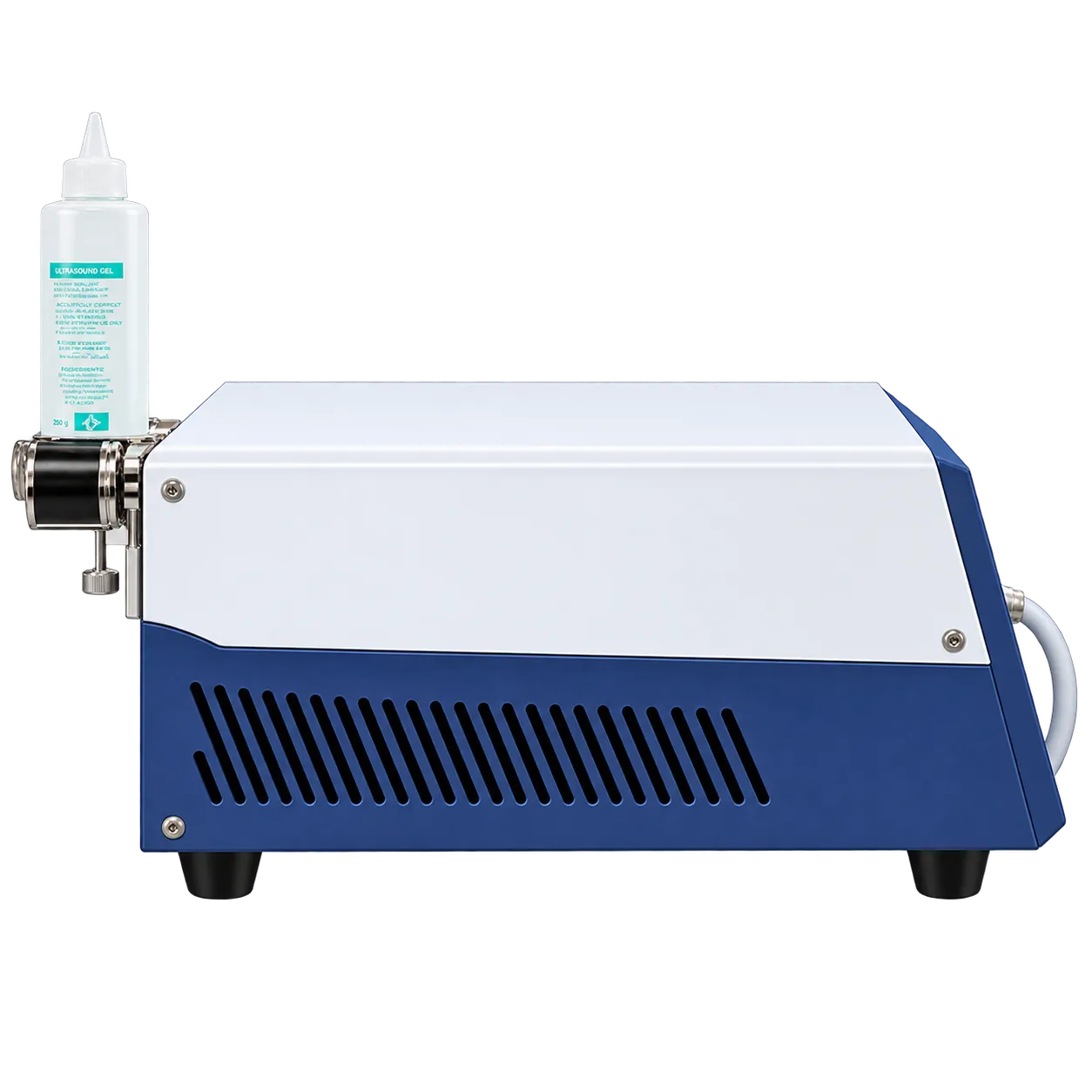
Lateral elbow tendinopathy and patellar tendinopathy are the two presentations this page focuses on, and both sit close enough to the surface for radial energy, which is strongest where the transmitter meets the skin. Evidence for shockwave in each is mixed. Where it is used, it usually runs alongside a loading programme, often as a short course of weekly sessions with pressure, frequency and impact count recorded each time.
Each site brings its own screening questions. At the elbow, nerves run close to the common extensor origin, and major nerves in the treatment area were among the conditions on which the 2025 expert consensus could not agree, so transmitter placement deserves thought. At the knee, the patellar tendon of an adolescent inserts beside an open growth plate, which ISMST treats as a relative contraindication. Adults on anticoagulants bruise more readily at either site.
The sessions themselves are short. A 2,000-impact session at 5 Hz takes under seven minutes, leaving room in an appointment for the part the console cannot do: asking the screening questions, explaining the likely redness or petechiae, checking the skin afterwards, and recording what was used. A clinic that builds those steps into its template avoids relying on memory when the list is busy.
NICE's special arrangements for plantar fasciitis and Achilles tendinopathy make a sensible model for elbow and knee work too: written patient information, governance oversight and audit of every patient treated. NHS physiotherapy departments, sports medicine services and private practices each buy through their own routes. Whichever route applies, conformity paperwork originates with the manufacturer and reaches the buyer through the seller.