
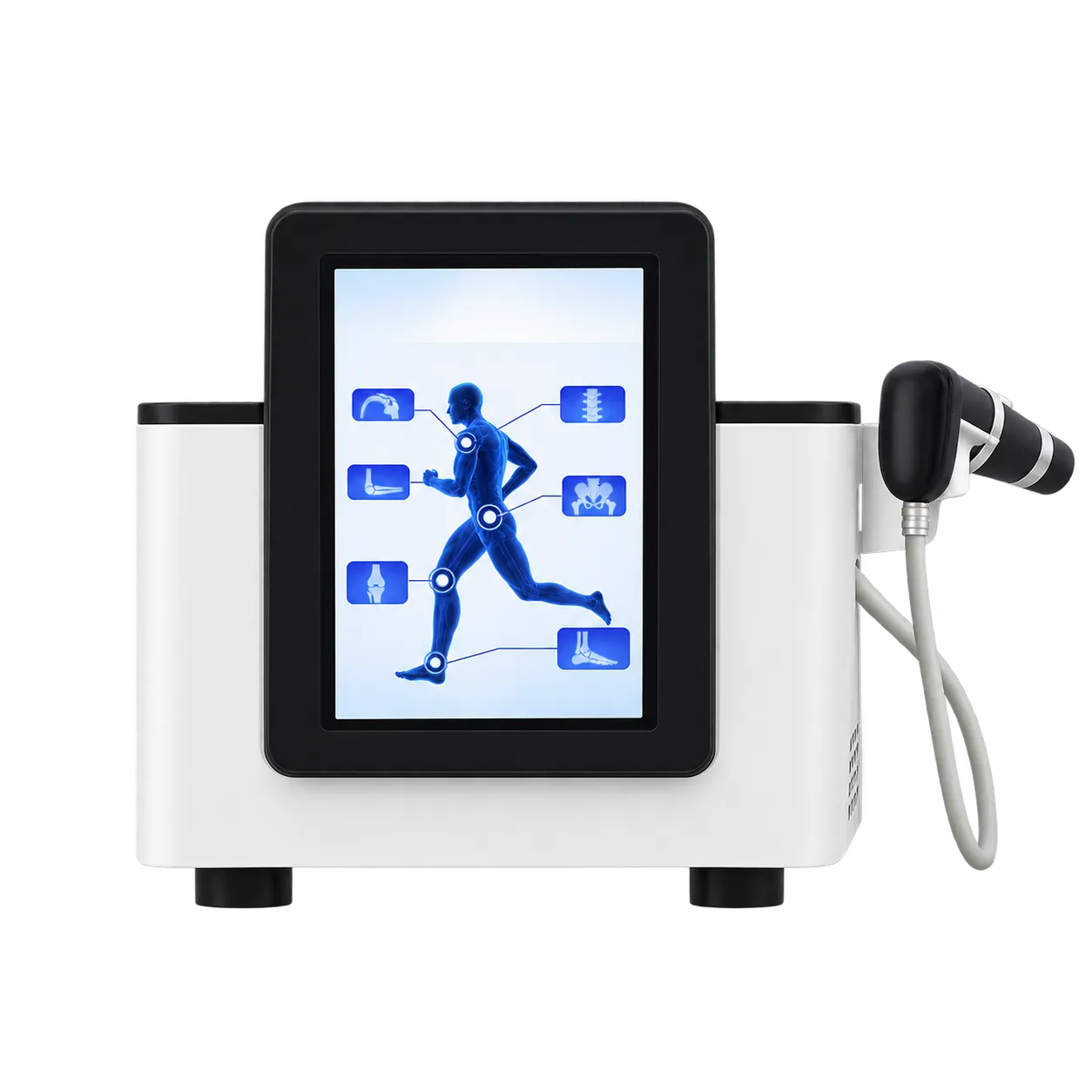
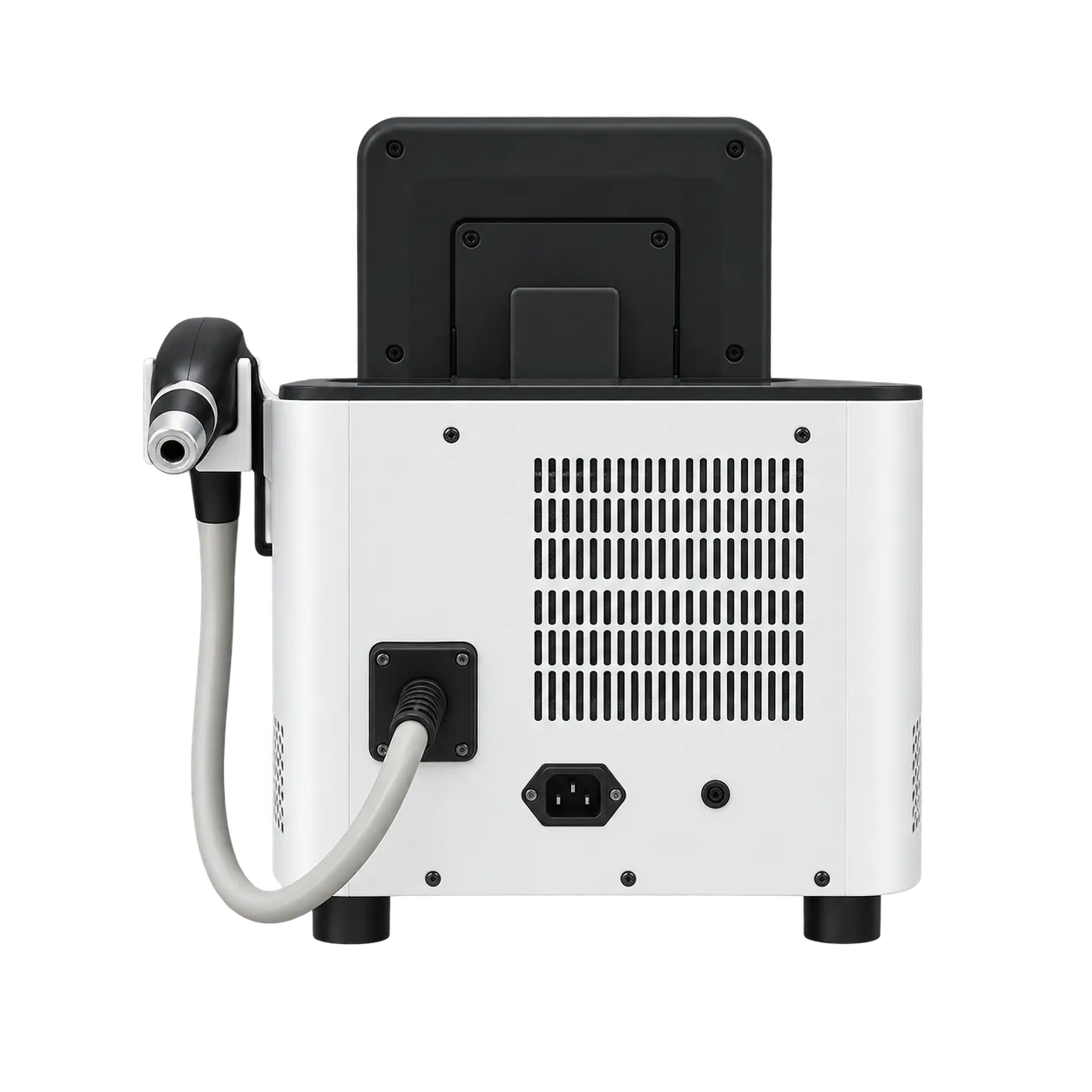
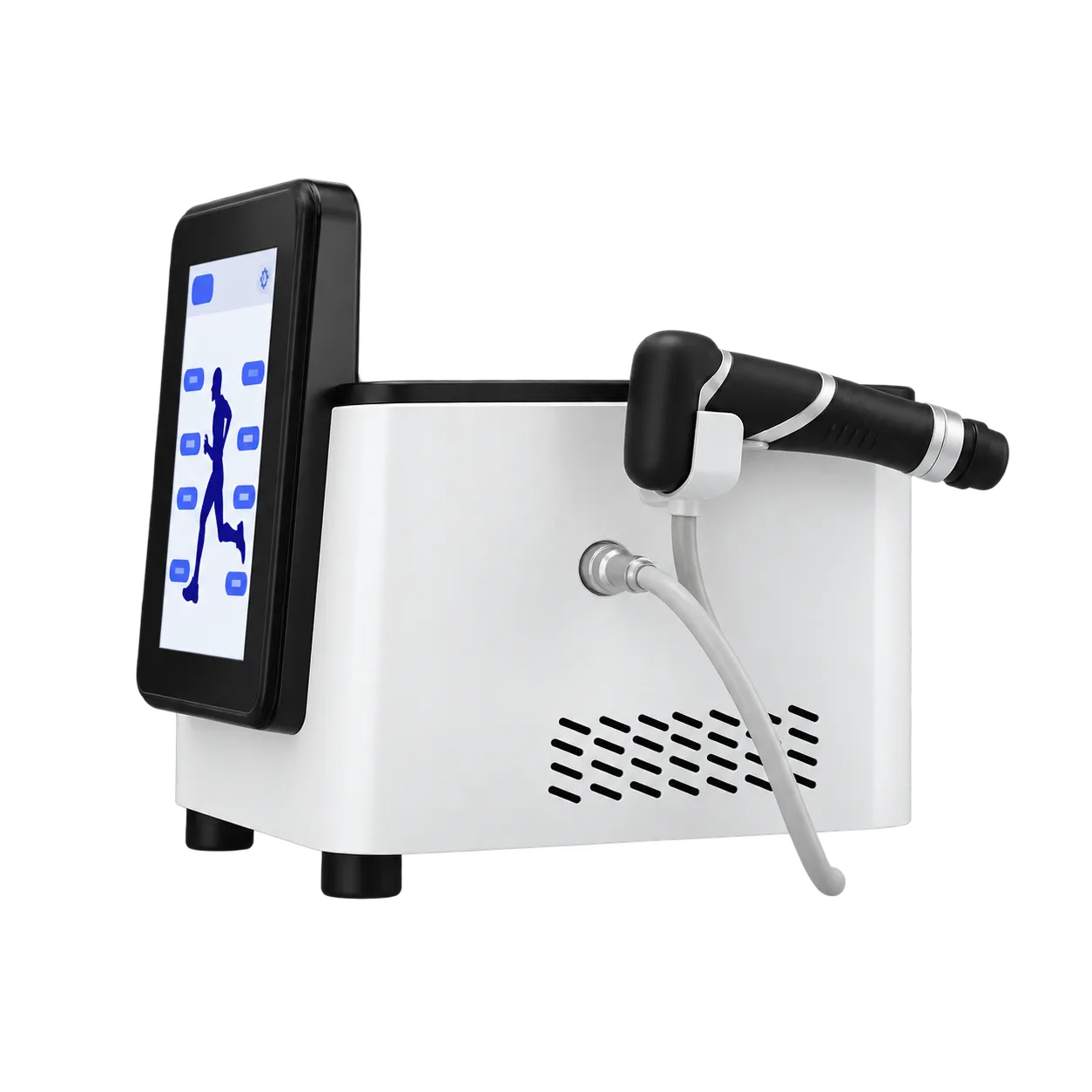
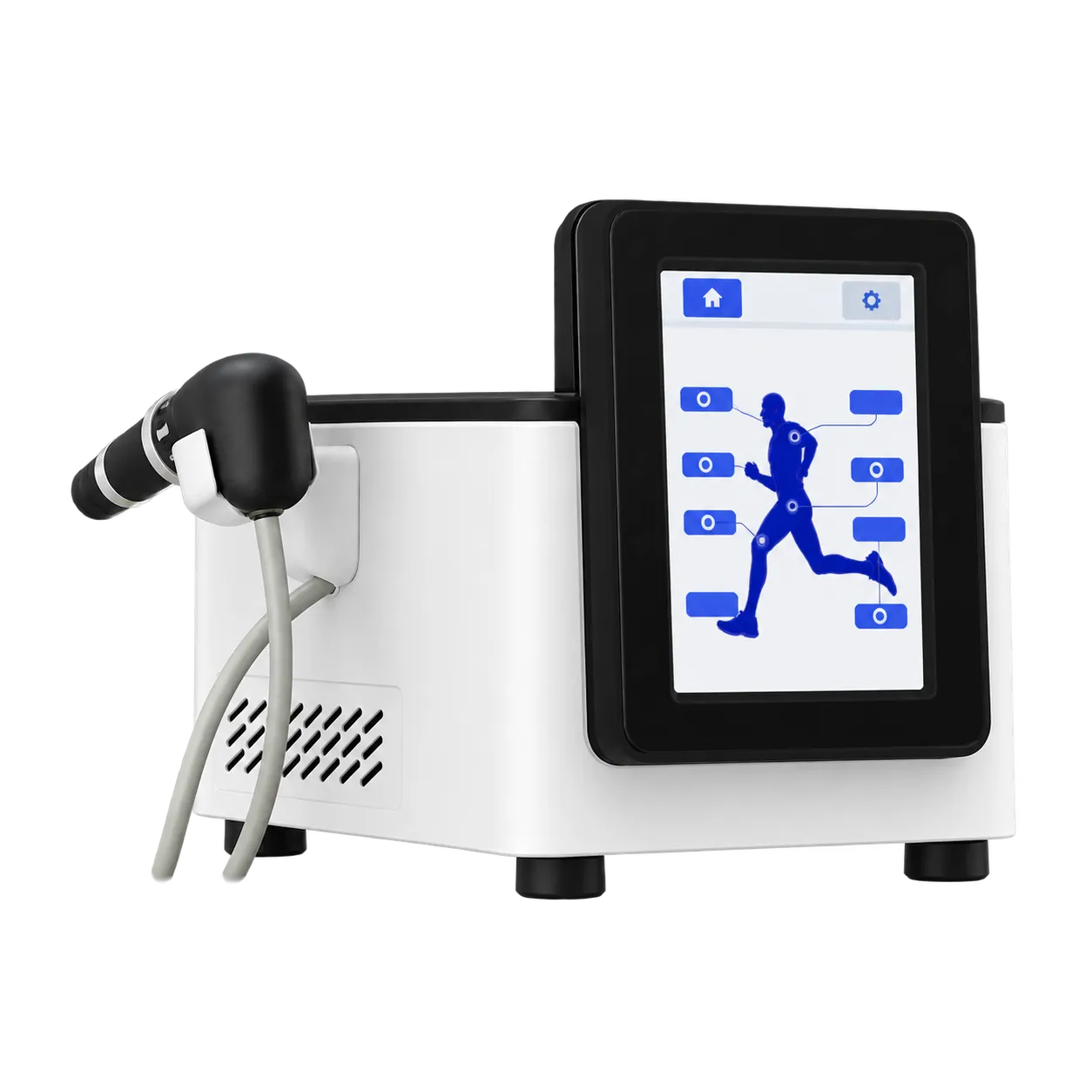
The buyer is a musculoskeletal service that will run this machine hard: a physiotherapy or osteopathy practice with a full diary, a podiatry clinic, or a rehabilitation setting where shockwave is sold as a course rather than an occasional extra. Those services hit component life fastest and gain most from planning around it.
Treatment-wise, the range covers what a 10 bar radial unit is expected to do. Heel pain, elbow and Achilles tendinopathy, patellar tendon problems and lateral hip pain make up the tendon work, while calf and hamstring muscle treatment and trigger points across the back fill out a typical week.
Two operating disciplines matter more here than the settings. The first is a wear log: date, head used, impulses fired, and any change in how the handpiece sounds or feels. The second is a stock rule: reorder heads at a threshold rather than when the last one fails mid-list.
Session records still need the clinical detail alongside that: pressure, rate, count, head and region, with the patient's response. The two logs answer different questions, one about the machine and one about the treatment, and a service that keeps both can explain either when asked.
Noise deserves a mention in room planning. A percussive handpiece firing for several minutes carries through a stud wall, so a unit that spends the afternoon next to a consulting room will be heard. Where the building allows a choice, put it in the room furthest from anywhere quiet.
Sole practitioners generally buy direct, while group practices route it through a practice manager who also owns the spares list. The manufacturer issues the conformity documentation, and the seller provides it.