
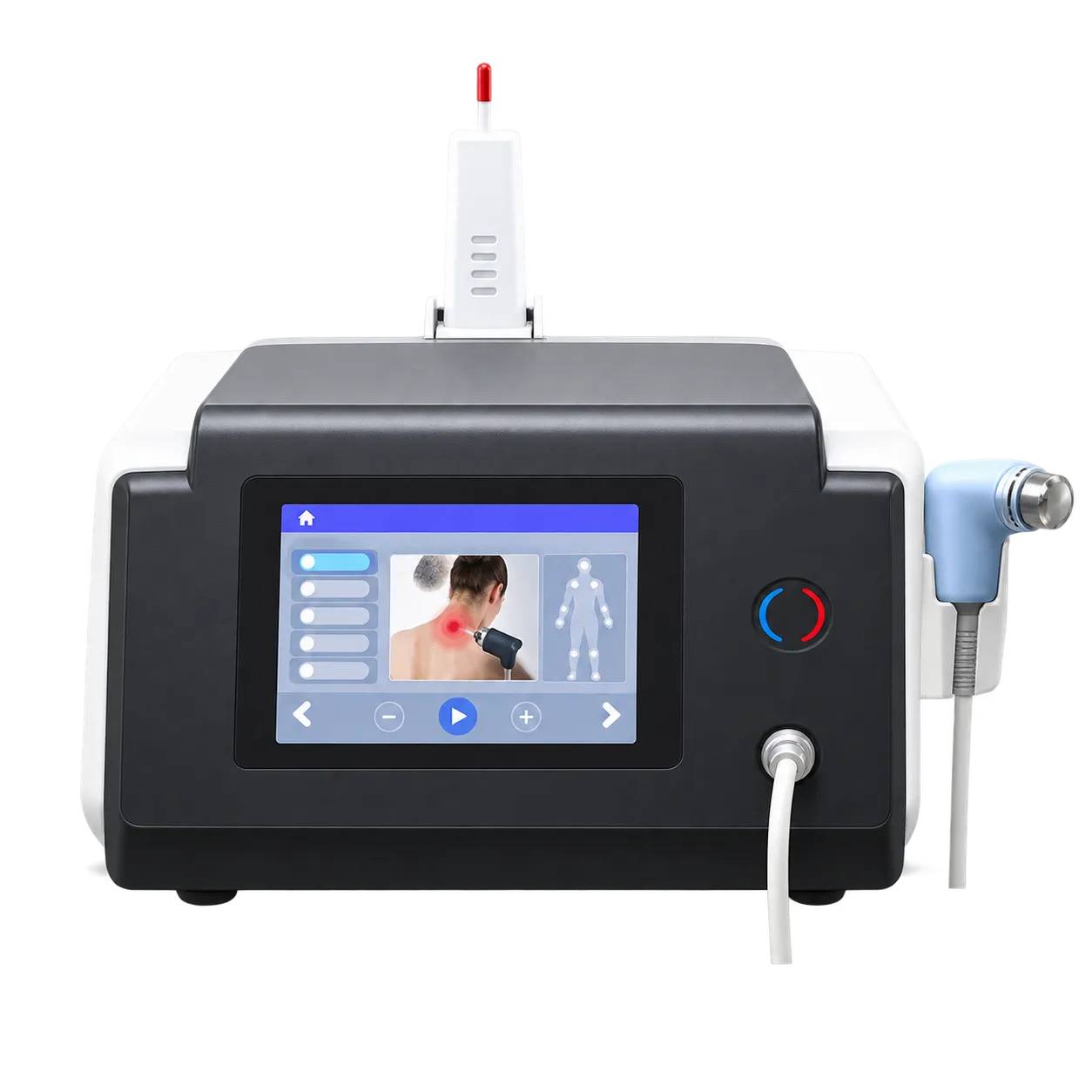
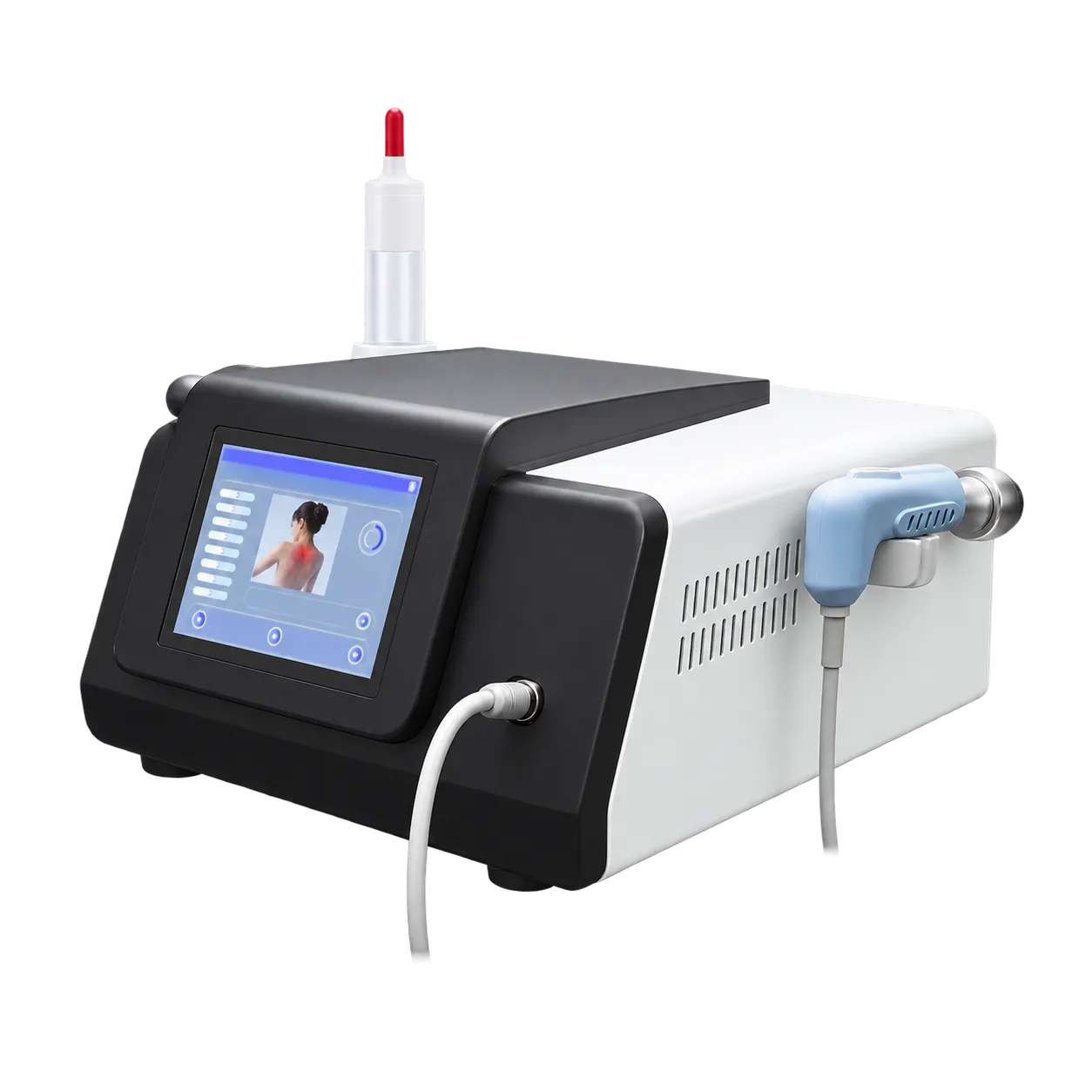
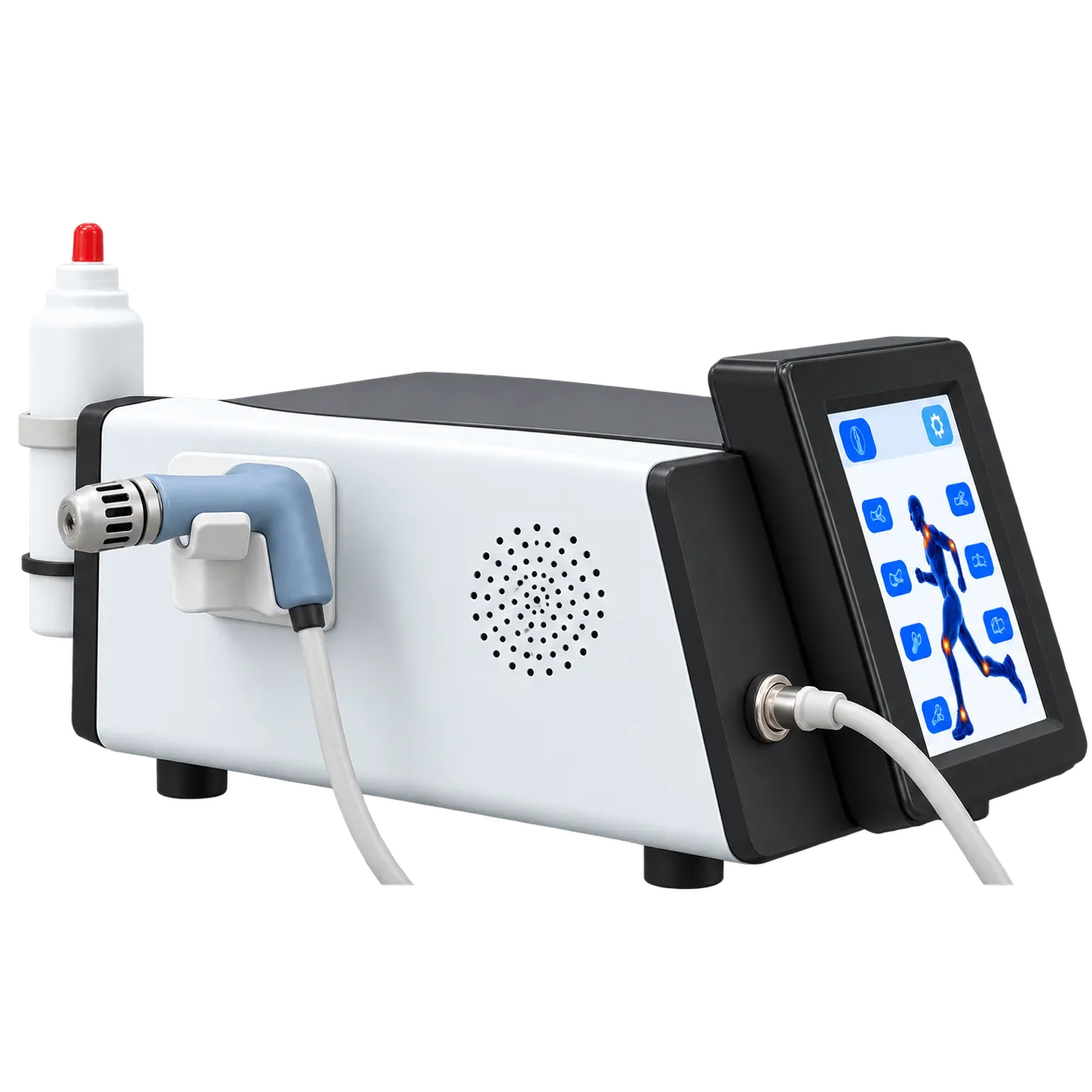
Physiotherapy practices, podiatry clinics, sports medicine services and musculoskeletal pain teams are the buyers. The conditions with published guidance are refractory plantar fasciitis, refractory tennis elbow, and greater trochanteric pain syndrome, each treated as a short course within a loading programme rather than as a standalone fix.
Case selection follows the word refractory. The guidance describes the procedure for patients whose symptoms have persisted despite first-line treatment, meaning an exercise programme, footwear or load advice, and time have usually come first. A service that offers shockwave as an opening move is working outside the framing of the guidance, and its audit will show it.
Each appointment produces a record. The probe, the pressure, the rate, the impulse count and the area belong in the notes, with a baseline outcome score at the start and the same score at the end of the course. That score is what turns a treatment list into the audit the guidance asks for, and it is also what tells the practice whether the machine is doing anything.
Referral routes matter as much as settings. Patients arriving from a GP, a podiatrist or a sports club should leave with written information that names the uncertainty in the evidence, and the referrer should get the outcome back. An NHS service adds a governance approval before the first list, and the seller supplies the conformity documents the medical devices team will ask for. Independent clinics carry the same information in their own file, because the questions arrive in the same order, whoever asks them.