
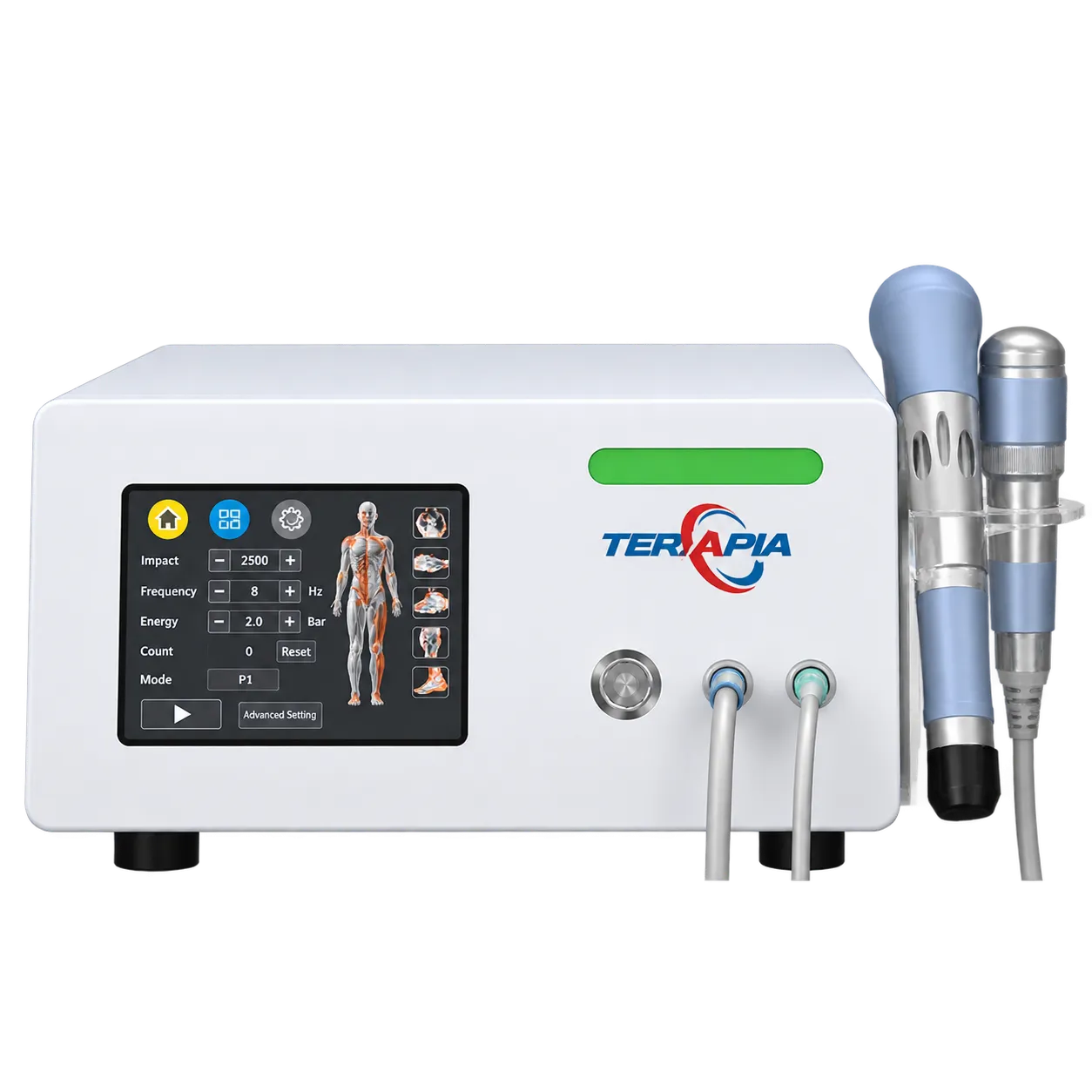
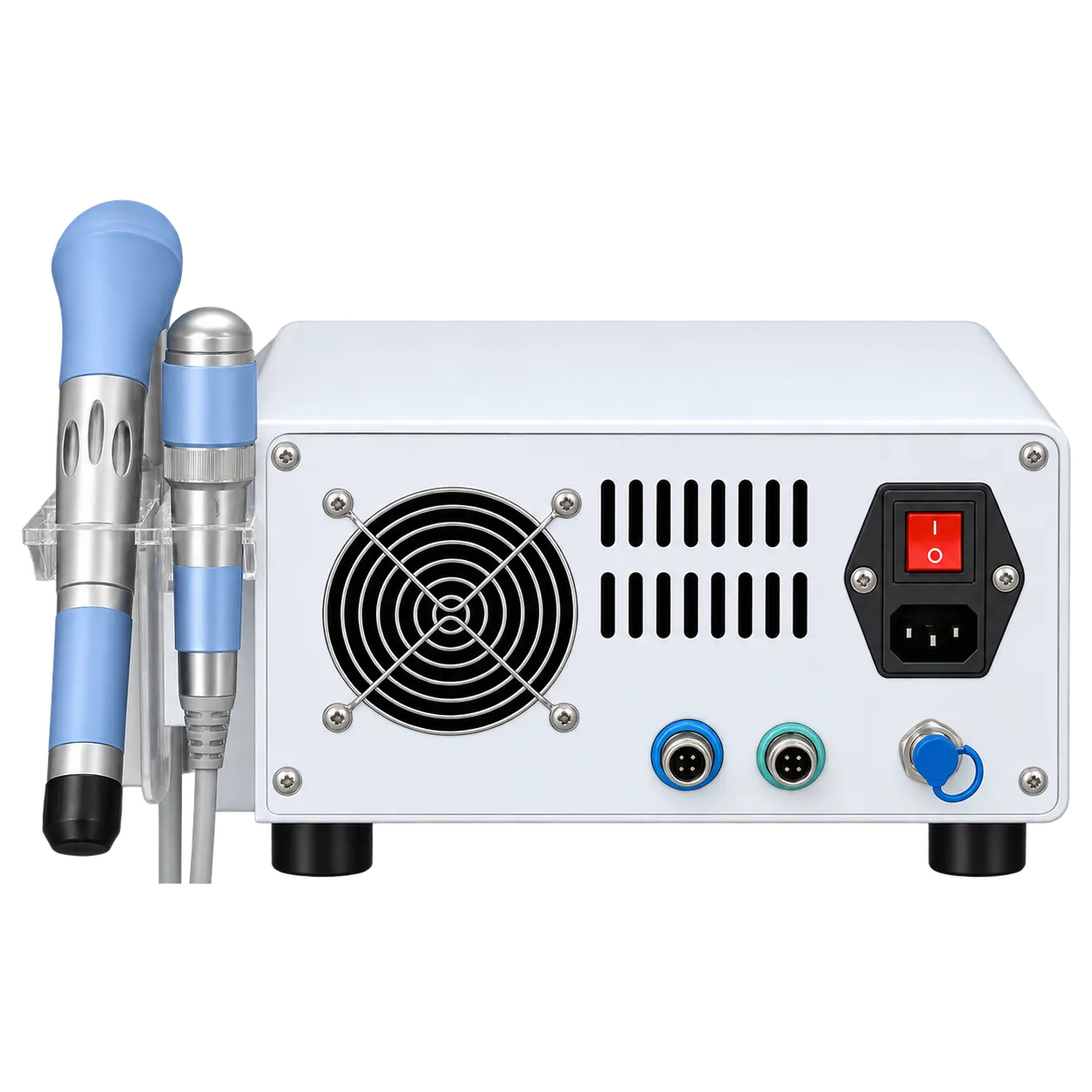
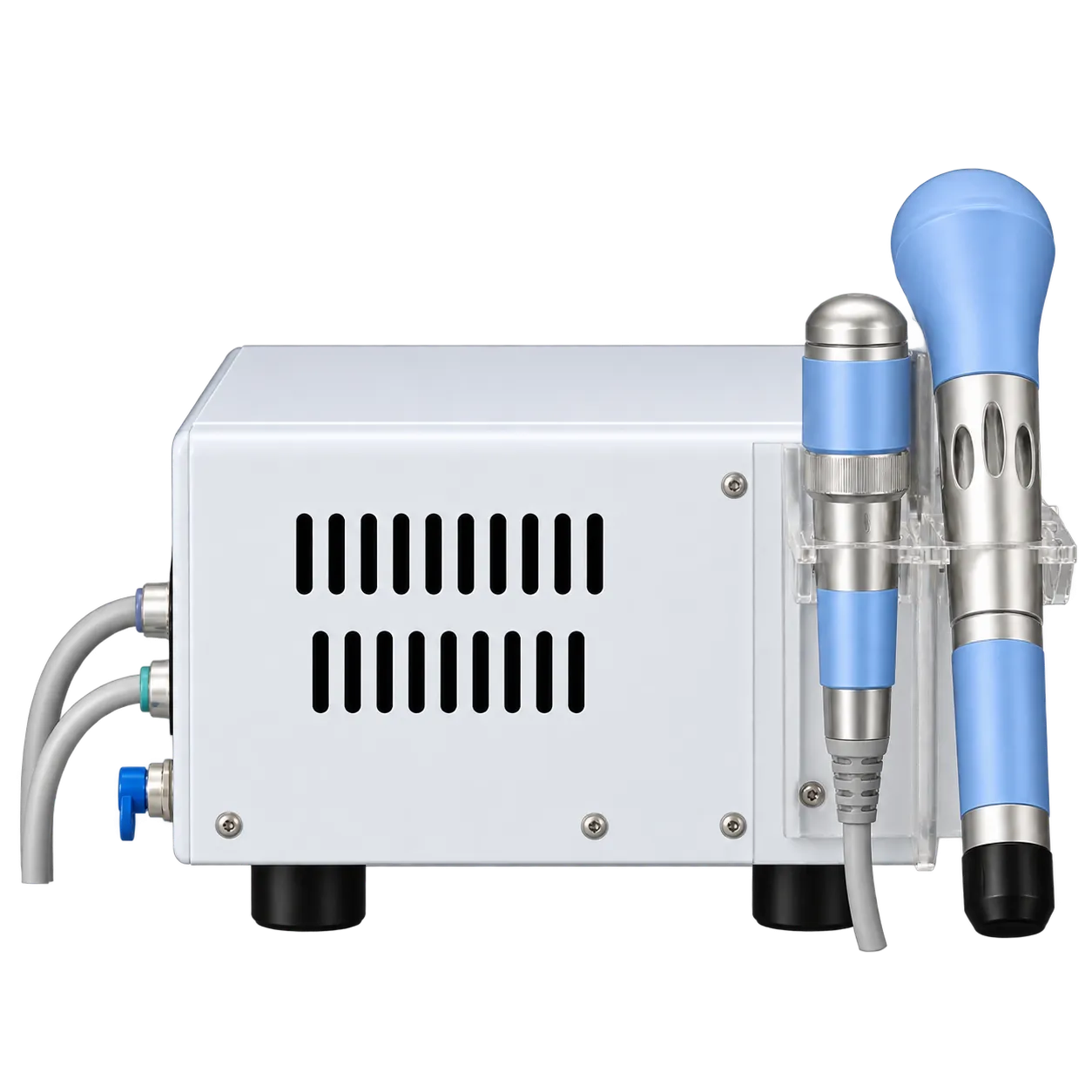
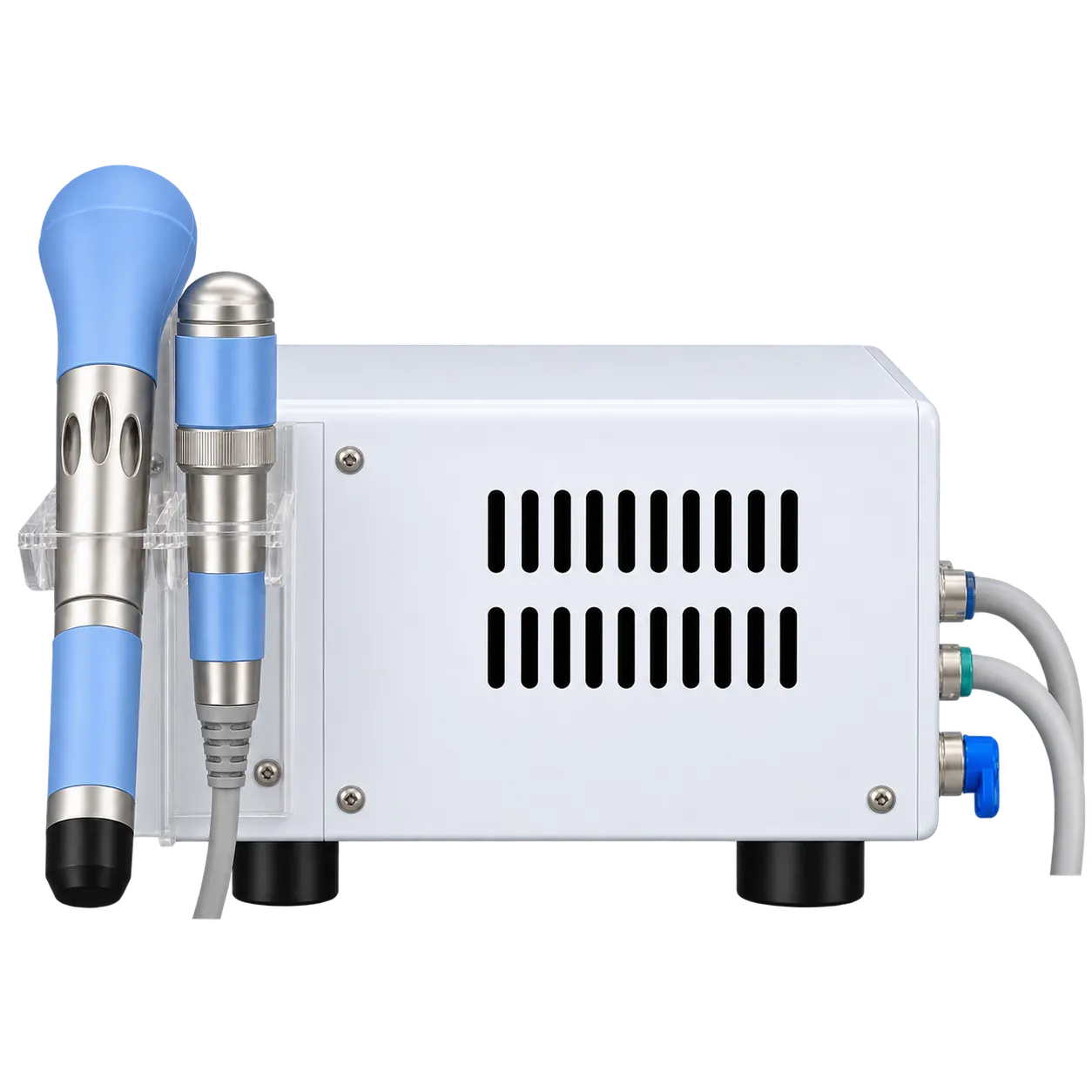
The T701+2 earns its place where the same patients receive both modalities. Myofascial trigger points are the clearest example, since both radial shockwave and high-intensity ultrasound techniques have been used on them, and a clinician can move from one handle to the other without the patient leaving the couch. Achilles, heel and elbow tendon problems are the other common ground, with shockwave carrying most of the current evidence and ultrasound used alongside it in some protocols.
The labour case follows from that overlap. A combined appointment keeps its treatment minutes but loses the transitions between them, and in a busy musculoskeletal list those transitions are what push sessions over time. The same overlap raises the training load, because every clinician needs competence in both modalities before the console can be used flexibly, and a department where only some staff are trained on the ultrasonic handle will find the second handpiece sitting unused.
Guidance narrows the overlap in places. NICE guidelines do not recommend ultrasound for low back pain or osteoarthritis; the JOSPT rotator cuff guideline of 2025 also argues against it for the shoulder, and shockwave for heel and Achilles work falls under NICE's special arrangements for governance, consent, and audit. A combined protocol should name which modality applies to which presentation, so that convenience does not quietly expand the ultrasound caseload.
Documentation completes the picture. Each modality needs its own line in the notes, with the handle, settings and treatment time recorded. NHS musculoskeletal departments, private clinics, and sports medicine services buy through different routes, yet the conformity paperwork for both comes from the manufacturer and is supplied by the seller.